

The COVID-19 pandemic changed the world in ways no one could have imagined. While it caused massive disruptions to global economies, it also reshaped consumer behavior, work culture, healthcare, education, and technology. As businesses closed, new opportunities emerged. Many of today’s fastest-growing business ideas were born during or immediately after the pandemic.
People now value convenience, safety, health, digital solutions, remote access, and sustainability more than ever. Entrepreneurs who understand these shifts can build profitable businesses in the post-COVID era.
Here are 20+ strong business ideas that emerged from the COVID-19 pandemic, many of which continue to grow and evolve today.
1. Online Education & E-Learning Platforms
When schools and universities shut down, online education became essential. Even after reopening, digital learning remains popular.
Why it works:
-
Flexible learning from anywhere
-
Lower costs compared to physical institutions
-
Growing demand for skill-based education
Business ideas include:
-
Online tutoring services
-
Skill-based courses (coding, design, marketing)
-
Language learning platforms
-
Exam preparation websites
2. Remote Work Solutions & Tools
Remote work went from optional to normal. Companies now rely on digital tools to manage distributed teams.
Opportunities include:
-
Project management software
-
Time-tracking tools
-
Virtual office platforms
-
Cybersecurity services for remote teams
This sector continues to grow as hybrid work models become permanent.
3. Telemedicine & Online Healthcare Services
Healthcare moved online during COVID-19, and patients now expect virtual options.
Popular business ideas:
-
Online doctor consultations
-
Mental health therapy platforms
-
Digital prescription services
-
Remote patient monitoring tools
Telemedicine saves time, reduces costs, and improves access to healthcare.
4. Mental Health & Wellness Services
The pandemic increased stress, anxiety, and burnout worldwide.
High-demand services include:
-
Online therapy and counseling
-
Meditation and mindfulness apps
-
Stress management coaching
-
Corporate wellness programs
Mental health is no longer a luxury—it’s a necessity.
5. E-Commerce & Niche Online Stores
Lockdowns pushed millions of people to shop online, accelerating e-commerce growth.
Profitable niches include:
-
Health and wellness products
-
Home fitness equipment
-
Eco-friendly products
-
Personalized or custom items
Small niche stores can compete with big brands by focusing on specific audiences.
6. Home-Based Food Businesses
Restaurant closures led to the rise of home kitchens and cloud kitchens.
Business models include:
-
Homemade meal delivery
-
Healthy meal prep services
-
Specialty foods (bakery, desserts, vegan meals)
-
Regional or traditional cuisine
Many customers now prefer hygienic, home-cooked food options.
7. Cloud Kitchens & Virtual Restaurants
Cloud kitchens operate without dine-in spaces, reducing costs significantly.
Why they succeed:
-
Low startup investment
-
Focus on online delivery
-
Ability to run multiple brands from one kitchen
This model remains strong in urban areas.
8. Digital Marketing & Social Media Agencies
As businesses moved online, digital visibility became essential.
Services in demand:
-
Social media management
-
SEO and content marketing
-
Influencer marketing
-
Paid advertising (Google, Facebook, TikTok)
Even small businesses now invest in online marketing.
9. Online Fitness & Virtual Training
Gym closures forced fitness professionals to go digital.
Business ideas include:
-
Online personal training
-
Live workout classes
-
Fitness apps
-
Yoga and meditation sessions
Hybrid fitness (online + offline) is now the norm.
10. Subscription-Based Businesses
People became comfortable with monthly subscriptions during lockdowns.
Examples:
-
Meal kits
-
Health supplements
-
Streaming content
-
Learning platforms
Recurring revenue makes this model highly attractive.
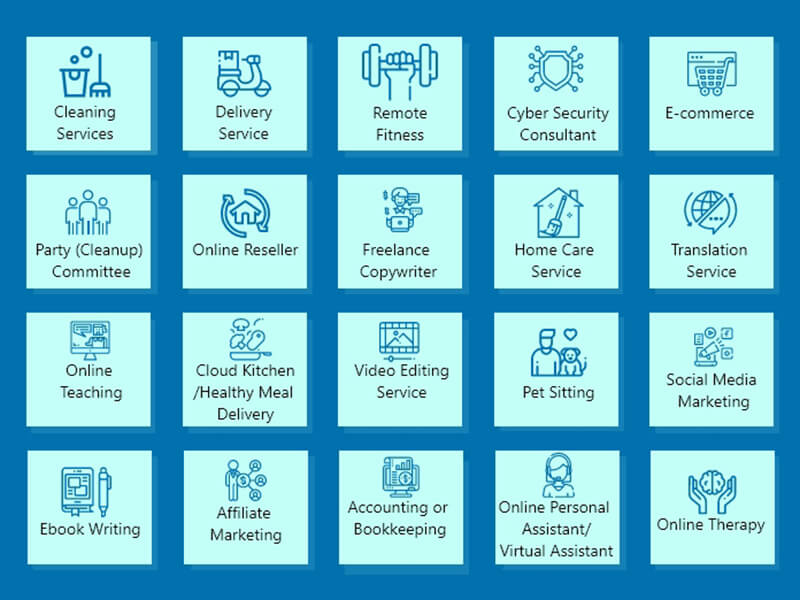
11. Cybersecurity Services
Remote work increased cyber threats and data breaches.
Business opportunities include:
-
Cybersecurity consulting
-
Network protection services
-
Data privacy solutions
-
Security audits for small businesses
This sector will only grow as digital dependence increases.
12. Freelancing & Gig Economy Platforms
Job losses pushed many professionals into freelancing.
High-demand freelance services:
-
Writing and content creation
-
Graphic and web design
-
Programming and app development
-
Virtual assistants
Platforms connecting freelancers to clients are thriving.
13. Logistics & Last-Mile Delivery Services
E-commerce growth created massive demand for delivery services.
Business ideas include:
-
Local delivery startups
-
Grocery delivery
-
Medical supply delivery
-
Hyperlocal logistics solutions
Speed and reliability are key competitive advantages.
14. Health & Hygiene Products
COVID-19 permanently increased hygiene awareness.
Popular products include:
-
Sanitizers and disinfectants
-
Masks and protective gear
-
Air purifiers
-
Cleaning services
Consumers now prioritize health and cleanliness.
15. Online Event & Virtual Experience Platforms
Physical events were replaced by virtual alternatives.
Examples include:
-
Virtual conferences
-
Online workshops
-
Digital exhibitions
-
Virtual team-building events
Hybrid events are now widely accepted.
16. Home Improvement & DIY Services
People spent more time at home, increasing demand for better living spaces.
Business opportunities include:
-
Home renovation consulting
-
Interior design services
-
DIY product kits
-
Smart home installations
The home became a workplace, gym, and relaxation space.
17. Online Coaching & Consulting
Experts began offering services digitally instead of in person.
Coaching niches include:
-
Business coaching
-
Career coaching
-
Life coaching
-
Financial planning
Low overhead and global reach make this a powerful model.
18. Sustainable & Eco-Friendly Businesses
The pandemic increased awareness of environmental impact.
High-potential ideas:
-
Reusable products
-
Sustainable packaging
-
Organic food brands
-
Eco-friendly fashion
Consumers increasingly support ethical brands.
19. Online Content Creation & Monetization
People spent more time consuming online content during lockdowns.
Platforms include:
-
YouTube
-
Podcasts
-
Blogs
-
Online communities
Content creators earn through ads, sponsorships, and digital products.
20. AI-Powered & Automation Solutions
Businesses adopted automation to reduce costs and dependency on physical labor.
Examples:
-
AI chatbots
-
Automated customer support
-
Data analytics tools
-
Process automation software
AI adoption accelerated rapidly after COVID-19.
21. Elderly Care & Home Healthcare Services
Older populations were most affected during the pandemic.
Business ideas include:
-
Home nursing services
-
Elderly companionship services
-
Remote health monitoring
-
Medication delivery
This sector will grow with aging populations worldwide.
22. Online Travel Planning & Local Tourism
Travel didn’t stop—it changed.
New trends include:
-
Domestic tourism
-
Personalized travel planning
-
Work-from-anywhere packages
-
Eco-tourism services
Travel businesses that adapt can still succeed.
Final Thoughts
The COVID-19 pandemic reshaped the global business landscape forever. While it caused enormous challenges, it also created new demands, habits, and opportunities. The most successful businesses today are those that solve post-pandemic problems—whether related to health, convenience, digital access, or flexibility.
Entrepreneurs who focus on technology, remote solutions, wellness, sustainability, and customer-centric services are well positioned for long-term success.
The key lesson from COVID-19 is simple: adaptability is the new competitive advantage. Those who innovate and respond to changing needs will continue to thrive in the post-pandemic world.
Read Also: Keep your face towards the sunshine and shadows will fall behind you
Watch Also: https://www.youtube.com/@TravelsofTheWorld24












Leave a Reply