
Aerobic exercise, often called “cardio,” is a cornerstone of fitness and overall health. Derived from the term “with oxygen,” aerobic exercise involves continuous, rhythmic activity that increases your heart rate and breathing. It strengthens your cardiovascular system, burns calories, improves endurance, and boosts mental health. Whether you are a beginner or an experienced athlete, incorporating aerobic exercise into your routine can transform your fitness and wellbeing.
In this article, we explore 10 examples of aerobic exercises, explain how to perform them, and outline their benefits to help you create an effective and enjoyable cardio routine.
1. Walking
Walking is one of the simplest and most accessible forms of aerobic exercise. It requires no equipment other than comfortable shoes and can be done almost anywhere.
How to Do It
-
Maintain a brisk pace that raises your heart rate but allows conversation.
-
Swing your arms naturally.
-
Keep your posture upright, shoulders relaxed.
-
Aim for 30–60 minutes per day, most days of the week.
Benefits
-
Low-impact, easy on joints
-
Improves cardiovascular health
-
Supports weight management
-
Boosts mood and mental clarity
2. Running / Jogging
Running is a higher-intensity aerobic exercise that strengthens the heart and muscles while burning more calories than walking.
How to Do It
-
Warm up with 5–10 minutes of walking or dynamic stretching.
-
Maintain a steady pace for at least 20–40 minutes.
-
Focus on proper form: land mid-foot, keep arms at a 90-degree angle.
-
Cool down with walking and stretching afterward.
Benefits
-
Improves cardiovascular endurance
-
Strengthens lower-body muscles
-
Burns significant calories
-
Reduces stress and improves sleep
3. Cycling
Cycling, whether outdoors or on a stationary bike, is an excellent aerobic workout that also strengthens leg muscles.
How to Do It
-
Adjust the seat height for comfort.
-
Maintain a moderate to vigorous pace for 20–60 minutes.
-
Vary resistance to increase intensity.
-
Use proper posture: keep back straight and core engaged.
Benefits
-
Low-impact on joints
-
Strengthens quadriceps, hamstrings, and calves
-
Enhances cardiovascular fitness
-
Can be done solo or in group classes
4. Swimming
Swimming is a full-body aerobic exercise that combines cardiovascular training with muscular endurance.
How to Do It
-
Choose a stroke that suits your skill level: freestyle, breaststroke, backstroke, or butterfly.
-
Swim continuously for 20–40 minutes.
-
Maintain rhythmic breathing with each stroke.
-
Warm up and cool down with easy laps.
Benefits
-
Strengthens almost all major muscle groups
-
Low-impact, gentle on joints
-
Improves lung capacity
-
Burns calories efficiently

5. Jumping Rope
Jumping rope is a high-intensity aerobic workout that boosts cardiovascular fitness and coordination.
How to Do It
-
Use a rope of appropriate length: handles should reach armpits when stepped on.
-
Keep jumps low and wrists active.
-
Start with intervals of 1–2 minutes, gradually increasing duration.
-
Perform multiple sets with short breaks.
Benefits
-
Increases heart rate quickly
-
Improves coordination, balance, and agility
-
Burns a high number of calories
-
Portable and inexpensive
6. Dancing / Zumba
Dance-based aerobic exercises, such as Zumba, combine fun with fitness, providing an energetic cardio workout.
How to Do It
-
Choose a class or online video that matches your fitness level.
-
Perform movements continuously, maintaining an elevated heart rate.
-
Focus on large, rhythmic movements and arm involvement.
-
Exercise for at least 30 minutes per session.
Benefits
-
Improves cardiovascular health
-
Enhances coordination and flexibility
-
Boosts mood and reduces stress
-
Suitable for social interaction
7. Hiking
Hiking is a natural and enjoyable form of aerobic exercise, often incorporating uneven terrain for added intensity.
How to Do It
-
Choose a trail that matches your fitness level.
-
Wear proper hiking shoes and bring water.
-
Maintain a brisk pace while navigating terrain safely.
-
Use trekking poles for extra upper-body engagement.
Benefits
-
Builds leg and core strength
-
Boosts cardiovascular endurance
-
Lowers stress and improves mental wellbeing
-
Connects you with nature
8. Rowing
Rowing, on a machine or in a boat, is a full-body aerobic exercise that also strengthens back, shoulders, and arms.
How to Do It
-
Adjust the foot straps for comfort.
-
Use legs, core, and arms in a fluid motion: push with legs, lean back, and pull with arms.
-
Maintain a steady pace for 20–40 minutes.
-
Focus on proper technique to avoid injury.
Benefits
-
Improves cardiovascular endurance
-
Builds upper-body and core strength
-
Low-impact and joint-friendly
-
Can be done indoors or outdoors
9. Aerobics Classes / Step Aerobics
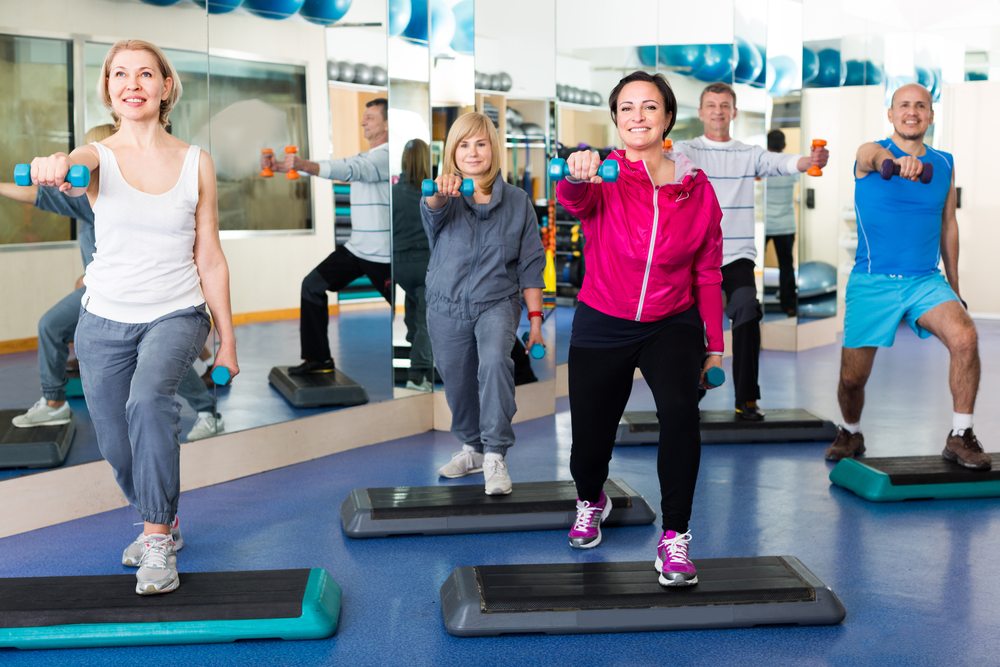
Group or online aerobics classes provide structured cardiovascular workouts set to music. Step aerobics adds intensity by incorporating platforms.
How to Do It
-
Follow the instructor’s cues for continuous movement.
-
Incorporate steps, jumps, and arm movements.
-
Maintain elevated heart rate for 30–60 minutes.
-
Cool down with stretching exercises.
Benefits
-
Enhances cardiovascular fitness
-
Improves rhythm, coordination, and agility
-
Provides motivation and social support
-
Fun and engaging workout style

10. Kickboxing / Cardio Boxing
Kickboxing combines martial arts techniques with aerobic conditioning, providing both strength and cardiovascular benefits.
How to Do It
-
Learn proper punches, kicks, and stance to prevent injury.
-
Perform routines continuously to maintain heart rate.
-
Use intervals: alternate high-intensity strikes with brief recovery.
-
Include shadowboxing, bag work, or group classes.
Benefits
-
Strengthens core, arms, and legs
-
Improves endurance and agility
-
Reduces stress and releases energy
-
Burns significant calories
Benefits of Aerobic Exercise
Regular aerobic exercise offers numerous benefits beyond calorie burning:
-
Heart Health: Strengthens the heart, lowers blood pressure, and improves circulation.
-
Weight Management: Burns calories and supports fat loss when combined with diet.
-
Lung Capacity: Enhances oxygen intake and respiratory efficiency.
-
Mood Improvement: Releases endorphins that reduce stress, anxiety, and depression.
-
Endurance: Increases stamina for daily activities and other workouts.
-
Metabolism Boost: Enhances energy expenditure even after exercise.
-
Immune Support: Regular moderate-intensity cardio can improve immune function.
-
Bone Health: Weight-bearing aerobic activities, like walking and dancing, help maintain bone density.
Tips for Effective Aerobic Training
-
Start Gradually: If new to exercise, begin with low-intensity activities and slowly increase duration and intensity.
-
Warm-Up and Cool Down: Always prepare your body with 5–10 minutes of gentle movement and finish with stretching.
-
Consistency: Aim for at least 150 minutes of moderate-intensity or 75 minutes of vigorous-intensity aerobic exercise per week.
-
Mix It Up: Rotate different types of aerobic exercises to prevent boredom and target various muscle groups.
-
Listen to Your Body: Avoid overtraining and rest if you experience pain or excessive fatigue.
-
Hydration and Nutrition: Drink water and maintain a balanced diet to support energy levels.
Conclusion
Aerobic exercise is essential for a healthy lifestyle. Whether you enjoy walking in the park, swimming laps, cycling, or dancing, there’s a cardio option for everyone. Incorporating a variety of aerobic exercises can improve your cardiovascular health, endurance, mental wellbeing, and overall fitness.
By choosing exercises you enjoy, setting realistic goals, and maintaining consistency, you can harness the full benefits of aerobic workouts. Remember, the best aerobic exercise is the one you stick with and make a part of your daily life.
Read Also: Keep your face towards the sunshine and shadows will fall behind you
Watch Also: https://www.youtube.com/@TravelsofTheWorld24









Leave a Reply