
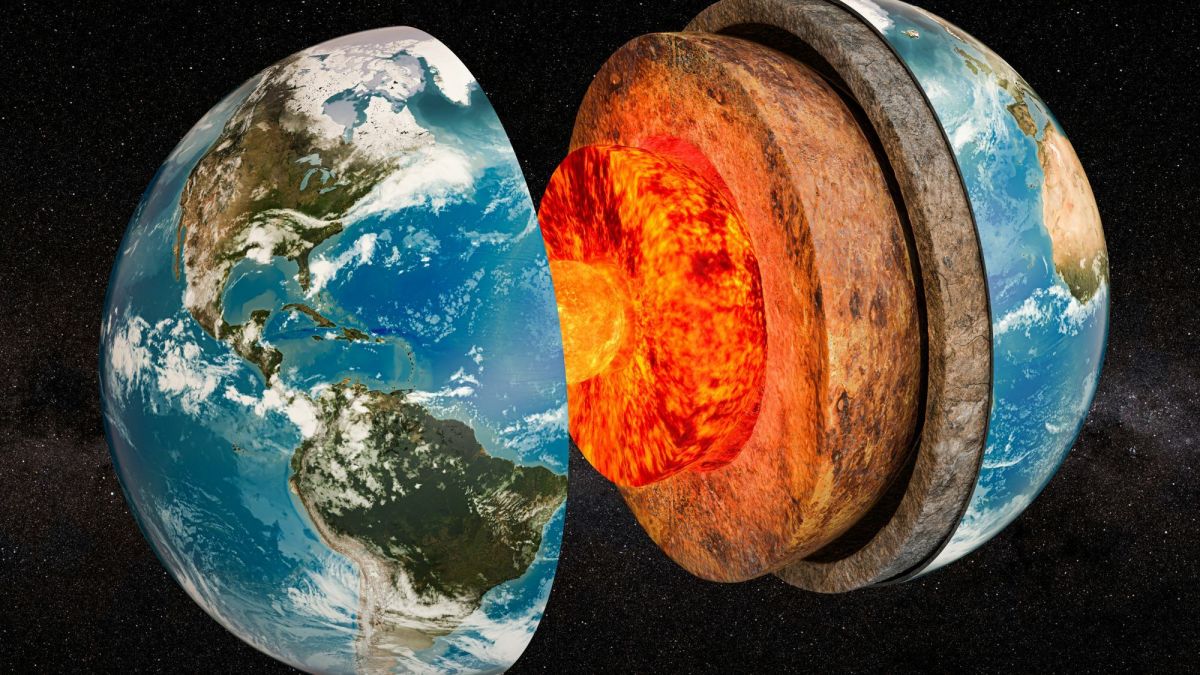
Have you ever wondered what planet Earth looks like on the inside? We live on Earth every day, but most of us only see the ground, the sky, and the oceans. Deep below our feet, Earth has layers, just like a giant ball or an onion. These layers help make our planet special and allow life to exist.
In this article, we will learn about the shape of Earth, the layers inside it, and why each layer is important—all in a way that’s fun and easy for kids to understand.
What Shape Is the Earth?
Many years ago, some people believed the Earth was flat. Today, thanks to science and space exploration, we know that Earth is round.
Is Earth a Perfect Ball?
Earth is almost a ball, but not exactly. Scientists call Earth an oblate spheroid. That means:
-
Earth is round like a ball
-
It is slightly squished at the top and bottom
-
It is a little wider around the middle
This happens because Earth spins, and spinning makes the middle bulge outward slightly.
How Do We Know Earth Is Round?
We know Earth is round because:
-
Astronauts have taken pictures from space
-
Ships disappear bottom-first over the ocean horizon
-
Earth casts a round shadow on the Moon during a lunar eclipse
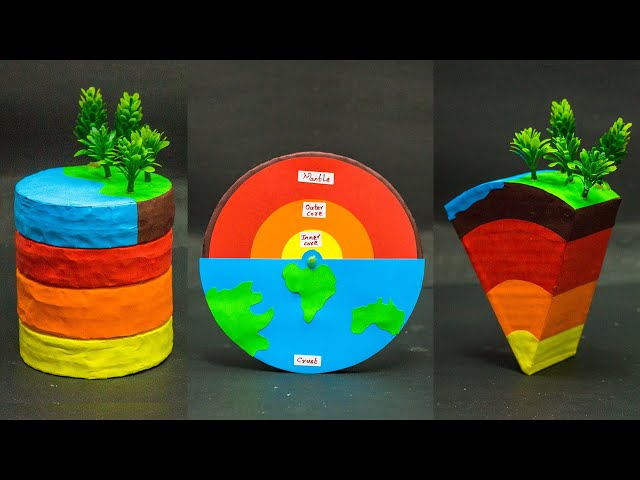
Earth Has Layers Like a Cake
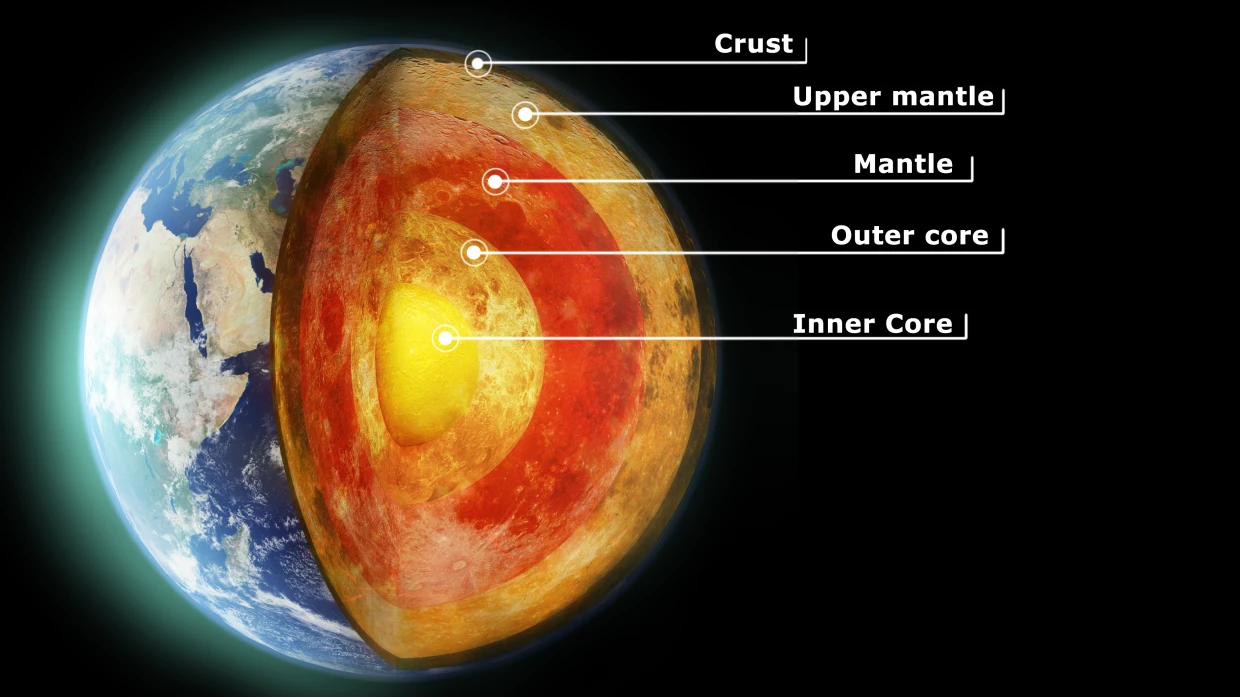
Just like a cake has layers, Earth has three main layers. Each layer is different and has its own job.
The three main layers of Earth are:
-
The Crust
-
The Mantle
-
The Core
Let’s explore each one!
The Crust: Earth’s Outer Skin
The crust is the outermost layer of Earth. It is the part we live on.
What Is the Crust Like?
-
It is thin compared to the rest of Earth
-
Made of solid rock
-
Contains mountains, valleys, soil, and oceans
Even though the crust seems thick to us, it is actually very thin when compared to Earth’s full size.
Types of Crust
There are two kinds of crust:
-
Continental crust – found under land (continents)
-
Oceanic crust – found under oceans
Oceanic crust is thinner but heavier than continental crust.
Tectonic Plates: Moving Pieces of the Crust
The crust is broken into large pieces called tectonic plates. These plates float on top of the mantle and slowly move.
When tectonic plates move, they can cause:
-
Earthquakes
-
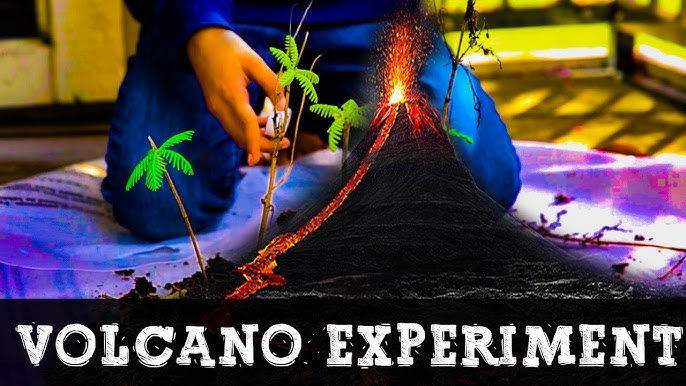
Volcanoes
-
Mountains to form
These movements happen very slowly—about as fast as your fingernails grow!
The Mantle: Earth’s Thick Middle Layer
Below the crust is the mantle, the largest layer of Earth.
What Is the Mantle Made Of?
-
Hot, thick rock
-
Not completely solid, not completely liquid
-
Can slowly flow like thick toothpaste
The mantle is very hot, but it stays solid because of the heavy pressure.
Why Is the Mantle Important?
-
It helps move tectonic plates
-
It creates magma for volcanoes
-
It helps Earth release heat
Without the mantle, Earth would be very different!
The Core: Earth’s Powerful Center
At the center of Earth is the core. The core is the hottest and heaviest part of the planet.
The core has two layers:
-
Outer Core
-
Inner Core
The Outer Core: Liquid Metal
The outer core is made of liquid iron and nickel.
Cool Facts About the Outer Core
-
It is extremely hot
-
It flows like liquid
-
It creates Earth’s magnetic field
Earth’s magnetic field protects us from harmful radiation from the Sun. Without it, life on Earth would be in danger.
The Inner Core: A Solid Ball of Metal
Inside the outer core is the inner core.
What Makes the Inner Core Special?
-
Made of solid iron and nickel
-
Hotter than the surface of the Sun
-
Solid because of extreme pressure
Even though it is incredibly hot, the pressure is so strong that the metal stays solid.
How Big Are Earth’s Layers?
Let’s imagine Earth as an apple:
-
The skin = the crust
-
The fleshy part = the mantle
-
The core = the seed
This shows how thin the crust really is compared to the rest of Earth!
Why Can’t We Dig to the Center of Earth?
You might wonder: Why don’t scientists just dig down to see Earth’s layers?
The reasons are:
-
It gets too hot
-
The pressure becomes too strong
-
Rocks melt into magma
The deepest hole humans have ever drilled is only about 12 kilometers, which is very shallow compared to Earth’s size.
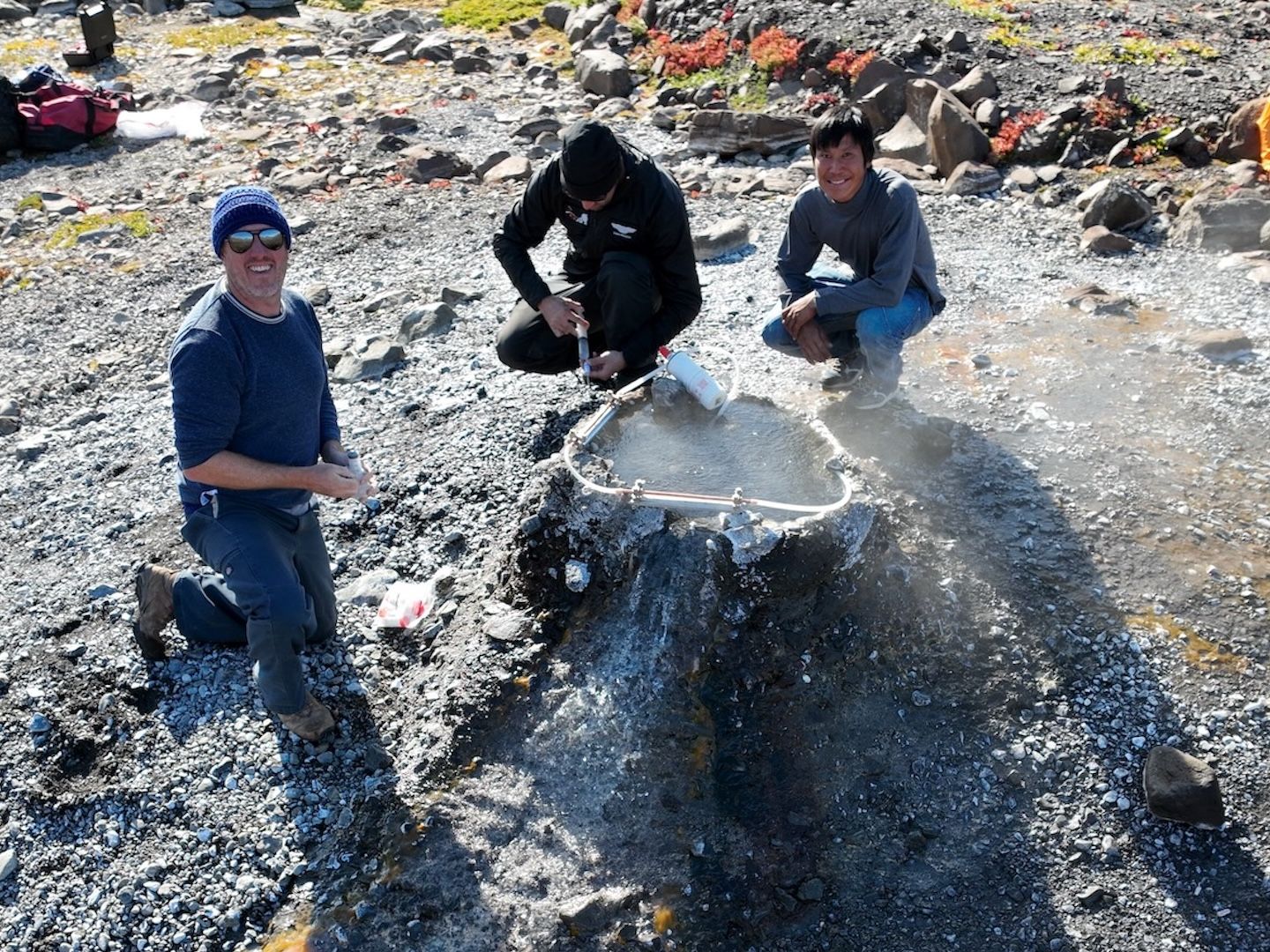
How Do Scientists Study Earth’s Inside?
Since we can’t dig to the core, scientists use other methods:
Earthquakes
Earthquakes send waves through Earth. These waves move differently through solid and liquid layers. By studying them, scientists learn about Earth’s inside.
Volcanoes
Volcanoes bring magma from deep inside Earth to the surface, giving clues about the mantle.
Earth’s Magnetic Field: An Invisible Shield
Earth has a magnetic field because of the moving metal in the outer core.
This magnetic field:
-
Protects Earth from solar winds
-
Helps animals navigate
-
Allows compasses to work
Without it, Earth would be more like Mars—dry and lifeless.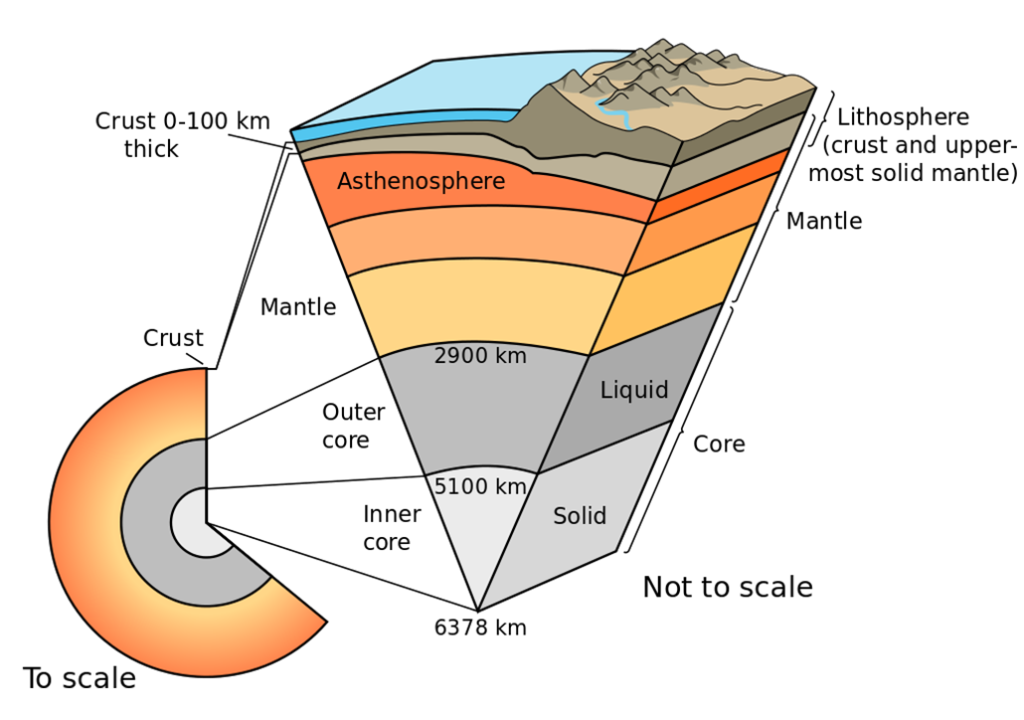
Earth Is Always Changing
Even though Earth looks solid, it is always changing.
-
Mountains grow
-
Volcanoes erupt
-
Continents slowly move
These changes happen over millions of years, shaping the planet we live on.
Fun Facts About Planet Earth
-
Earth is the only planet known to support life
-
About 70% of Earth’s surface is covered by water
-
Earth is around 4.5 billion years old
-
Earth spins once every 24 hours
Why Learning About Earth Matters
Understanding Earth helps us:
-
Stay safe during natural disasters
-
Protect our environment
-
Learn how planets work
-
Appreciate our home in space
The more we learn, the better we can take care of our planet.
A Quick Review
Let’s review what we learned:
-
Earth is round and slightly squished
-
Earth has three main layers: crust, mantle, and core
-
The core creates Earth’s magnetic field
-
Earth’s layers help make life possible
Conclusion
Planet Earth is an amazing place. From its round shape to its powerful core, every part plays an important role. Even though we live on the surface, the layers beneath our feet keep the planet alive and moving.
Learning about Earth helps us understand not just where we live—but how everything works together.
So next time you step outside, remember: beneath your feet lies a fascinating world of heat, motion, and mystery!
Read Also: Keep your face towards the sunshine and shadows will fall behind you
Watch Also: https://www.youtube.com/@TravelsofTheWorld24





Leave a Reply