

Yellowstone’s Wolves and the Myth of the Perfect Trophic Cascade
In 1995 and 1996, after decades of absence, gray wolves (Canis lupus) were reintroduced to Yellowstone National Park. This event has often been hailed as a textbook example of an ecological cascade, where the presence of a top predator triggers a chain of effects throughout the ecosystem. Stories of rivers changing course, vegetation thriving, and beaver populations booming have captivated scientists, environmentalists, and the general public alike. But does the science fully support this dramatic narrative? Let’s explore the evidence, nuances, and debates surrounding Yellowstone’s wolves and the idea of ecological cascades.
1. The History of Wolves in Yellowstone
Wolves were historically a keystone predator in Yellowstone, regulating populations of large herbivores like elk and deer. However, by the 1920s, wolves had been eradicated from the park through hunting, trapping, and poisoning. This removal had significant consequences: elk populations soared, overgrazing increased, and certain plant species began to decline.
By the late 20th century, scientists and park managers began considering reintroducing wolves to restore the balance of the ecosystem. In 1995, 31 wolves from Canada were released into Yellowstone, followed by another 17 in 1996. These wolves quickly established territories, began hunting, and started reproducing, setting the stage for one of the most studied predator reintroductions in history.
2. What Is an Ecological Cascade?
An ecological cascade occurs when a change in the population of one species, often a top predator, leads to significant and sometimes unexpected effects throughout the ecosystem. In Yellowstone, scientists hypothesized that reintroducing wolves would:
-
Reduce elk populations or alter their behavior
-
Allow overgrazed vegetation to recover
-
Benefit other species dependent on plants, such as beavers, songbirds, and insects
-
Ultimately improve ecosystem health and diversity
This concept is sometimes called a trophic cascade, because it moves down the food chain: predators → herbivores → plants → other species.
3. The “Wolf Effect” on Elk Populations
One of the most visible predicted effects was a reduction in elk numbers. Wolves are highly effective hunters, and their presence changed elk behavior. Studies showed that elk avoided areas like riverbanks and valleys where they were more vulnerable to predation.
This phenomenon, known as the ecology of fear, suggested that wolves not only reduced elk numbers but also altered where and how elk grazed. Certain trees and shrubs, especially willows and aspens, began to show signs of recovery in areas where elk grazing had previously been intense.
However, it’s important to note that elk populations did not plummet solely because of wolves. Other factors, including harsh winters, human hunting outside the park, and diseases like brucellosis, also influenced elk numbers. Wolves were one important factor among several.
4. Vegetation Recovery and Riparian Areas
After wolves returned, some plant species appeared to rebound. Willows, aspens, and cottonwoods began growing taller in certain areas, particularly along riverbanks where elk had previously overgrazed. This regrowth created habitats for birds, small mammals, and insects.
Riparian areas — ecosystems along rivers and streams — seemed to benefit the most. Taller vegetation stabilized riverbanks, improved water quality, and provided resources for a variety of species, including beavers. Beavers, in turn, created ponds and wetlands, which further boosted biodiversity.
This chain of events became the iconic story of Yellowstone: wolves → elk → vegetation → beavers → ecosystem transformation.
5. Debating the Cascade: Did Wolves Cause It All?
While the narrative of a perfect trophic cascade is compelling, recent studies suggest the reality is more nuanced. Critics point out several factors:
-
Other environmental changes: Climate variability, precipitation patterns, and human management practices also influence vegetation growth.
-
Beaver populations: Beavers in Yellowstone have fluctuated independently of wolves, and their presence may not be solely linked to vegetation recovery.
-
Herbivore behavior complexity: Not all elk populations responded the same way to wolves. Some continued to graze in high-risk areas despite predation.
-
Delayed effects: Ecological cascades take time, and some changes observed might result from long-term trends rather than the immediate return of wolves.
In short, wolves are certainly influential, but they are not the only driver of ecosystem change in Yellowstone.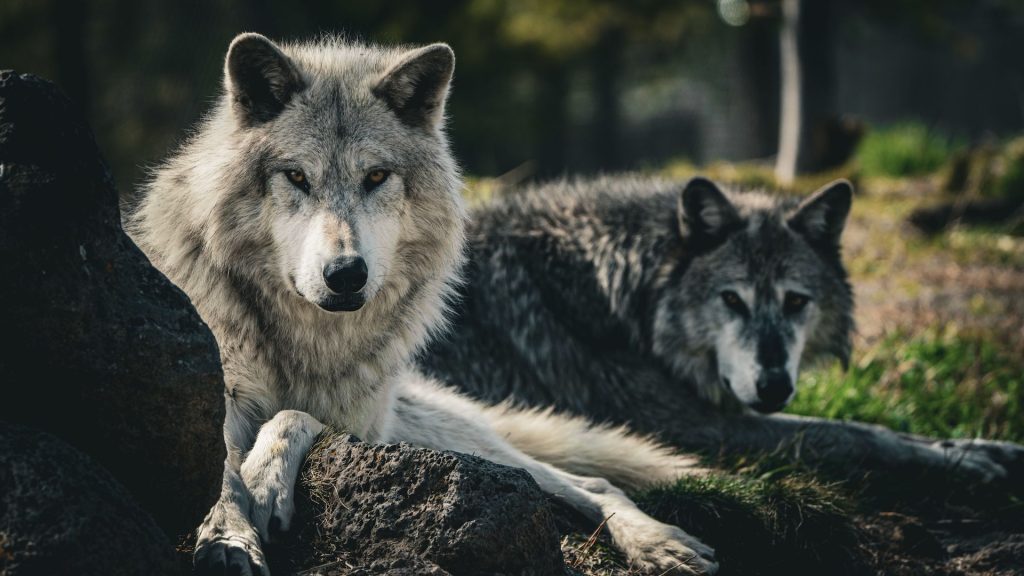
6. Other Species Affected
Beyond elk and vegetation, wolves had measurable impacts on other species:
-
Coyotes: Wolves competed with coyotes, reducing their numbers in certain areas. This, in turn, allowed smaller predators like foxes to thrive.
-
Birds and small mammals: Changes in vegetation and reduced coyote pressure benefited songbirds, rodents, and rabbits.
-
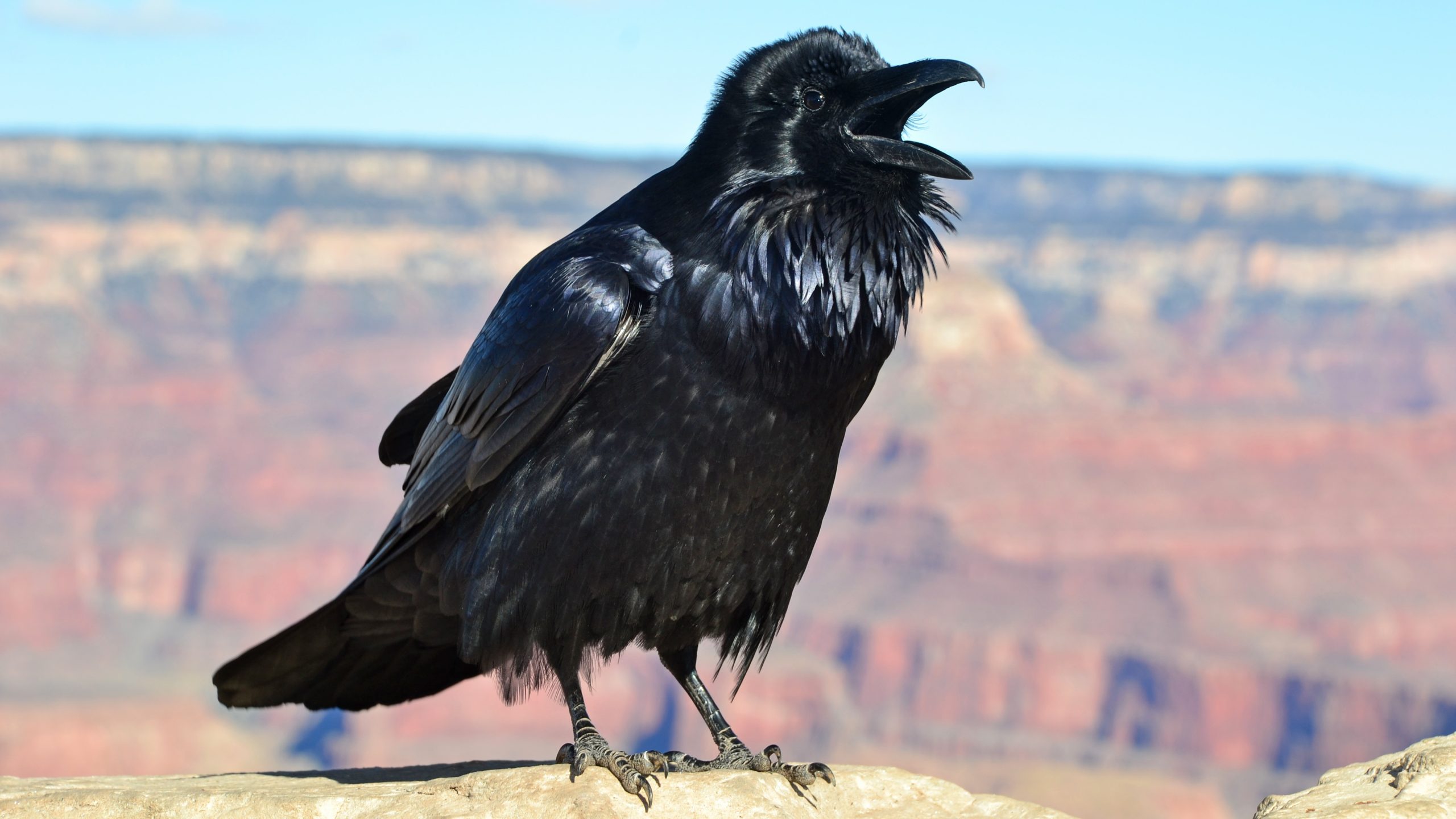
Scavengers: Wolves provide food for scavengers such as ravens, eagles, and bears by leaving behind carrion from kills.
These effects illustrate that predator reintroduction can influence multiple species, but the outcomes are context-dependent and not always linear.
7. Lessons from Yellowstone
The Yellowstone wolf reintroduction is often cited as a landmark example of predator-driven ecosystem restoration. It demonstrates several key points for ecology:
-
Predators are important, but not omnipotent. Wolves influence ecosystems, but their effects interact with climate, prey populations, and human activity.
-
Ecological cascades are complex. Chains of cause and effect rarely follow a single, neat path. Feedback loops, multiple species interactions, and environmental factors complicate predictions.
-
Long-term monitoring is essential. Wolves were reintroduced over 25 years ago, yet understanding their full impact requires decades of observation and data analysis.
8. The Broader Implications for Conservation
Yellowstone demonstrates that reintroducing apex predators can help restore ecological balance, but it also illustrates the limits of single-species interventions. Conservation strategies must consider:
-
Ecosystem complexity
-
Human-wildlife interactions
-
Climate and environmental change
-
Multi-species management
The story of wolves has inspired similar efforts worldwide, from mountain lions in North America to lynx in Europe. It also challenges humans to rethink our role in shaping ecosystems.
9. Conclusion
Did reintroducing wolves to Yellowstone cause an ecological cascade? The answer is both yes and no. Wolves undeniably affected elk behavior, vegetation, and other species, creating a web of interconnected effects. However, they were not the sole factor driving ecosystem changes. Other predators, environmental conditions, and human influences all played a role.
The true lesson of Yellowstone is that ecosystems are complex, interconnected, and resilient, but also sensitive to the presence or absence of key species. Wolves demonstrate the profound influence apex predators can have, but also remind us that ecological narratives are rarely as simple as they first appear.
By studying Yellowstone, scientists gain a deeper understanding of trophic cascades, predator-prey dynamics, and ecosystem restoration — knowledge that can guide conservation efforts around the globe.
Read Also: Keep your face towards the sunshine and shadows will fall behind you
Watch Also: https://www.youtube.com/@TravelsofTheWorld24






Leave a Reply