
Introduction
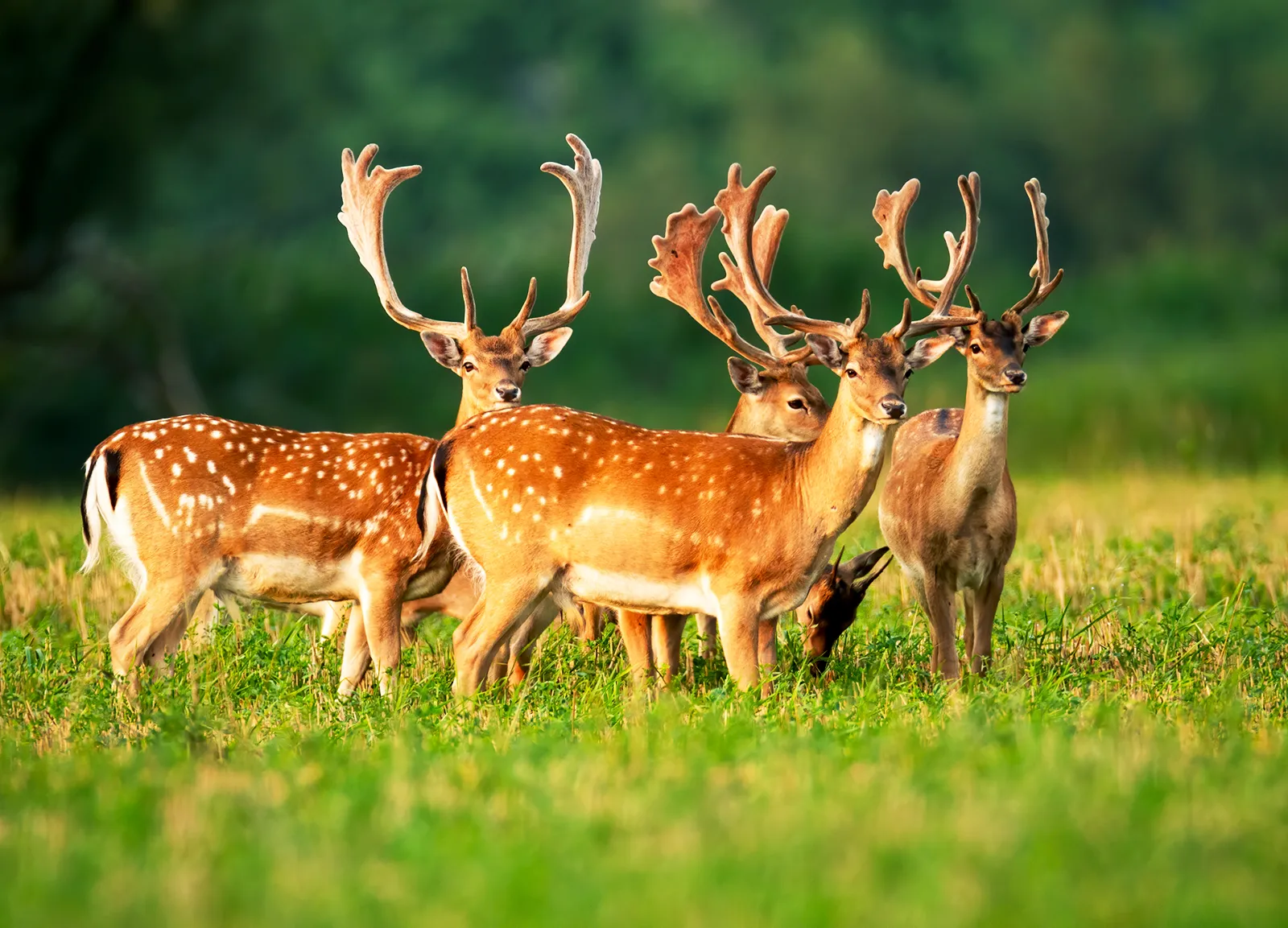
The fallow deer (Dama dama) is a species that, despite its gentle appearance and relatively small size compared to other deer, has had a remarkable impact on landscapes across the globe. Today, fallow deer can be found on multiple continents, thriving in a variety of habitats from woodlands and pastures to parks and reserves. But how did a species native to the Eastern Mediterranean and southwest Asia come to be so widely distributed? The tale of the fallow deer’s spread is a story of interactions between humans, ecology, and the adaptability of a species that blended grace with resilience. This essay explores the biological characteristics of fallow deer, their relationship with humans, and the historical, ecological, and cultural forces that allowed them to “take over” much of the world.
Origins and Natural History
Fallow deer are believed to have originated in the Eastern Mediterranean region. Fossil records trace their existence back tens of thousands of years, and genetic evidence links the species to ancient deer populations that once roamed across Europe. Unlike many other deer species, fallow deer did not evolve into numerous highly divergent subspecies; instead, they maintained a fairly uniform morphology. They are medium‑sized deer, recognizable by their distinctive spotted coats, palmate antlers in males, and a generally sociable nature. Males are known as bucks, females as does, and the young as fawns.
In their native landscapes, fallow deer favored forest edges and mixed woodlands where open grassy patches provided grazing opportunities. Their diet is flexible, composed of grasses, leaves, shoots, and herbs, which allowed them to adjust to seasonal changes in food availability. This dietary flexibility also helped them adapt when humans began altering landscapes through agriculture and deforestation.
The First Human Connections
Humans and fallow deer crossed paths long before recorded history. In Mesopotamia and ancient Egypt, deer appear in art and folklore, indicating their significance in early cultures. However, it was during the rise of ancient civilizations such as the Greeks and Romans that fallow deer began to move beyond their original range.
Ancient Romans were great travelers and traders, and they were also keen admirers of exotic animals. They transported fallow deer across their vast empire for hunting and for use in private estates. The Romans prized fallow deer not only for their meat and hides but also for their beauty. Their presence at villas and gardens became a symbol of wealth and leisure. These deliberate movements of deer by humans represent the first major stage in the worldwide spread of the species.
Medieval Europe: Gardens, Parks, and Prestige
After the fall of Rome, fallow deer populations in western Europe dwindled, but they never disappeared entirely. During the Middle Ages, European nobility revived interest in deer as symbols of status and power. Deer parks — enclosed lands set aside for hunting and viewing deer — became fashionable. These parks were enclosed with tall fences, and fallow deer were often introduced to them either through capture or by breeding stock.
In England, for example, fallow deer became especially popular. By the 12th century, many royal and noble estates maintained deer parks. The deer were carefully managed, sometimes fed, and selectively bred. Over centuries, this practice led to a thriving population that was more accustomed to human presence than many other wild deer species.
By the late Middle Ages, fallow deer had become nearly emblematic of the English countryside. Their spotted coats and gentle demeanor made them favorites not only for hunting but also for depiction in tapestries, literature, and heraldry. Their place in European cultural history was well established — and it was only the beginning of their global journey.
The Age of Exploration and Colonialism
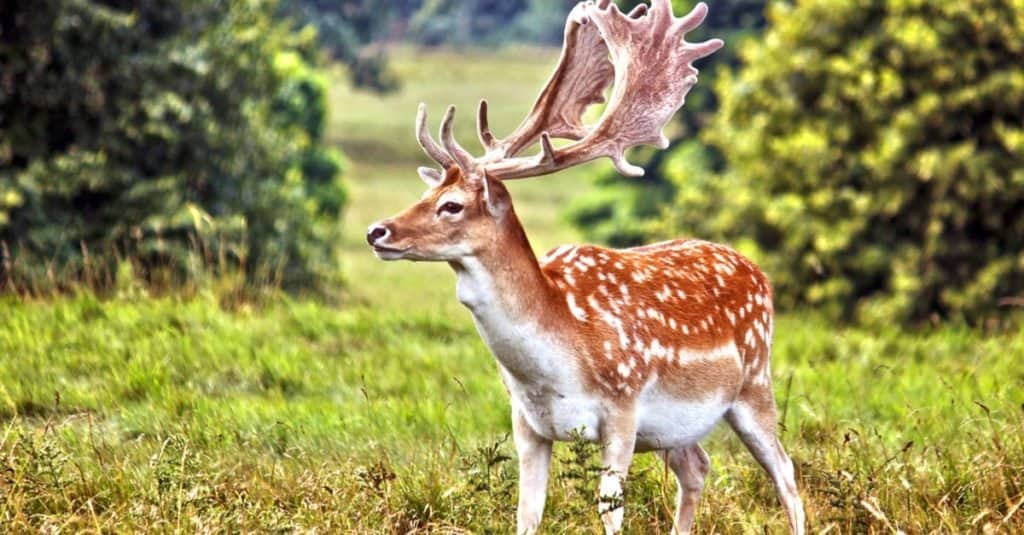
The real turning point in the fallow deer’s worldwide expansion came with the Age of Exploration. Beginning in the 15th century, European nations such as Spain, Portugal, England, and France sent explorers, settlers, and colonists to new lands. Wherever Europeans went, they brought with them plants and animals that were familiar and useful — livestock, crops, and game species. Fallow deer were part of this biotic exchange.
In North America, fallow deer were introduced to multiple regions by European settlers. While native deer species like the white‑tailed deer and mule deer were already present, fallow deer found niches in estates, parks, and forested areas near settlements. In some places, they intermingled with local wildlife; in others, they established semi‑managed populations that expanded beyond their initial ranges.
Similarly, in Australia and New Zealand, fallow deer were introduced during colonial settlement. Europeans saw the deer as game animals and ornamental species for estates. Some animals escaped captivity, while others were deliberately released into wild landscapes where they faced few natural predators. The result was the establishment of thriving feral populations.
Biological Advantages and Adaptability
One might ask: why were fallow deer able to establish populations so effectively once introduced? The answer lies partly in their biological flexibility.
First, fallow deer are generalist feeders. Unlike some species that rely on specific plants, fallow deer can eat a wide range of vegetation. This means they can survive in different ecosystems, from temperate forests to Mediterranean shrublands. They can switch between grazing and browsing depending on food availability.
Second, fallow deer breed relatively efficiently. Females typically produce one fawn per year, but under favorable conditions, twins are common. Their reproductive strategy balances survival and growth, allowing populations to expand without exhausting resources too quickly.
Third, fallow deer are social animals that form herds. Herd living enhances their ability to detect predators, find food, and navigate changing environmental conditions. In landscapes where predation pressure from large carnivores is low — such as parts of Europe, the Americas, and Australasia — fallow deer populations can grow rapidly.
Finally, fallow deer are relatively tolerant of human‑modified landscapes. Unlike many wild species that retreat from agricultural fields or urban areas, fallow deer often adapt to these environments. They use hedgerows, pastures, parklands, and even suburban green spaces. This tolerance has helped them survive and spread in densely populated regions.
Ecological Impacts
While fallow deer have become widespread thanks to human assistance, their success has not been without ecological consequences. In some regions, their grazing habits have significantly altered plant communities. Fallow deer feed on seedlings, shrubs, and young trees, which can inhibit forest regeneration. In grasslands, heavy grazing can reduce biodiversity and favor certain plant species over others.
In Australia and New Zealand, where native flora evolved without large browsing mammals, fallow deer have caused notable changes in vegetation structure. Their feeding can suppress native plant growth and alter habitats used by native birds and insects. In parts of the United Kingdom, overabundant fallow deer populations have affected woodlands and contributed to declines in some plant species.
Fallow deer also compete with native herbivores in introduced ranges. While competition is complex and context‑dependent, there are documented cases of fallow deer competing with native deer species and other herbivores for food resources.
Because of these impacts, wildlife managers and ecologists often monitor fallow deer populations and consider management strategies to balance deer presence with ecosystem health. In some areas, controlled hunting, fencing, or translocation programs help keep populations in check.
Cultural and Economic Roles
Despite ecological concerns, fallow deer continue to hold cultural and economic importance in many places. In Europe, deer parks and estates that maintain fallow deer are part of heritage tourism, attracting visitors interested in wildlife and history. In parts of North America, fallow deer are valued in private game reserves and for regulated hunting.
Fallow deer venison is also a product in some regions. While not as widely harvested as venison from larger deer species, fallow deer meat is appreciated for its lean quality and flavor. Deer farming operations exist in countries like New Zealand and parts of Europe, where fallow deer are raised under managed conditions for meat and hides.
In art, literature, and symbolism, fallow deer continue to play roles that date back centuries. Their graceful form represents gentleness, beauty, and connection to woodlands. In many cultures, deer are featured in folklore, myths, and seasonal traditions.
Modern Distribution and Conservation Status
Today, fallow deer are found across Europe, the Americas, Australia, New Zealand, and parts of Asia and Africa. Their presence in so many regions illustrates how human movement and ecological adaptability have interacted over centuries.
In their native range, fallow deer are generally stable, and the species is not considered threatened on a global scale. However, local populations can face challenges from habitat loss, competition, and hunting pressure. Conservation efforts often focus on maintaining genetic diversity and ensuring sustainable population levels.
In introduced ranges, management focuses on balancing the species’ benefits — such as biodiversity appreciation and economic value — with minimization of negative ecological impacts.
Conclusion
The story of the fallow deer’s global spread is not just about a species expanding its range; it is also a story about humans and how we shape the natural world. From ancient Roman estates to medieval deer parks, from colonial landscapes to modern wildlife management, fallow deer have traveled alongside people. Their adaptability, social behavior, and flexibility in diet allowed them to thrive in diverse environments. Yet their success also raises important questions about ecological balance and human responsibility.
Understanding how fallow deer “took over” much of the world offers insight into broader themes of species movement, the consequences of human influence, and the delicate interplay between wildlife and ecosystems. As we look to the future, the fallow deer’s journey remains a powerful reminder of the lasting impact of human choices on the natural world.
Read Also: Keep your face towards the sunshine and shadows will fall behind you
Watch Also: https://www.youtube.com/@TravelsofTheWorld24





Leave a Reply