
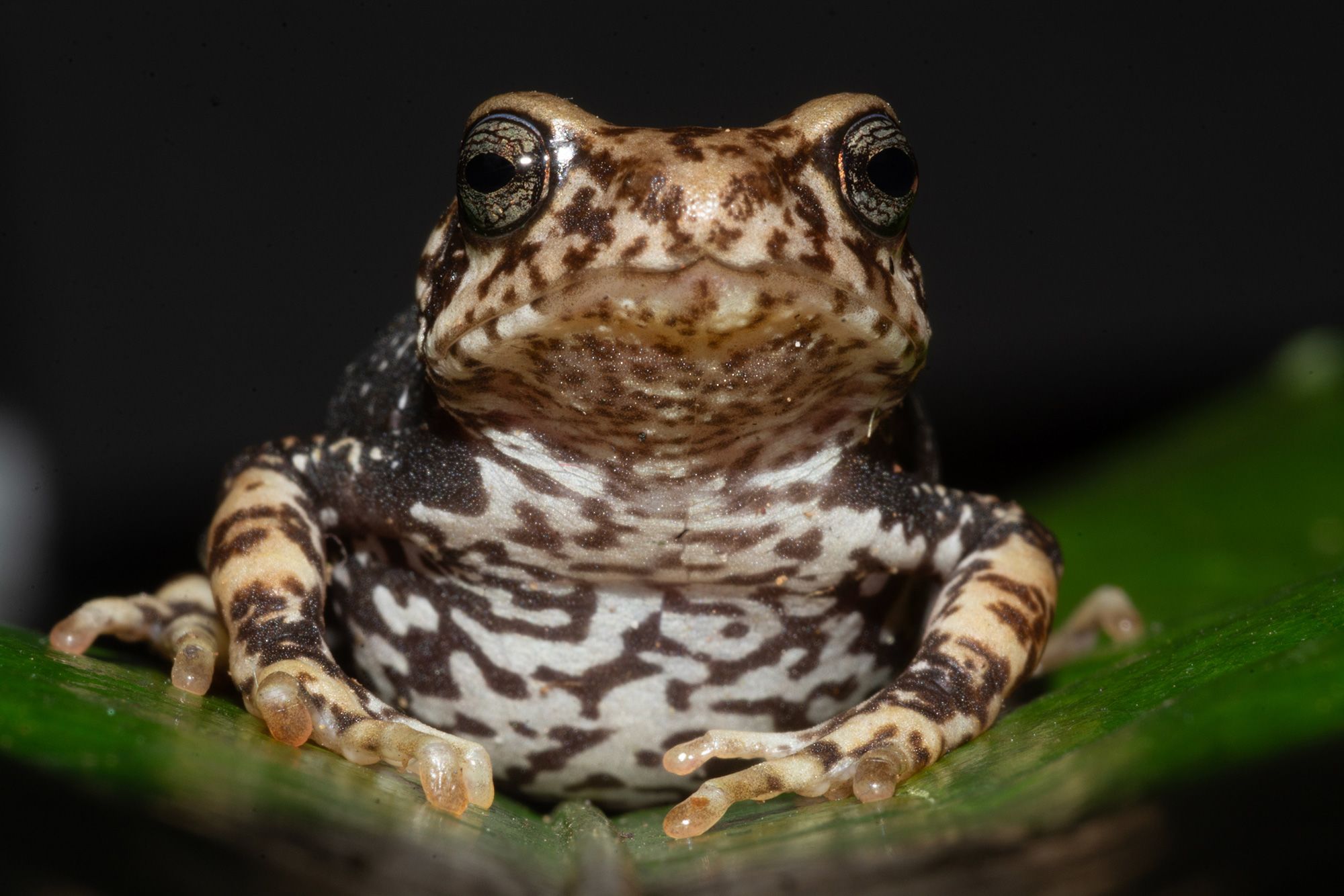
In a discovery that challenges long‑held ideas about amphibian life cycles, scientists have identified three new toad species from the forests of Tanzania that bypass the traditional tadpole stage and instead give birth to live, fully formed toadlets. This extraordinary reproductive strategy is exceptionally rare among frogs and toads and offers new insights into how evolution can produce diverse life histories even within a well‑studied animal group. The discovery highlights not only the complexity of amphibian biology but also the biodiversity hidden within some of the world’s most ecologically rich landscapes.
This essay examines the discovery itself, describes how these toads differ from typical amphibians, explains the evolutionary and ecological context of their reproductive mode, discusses the scientific techniques used, and explores why these findings matter for biology, evolution, and conservation.
Amphibian Life Cycles and the “Classic” Metamorphosis
To understand why this discovery is remarkable, it helps to first review how amphibians generally develop. Most frogs and toads begin life as eggs laid in water. The eggs hatch into tadpoles — aquatic larvae that breathe through gills and swim using tails. Over time, tadpoles undergo metamorphosis, growing legs, absorbing their tails, developing lungs, and transforming into air‑breathing adults that can live on land. This iconic life cycle — from egg to tadpole to adult — is familiar and deeply embedded in biology textbooks around the world.
In this traditional model, the larval stage is essential: it allows young amphibians to exploit water environments, feeding and growing before transitioning to terrestrial life. The process of metamorphosis itself, with its dramatic changes in body form, has fascinated scientists for centuries and continues to be a central example of developmental biology.
Yet nature is rarely constrained to a single pattern. Around the globe, diverse amphibians exhibit alternative reproductive strategies that deviate from this standard model — including direct development, egg brooding, and, in the rare cases described here, viviparity, where mothers give live birth.
The Discovery: Live‑Bearing Toads in Tanzania
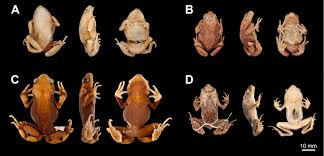
In November 2025, researchers announced the identification of three new toad species in the Eastern Arc Mountains of Tanzania that exhibit a unique reproductive strategy: females give birth to live young — miniature toadlets — instead of laying eggs that hatch into tadpoles.
These new species belong to the genus Nectophrynoides, a group of tree‑dwelling toads already known for its unusual life histories. Unlike most toads that release eggs into water bodies, these new species reproduce entirely on land. Their embryos develop inside the mother’s body after internal fertilization, and when they are ready, the mother gives birth to fully developed, tiny toadlets that are capable of independent life outside of water.
This reproductive mode is exceptionally rare among amphibians. Most frogs and toads — and indeed most animals in the class Amphibia — rely on external fertilization and a tadpole stage. The period spent as a free‑swimming larva allows individuals to exploit aquatic habitats and the resources available there. The fact that these toads completely bypass that larval phase underscores both the adaptability of amphibians to diverse environments and the ingenuity of evolutionary solutions to ecological challenges.
Scientists involved in the discovery, including herpetologists from the University of Copenhagen and partner institutions, used a combination of field observations, anatomical analysis, and DNA sequencing — including analysis of specimens preserved in natural history museums for over a century — to confirm that these are distinct species with a reproductive mode never before documented in this region.
How Live Birth Works in These Toads
Unlike standard amphibian reproduction, where eggs are laid and fertilized externally, the new Nectophrynoides species use internal fertilization. In this system:
-
Mating occurs when males and females copulate in trees or vegetation high above ground.
-
After internal fertilization, embryos develop inside the female’s body, nourished directly by yolk reserves and possibly through maternal tissues.
-
After a full gestational period, the female gives birth to fully formed toadlets — small, independent juveniles that resemble miniature adults and are ready to hop away into the forest floor or foliage.
This mode of reproduction is called viviparity (live birth), a strategy more common in mammals and certain reptiles, but extremely rare among amphibians. In fact, less than 1% of the nearly 8,000 known frog and toad species exhibit any form of live birth or direct development.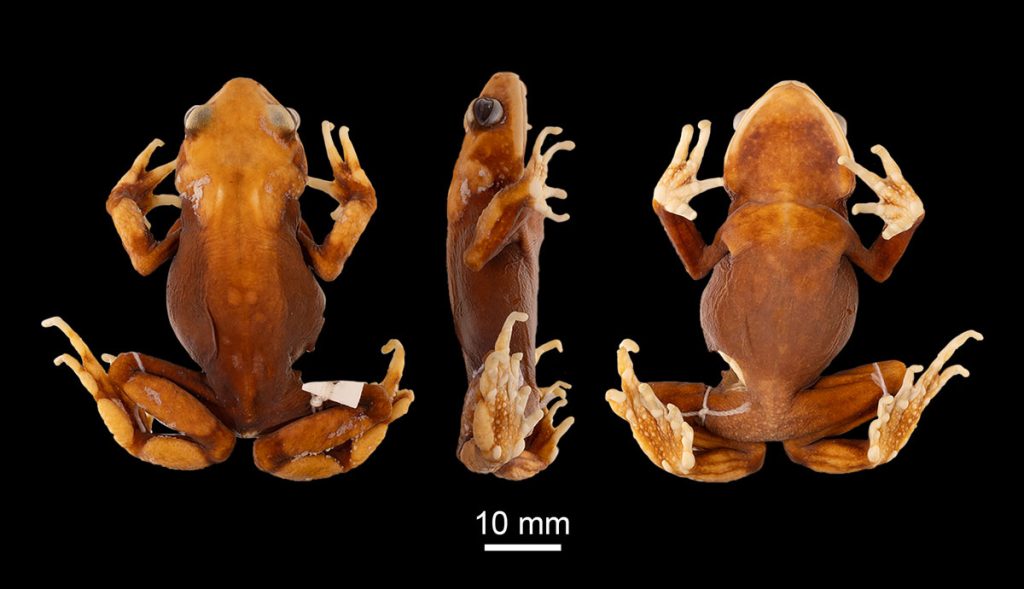
The advantages of this adaptation center on escaping dependency on water bodies. Aquatic larval stages are vulnerable to predators, fluctuating water availability, and environmental conditions. By evolving to develop completely on land, these toads can thrive in tree habitats and forest floors where standing water may be scarce or unpredictable. This strategy allows them to exploit ecological niches inaccessible to typical amphibians that require ponds, streams, or standing pools for reproduction.
Evolutionary Implications
The existence of live‑bearing toads adds to a growing body of evidence that amphibian reproductive strategies are far more diverse than previously thought. While the “egg → tadpole → adult” pathway is common, many amphibians deviate from this pattern. For example:
-
Some direct‑developing frogs hatch from eggs as miniature adults without a free‑swimming tadpole stage at all.
-
A few species, such as the Indonesian frog Limnonectes larvaepartus, give live birth to tadpoles rather than fully formed young — a different form of viviparity.
-
The newly described Nectophrynoides species take this even further, producing toadlets directly.
These variations highlight how evolution can reshape fundamental life history traits in response to environmental pressures. In places where water is limited or sudden changes can wipe out aquatic habitats, evolving a reproductive mode independent of water can be a major survival advantage.
Scientists also believe that such dramatic shifts in reproductive strategy may be linked to ecological factors like predation pressure, climate variability, and habitat structure. In the dense, moist forests of the Eastern Arc Mountains — one of Africa’s most ancient and biologically diverse ecosystems — tree‑dwelling toads likely encountered conditions where skipping the aquatic tadpole phase offered greater reproductive success.
How Scientists Discovered These Species
The path to discovering these live‑bearing toads was a blend of modern genetic tools and traditional specimen research. Researchers examined hundreds of preserved toad specimens stored in museums, some collected more than 120 years ago. They extracted DNA from preserved tissues using techniques collectively known as museomics, allowing them to link old specimens with modern populations and uncover hidden genetic diversity.
This approach has revolutionized how scientists classify biodiversity. Many species once lumped together based solely on morphological (physical) similarities have now been revealed as distinct when viewed through the lens of DNA data. In the case of Nectophrynoides, an older specimen in a German museum — first collected in the early 20th century — provided key genetic clues that led to the identification of new species and confirmed that their reproductive mode was not a rare anomaly but a feature of multiple related species.
By integrating field research, morphological study, and genetic analysis, scientists developed a clearer understanding of how these toads differ from previously known species — both in form and in life history. This comprehensive method is now a cornerstone of modern taxonomy and biodiversity research.
Why This Discovery Matters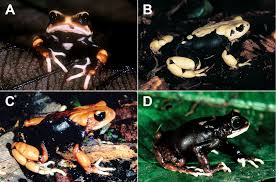
The discovery of live‑bearing toads that give birth to fully developed toadlets has many important implications:
-
Challenges Traditional Life Cycle Models: This finding expands our understanding of amphibian developmental biology and shows that the “classic” life cycle is not universal.
-
Highlights Hidden Biodiversity: Many regions, especially ancient forest systems like the Eastern Arc Mountains, may harbor undiscovered species with unique traits.
-
Evolutionary Insight: The reproductive adaptations seen in these new toads provide valuable case studies of how evolutionary pressures shape life history strategies over time.
-
Conservation Importance: Understanding the biology and ecology of these species is essential for developing conservation plans, especially as amphibians are among the world’s most threatened animals due to habitat loss, climate change, and disease.
Amphibians globally are declining at an alarming rate, with more than a third of all known species at risk of extinction. Preserving species with unusual reproductive strategies like Nectophrynoides is crucial for maintaining global biodiversity and ecological balance.
Conservation Challenges and Opportunities
Despite their fascinating biology, these newly discovered toads face serious conservation threats. The Eastern Arc Mountains — where they live — are an ancient mountain chain renowned for endemic species, but also vulnerable to deforestation, climate change, and habitat fragmentation. Conservationists warn that unique species with restricted ranges, like these live‑bearing toads, are at higher risk because they cannot easily relocate or adapt to rapid environmental changes.
Efforts to protect these toads will require conserving their forest habitat, preventing further degradation, and potentially establishing breeding programs that can support population resilience. Further research is also needed to understand their ecology, reproductive habits in the wild, and how environmental stressors may impact their survival.
Conclusion
The discovery of three new toad species in Tanzania that give birth to live young instead of going through a tadpole stage is a breakthrough in amphibian biology. These animals remind us that the natural world still holds remarkable surprises and that life can evolve in extraordinary ways when faced with unique ecological pressures.
Beyond broadening our knowledge of amphibian reproductive diversity, the finding emphasizes the importance of conserving biodiverse ecosystems where such evolutionary innovations arise. As amphibians worldwide confront mounting threats, each new species — especially one with a reproductive mode as rare as viviparity — becomes a symbol of nature’s resilience and vulnerability alike.
Read Also: Keep your face towards the sunshine and shadows will fall behind you
Watch Also: https://www.youtube.com/@TravelsofTheWorld24







Leave a Reply