
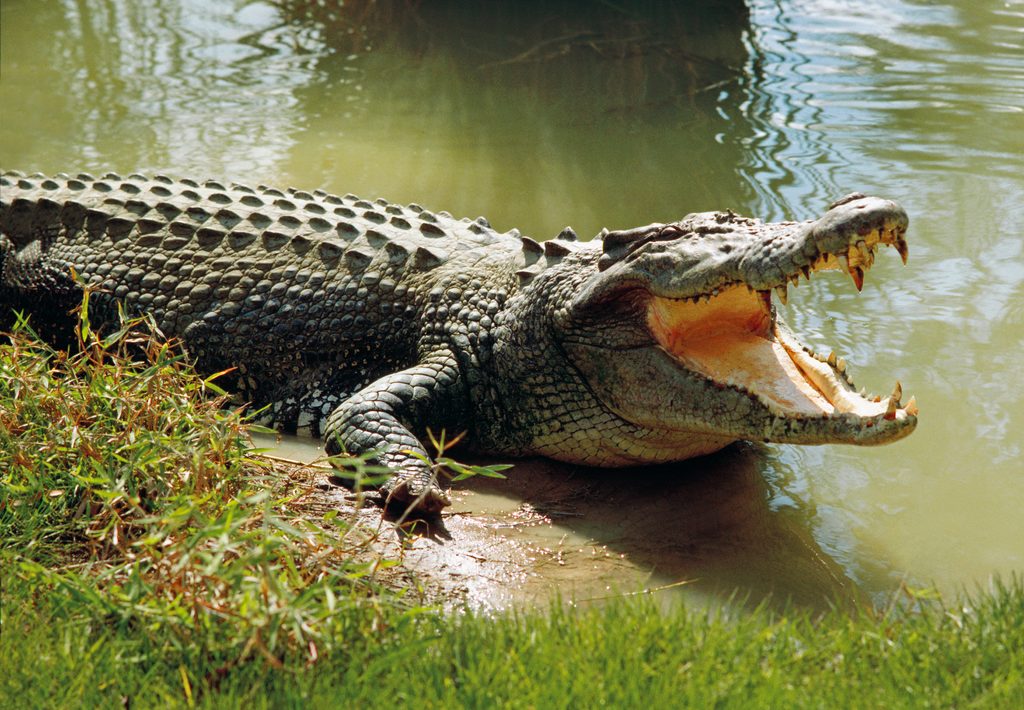
Cassius, the world’s largest living crocodile, captured the hearts and imaginations of people around the globe for decades. Residing in captivity in northern Australia, this massive saltwater crocodile was known not only for his incredible size—measuring over 5.5 meters (18 feet) long—but also for his longevity and calm demeanor that made him a local legend. However, the shocking news of his death revealed a surprising and tragic cause: a 40-year-old dormant infection that had erupted into sepsis. Recent necropsy findings have provided insight into how this seemingly indestructible predator finally succumbed to illness.
1. Who Was Cassius?
Cassius was officially recognized by the Guinness World Records as the largest crocodile in captivity. He was estimated to be around 120 years old, a lifespan that surpasses most of his species. Cassius spent his life at the Marineland Crocodile Park in Australia, where he became a star attraction for tourists and researchers alike.
Despite his enormous size and fearsome reputation, Cassius was largely calm and predictable, traits that endeared him to staff and visitors. Over the years, his health was closely monitored, making his sudden death all the more shocking.
2. The Cause of Death: Sepsis
Sepsis occurs when the body responds to an infection by releasing chemicals into the bloodstream that trigger widespread inflammation. This can lead to tissue damage, organ failure, and death if not treated promptly.
According to the necropsy (an animal autopsy), Cassius’s sepsis originated from an abscess, a pocket of pus caused by infection. What makes this case remarkable is that the infection appeared to have been dormant for around 40 years. It likely started as a minor injury or infection early in his life and remained hidden within his body for decades.
3. Understanding Dormant Infections in Crocodiles
Crocodiles, like other reptiles, have robust immune systems and can often survive injuries and infections that would be fatal to other animals. However, bacteria can sometimes remain hidden within the body, encapsulated in tissue to form an abscess.
In Cassius’s case, the infection may have been contained for decades without causing symptoms, a phenomenon that is rare but not unheard of in large reptiles. Over time, changes in his health, age, or immune function likely allowed the bacteria to spread, resulting in full-blown sepsis.
4. The Necropsy Findings
The necropsy revealed that the abscess had erupted, releasing bacteria into Cassius’s bloodstream. This triggered a systemic inflammatory response and ultimately led to organ failure.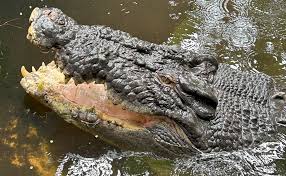
Veterinarians noted that Cassius’s other organs showed signs of strain consistent with advanced age, but the immediate cause of death was sepsis from the dormant infection. The findings provide crucial insights into how even the largest and strongest predators are vulnerable to microscopic threats.
5. Why This Case Is Unique
Cassius’s death highlights several extraordinary aspects:
-
Longevity: Living over a century, Cassius survived countless injuries and environmental challenges, making him one of the oldest known crocodiles.
-
Dormant Infection: A 40-year-old dormant infection is exceptionally rare in reptiles. Most abscesses either resolve naturally or cause symptoms that are treated long before they reach this stage.
-
Size and Resilience: Given his enormous size and general robustness, it’s remarkable that a single infection was enough to ultimately claim his life.
This combination of age, size, and the unusual nature of the infection makes Cassius’s case a valuable learning opportunity for veterinarians, biologists, and conservationists.
6. Implications for Reptile Health Care
Cassius’s death underscores the importance of regular health monitoring in captive reptiles, especially long-lived species. Even in animals that appear healthy, dormant infections can persist unnoticed.
Veterinarians recommend routine checkups, imaging, and sometimes blood work to detect hidden infections early. For large and aging reptiles like crocodiles, early intervention can be critical to prevent complications such as sepsis.
Additionally, this case may encourage more research into the long-term health of reptiles in captivity. Understanding how dormant infections persist and what triggers their sudden eruption could help improve care and extend the lifespans of other long-lived species.
https://youtu.be/L8TJbU8AqWQ?si=T2Gf6uEG-OL1kOpL
7. Cassius in the Context of Saltwater Crocodiles
Saltwater crocodiles are apex predators and are known for their resilience and adaptability. They inhabit rivers, estuaries, and coastal regions across Southeast Asia and northern Australia. In the wild, injuries and infections are common due to fights, hunting accidents, and harsh environmental conditions.
Despite these challenges, most crocodiles do not live as long as Cassius. His exceptional size and longevity made him an extraordinary case study in crocodile biology, showing that even the most formidable predators are not invincible.
8. Legacy and Public Impact
Cassius’s death was met with widespread mourning. Visitors who had grown up seeing him at Marineland Crocodile Park, as well as wildlife enthusiasts around the world, shared stories and memories of this giant predator.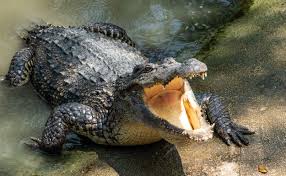
Beyond public interest, Cassius’s case provides valuable scientific insight into crocodile health and longevity. His life and death serve as a reminder of both the fragility and resilience of wildlife, and the importance of careful observation and care in captive environments.
9. The Science of Aging in Crocodiles
Crocodiles are among the longest-living reptiles, with some species reaching over 100 years under ideal conditions. Their slow metabolism, sturdy immune system, and tough physiology contribute to their longevity.
However, as Cassius’s necropsy reveals, aging animals are not immune to the effects of dormant infections. The case emphasizes that even the hardiest creatures are susceptible to diseases that may lie hidden for decades.
10. Conclusion
Cassius, the world’s largest living crocodile, died not from a violent injury or predation, but from the silent threat of a dormant infection that erupted into sepsis. His extraordinary size, longevity, and resilience made him an icon of the animal kingdom, but even he could not escape the hidden vulnerabilities that all living creatures face.
The necropsy findings highlight the importance of monitoring animal health over long lifespans and deepen our understanding of crocodile biology. Cassius’s legacy will endure not only in public memory but also in scientific knowledge, reminding us that even giants of the animal kingdom are shaped by both visible and invisible forces.
Read Also: Keep your face towards the sunshine and shadows will fall behind you
Watch Also: https://www.youtube.com/@TravelsofTheWorld24






Leave a Reply