
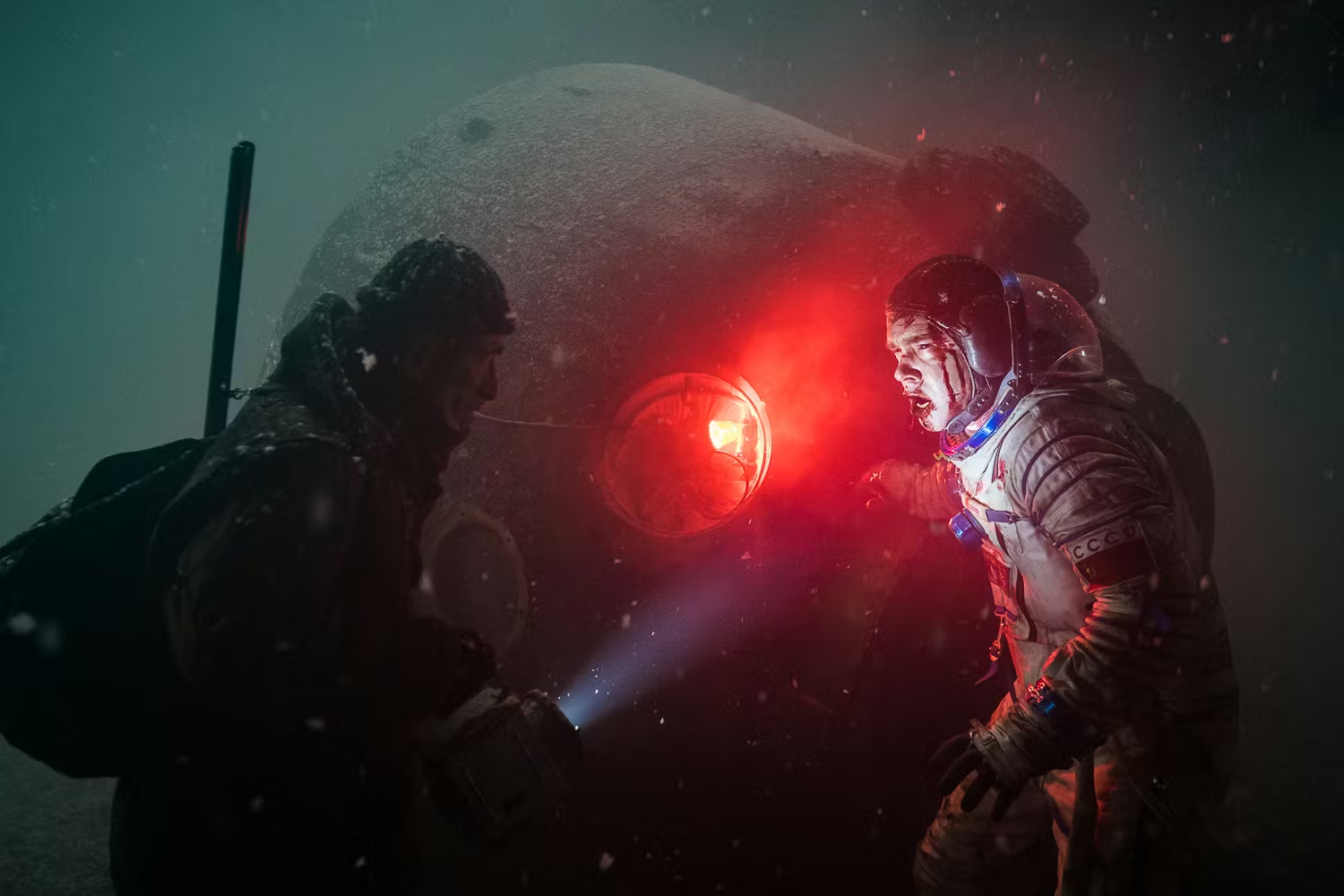
In the landscape of modern sci-fi horror, few films manage to balance psychological tension, body horror, and thought-provoking science fiction with as much finesse as Sputnik (2020). Directed by Egor Abramenko, this Russian sci-fi horror-thriller explores the terrifying implications of extraterrestrial life interacting with humanity in ways both intimate and profoundly unsettling.
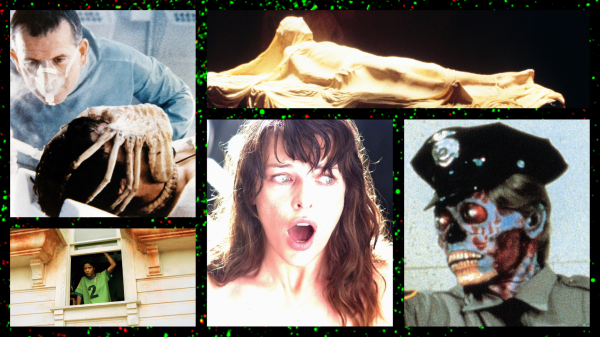
For fans of movies like Alien, The Thing, or Life, Sputnik offers a chilling, cerebral experience—one that lingers long after the credits roll.
The Premise: Isolation, Secrecy, and an Alien Inside
Sputnik opens during the height of the Cold War, with Soviet cosmonaut Konstantin returning from space in mysterious circumstances. After surviving a catastrophic mission, Konstantin comes back alive—but he is not alone. A parasitic alien organism has latched onto him, hiding within his body and controlling his actions at times.
The government, aware of the creature’s existence, quarantines Konstantin and places him under the observation of Tatiana, a young and brilliant doctor with experience in psychological and medical evaluations. She is tasked with understanding the nature of this entity—an alien intelligence capable of lethal manipulation—while grappling with the profound ethical and moral questions it raises.
The film’s premise blends classic sci-fi horror with a Cold War espionage thriller, adding layers of tension beyond the extraterrestrial threat itself.
Atmosphere and Cinematography: Cold, Claustrophobic, and Intimate
From the first frame, Sputnik establishes a tense and immersive atmosphere. Cinematographer Kirill Klepalov uses muted color palettes, low lighting, and claustrophobic interiors to evoke a sense of dread and unease.
The laboratory and quarantine settings feel both realistic and oppressive, amplifying the film’s psychological tension. Unlike many modern sci-fi films that rely on CGI spectacle, Sputnik emphasizes practical effects and grounded design, making the alien’s presence both terrifying and tangible.
Wide shots of snowy, desolate Soviet landscapes contrast with the tight, controlled interiors of the lab, reflecting the duality of isolation—the vastness of space and the confinement of human control.
Performance Highlights
Sputnik relies heavily on its actors to carry the tension, and both leads deliver exceptional performances:
-
Oksana Akinshina as Tatiana is calm, intelligent, and emotionally complex, balancing scientific rationality with moral empathy. Her performance anchors the film, providing a human lens through which we experience the horror.
-
Pyotr Fyodorov as Konstantin conveys a subtle mix of fear, pain, and involuntary alien control. His performance makes the parasitic relationship believable and terrifying.
The supporting cast, including government officials and scientists, enhance the sense of bureaucratic tension and ethical ambiguity. Every interaction feels consequential, heightening the stakes.
The Alien Design: Body Horror and Suspense
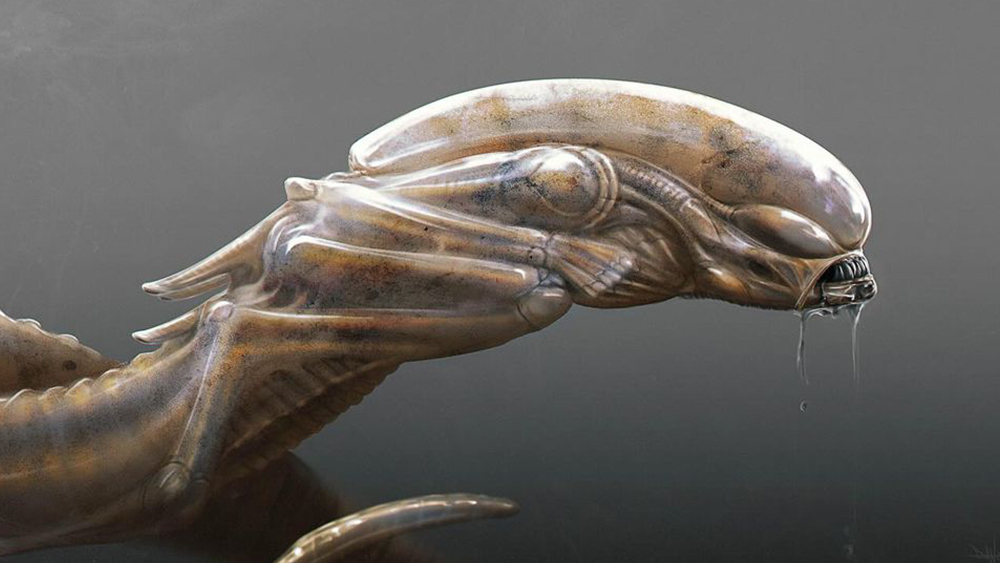
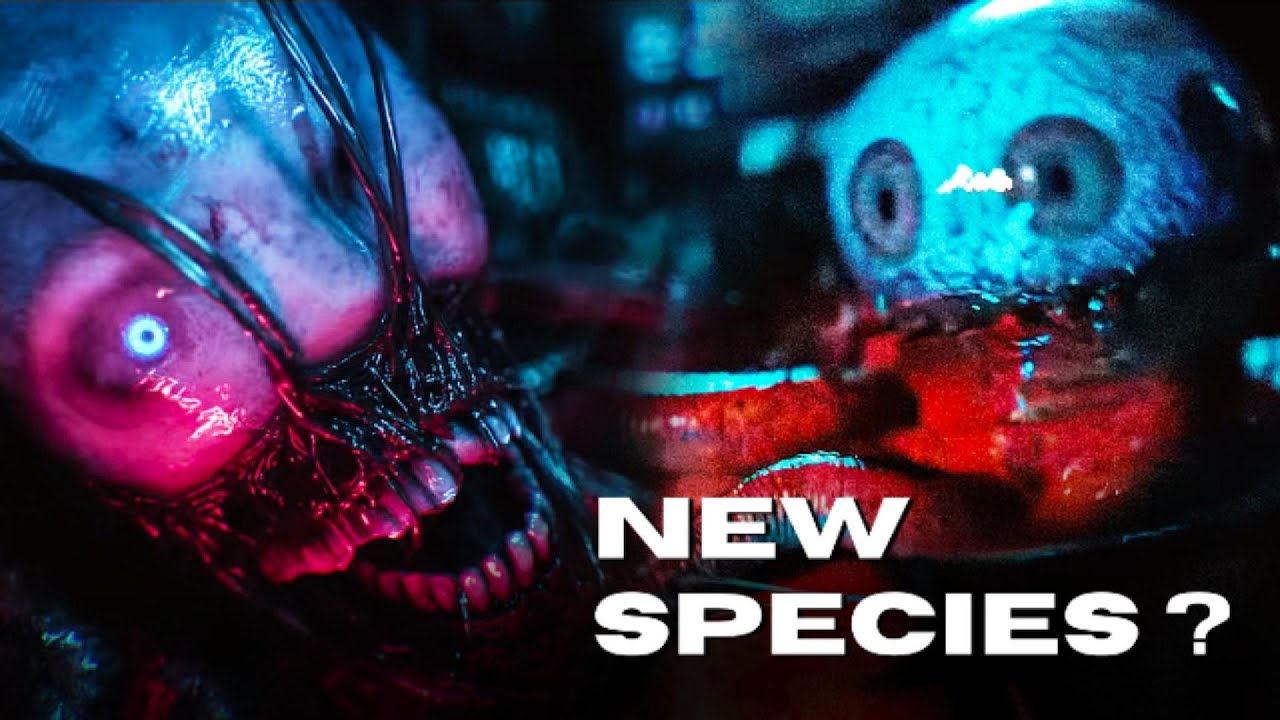
One of Sputnik’s greatest strengths is its alien design and portrayal. The parasitic creature is not a flamboyant monster but a biologically plausible entity that feeds, reacts, and moves in horrifying ways.
The film explores body horror elements—the alien’s presence inside Konstantin is not just physical but psychological, creating moments of tension that feel intimate and disturbing. Unlike CGI-heavy monsters, the creature’s appearance is practical, tactile, and believable, making its interactions with humans terrifyingly real.
Suspense is sustained through strategic reveals: the audience rarely sees the alien in full, increasing the horror through imagination and anticipation. This restraint mirrors classic horror principles and aligns with films like Alien and The Thing.
Themes and Philosophical Questions
Sputnik is more than a monster movie. Beneath the horror, the film explores existential and ethical questions:
-
The nature of consciousness: The alien is intelligent, sentient, and manipulative, challenging humans to confront life that is fundamentally “other.”
-
Human exploitation of unknown life forms: The government seeks to control and weaponize the alien, raising moral dilemmas about science and power.
-
Isolation and trauma: Konstantin’s parasitic bond symbolizes internal struggle, reflecting the broader human experience of alienation and fear of the unknown.
-
Cold War paranoia: The backdrop of Soviet secrecy amplifies mistrust and moral compromise, making the alien threat metaphorically reflect human political fear.
These layers give the film weight beyond visual scares, engaging the audience intellectually as well as emotionally.
Narrative Structure and Pacing
Sputnik unfolds deliberately, balancing slow-burn tension with sudden shocks. The first act establishes characters, environment, and the alien’s mysterious presence. The middle act increases psychological pressure as Tatiana investigates, uncovering the creature’s capabilities while questioning ethical limits. The climax delivers visceral horror, emotional intensity, and moral ambiguity, avoiding simple resolutions.
The pacing mirrors the experience of isolation: long, suspenseful stretches punctuated by moments of sudden, shocking action. For fans of atmospheric horror, this approach makes the alien threat feel inescapable and omnipresent.
Comparisons to Alien and Other Sci-Fi Horror
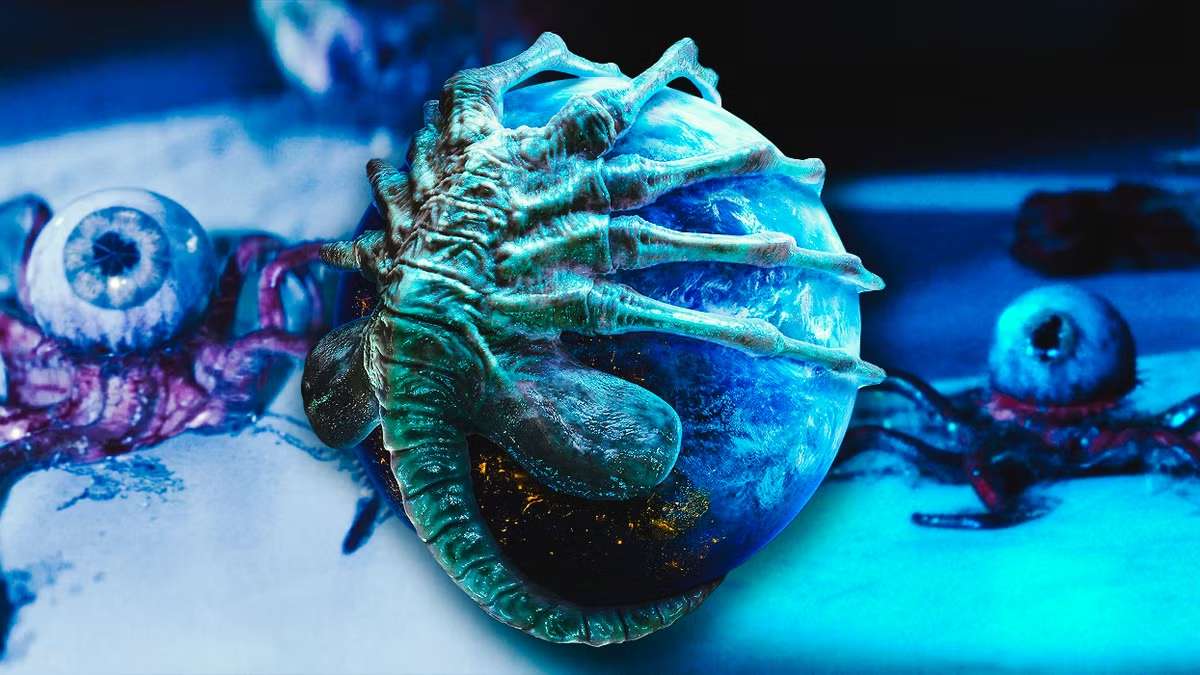
Fans of Alien will find much to admire in Sputnik:
-
Both films feature a human host interacting with a parasitic or alien entity.
-
The horror is rooted in claustrophobic environments and vulnerability rather than endless action.
-
Both explore psychological tension and survival ethics, not just creature terror.
-
Practical effects and lighting emphasize realism over spectacle.
Where Sputnik diverges is in its psychological depth and Cold War context, which adds historical and cultural texture absent from the primarily corporate space horror of Alien.
Read Also: Keep your face towards the sunshine and shadows will fall behind you
Sound Design and Score
The film’s sound design enhances its tension. Subtle background noises, mechanical hums, and alien sounds that are never fully explained create unease. Composer Ivan Sintsov provides a sparse, haunting score, emphasizing dread over melodrama.
Silence is used strategically, allowing suspense to build naturally. This aligns with the film’s overall restraint: fear emerges from atmosphere, uncertainty, and anticipation.
What Makes Sputnik Stand Out Today
Although released in 2020, Sputnik feels timeless for several reasons:
-
Restraint over spectacle: Focus on atmosphere, psychological tension, and practical effects.
-
Complex moral dilemmas: Raises questions about science, exploitation, and consciousness.
-
Strong performances: Talented actors anchor the story, making horror feel personal.
-
Cold War context: Adds political and historical tension, reflecting real-world fears.
-
Horror that respects intelligence: Audiences are treated as capable of engaging with moral and philosophical questions.
For fans of intelligent sci-fi horror, Sputnik offers an experience that is both viscerally thrilling and intellectually satisfying.
Audience and Accessibility
While Sputnik may not appeal to casual viewers seeking straightforward monster action, it is perfect for:
-
Fans of psychological horror and sci-fi fusion
-
Viewers who enjoyed Alien, The Thing, Life, or Event Horizon
-
Audiences interested in moral and philosophical exploration in horror
-
International cinema enthusiasts willing to watch subtitled films
Its slow-burn tension and morally complex narrative make it ideal for discussion-based viewing, film clubs, or streaming at home where viewers can absorb its details.
Final Thoughts
Sputnik is a lush, atmospheric horror-thriller that expertly balances body horror, psychological tension, and sci-fi speculation. With excellent performances, intelligent writing, and stunning practical effects, it is a rare example of modern science fiction horror that doesn’t rely on cheap scares or CGI spectacle.
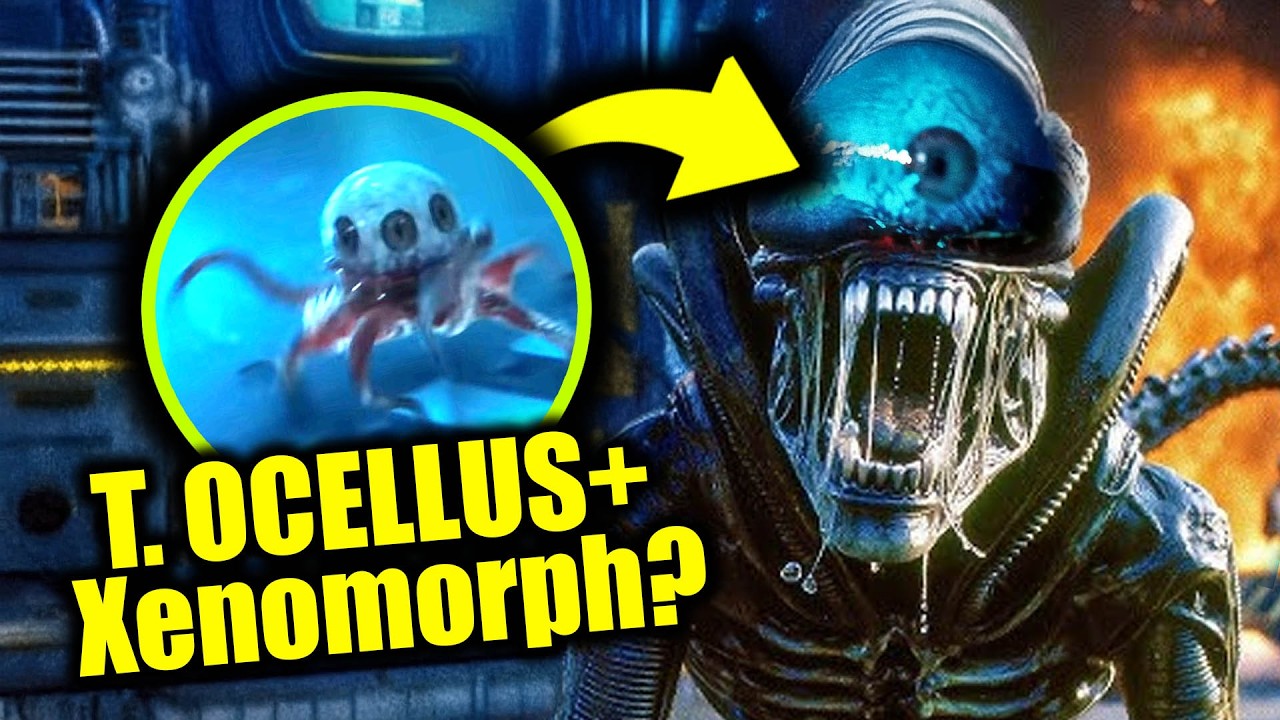
The alien is terrifying, the tension is palpable, and the Cold War-era setting adds depth to every moral choice. For anyone captivated by Alien: Romulus or searching for thoughtful, immersive horror that combines fear, intelligence, and emotion, Sputnik is a must-watch.
Watch Also: https://www.youtube.com/@TravelsofTheWorld24






Leave a Reply