
Fashion is more than just clothing—it’s a form of self-expression, a way to communicate your personality, mood, and values without saying a word. Deciding your fashion style is not about following trends blindly; it’s about discovering what makes you feel confident, comfortable, and authentically yourself. From minimalism to boho chic, edgy streetwear to elegant classics, every fashion style tells a story. In this article, we’ll explore how to identify, define, and embrace your unique fashion style, offering practical tips and guidance to help you dress with confidence.
Why Understanding Your Fashion Style Matters
Before diving into different fashion styles, it’s important to understand why knowing your style is essential:
-
Saves Time and Energy – Knowing your style makes shopping easier because you can focus on pieces that truly fit your aesthetic.
-
Boosts Confidence – When you dress in a way that aligns with your personality, it enhances your self-esteem.
-
Reflects Your Identity – Clothing is a visual representation of who you are, your values, and your creativity.
-
Reduces Impulsive Purchases – Understanding your style prevents buying items that never get worn.
-
Creates a Cohesive Wardrobe – When you know your style, your pieces mix and match effortlessly.
Step 1: Self-Reflection – Who Are You?
The first step in deciding your fashion style is self-reflection. Ask yourself:
-
What colors make me feel confident and happy?
-
Do I prefer comfort over bold statements, or do I enjoy standing out?
-
Which outfits have made me feel my best in the past?
-
What is my lifestyle and daily routine?
-
Which celebrities, influencers, or fashion icons inspire me?
Answering these questions helps you understand your preferences and needs, which is the foundation of your personal style.
Step 2: Explore Different Fashion Styles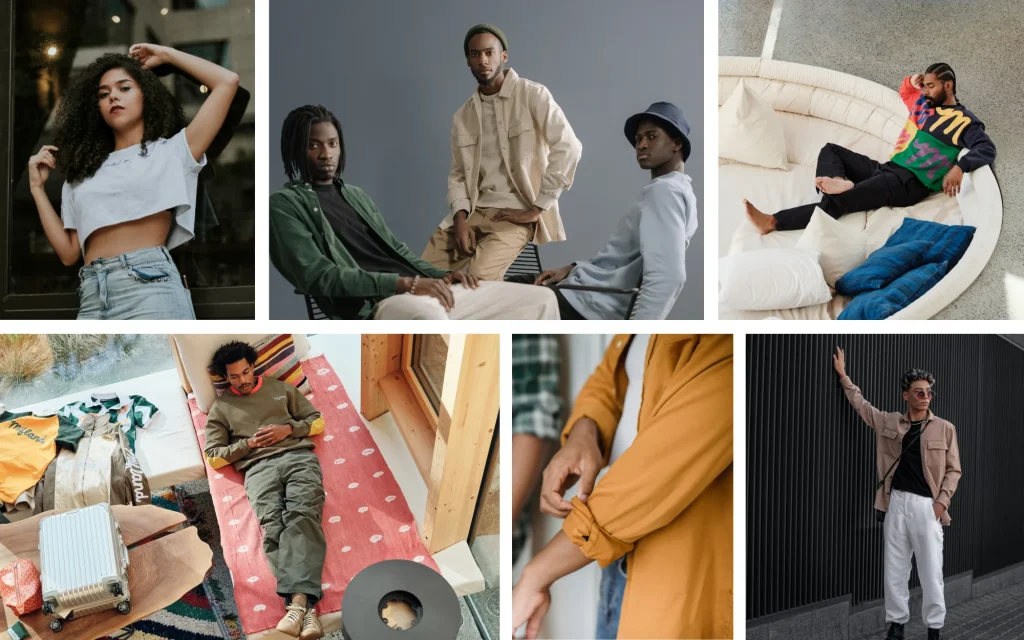
Fashion has countless styles, and exploring them helps you identify what resonates with you. Here are some popular styles to consider:
1. Minimalist Style
-
Characteristics: Neutral colors, clean lines, simple silhouettes, timeless pieces.
-
Ideal For: Those who value simplicity, organization, and timeless elegance.
-
Wardrobe Staples: White button-down shirts, tailored trousers, classic blazers, sleek dresses.
2. Bohemian (Boho) Style
-
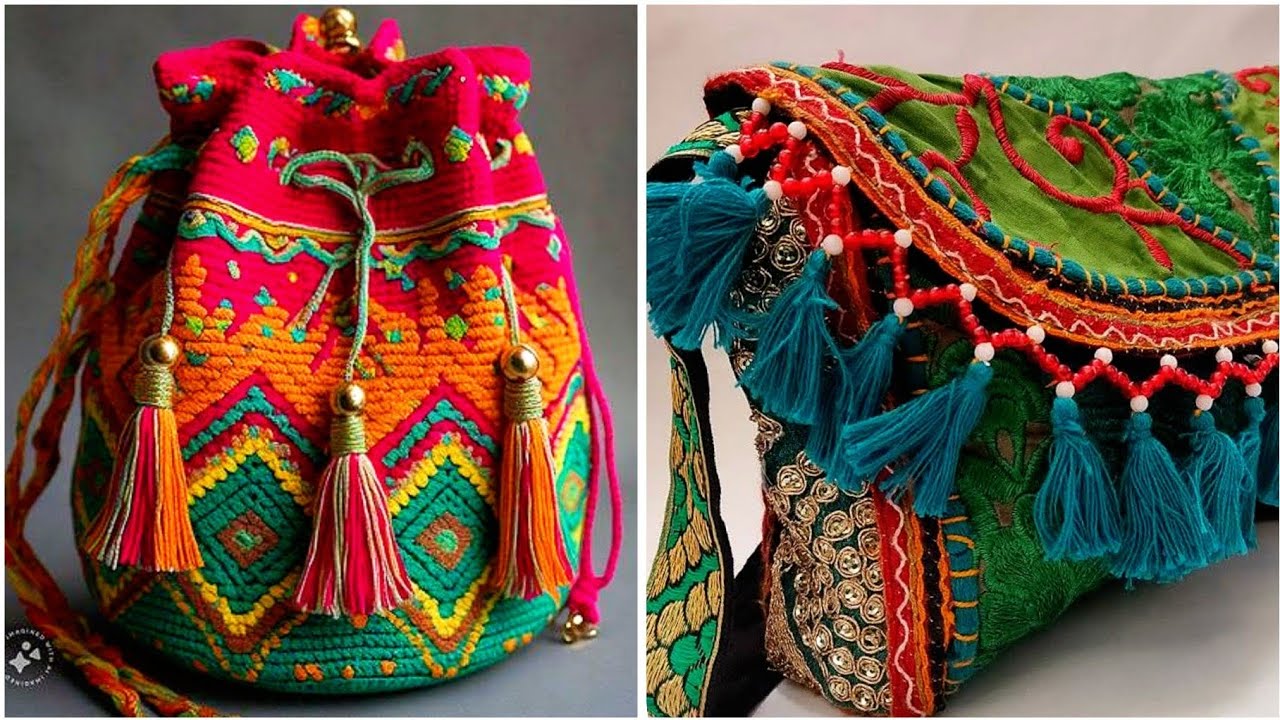
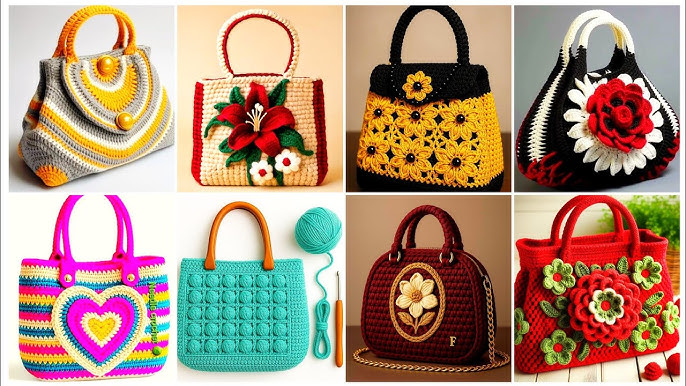
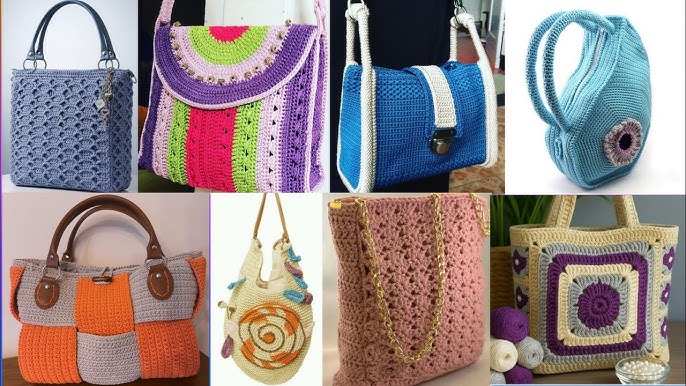
Characteristics: Flowy fabrics, earthy tones, ethnic patterns, fringe, tassels, crochet.
-
Ideal For: Free-spirited individuals who love artistic, relaxed, and nature-inspired looks.
-
Wardrobe Staples: Maxi dresses, wide-leg pants, crochet tops, fringe bags, layered jewelry.
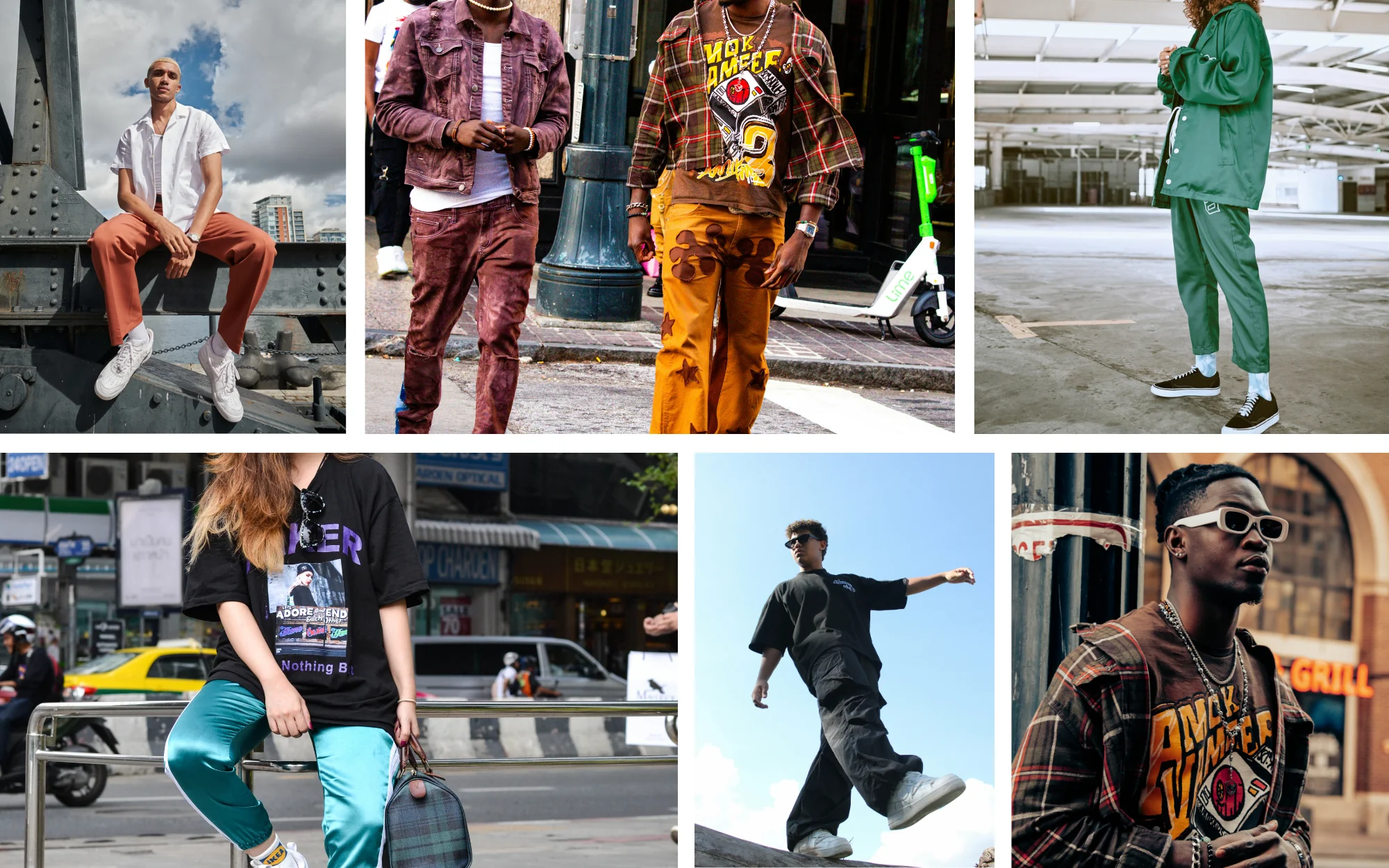
3. Edgy / Street Style
-
Characteristics: Leather jackets, ripped jeans, bold prints, oversized silhouettes.
-
Ideal For: Trendsetters and confident personalities who enjoy experimenting with bold, urban looks.
-
Wardrobe Staples: Graphic tees, combat boots, statement jackets, oversized hoodies.
4. Classic / Elegant Style
-
Characteristics: Timeless pieces, neutral colors, structured silhouettes, sophisticated looks.
-
Ideal For: Those who prefer refined, polished, and professional outfits.
-
Wardrobe Staples: Blazers, pencil skirts, tailored coats, little black dresses, heels.
5. Romantic / Feminine Style
-
Characteristics: Soft colors, floral patterns, lace, ruffles, delicate fabrics.
-
Ideal For: Individuals who love elegance, softness, and romantic touches in their wardrobe.
-
Wardrobe Staples: Flowing dresses, pastel blouses, skirts with pleats, delicate accessories.
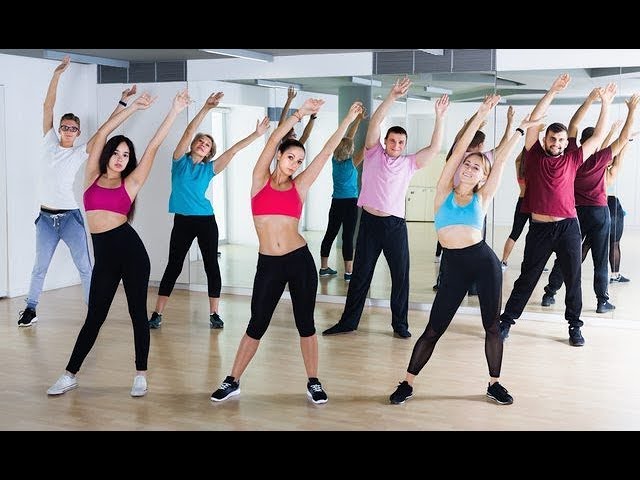
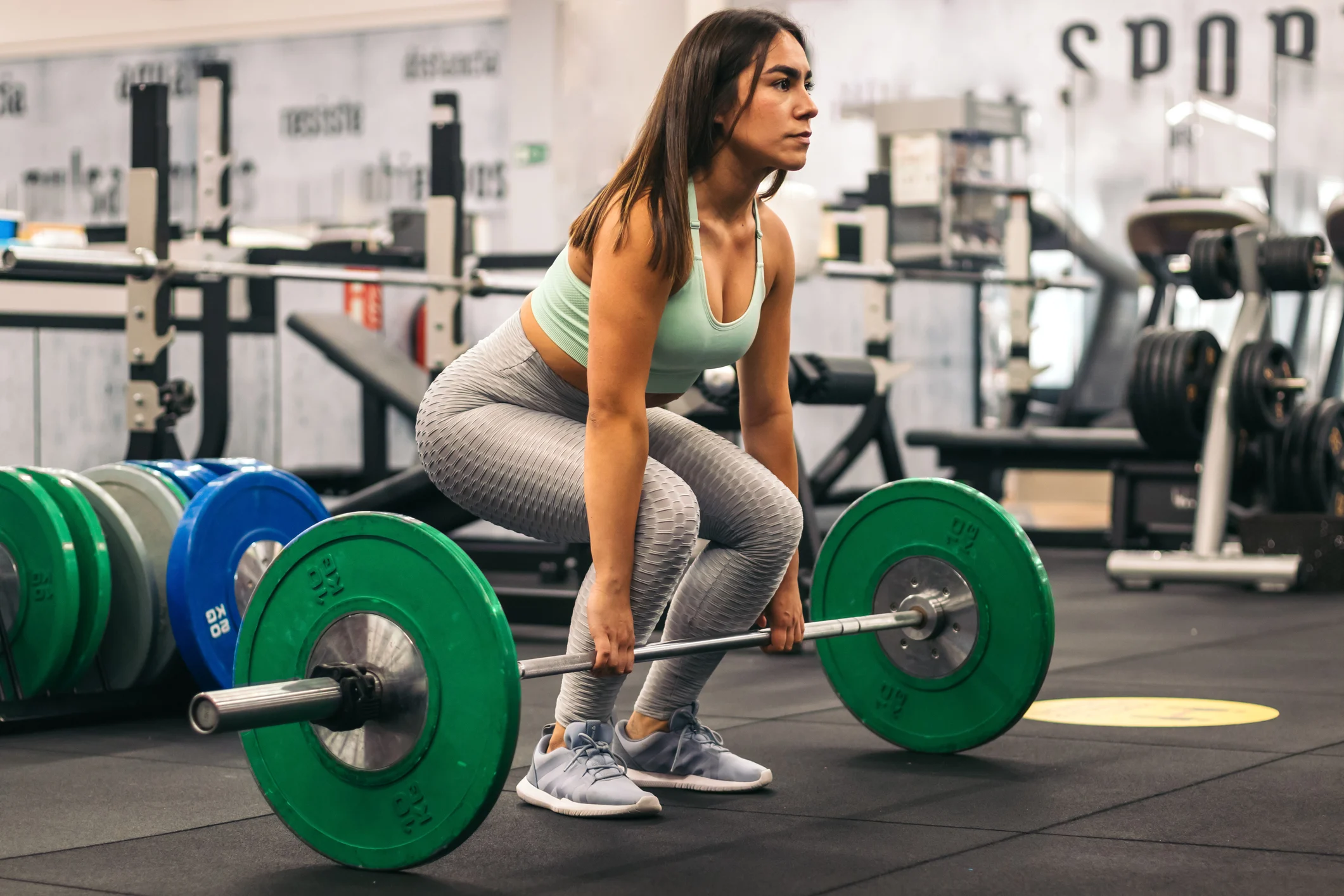
6. Athleisure / Sporty Style
-
Characteristics: Comfortable, functional, and stylish sportswear.
-
Ideal For: Active individuals who value comfort without sacrificing style.
-
Wardrobe Staples: Joggers, leggings, crop tops, hoodies, sneakers.
7. Eclectic / Experimental Style
-
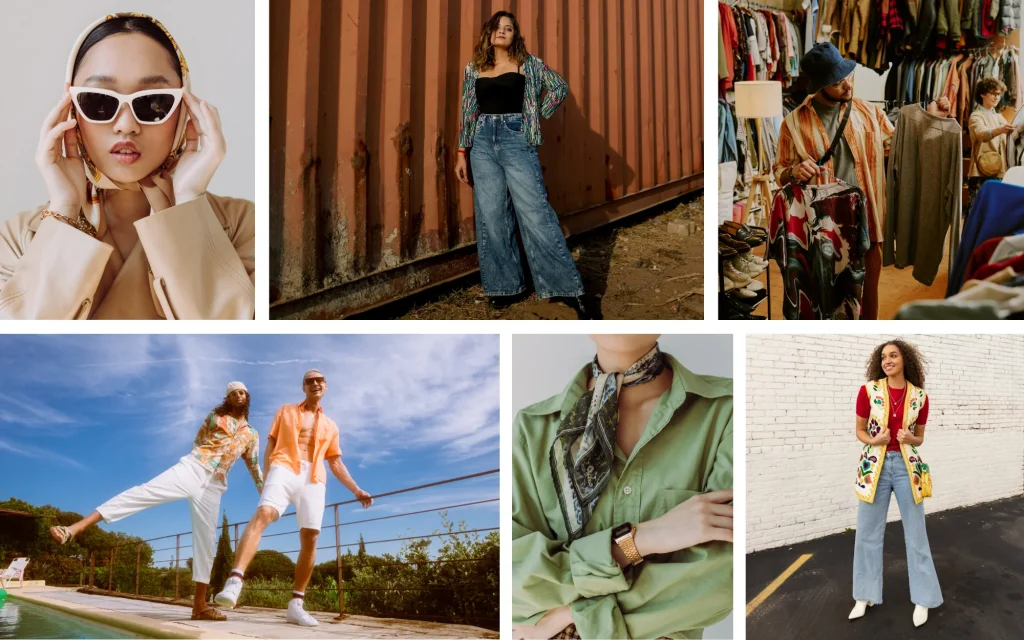
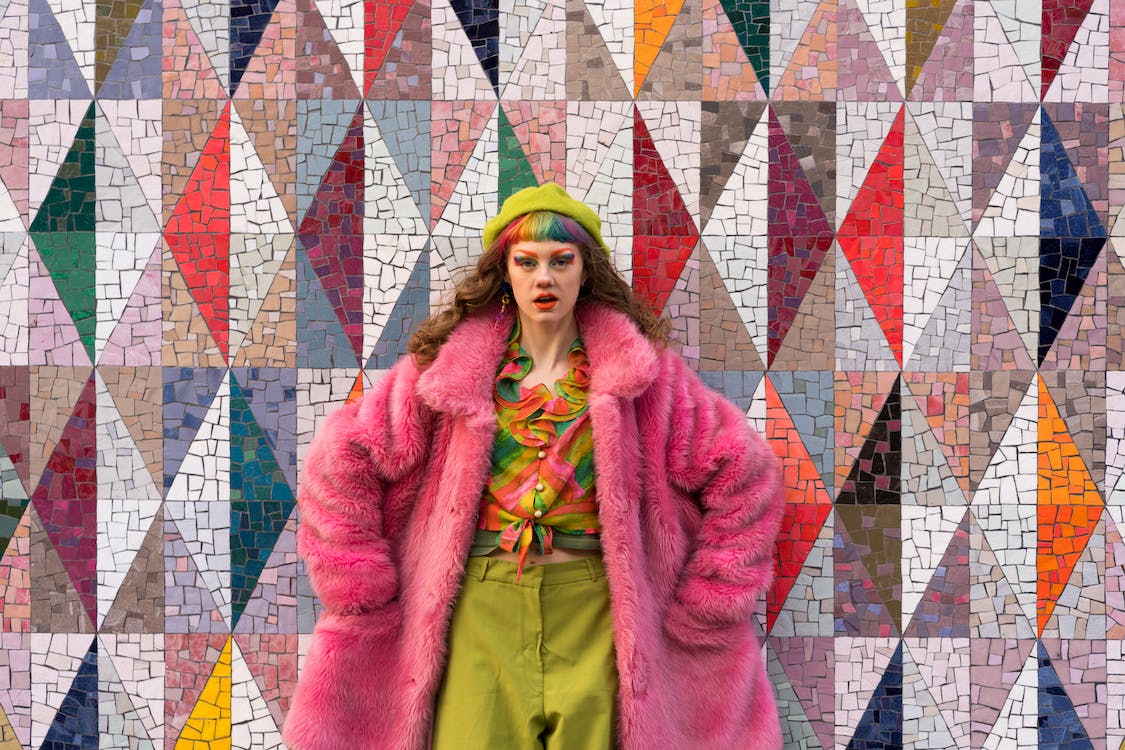
Characteristics: Mix-and-match patterns, bold colors, unique accessories.
-
Ideal For: Creative personalities who enjoy breaking fashion rules and making bold statements.
-
Wardrobe Staples: Vintage pieces, statement jewelry, unconventional layering, mismatched prints.
Step 3: Find Inspiration
To define your style, seek inspiration from multiple sources:
-
Fashion Magazines & Blogs – Look for editorials and street style articles that resonate with you.
-
Social Media – Instagram, Pinterest, and TikTok are goldmines for fashion inspiration.
-
Celebrities & Influencers – Observe how they mix pieces, accessorize, and adapt trends.
-
Art & Culture – Sometimes a painting, film, or music video can inspire your wardrobe choices.
-
Your Environment – Take cues from your city, weather, and social circle.
Create a mood board or Pinterest board with outfits, colors, and textures you love. Over time, patterns will emerge, revealing your natural preferences.
Step 4: Assess Your Body Shape & Comfort
Fashion is not only about aesthetics; it’s also about fit and comfort. Knowing your body shape helps you select pieces that flatter your figure:
-
Pear Shape: Emphasize your upper body with statement tops and A-line skirts.
-
Apple Shape: Highlight your legs and create a defined waist with belts and structured jackets.
-
Rectangle Shape: Add curves with peplum tops, ruffled dresses, and layered clothing.
-
Hourglass Shape: Opt for fitted dresses and high-waist pants to accentuate proportions.
Comfort is equally important. Even the most stylish outfit will look awkward if it doesn’t feel good to wear.
Step 5: Experiment and Evolve
Your style is not static. Fashion is about exploration and evolution:
-
Mix Different Styles: Don’t be afraid to combine minimalism with boho or classic with edgy elements.
-
Try New Trends: Occasionally incorporate current trends to keep your wardrobe fresh.
-
Rotate Seasonal Pieces: Update your style with changing seasons without losing your core aesthetic.
-
Document Your Outfits: Take photos or keep a style journal to see what works best.
The key is to stay authentic while experimenting, allowing your fashion style to evolve naturally.
Read Also: 2026 Nissan Kicks | Affordable, Safe, and City-Friendly SUV
Step 6: Wardrobe Essentials for Every Style
Regardless of your chosen fashion style, certain wardrobe essentials provide a foundation:
-
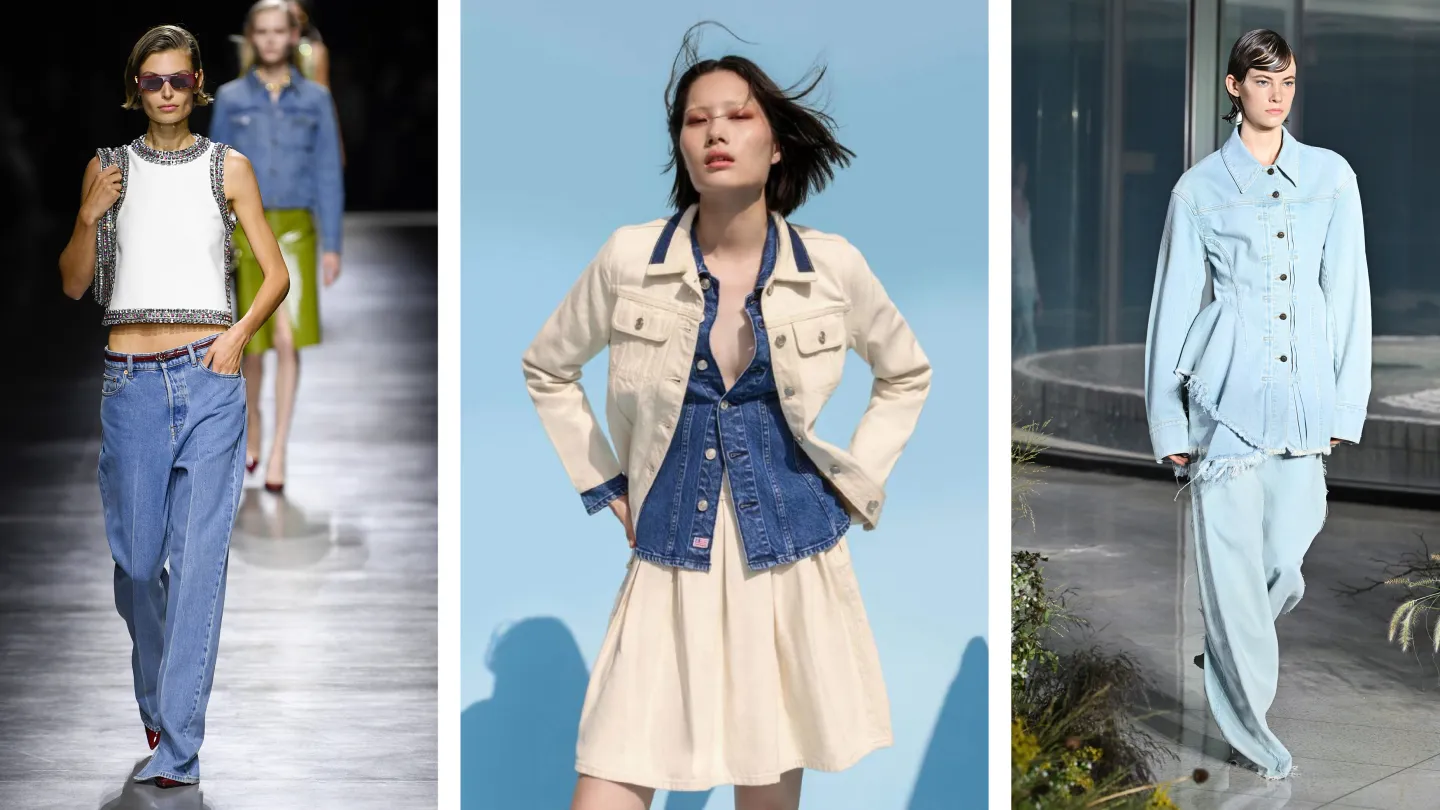
Neutral Basics: White shirts, black pants, denim jackets, plain tees.
-
Statement Pieces: Bold jackets, colorful skirts, unique handbags.
-
Quality Shoes: Comfortable sneakers, heels, boots, or flats depending on lifestyle.
-
Accessories: Scarves, belts, hats, and jewelry can transform simple outfits.
-
Outerwear: Blazers, coats, or jackets that complement multiple looks.
Having these staples ensures versatility, making it easier to combine items to fit your style.
Step 7: Express Yourself Through Accessories
Accessories are powerful tools to define your fashion style. Here’s how different styles approach them:
-
Minimalist: Sleek watches, simple necklaces, clean handbags.
-
Boho: Beaded necklaces, fringe bags, layered bracelets, wide hats.
-
Edgy: Studded belts, bold earrings, statement boots, leather bags.
-
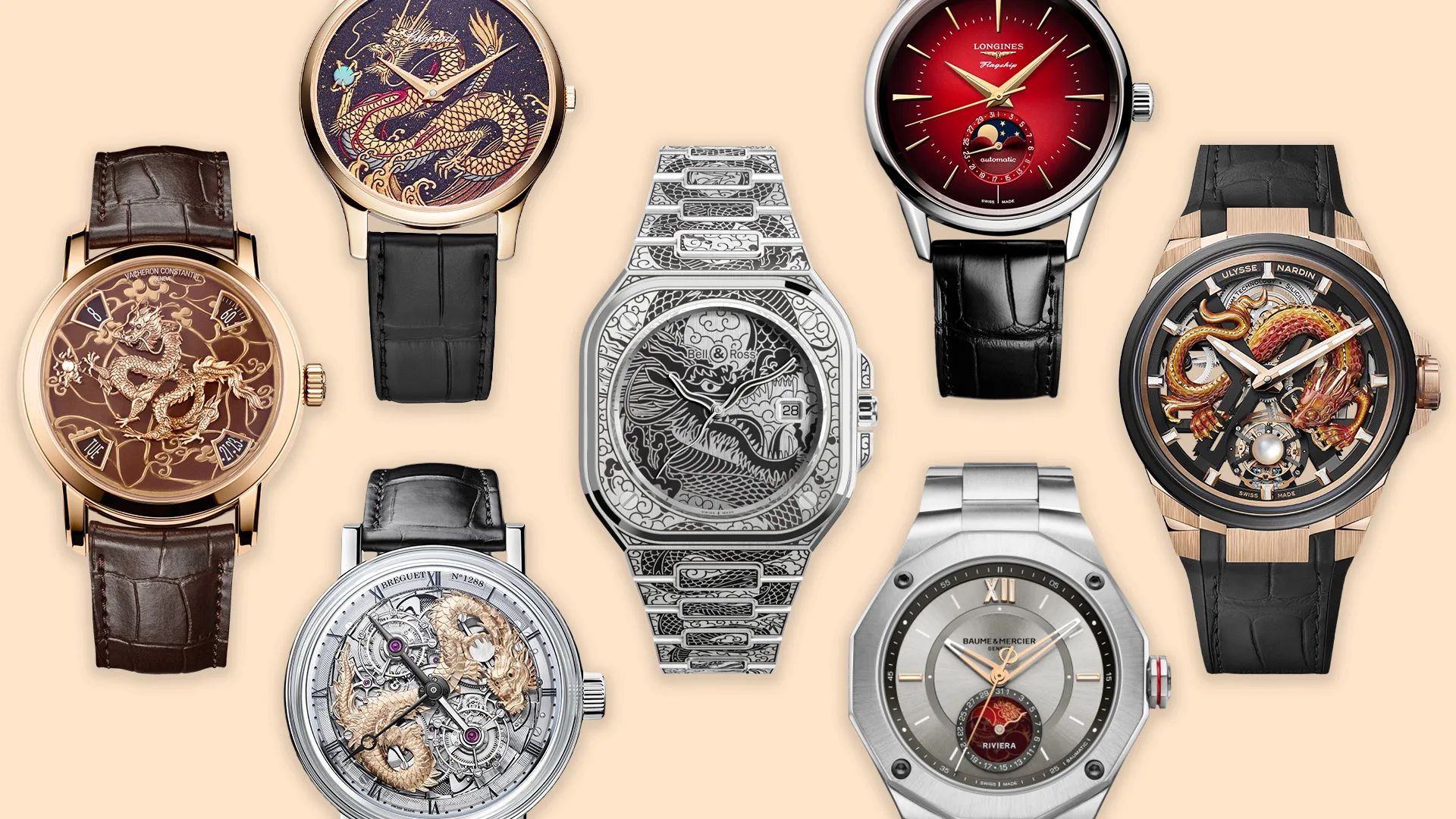
Classic: Pearl earrings, structured handbags, silk scarves, elegant watches.
-
Athleisure: Functional backpacks, caps, sporty watches.
-
Eclectic: Colorful bags, mismatched earrings, quirky jewelry.
Accessories allow you to personalize your outfit without committing to major wardrobe changes.
Step 8: Sustainability and Conscious Fashion
Modern fashion also involves making ethical choices. Deciding your style can include considering:
-
Eco-Friendly Materials: Organic cotton, recycled fabrics, sustainable leather.
-
Supporting Local Artisans: Buying handmade or local products.
-
Quality over Quantity: Investing in durable pieces rather than fast fashion.
-
Versatile Wardrobe: Choosing timeless items that mix and match reduces waste.
Sustainability adds meaning and responsibility to your fashion choices.
Step 9: Confidence is Key
Ultimately, fashion style is about how you feel. The most stylish person in the world can look awkward if they don’t feel comfortable in their clothing. Confidence is expressed through:
-
Posture and body language
-
Comfort in your outfit choices
-
Ability to wear bold colors or patterns fearlessly
-
Making personal choices rather than copying trends
When you dress in a way that reflects your personality and values, your style naturally shines.
Step 10: Embrace Change and Evolution
Your fashion style can change over time based on lifestyle, experiences, or inspiration. A college student may prefer casual minimalism, while a professional may lean towards classic elegance. Travel, cultural experiences, or creative experimentation can also influence your style.
Remember: Fashion is fluid, and the best style is one that grows with you.
Final Thoughts
Deciding your fashion style is a journey of self-discovery and creativity. It combines understanding your personality, exploring different aesthetics, embracing your body shape, experimenting with trends, and expressing yourself through accessories.
Whether you identify as minimalist, bohemian, edgy, classic, romantic, sporty, or eclectic, the key is authenticity. Fashion is not about pleasing others—it’s about creating a wardrobe that reflects who you are. By reflecting, exploring, experimenting, and embracing change, you can confidently define a style that is uniquely yours.
In 2026, fashion is all about personal expression, sustainability, and creativity. Your style is your story—tell it proudly, confidently, and colorfully.
Watch Also: https://www.youtube.com/@TravelsofTheWorld24

Leave a Reply