
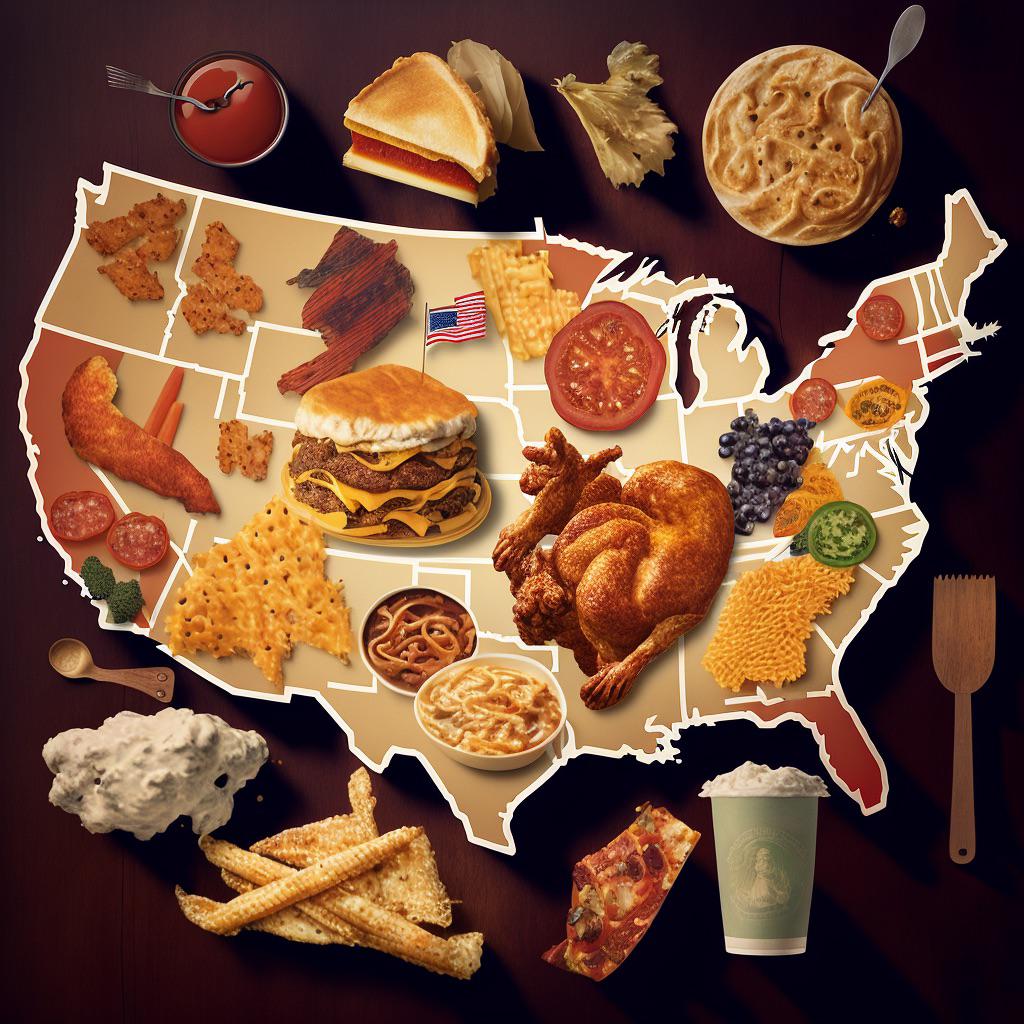
American food culture is famous worldwide for its creativity, excess, and bold flavors. From towering burgers to oversized sodas, the United States has developed a culinary identity that often surprises—and sometimes shocks—people from other countries. While many American foods like pizza, fried chicken, and burgers have gained global popularity, others leave international visitors confused, curious, or even horrified.
What Americans consider comforting, nostalgic, or completely normal can appear unusual or downright strange to the rest of the world. Here are 17 American foods and drinks that foreigners often find odd, puzzling, or hard to understand.
1. Peanut Butter and Jelly Sandwich
To Americans, the peanut butter and jelly (PB&J) sandwich is a childhood classic. It’s simple, sweet, salty, and comforting. But for many people outside the U.S., the combination is baffling.
In most countries, peanut butter is considered savory, while jelly (or jam) is sweet. Mixing the two in a sandwich feels wrong to those unfamiliar with it. Some international visitors are also surprised by how sweet American peanut butter can be compared to versions found elsewhere.
Despite initial skepticism, many foreigners admit that PB&J grows on them after a few bites—but the first reaction is often disbelief.
2. Spray Cheese (Cheese in a Can)
Perhaps one of the most shocking American food inventions is aerosol cheese. Cheese that comes out of a pressurized can seems more like a science experiment than food to many outsiders.
In countries where cheese is aged for years and treated with reverence, the idea of squirting cheese onto crackers feels unnatural. The artificial texture, bright orange color, and long shelf life only add to the confusion.
To Americans, it’s a nostalgic snack. To the rest of the world, it’s culinary madness.
3. Root Beer
Root beer looks like cola but tastes nothing like it, which immediately throws people off. Many foreigners describe the flavor as medicinal, similar to cough syrup or toothpaste.
This reaction makes sense: root beer contains flavor compounds related to wintergreen, which is commonly used in medicine in other countries. While Americans love it as a refreshing soda or float base, international visitors often take one sip and never try it again.
4. Biscuits and Gravy
In most parts of the world, biscuits are sweet, crunchy snacks eaten with tea. In America, however, biscuits are soft, flaky bread rolls—often smothered in thick white sausage gravy.
Foreigners are often shocked by the name alone, expecting cookies with gravy poured on top. Once they see and taste it, the confusion continues. The dish is heavy, rich, and very different from traditional breakfast foods in other cultures.
Americans see it as comfort food; outsiders see it as a strange breakfast choice.
5. Corn Dogs
A hot dog on a stick, dipped in corn batter and deep-fried, is a staple at American fairs and carnivals. While it’s beloved in the U.S., many foreigners find it excessive.
The combination of processed meat, sweet corn batter, deep frying, and a stick can feel like too much at once. The fact that it’s often eaten while walking around also surprises visitors from countries where meals are more structured.
6. Grits
Grits are a Southern American staple made from ground corn, often served with butter, cheese, or shrimp. While Americans in the South love them, foreigners often don’t know what to make of the texture.
The porridge-like consistency is unfamiliar, and the mild flavor can seem bland to those expecting something more exciting. Many international visitors compare grits to baby food or wallpaper paste—an unfair comparison, according to grits lovers.
7. Sweet Potato Casserole with Marshmallows
The idea of adding marshmallows to vegetables is deeply confusing for most of the world. This Thanksgiving dish combines mashed sweet potatoes, sugar, butter, and a topping of toasted marshmallows.
In many cultures, sweet potatoes are treated as savory foods. Turning them into a dessert-like side dish feels unnecessary and excessive. While Americans see it as festive and nostalgic, foreigners struggle to classify it as either a side dish or a dessert.
8. Jell-O Salad
Despite its name, Jell-O salad often contains no vegetables at all. Instead, it’s a colorful gelatin dish filled with fruit, marshmallows, whipped cream, or even mayonnaise.
The concept of a “salad” that jiggles is confusing enough, but adding savory ingredients to sweet gelatin takes the strangeness to another level. This dish was especially popular in mid-20th-century America and still appears at potlucks and holiday dinners.
For outsiders, it’s one of the strangest examples of American food history.
9. Chicken and Waffles
Fried chicken served with waffles and maple syrup is a beloved American dish, especially in the South. But for foreigners, the combination of savory fried meat with sweet breakfast waffles feels odd.
In many cultures, sweet and savory foods are kept strictly separate. Seeing syrup poured over fried chicken challenges traditional food boundaries. Once tasted, however, many skeptics become fans—proof that strange combinations sometimes work.
10. Ranch Dressing on Everything
Ranch dressing is more than just a salad dressing in the U.S.—it’s a lifestyle. Americans dip pizza, fries, vegetables, chicken wings, and almost anything else into ranch.
Outside the U.S., ranch dressing is far less common, and the obsession can seem excessive. Many foreigners find its creamy, garlicky flavor overpowering and are surprised by how frequently it’s used.
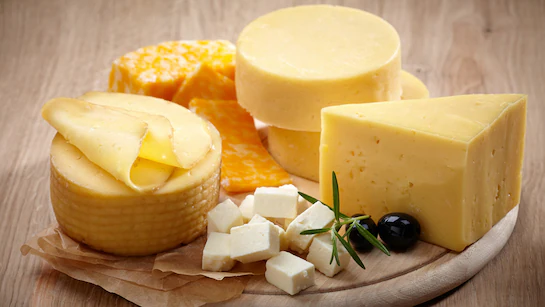
11. American Cheese (Processed Cheese Slices)
Bright orange, individually wrapped cheese slices are iconic in America. However, in countries with strong cheese traditions, this product is often criticized for not being “real cheese.”
Its smooth melting quality makes it perfect for burgers and grilled cheese sandwiches, but foreigners are often put off by its plastic-like texture and artificial appearance.
To Americans, it’s convenient and comforting. To others, it’s questionable.
12. Kool-Aid
Kool-Aid is a powdered drink mix that’s mixed with water and sugar to create a brightly colored beverage. It’s popular with kids and known for its intense sweetness and artificial flavors.
Foreigners are often surprised by how much sugar is required and how unnatural the colors look. The idea of drinking neon-red or electric-blue liquid feels more like consuming dye than a beverage.
13. Deep-Fried Everything
America’s love for deep frying knows no limits. At state fairs, foods like deep-fried butter, Oreos, candy bars, and even soda are common.
While deep frying exists worldwide, the sheer creativity—and excess—of American deep-fried foods amazes foreigners. Many see it as a symbol of American indulgence and over-the-top food culture.
14. S’mores
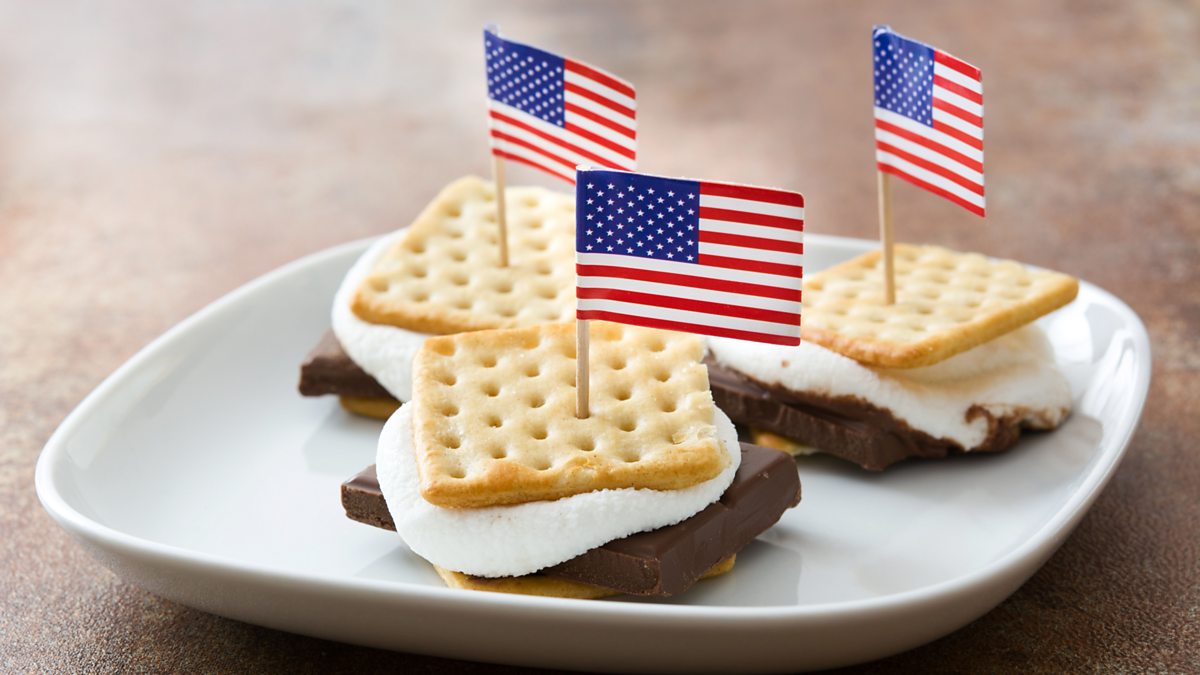
S’mores are made by sandwiching roasted marshmallows and chocolate between graham crackers. While beloved at American campfires, foreigners often find the result overly sweet and messy.
Graham crackers themselves are uncommon outside the U.S., adding another layer of unfamiliarity. Still, many international visitors enjoy the experience once they try it—especially the ritual of making them over a fire.
15. Meatloaf with Ketchup
Meatloaf is essentially a baked loaf of ground meat, often topped with ketchup. While it’s classic American comfort food, the presentation confuses outsiders.
The idea of shaping meat into a loaf and covering it with a sweet tomato sauce feels unusual. In many cultures, ground meat is shaped into patties, balls, or kebabs—not loaves.
16. Pumpkin Spice Everything
Pumpkin spice isn’t just a flavor—it’s a seasonal phenomenon. From lattes and cookies to candles and cereals, pumpkin spice appears everywhere in fall.
Foreigners are often confused because pumpkin itself isn’t always a sweet ingredient in their cultures. The obsession with a single spice blend can seem excessive, even though Americans eagerly await its return every year.
17. Large Soda Portions with Free Refills
While not a specific food, America’s soda culture is shocking to many visitors. Extremely large cup sizes and unlimited free refills are rare in other countries.
Foreigners are often amazed at how normal it is to drink liters of sugary soda during a single meal. The practice reflects broader differences in portion sizes and eating habits between the U.S. and the rest of the world.
Final Thoughts
American food culture is shaped by history, immigration, convenience, and a love for bold flavors. While some dishes may seem strange or excessive to outsiders, they often carry deep emotional meaning for Americans—memories of childhood, family gatherings, and regional pride.
At the same time, the global reaction to these foods highlights how deeply culture influences taste. What’s comforting to one person can be confusing to another. And sometimes, the strangest foods turn out to be the most memorable.
Read Also: Keep your face towards the sunshine and shadows will fall behind you
Watch Also: https://www.youtube.com/@TravelsofTheWorld24







Leave a Reply