

The Duffer Brothers, creators of Netflix’s worldwide hit Stranger Things, have long been praised for their visionary storytelling, nostalgic homage to 1980s pop culture, and ability to blend horror, sci-fi, and heartwarming character drama. But in a recent revelation, the brothers admitted that they went into the final season of Stranger Things without a completed script. Fans and critics alike were surprised, and the decision has sparked conversations about creativity, high-pressure deadlines, and the unpredictable process of writing one of television’s most beloved series.
The Pressure of a Global Phenomenon
Stranger Things debuted in 2016 and quickly became a global sensation, praised for its suspenseful storytelling, complex characters, and nostalgic references to 1980s movies and television. With each season, the stakes grew higher—not just for the characters in Hawkins, Indiana, but for the Duffer Brothers themselves.
The pressure to deliver a satisfying finale was immense. The series had become more than a show; it was a cultural phenomenon, attracting millions of viewers worldwide, sparking memes, merchandise, and even conventions. Every line, plot twist, and character arc carried tremendous weight, and fans had high expectations for the climactic conclusion.
Given this context, it’s perhaps less surprising that the Duffer Brothers admitted they entered production without a fully finished script. Rather than follow a rigid plan, they allowed the story to evolve organically, adapting to the creative challenges of shooting a high-stakes finale.
Why They Chose This Approach
The Duffer Brothers have always approached Stranger Things with a flexible, character-driven style. They prioritize narrative spontaneity and emotional resonance over strict adherence to pre-written scripts. This approach allows actors to bring authenticity to their performances and ensures that plot developments feel natural rather than forced.
Going into the finale without a finished script allowed the brothers to:
-
Respond to actor performances and chemistry
-
Adjust plotlines based on visual storytelling opportunities
-
Explore creative ideas that emerged during filming
-
Maintain suspense and authenticity
In interviews, the Duffer Brothers explained that while it may seem risky, this method aligns with how they have written the series from the beginning—balancing meticulous planning with improvisational creativity.
The Risks Involved
While creatively liberating, starting production without a completed script comes with significant risks:
-
Production Delays: Filming schedules for high-budget shows like Stranger Things are complex. Last-minute script changes can lead to costly delays.
-
Continuity Issues: Ensuring that all plot points align across episodes requires careful coordination between writers, directors, and production teams.
-
Actor Challenges: Actors often rely on finalized scripts to prepare emotionally and mentally for scenes, particularly in intense or dramatic moments.
-
Fan Expectations: With millions of fans anticipating the finale, there is pressure to deliver satisfying conclusions for each character and storyline.
Despite these risks, the Duffer Brothers trusted their creative instincts and collaborative process to navigate the challenges successfully.
The Collaborative Process
Even without a finished script, the Duffer Brothers leaned heavily on collaboration. Their team of writers, producers, directors, and actors worked closely to shape the story in real time. This collaborative approach allowed for adjustments based on performance, pacing, and audience expectations.
For example, actors like Millie Bobby Brown (Eleven), Finn Wolfhard (Mike), and David Harbour (Jim Hopper) contributed insights that influenced dialogue, character decisions, and emotional beats. Directors and cinematographers also provided input, helping to refine action sequences and visual storytelling moments.
This team-driven process underscores how television writing is often fluid, especially for large-scale productions where narrative, performance, and visuals must align seamlessly.
Balancing Mystery and Resolution
One of the Duffer Brothers’ priorities was maintaining the sense of mystery that has defined Stranger Things. The series is known for its suspense, plot twists, and ability to surprise audiences. By keeping the script incomplete, the brothers were able to:
-
Preserve plot surprises
-
Adjust pacing based on what felt natural on screen
-
Ensure that twists and reveals were emotionally impactful
This approach also allowed for organic evolution of character arcs, ensuring that emotional resolutions felt earned rather than predetermined.
Fan Reactions to the Revelation
News of the Duffer Brothers working without a finished script sparked mixed reactions among fans:
-
Excitement: Some fans appreciated the spontaneity, believing it could lead to more authentic, surprising storytelling.
-
Concern: Others worried about narrative consistency and whether all plotlines would receive satisfying conclusions.
-
Admiration: Many admired the brothers’ confidence and creativity, trusting their experience and vision for the series.
Social media buzzed with speculation about how this approach would influence the finale, with fans analyzing trailers, teasers, and interviews for clues.
Historical Context: Script Changes in TV
It’s not uncommon for TV series, especially high-profile shows, to evolve scripts during production. Examples include:
-
Game of Thrones: Multiple seasons involved script adjustments based on actor availability and visual effects.
-
Breaking Bad: Writers occasionally revised episodes during shooting to enhance tension or adjust character arcs.
-
The Mandalorian: Improvisation and last-minute rewrites were used to optimize pacing and storytelling.
The Duffer Brothers’ approach fits within this tradition, highlighting that television production is often dynamic, requiring flexibility and creative problem-solving.
The Role of Netflix
As the platform behind Stranger Things, Netflix provided both support and pressure. Streaming services have transformed television production, allowing for:
-
Longer production schedules than traditional broadcast TV
-
Flexibility in episode length
-
Greater creative freedom for showrunners
However, the stakes are also high: with millions of global viewers, Netflix expects polished, engaging finales that satisfy audiences and maintain the series’ cultural impact. The Duffer Brothers’ trust in their creative process reflects both confidence and the platform’s willingness to support visionary storytelling.
How It Affected the Cast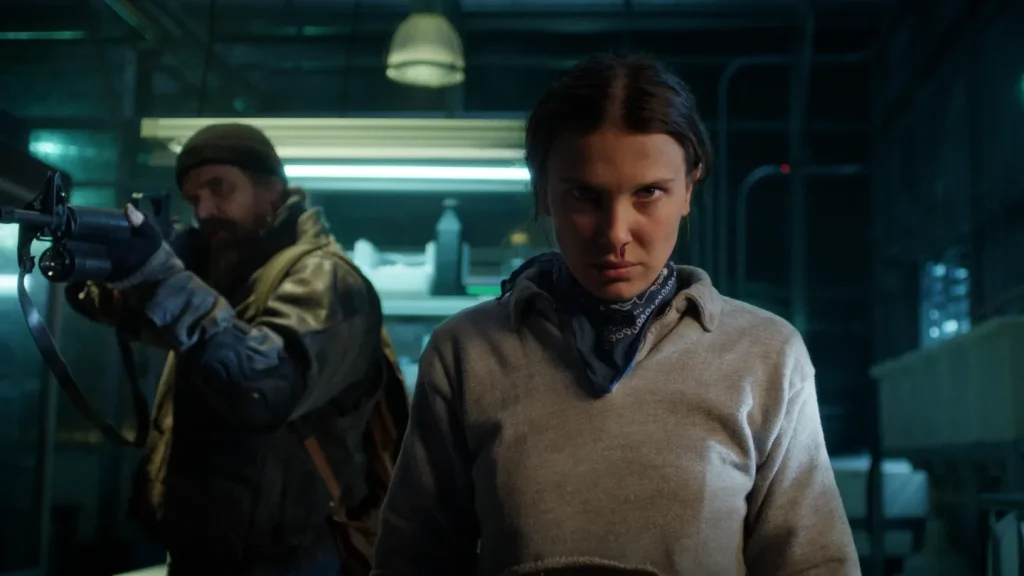
Actors had to adapt to the fluid script process. Some benefits included:
-
Improvisational Freedom: Actors could explore emotions and reactions in real time.
-
Character Growth: Changes in the script allowed characters to evolve more naturally.
-
Dynamic Performance: Scenes could be adjusted to capture authentic chemistry and dramatic impact.
Challenges included memorizing lines that changed frequently and preparing emotionally for scenes that were still being finalized. Despite these hurdles, many cast members praised the Duffer Brothers for creating a collaborative, supportive environment.
Creative Advantages
While risky, the decision to proceed without a finished script also offered creative advantages:
-
Surprise Storytelling: Both for actors and viewers
-
Emotional Authenticity: Moments felt more spontaneous and real
-
Enhanced Suspense: Writers could adjust pacing to maintain tension
-
Flexible Visual Storytelling: Directors could adapt sequences for maximum cinematic impact
This approach reflects the Duffer Brothers’ commitment to balancing meticulous planning with the fluidity of creative expression.
Lessons for Aspiring Writers
The Duffer Brothers’ experience offers several lessons for aspiring writers and showrunners:
-
Trust Your Instincts: Even high-profile projects benefit from creative intuition.
-
Collaboration Is Key: Writing is often enhanced through input from actors, directors, and producers.
-
Embrace Flexibility: Allow stories to evolve naturally instead of forcing rigid plans.
-
Balance Risk and Reward: Creative risks can yield unique storytelling opportunities.
-
Audience Awareness: While spontaneity is valuable, consider audience expectations and narrative consistency.
These principles highlight the dynamic nature of television writing, where adaptability and vision often matter as much as planning.
Impact on the Series Finale
Although details remain closely guarded, early reviews and fan reactions suggest that the finale benefits from this approach. Critics have noted:
-
Emotional Depth: Character arcs feel natural and earned
-
Suspense: Plot twists remain engaging and unpredictable
-
Cohesion: Despite last-minute adjustments, the story flows logically and satisfies long-time viewers
The decision to write while filming may have contributed to a more dynamic, authentic, and emotionally resonant conclusion, demonstrating the effectiveness of the Duffer Brothers’ approach.
Balancing Creativity and Production Constraints
Television production involves complex logistics, including budgets, special effects, set construction, and scheduling. Going into production without a completed script required careful coordination between departments to ensure that changes didn’t disrupt the schedule or inflate costs.
The success of the finale reflects the team’s ability to balance creativity with production constraints, showing that innovation and structure can coexist even under pressure.
Conclusion
The revelation that the Duffer Brothers went into the Stranger Things finale without a finished script underscores their confidence, creativity, and dedication to storytelling. While risky, this approach allowed for:
-
Organic character development
-
Dynamic visual storytelling
-
Authentic emotional moments
-
Engaging suspense and plot twists
By trusting their instincts and fostering collaboration with actors, directors, and production teams, the Duffer Brothers crafted a finale that resonates with fans and maintains the series’ legacy as a cultural phenomenon.
Ultimately, this decision highlights a key truth about creative storytelling: sometimes, the best stories emerge not from a finished script, but from the courage to explore, adapt, and trust the process. For fans of Stranger Things, the results speak for themselves—an unpredictable, exciting, and emotionally satisfying conclusion to one of television’s most beloved series.
Read Also: Keep your face towards the sunshine and shadows will fall behind you
Watch Also: https://www.youtube.com/@TravelsofTheWorld24











Leave a Reply