
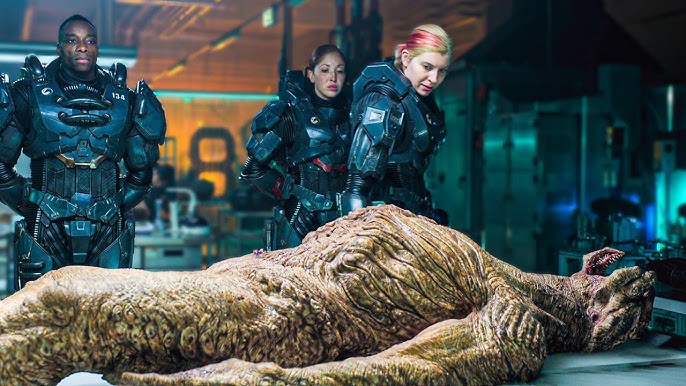
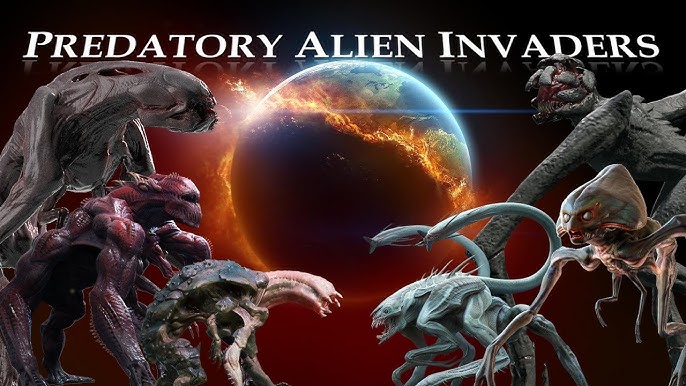
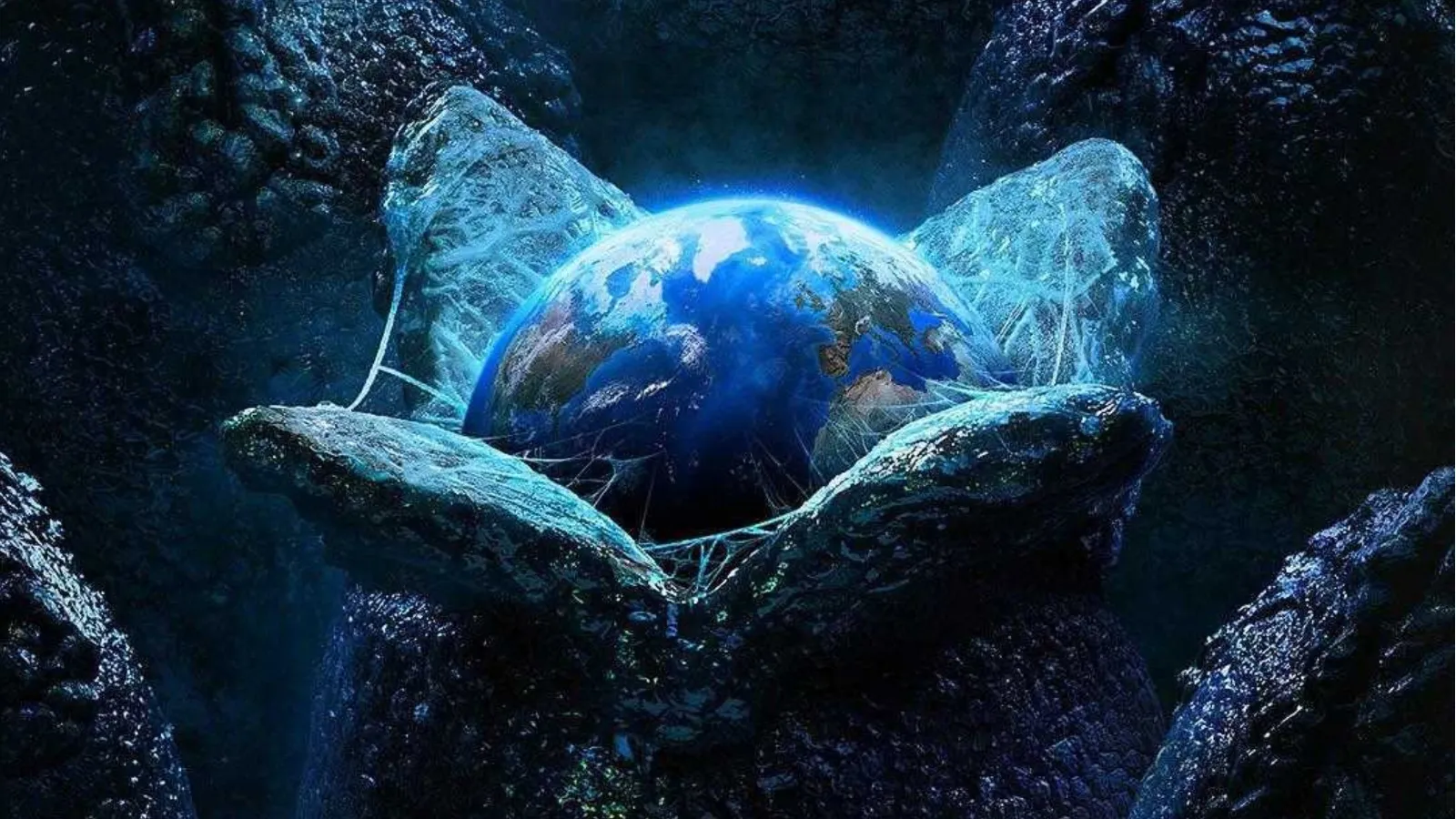
In the year 2552, Earth faced the greatest threat in its long history: a coordinated assault by a coalition of alien races determined to wipe humanity from existence. While humanity had long speculated about extraterrestrial life, no one anticipated that the stars would unite against us in such a devastating and calculated fashion.
The alliance, known as the Cosmic Concord, brought together civilizations from multiple galaxies. Each species contributed unique technology, intelligence, and warfare strategies, creating an unstoppable force unlike anything Earth had ever seen.
The Origins of the Cosmic Concord
The Cosmic Concord was not formed overnight. Centuries of interstellar communication, conflict, and resource competition culminated in a shared objective: the eradication of humanity, who were viewed as a rapidly expanding and potentially dangerous species.
Humanity’s rapid colonization of nearby star systems, its technological innovation, and its unpredictable behavior drew attention across the cosmos. Leaders of the Concord deemed Earth a threat to galactic stability, deciding that preventive action was necessary.
Humanity’s First Contact
In the early months of 2552, humanity began detecting anomalies in near-Earth space. Satellites reported massive energy signatures, and automated probes were intercepted by unknown fleets. By the time first communications—or threats—arrived, panic had already spread.
Unlike the hopeful visions of first contact from earlier centuries, these messages made it clear: the Concord intended to exterminate the human race, leaving no survivors to challenge them in the future.
Alien Technology and Tactics
The Cosmic Concord’s technology was far beyond anything humans had developed. Ships capable of near-instantaneous travel appeared in the skies, armed with plasma-based weapons, energy shields, and gravitational manipulation devices.
Ground forces deployed autonomous combat machines that could mimic human forms, infiltrate cities, and disrupt communication networks. Humanity’s planetary defenses were quickly overwhelmed, illustrating the vast technological gap between species.
Early Human Resistance
Despite the overwhelming odds, humanity did not surrender. Survivors and global coalitions attempted to mount a defense, utilizing repurposed military technology and rapidly developing new weapons. Key strategies included:
-
Hacking Concord communication networks
-
Developing EMP-based weapons to disable alien ships temporarily
-
Underground and off-world evacuation plans
-
Forming resistance cells in key cities
Even in the face of near-certain annihilation, human resilience and ingenuity shone through.
Psychological Impact on Humanity
The assault had profound psychological effects. Millions faced fear, uncertainty, and despair. Governments collapsed under pressure, and misinformation about alien infiltration caused widespread panic.
However, a cultural phenomenon emerged: humans began documenting the war in real-time, creating a digital record of survival, heroism, and adaptation. This collective storytelling became as important as strategic defense.
The Role of Space Colonies
By 2552, humanity had already established colonies on Mars, Europa, and several orbital stations. These outposts became crucial safe zones, allowing scientists and engineers to continue developing countermeasures.
While Earth itself was under siege, off-world colonies served as centers for coordination, innovation, and hope—a reminder that humanity’s survival did not rely solely on one planet.
Alien Motivations and Ethics
The Cosmic Concord viewed humans as a volatile, unpredictable species, potentially capable of galactic disruption. From their perspective, a preemptive strike was logical—a survival-based ethics framework that prioritized species preservation over morality as humans understood it.
Understanding alien reasoning became a key part of human strategy, highlighting the importance of inter-species intelligence and diplomacy, even in war.
Key Battles of 2552
Several key battles defined humanity’s early resistance:
-
The Skye Defense – Orbital defense fleets temporarily repelled Concord forces using coordinated energy pulses.
-
The Great Martian Exodus – Evacuation of Mars colonies to hidden moons prevented the complete loss of human knowledge.
-
Operation Shadow Signal – Hackers disrupted Concord communication arrays for several critical days, buying time for Earth’s defenses.
Though losses were catastrophic, these victories demonstrated that humans were resourceful under pressure.
Scientific Advances During the War
The war accelerated human technological development. Key advances included:
-
Faster-than-light (FTL) propulsion prototypes
-
Quantum energy shields
-
Artificial intelligence-driven defense networks
-
Bioengineered survival adaptations for harsh environments
These innovations were driven by necessity, proving that humanity thrives under existential threat.
Alliances Within Humanity
Nations that had long been in conflict were forced to unite against a common enemy. Political, cultural, and ideological divisions were temporarily set aside. This unprecedented global cooperation became the backbone of the resistance.
Even fractured societies realized that survival depended on shared resources, collective intelligence, and collaboration.
Communication Attempts with the Concord
Early in the conflict, humans attempted to communicate with the alliance, seeking to negotiate. However, the Concord’s philosophy of preemptive elimination left little room for diplomacy.
Attempts at understanding alien logic, however, informed defense strategies, illustrating that knowledge and empathy can be tools even in warfare.
Humanity’s Moral Dilemmas
Facing extinction forced humans to make ethical decisions:
-
Prioritizing evacuation over defense of some cities
-
Deploying weapons with potential collateral damage
-
Sacrificing limited resources to protect certain populations
The war became as much a test of human morality as a battle for survival.
The Role of AI and Robotics
Artificial intelligence became critical. Autonomous drones, intelligence analysis systems, and predictive algorithms allowed humans to anticipate alien maneuvers. Robotics enabled survival in environments too hostile for unprotected humans.
The integration of human and AI strategies highlighted the evolving nature of warfare and intelligence in the 26th century.
Cultural Shifts Amid War
Cultural life did not disappear under alien assault. Music, art, and literature reflected humanity’s struggle, resilience, and hope. Stories of heroism and resistance circulated widely, maintaining morale and reinforcing a sense of identity.
These cultural outputs became part of humanity’s psychological arsenal, strengthening communities and resistance networks.
The Psychological Warfare of the Concord
The Cosmic Concord also engaged in psychological operations, using advanced technology to simulate visions, messages, and threats. By exploiting fear, uncertainty, and misinformation, they aimed to undermine human morale.
Humanity’s ability to maintain cohesion in the face of psychological manipulation became as critical as physical defense.
Lessons from Humanity’s First Interstellar War
Several key lessons emerged:
-
Preparedness is vital – Off-world colonies and diversified resources ensured survival.
-
Unity outweighs division – Global collaboration was essential.
-
Science and innovation are survival tools – Rapid development of new technology saved lives.
-
Understanding your enemy matters – Studying alien behavior informed human strategy.
The war redefined humanity’s self-perception and place in the galaxy.
Looking Ahead: Survival and Recovery
Even as the Concord’s attacks continue, humanity is no longer defenseless. By 2553, small but coordinated human factions began launching counteroffensives, demonstrating that adaptation, intelligence, and resilience are humanity’s greatest weapons.
The war also sparked philosophical reflection: humanity is now acutely aware that the universe is larger, more dangerous, and more complex than previously imagined.
Final Thoughts
The fictional scenario of 2552 reminds us of several truths about humanity:
-
We must respect the unknown while preparing responsibly.
-
Cooperation and ingenuity are our greatest assets.
-
Survival may depend on both technological and moral innovation.
While shape-shifting alien alliances may only exist in imagination today, stories like these help humanity explore resilience, strategy, and ethics in extreme circumstances.
Science fiction allows us to reflect on the challenges of survival, unity, and adaptation in a universe that may one day hold surprises far beyond our imagination.
Read Also: Keep your face towards the sunshine and shadows will fall behind you
Watch Also: https://www.youtube.com/@TravelsofTheWorld24









Leave a Reply