
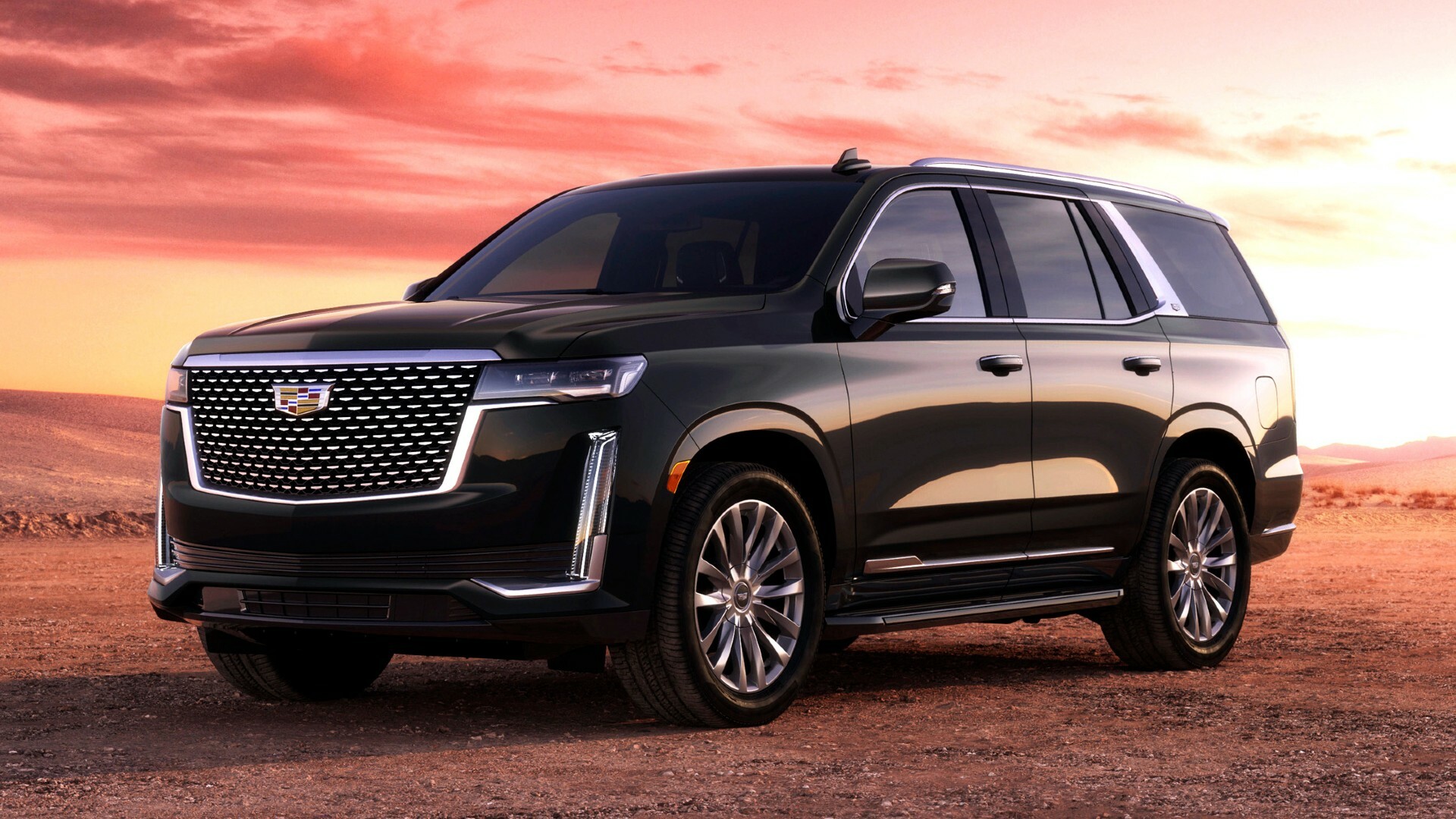
In recent years, a surprising shift has emerged in the U.S. automotive market: Americans are increasingly choosing smaller vehicles, from compact cars and hatchbacks to subcompact crossovers. This trend, once considered niche, is now reaching record rates, reshaping consumer behavior, automaker strategies, and urban mobility.
Once dominated by large sedans, SUVs, and pickup trucks, the U.S. market is witnessing a return to efficiency, affordability, and practicality, driven by rising fuel costs, changing lifestyle priorities, environmental awareness, and technological innovation.
This article explores why Americans are downsizing, how it is affecting the automotive industry, and what this trend might mean for the future of personal transportation.
The Rise of the Small Car
Historically, Americans have favored large vehicles, particularly in the postwar era. From the family sedan to the iconic full-size pickup, bigger often equated to status, comfort, and capability. The “bigger is better” mentality shaped decades of U.S. automotive design and marketing.
However, over the past decade, smaller vehicles—once perceived as purely economical—have gained mainstream appeal. According to industry data, compact and subcompact cars now account for an increasing share of annual sales, with urban and suburban consumers leading the trend.
Key Drivers of the Downsizing Trend
Several factors explain why Americans are increasingly choosing smaller cars.
1. Rising Fuel Prices and Efficiency Concerns
Fuel costs have historically influenced vehicle choice, but volatility in oil markets and rising gas prices have made efficiency a top consideration. Small cars often deliver:
-
Better miles per gallon (MPG)
-
Lower operating costs
-
Reduced environmental impact
For consumers looking to cut transportation expenses, downsizing offers an immediate financial benefit.
2. Urbanization and Lifestyle Changes
As more Americans move to densely populated urban areas, smaller cars are increasingly practical:
-
Easier parking and maneuvering in tight city streets
-
Lower insurance premiums for compact vehicles
-
Compatibility with car-sharing and ride-hailing trends
Urban buyers, in particular, prioritize agility and convenience over sheer size, leading to greater acceptance of compact cars.
3. Environmental Awareness
Climate change concerns and stricter emissions regulations are influencing purchasing decisions:
-
Smaller cars produce lower CO₂ emissions
-
Consumers increasingly seek eco-friendly transportation
-
Hybrid and electric compact models are gaining traction
This has led automakers to invest heavily in efficient engines and electrified platforms for small vehicles.
4. Technological Advancements
Modern compact cars are no longer considered “compromises”:
-
Safety features such as adaptive cruise control, lane-keeping assist, and collision mitigation are standard in many small vehicles
-
Infotainment and connectivity rival larger cars
-
Advanced suspension and handling systems provide comfort and stability
Technology has made tiny cars feel bigger and more capable than ever, reducing historical perceptions of small cars as inferior or cramped.
5. Changing Consumer Preferences
Younger generations, including Millennials and Gen Z, often prioritize affordability, sustainability, and flexibility over size and status:
-
Lower car payments and reduced maintenance costs appeal to cost-conscious buyers
-
Compact vehicles fit alternative lifestyles, such as apartment living or frequent city commuting
-
Smaller cars are more compatible with ride-sharing, delivery services, and multi-modal transportation
Consumer surveys indicate that the “big car is better” mindset is weakening, replaced by a focus on practicality and efficiency.
Examples of Popular Downsized Vehicles
Several vehicles have emerged as leaders in the downsizing trend:
-
Toyota Corolla Hatchback – Known for reliability and fuel efficiency
-
Honda Civic – A compact favorite with technology and comfort
-
Hyundai Kona / Venue – Subcompact crossovers combining utility and economy
-
Chevrolet Spark – Affordable entry-level vehicle for urban drivers
-
Mini Cooper – Combines style and maneuverability
These vehicles prove that small cars can deliver style, performance, and convenience, appealing to a wide demographic.
The Role of Subcompact SUVs and Crossovers
Interestingly, the trend toward downsizing does not only involve traditional sedans or hatchbacks. Subcompact SUVs and crossovers offer:
-
Smaller footprints than full-size SUVs
-
Elevated driving position
-
Versatile cargo and passenger configurations
Models like the Honda HR-V, Hyundai Kona, and Toyota C-HR illustrate how Americans can downsize without sacrificing practicality, merging the benefits of small cars with some of the attributes of larger vehicles.
Economic Considerations
The downsizing trend aligns closely with economic realities:
-
Lower sticker prices: Compact cars are generally more affordable upfront
-
Reduced operating costs: Smaller engines consume less fuel and require less expensive maintenance
-
Insurance benefits: Insurance premiums are often lower for smaller vehicles
In periods of economic uncertainty or rising interest rates, these financial advantages make compact cars an attractive choice.
Environmental and Policy Incentives
Government policies have also accelerated downsizing:
-
Fuel efficiency standards: Automakers are incentivized to produce smaller, more efficient vehicles
-
EV and hybrid tax credits: Many compact electrified vehicles qualify for rebates
-
Local restrictions: Cities encourage smaller cars through parking and congestion pricing policies
These incentives make downsized vehicles more accessible and appealing, particularly to environmentally conscious buyers.
Cultural Shifts and Lifestyle Alignment
Downsizing also reflects broader cultural shifts:
-
Smaller households and fewer children reduce the need for large family vehicles
-
Urban lifestyles emphasize convenience and multi-use transportation
-
Younger drivers often view car ownership differently, prioritizing cost-efficiency and sustainability over status
As lifestyles change, vehicles naturally evolve to meet the needs of the population.
Implications for the Automotive Industry
The move toward downsizing is reshaping how automakers design, produce, and market vehicles:
-
Increased focus on small car platforms with flexible, lightweight construction
-
Development of compact EVs and hybrids to capture the efficiency-minded market
-
Repositioning of traditional full-size models to maintain relevance
-
Greater emphasis on urban-friendly design and tech integration
Automakers that embrace downsizing can reach younger, urban, and eco-conscious buyers, expanding their market reach.
Challenges for the Industry
While downsizing presents opportunities, there are challenges:
-
Profit margins: Smaller cars generally yield lower profits than trucks or SUVs
-
Consumer perception: Some buyers still equate larger vehicles with status and safety
-
Electrification costs: Offering efficient EVs in smaller formats requires investment in batteries and production technology
Balancing these factors is critical for automakers seeking to profitably participate in the downsizing trend.
Safety Considerations
Historically, smaller vehicles were seen as less safe in collisions, particularly against larger vehicles like trucks and SUVs. However, modern small cars now incorporate advanced safety technology, such as:
-
Automatic emergency braking
-
Lane-keeping assist
-
Side-impact airbags
-
Crumple zones and reinforced structures
These advances have significantly reduced the safety gap, making downsized cars viable for a wider range of consumers.
The Role of Electric and Hybrid Vehicles
Downsizing and electrification often intersect:
-
Smaller EVs require smaller batteries, making them more affordable
-
Compacts and subcompact EVs are perfect for urban driving ranges
-
Models like the Chevrolet Bolt EV, Nissan Leaf, and Mini Electric demonstrate strong adoption
Electrification further incentivizes downsizing by offering a cleaner, more efficient alternative to traditional gas-powered vehicles.
Urban Mobility and Shared Transportation
The rise of ride-sharing, car-sharing, and micro-mobility reinforces the popularity of smaller vehicles:
-
Compact cars fit easily into shared fleets
-
Lower operating costs make them attractive for companies
-
Urban environments benefit from reduced congestion and smaller parking requirements
As cities grow denser, the practical advantages of tiny vehicles become more pronounced.
Economic and Environmental Benefits for Consumers
For individual buyers, downsizing offers tangible benefits:
-
Reduced fuel expenses: Smaller engines and improved efficiency
-
Lower maintenance and repair costs
-
Better maneuverability in urban settings
-
Environmental satisfaction: Lower carbon footprint
These factors contribute to a holistic appeal, particularly among younger generations and urban dwellers.
Market Trends and Statistics
Recent market reports indicate:
-
Compact and subcompact vehicle sales have risen year-over-year
-
Small SUVs and crossovers are growing faster than full-size SUVs in certain urban markets
-
EV adoption in smaller cars is accelerating, with compacts leading in affordability
Analysts expect the trend to continue, especially as fuel efficiency, sustainability, and urbanization remain key priorities.
Cultural Perception of Small Cars
While small cars were once perceived as secondary or budget vehicles, modern design and technology have changed this perception:
-
Stylish designs make compacts aspirational
-
Performance-focused small cars, like the Mazda MX-5 Miata, demonstrate that small can be sporty
-
Subcompact SUVs combine utility, style, and size efficiency, appealing to mainstream buyers
This cultural shift has helped normalize downsizing across demographics.
Looking Ahead: The Future of Downsized Vehicles
The downsizing trend is likely to continue shaping the U.S. auto market:
-
Automakers will invest in efficient, compact platforms
-
Electrification and hybrids will dominate small car offerings
-
Urban planning and shared mobility will favor smaller vehicles
-
Consumer preference for affordability, technology, and efficiency will reinforce the trend
While full-size trucks and SUVs remain popular, tiny cars are becoming mainstream, reflecting evolving economic, cultural, and environmental priorities.
Conclusion
The rise of downsized vehicles in the U.S. is more than a passing trend—it represents a structural shift in automotive priorities. Driven by fuel efficiency, urbanization, environmental awareness, affordability, and technological advances, Americans are increasingly choosing smaller, more practical vehicles.
Tiny cars today offer style, comfort, safety, and performance, dispelling outdated notions of small vehicles as inferior or undesirable. Whether through compact sedans, subcompact crossovers, or electric hatchbacks, the downsizing trend is reshaping the U.S. automotive landscape, promising a future of efficient, practical, and environmentally conscious personal transportation.
As automakers adapt to this new reality, the combination of consumer demand, urbanization, policy incentives, and technological innovation ensures that small cars will remain a big trend for years to come.
Read Also: Keep your face towards the sunshine and shadows will fall behind you
Watch Also: https://www.youtube.com/@TravelsofTheWorld24











Leave a Reply