
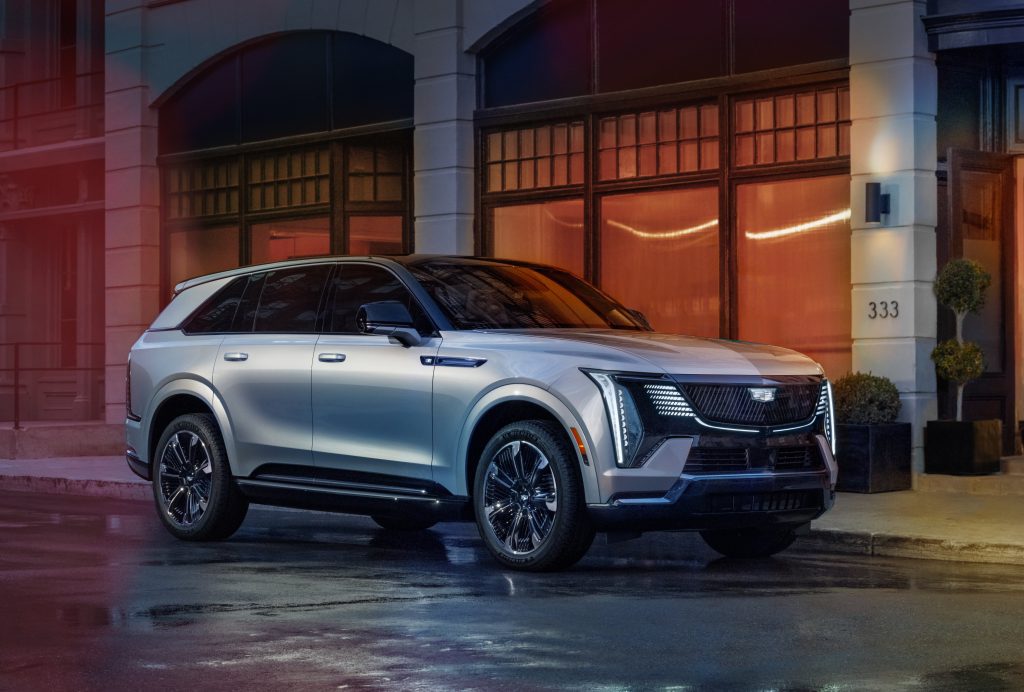
As 2025 drew to a close, the U.S. automotive industry reached a milestone: another year of growth and resilience, with leading manufacturers reporting strong sales results despite economic headwinds. At the forefront of this surge was General Motors (GM), which emerged as the top-selling automaker in the United States, extending its leadership in a fiercely competitive market.
This comprehensive report explores the dynamics of the 2025 U.S. auto sales landscape, how GM claimed the top spot, what broader trends shaped the industry’s performance, and the challenges and opportunities that lie ahead as the market looks toward 2026.
A Strong Finish for the U.S. Auto Market in 2025
Despite economic uncertainties and shifting consumer preferences, U.S. auto sales finished the year on a high note, with overall volumes increasing year-over-year. According to industry estimates, total new-vehicle sales in 2025 reached approximately 16.3 million units, marking the best full-year performance since before the COVID-19 pandemic and a continuation of recovery following supply chain disruptions earlier in the decade.
This achievement is significant, as it shows the industry’s capacity to adapt to evolving conditions, including supply constraints, changes in consumer demand, and the transition to electrified vehicles.
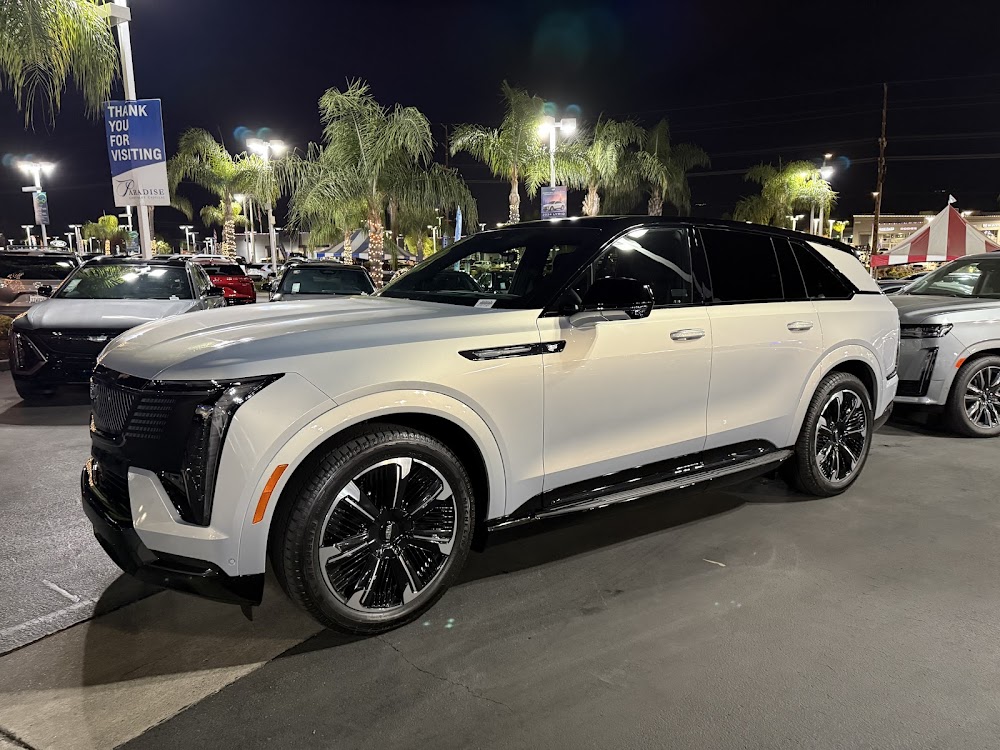
General Motors: Topping the Sales Chart
At the center of 2025’s auto sales story is General Motors, which reported a full-year sales increase of about 5.5 %, translating to roughly 2.85 million vehicles sold in the U.S..
While GM’s fourth-quarter sales dipped by about 6.9 % compared with a year earlier, the cumulative performance over twelve months was strong enough to secure the top position in total annual sales.
Segment Strengths Behind GM’s Success
GM’s strength was reflected across several key segments:
-
Pickup trucks: GM continued its long-standing leadership in the full-size pickup segment, recording its best sales in two decades.
-
SUVs: Full-size SUVs such as the Chevy Tahoe, Suburban, and GMC Yukon remained popular with American buyers, contributing significantly to overall volume.
-
Electric Vehicles (EVs): GM also remained competitive in electric vehicle sales, finishing the year as one of the top EV sellers in the U.S. market, even as EV incentives changed and consumer demand shifted.
Across its four core brands—Chevrolet, GMC, Cadillac, and Buick—GM saw gains that helped broaden its appeal and maintain a large market footprint. According to industry sales data, each brand contributed to the overall growth, with GMC setting new sales records and Cadillac posting its strongest annual performance in years.
Market Share and Competitive Landscape
GM’s achievement as the best-selling automaker in the U.S. underscores its ability to compete not just domestically but against strong international rivals.
For example, Toyota Motor Corp. continued to be a major player, finishing second with steady year-over-year sales growth driven by reliable models and hybrid demand. Meanwhile, Ford Motor Co. also reported solid gains with U.S. sales increasing approximately 6 %, driven by strong demand for hybrid models and affordable pickups.
Other global brands like Hyundai-Kia and Honda also posted increases, while some automakers such as Volkswagen and Mazda experienced sales declines in certain quarters.
In this competitive field, GM’s ability to maintain share reflects a diverse vehicle lineup that includes strong gas-powered trucks and SUVs as well as a growing footprint in electrified models.
Why 2025 Was a Standout Year
Several factors contributed to the robust performance of the auto industry in 2025:
1. Recovery and Consumer Demand
After the pandemic years and lingering supply chain pressures, the industry regained momentum across multiple segments. Although COVID-era shortages have eased, consumer preferences evolved, and dealerships adjusted operations to meet demand. This helped push overall sales volumes up, making 2025 the strongest year for new car and truck sales since 2019.
2. Favorable Market Dynamics
While economic headwinds like inflation and tariffs presented challenges, strong demand for trucks, SUVs, and hybrid models kept the industry moving upward. In fact, SUVs and trucks accounted for a large majority of sales, reflecting American buyers’ continued preference for larger vehicles.
3. Electric Vehicle Transitions
Sales of electric and electrified vehicles maintained growth for many manufacturers even as government incentives and consumer sentiment shifted. GM, in particular, made strides in EV sales, securing a strong position as one of the top U.S. EV sellers for the year.
4. Dealer Performance and Inventory Management
Dealerships played a crucial role in the recovery by effectively managing inventory and meeting customer demand through improved logistics and sales strategies. The increasing number of vehicle offerings and available models helped stimulate purchases throughout the year.
 Challenges That Tempered Growth
Despite a strong overall performance, 2025 was not without challenges for the U.S. auto industry:
1. Fourth Quarter Slowdown
Multiple sources reported that sales softened in the final quarter of the year, with automakers like GM experiencing declines compared to prior year periods. The reduction in fourth-quarter volume reflects broader market headwinds such as economic tightening, rising interest rates, and shifting consumer borrowing costs.
2. EV Incentive Changes
The expiration of federal tax credits for electric vehicles impacted demand for EVs toward the end of the year. Declining EV sales in certain segments point to the sensitivity of electrified vehicle demand to government policy and financial incentives.
3. Rising Vehicle Prices
The average price of new vehicles climbed steadily, pushed higher by supply chain costs, tariffs, and inflation. Higher purchase prices and increased monthly payments added pressure for many consumers, potentially slowing sales growth in the future.
What GM’s Leadership Means for the Industry
General Motors’ consecutive position as the U.S. sales leader showcases several key strengths:
A Balanced Portfolio
GM’s vehicle lineup spans popular full-size trucks, SUVs, crossovers, and electrified models. This balance has enabled it to capture demand across market segments and cushion against downturns in any one category.
Strategic Adaptation
GM’s ability to invest in both traditional internal combustion engine models and electrified vehicles has helped it maintain relevance in a market that is gradually shifting toward lower emissions and sustainability goals.
Brand Diversity
With Chevrolet, GMC, Cadillac, and Buick each appealing to different buyer demographics—from affordability seekers to luxury consumers—GM has diversified risk and broadened its market reach.
Regional and Segment Trends
While GM’s overall U.S. sales lead defines the broader narrative, various regional and segment trends shaped the industry:
Strong Pickup and SUV Demand
American consumers continued to favor trucks and SUVs, where GM and other domestic manufacturers traditionally perform well. This trend was evident in both retail and fleet purchases.
Hybrid and Electrified Vehicles Continue Growing
Even as pure EV demand faces volatility due to policy changes, hybrids and plug-in hybrids gained traction as fuel-efficient alternatives, attracting buyers who remain cautious about full electrification without consistent incentives.
Urban vs. Rural Preferences
Urban buyers showed increasing interest in smaller, more efficient vehicles, while rural and suburban customers maintained strong demand for utility vehicles and trucks—a dynamic shaping automakers’ product planning strategies.
Looking Ahead to 2026
Despite a strong 2025 performance, analysts forecast potential challenges ahead for the U.S. auto market in 2026. Rising interest rates, inflationary pressures, and affordability issues may contribute to slower sales or even a slight contraction compared with the record results of recent years.
However, industry watchers also note that:
-
A gradual adoption of EV infrastructure improvements may support longer-term electrification trends.
-
New model introductions and refreshed lineups could stimulate demand.
-
Technological innovations such as advanced driver assistance systems and connected car offerings may attract customers.
In this evolving landscape, automakers like GM, Toyota, Ford, Hyundai-Kia, and others will need to balance efficiency, electrification, and affordability to sustain growth.
Conclusion
The U.S. automotive industry’s performance in 2025 reflects a compelling narrative of resilience and adaptation. Despite complex market conditions, General Motors emerged as the top-selling automaker, demonstrating the strength of its diverse product lineup and ability to navigate shifting consumer demand.
With total industry sales reaching their best levels since the pandemic, the past year has shown that American car buyers remain committed to new vehicles, from traditional trucks and SUVs to hybrids and EVs. Yet as the market transitions and new challenges arise, automakers that can innovate while responding to affordability concerns will be best positioned to thrive in the years ahead.
Read Also: Keep your face towards the sunshine and shadows will fall behind you
Watch Also: https://www.youtube.com/@TravelsofTheWorld24








Leave a Reply