
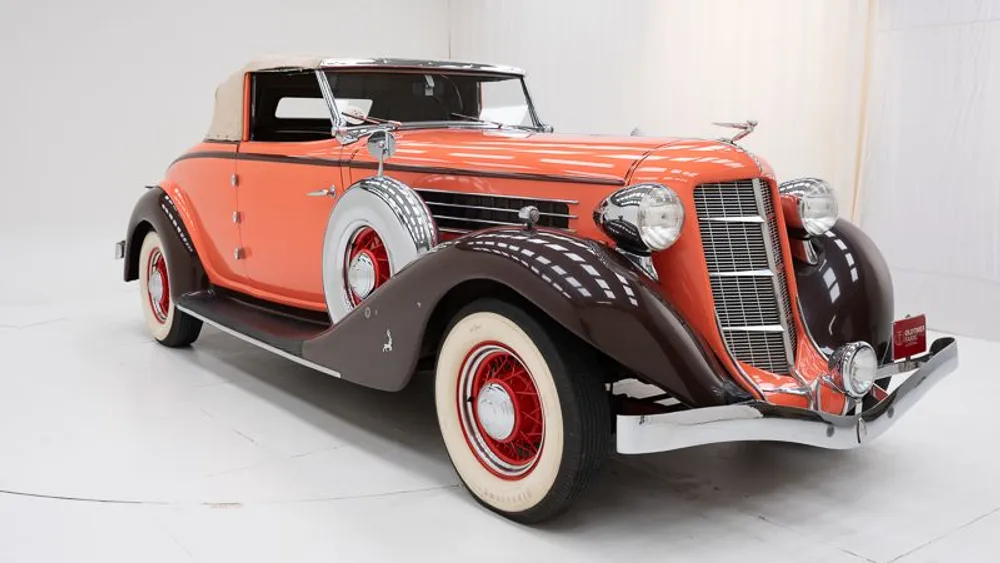
The 1936 Auburn Eight 852 Speedster stands as one of the most iconic and striking vehicles of the prewar era, combining American luxury, innovative engineering, and avant-garde styling into a single automotive masterpiece. Known for its sleek aerodynamic lines, powerful straight-eight engine, and luxurious coachwork, the Auburn Eight 852 Speedster epitomized the golden age of American automotive design in the 1930s.
For collectors, enthusiasts, and automotive historians, the 852 Speedster represents the pinnacle of prewar luxury performance cars—a machine that blended style, speed, and sophistication in ways few American manufacturers could achieve at the time.
This article explores the history, design, engineering, performance, cultural significance, and enduring legacy of the 1936 Auburn Eight 852 Speedster.
Auburn Automobile Company: A Legacy of Innovation
The Auburn Automobile Company, founded in 1900 in Auburn, Indiana, became part of the legendary Auburn-Cord-Duesenberg (ACD) group, a consortium of brands renowned for luxury, craftsmanship, and innovation.
By the 1930s, Auburn had firmly established itself as a luxury automaker with a flair for stylish design. The 852 line, particularly the Eight 852 Speedster, embodied the company’s commitment to combining performance, luxury, and visual impact.
Auburn’s approach was simple yet effective: produce vehicles that offered the excitement of a sports car with the comfort of a luxury automobile, appealing to wealthy, style-conscious buyers.
Introduction to the 1936 Auburn Eight 852 Speedster
The Eight 852 Speedster was one of Auburn’s flagship models in 1936. Distinguished by its straight-eight engine and sleek two-seat body, the Speedster was available in boattail and roadster variants, both of which emphasized aerodynamic design and visual elegance.
Key features included:
-
Supercharged straight-eight engine, producing 150–160 horsepower
-
Two-seat roadster body, with optional rumble seat for a third passenger
-
Aerodynamic styling, including long flowing fenders and boattail rear
-
Luxury interiors with leather upholstery, wood trim, and polished chrome
-
Lightweight body-on-frame construction with coachbuilt styling
The 852 Speedster was designed to impress—a combination of speed, luxury, and modern design that few other American vehicles could match.
Exterior Design and Styling
The 1936 Auburn Eight 852 Speedster is renowned for its stunning exterior design, which set new standards for American automotive aesthetics.
Front End
-
Large chrome grille with vertical slats and a bold presence
-
Sweeping headlights mounted on elegant fenders
-
Hood louvers for improved engine cooling and visual flair
-
Low-slung front profile emphasizing aerodynamics and speed
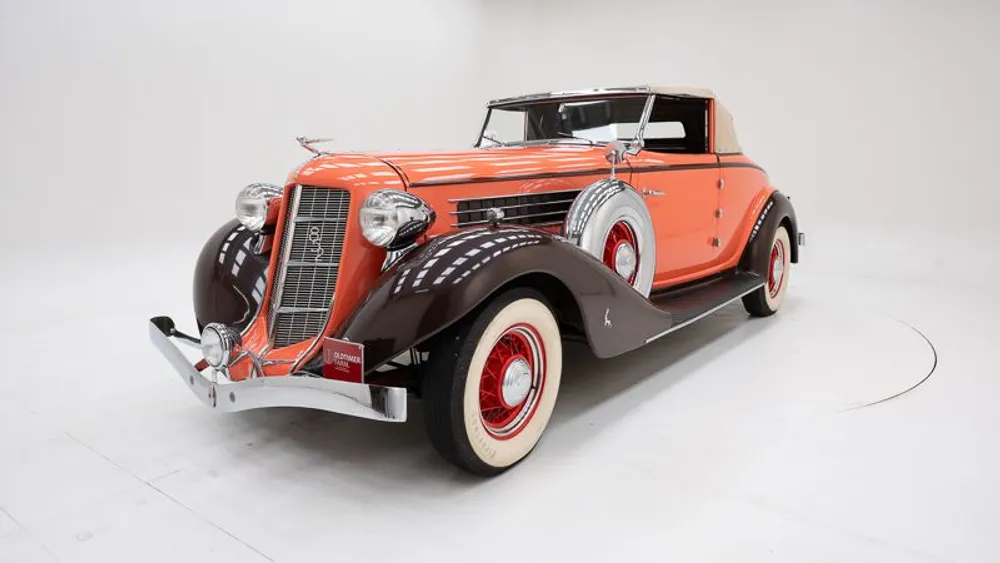
Side Profile
-
Dramatic, flowing fenders that extend seamlessly into the running boards
-
Two-door roadster layout emphasizing elegance and sportiness
-
Side-mounted spare tires on some models, adding vintage charm
-
Chrome trim accents highlighting the curves and length of the car
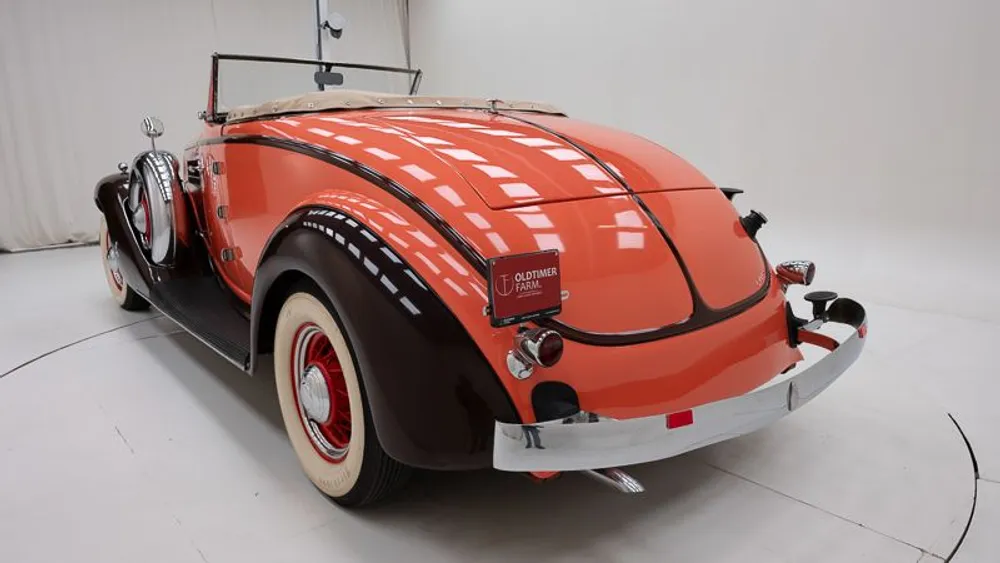
Rear Design
-
Boattail design in many variants, tapering elegantly for aerodynamic effect
-
Integrated fender lines maintaining the car’s fluid silhouette
-
Stylish taillight and chrome detailing
-
Optional rumble seat opening from the rear deck
The Auburn 852 Speedster’s design reflected the art deco influence of the era, blending beauty, functionality, and a sense of motion even when standing still.
Interior Luxury
Inside, the 852 Speedster was designed for comfort and refinement:
-
Leather upholstery in rich, period-appropriate colors
-
Wood-trimmed dashboard with art deco-inspired gauges
-
Steering wheel with polished wood rim and chrome accents
-
Optional rumble seat for an additional passenger
-
Carpeting and trim befitting a luxury automobile of the 1930s
The interior complemented the car’s exterior elegance, offering a luxurious yet driver-focused environment.
Engineering and Performance
The heart of the 1936 Auburn Eight 852 Speedster was its straight-eight engine, which balanced power and refinement.
Engine Specifications
-
Type: 4.6L straight-eight (Lycoming-based)
-
Supercharged option available, boosting performance
-
Horsepower: Approximately 150–160 hp
-
Top Speed: Up to 100 mph, remarkable for its time
Drivetrain and Suspension
-
Rear-wheel-drive configuration
-
Three-speed manual transmission with optional synchromesh
-
Semi-elliptical leaf springs and hydraulic shocks for a smooth yet controlled ride
-
Mechanical four-wheel brakes
The combination of engine power, lightweight construction, and advanced suspension gave the 852 Speedster impressive performance, rivaling many European luxury sports cars.
Variants and Customization
Auburn offered several variants of the 852 Speedster, allowing buyers to choose based on style and preference:
-
Boattail Speedster – Signature tapered rear, ideal for aerodynamic aesthetics
-
Roadster Convertible – Two-seat configuration with folding soft top
-
Rumble Seat Option – Additional seating for occasional passengers
-
Custom Coachwork – Paint, trim, and interior options tailored to buyer preferences
Each car could be customized with chrome accents, dual side-mounted spares, and bespoke interiors, making every 852 Speedster unique.
Technological Innovations
The 1936 Auburn Eight 852 Speedster was advanced for its time:
-
Supercharged engine for improved performance
-
Aerodynamic design reducing wind resistance
-
Optional mechanical or hydraulic upgrades for brakes and steering
-
Lightweight body for agility and speed
These innovations made the Speedster both stylish and capable, offering an unparalleled driving experience in the 1930s.
Cultural Significance
The 852 Speedster reflected the luxury, innovation, and optimism of prewar America:
-
Featured in automotive magazines and auto shows
-
Symbolized wealth, taste, and sophistication
-
Inspired future American luxury and sports car designs
Its influence extended globally, and its aesthetic and engineering principles remain studied by car historians and designers today.
Collectibility and Value
The 1936 Auburn Eight 852 Speedster is extremely rare today, making it highly desirable among collectors:
-
Rarity: Few surviving examples due to limited production and prewar attrition
-
Auction Value: Original Speedsters often fetch $1–3 million or more
-
Condition and Provenance: Well-preserved, original-condition cars command premium prices
Collectors prize the car for its styling, performance, and historical significance, cementing its status as an American automotive icon.
Restoration and Maintenance
Restoring an Auburn Eight 852 Speedster requires:
-
Careful attention to original mechanical specifications
-
Authentic upholstery, chrome, and wood trim
-
Engine rebuilding for straight-eight or supercharged variants
-
Electrical system restoration while preserving period-correct appearance
Due to scarce parts and specialized craftsmanship, restorations are often complex but yield a car of museum-quality value.
Comparison with Contemporary Vehicles
The Auburn 852 Speedster competed with top luxury cars of the era:
-
Duesenberg Model J – Ultra-luxury, more powerful but significantly more expensive
-
Packard Super Eight – Conservative luxury with high refinement
-
Cord 810/812 – Innovative front-wheel-drive and aerodynamic styling
-
Cadillac V8/V16 – Emphasized comfort over sporty performance
The Auburn 852 Speedster distinguished itself through boattail styling, supercharged performance, and roadster elegance, appealing to those seeking a combination of speed and luxury.
Driving Experience
Driving a 1936 Auburn Eight 852 Speedster today offers:
-
A hands-on, connected driving feel, unlike modern cars
-
Open-air motoring with wind-in-the-hair excitement
-
Attention from enthusiasts and spectators, thanks to its classic design
-
A glimpse into prewar American engineering, combining aesthetics and performance
While not as forgiving as modern vehicles, the Speedster rewards skillful drivers with a unique, thrilling experience.
Legacy
The Auburn Eight 852 Speedster’s legacy is defined by:
-
Design innovation: Aerodynamic boattail and flowing lines
-
Performance: Supercharged straight-eight engine competing with European luxury cars
-
Cultural impact: A symbol of American wealth and style in the 1930s
-
Collector value: One of the most prized prewar American cars
Even decades later, the 852 Speedster is celebrated in concours events, vintage car rallies, and automotive museums worldwide.
Modern Appreciation
Car enthusiasts today value the Auburn Eight 852 Speedster for:
-
Historical significance as a prewar luxury and performance car
-
Timeless styling, with flowing fenders and boattail design
-
Engineering excellence with a capable supercharged straight-eight
-
Collectibility, making it a prized acquisition for museums and private collectors
It remains a symbol of American innovation and luxury, bridging the gap between vintage elegance and automotive engineering.
Conclusion
The 1936 Auburn Eight 852 Speedster represents the apex of prewar American automotive design, combining style, performance, and craftsmanship. Its boattail rear, flowing fenders, supercharged straight-eight engine, and luxurious interiors created a car that was both aesthetic art and high-performance machine.
Today, the Auburn 852 Speedster is celebrated as a collector’s dream, a testament to the era of innovation and elegance that defined American luxury cars in the 1930s. For automotive historians, enthusiasts, and collectors, the 1936 Auburn Eight 852 Speedster continues to inspire admiration and awe, securing its place as one of the most iconic prewar American automobiles ever produced.
Read Also: Keep your face towards the sunshine and shadows will fall behind you
Watch Also: https://www.youtube.com/@TravelsofTheWorld24






Leave a Reply