
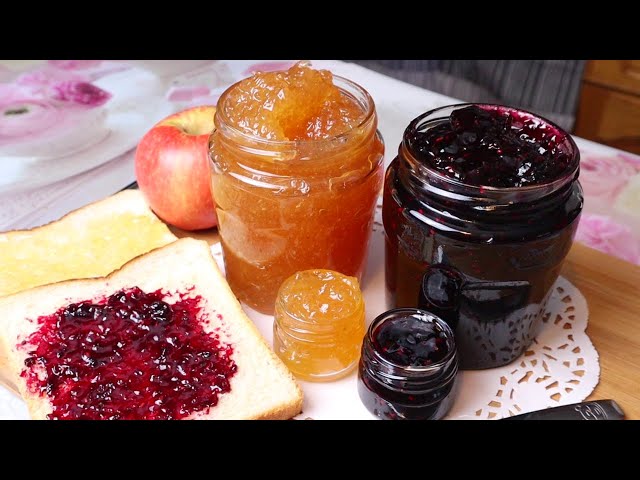
For many people, the idea of making jam at home feels overwhelming. Thoughts of boiling pots, precise timing, food safety rules, and complicated canning processes often discourage beginners before they even start. In reality, making jam is one of the easiest, most forgiving, and low-effort kitchen projects you can try. You don’t need advanced skills, expensive tools, or hours of free time. With just a few basic ingredients and a simple approach, homemade jam becomes accessible to everyone.
This article explains why jam-making is not something to fear, how easy it truly is, and why even first-time cooks can succeed with confidence.
1. Why People Are Afraid of Making Jam
Jam-making has gained an undeserved reputation as complicated. Common fears include:
-
Needing special jars or canning equipment
-
Worrying about food safety and spoilage
-
Confusing instructions and measurements
-
Fear of ending up with runny or overly thick jam
Much of this fear comes from traditional canning methods passed down through generations. While those methods still exist, they are not required for modern, small-batch jam-making.
2. Jam-Making Is Much Simpler Than It Sounds
At its core, jam is incredibly straightforward. It requires only three basic elements:
-
Fruit
-
Sugar
-
Heat
That’s it. When fruit is cooked with sugar, natural pectin activates and moisture evaporates, allowing the mixture to thicken. No complicated science, no advanced techniques—just patience and stirring.
3. You Don’t Need Fancy Equipment
Many people believe jam-making requires special tools. In truth, all you need is:
-
A regular saucepan or pot
-
A wooden spoon or spatula
-
A knife and cutting board
-
Clean jars or containers
You do not need a pressure canner, thermometer, or sterilization setup if you’re making jam for refrigerator storage. The barrier to entry is extremely low.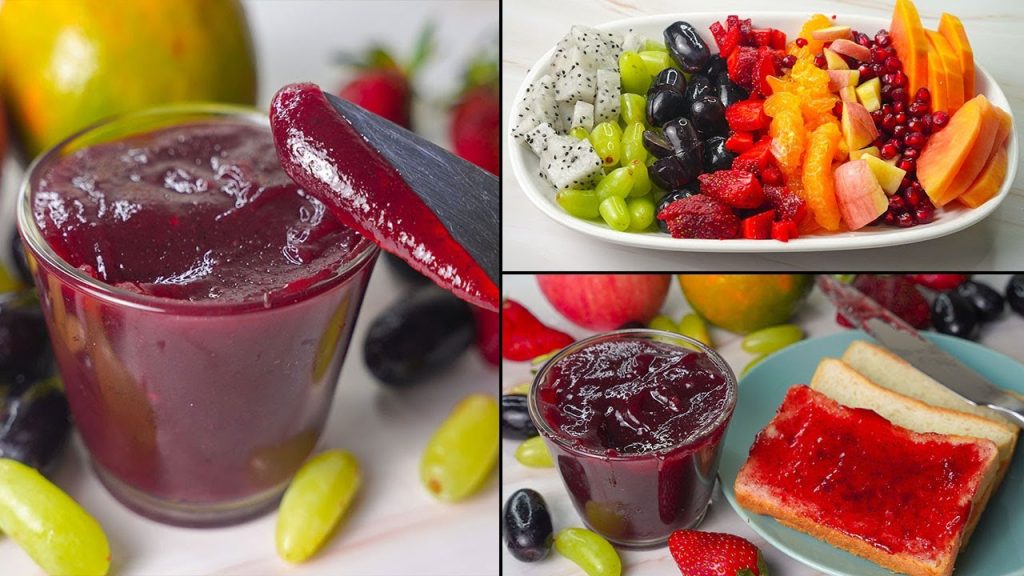
4. Small-Batch Jam Is the Best Way to Start
One of the easiest ways to avoid stress is to make jam in small quantities. Small-batch jam:
-
Uses 2–4 cups of fruit
-
Takes about 20–30 minutes
-
Produces 1–2 jars
-
Is easier to control and adjust
If something doesn’t turn out perfectly, it’s easy to fix or try again without wasting ingredients.
5. The Simple Jam Formula Anyone Can Remember
You don’t need a long recipe. This simple formula works every time:
Fruit + Sugar + Heat = Jam
A beginner-friendly ratio:
-
2 cups chopped fruit
-
¾ to 1 cup sugar (adjust to taste)
-
Optional lemon juice for balance
This basic method works with most fruits and gives reliable results.
6. Step-by-Step: The Easiest Jam Method
Step 1: Prepare the fruit
Wash, peel, pit, or chop your fruit. Perfection isn’t required—rustic is fine.
Step 2: Combine fruit and sugar
Add both to a saucepan and stir gently.
Step 3: Cook over medium heat
Bring the mixture to a gentle boil, then reduce to a simmer.
Step 4: Stir occasionally
Mash the fruit slightly if you want a smoother texture.
Step 5: Watch it thicken
After 15–25 minutes, the jam will naturally thicken.
Step 6: Cool and store
Transfer to jars, let cool, and refrigerate.
That’s all it takes.
7. No Pectin? No Problem
One of the biggest fears beginners have is pectin. The truth is:
-
Most fruits contain natural pectin
-
Commercial pectin is optional
-
Cooking longer thickens jam naturally
Fruits like apples, citrus, berries, and plums naturally help jam set without any additives.
8. Common Jam “Mistakes” Are Easily Fixed
Even if something goes wrong, jam is forgiving.
-
Too runny? Cook it longer or use it as syrup
-
Too thick? Add a little water or juice
-
Too sweet? Add lemon juice
-
Slightly scorched? Transfer to a new pot and avoid scraping the bottom
Almost every issue has a simple solution.
9. Refrigerator Jam Makes Everything Easier
You do not have to can jam to enjoy it. Refrigerator jam:
-
Lasts 2–4 weeks
-
Requires no special equipment
-
Is perfect for beginners
-
Tastes just as good
This approach removes most of the stress people associate with jam-making.
10. The Best Fruits for First-Time Jam Makers
Some fruits are especially beginner-friendly:
-
Strawberries
-
Blueberries
-
Raspberries
-
Peaches
-
Mangoes
-
Apples
These fruits cook evenly, taste great, and thicken naturally.
11. Jam Is Budget-Friendly
Homemade jam can be surprisingly economical:
-
Use seasonal or overripe fruit
-
Avoid preservatives and additives
-
Make exactly the amount you need
It’s also a great way to reduce food waste by using fruit before it spoils.
12. Easy Flavor Add-Ins That Feel Fancy
With almost no extra effort, you can elevate your jam:
-
Strawberry + vanilla
-
Peach + cinnamon
-
Blueberry + lemon zest
-
Mango + lime
-
Apple + ginger
One small addition can make your jam feel gourmet.
13. Jam Is More Versatile Than You Think
Homemade jam isn’t just for toast. Use it in:
-
Yogurt and oatmeal
-
Pancakes and waffles
-
Cakes and pastries
-
Cheese boards
-
Glazes for meats
Jam quickly becomes a multipurpose kitchen staple.
14. Jam-Making Is Great for Beginners and Families
Jam-making is safe and approachable for all ages:
-
Kids can help wash fruit and stir
-
It teaches basic cooking skills
-
Results are quick and rewarding
It’s an ideal introduction to cooking without pressure.
15. Why Homemade Jam Tastes Better
Homemade jam stands out because:
-
Fresher fruit flavor
-
Adjustable sweetness
-
No artificial preservatives
-
Texture you control
Once you make your own, store-bought jam often feels overly sweet and artificial.
16. Jam-Building Kitchen Confidence
Making jam helps develop essential skills:
-
Heat control
-
Flavor balancing
-
Texture awareness
-
Patience and timing
These skills carry over into sauces, soups, and desserts.
17. Perfection Is Not Required
Homemade jam doesn’t need to look perfect:
-
Uneven texture is normal
-
Cloudy color is fine
-
Homemade charm is part of the appeal
Imperfection doesn’t mean failure—it means authenticity.
18. Jam-Making Encourages Slowing Down
Jam-making is calming:
-
Stirring gently
-
Watching fruit transform
-
Enjoying the aroma
Even a short jam session can feel grounding and relaxing.
19. Once You Try It, Fear Disappears
Most people who make jam for the first time say the same thing:
“I can’t believe I was scared of this.”
Jam-making proves that many cooking fears are unnecessary.
20. Conclusion
Making jam is not complicated, dangerous, or intimidating. It’s one of the easiest kitchen projects you can try, especially when approached with a modern, small-batch mindset.
Key takeaways:
-
You don’t need special equipment
-
Small batches reduce stress
-
Mistakes are fixable
-
Refrigerator jam is perfect for beginners
If you’ve ever hesitated to make jam, now is the time to let go of that fear. Grab some fruit, add sugar, apply heat, and trust the process. You’ll discover that making jam is a low-effort, high-reward endeavor—and there’s truly no reason to be scared.
Read Also: Keep your face towards the sunshine and shadows will fall behind you
Watch Also: https://www.youtube.com/@TravelsofTheWorld24










Leave a Reply