

Physical fitness is essential at any age, but during the teenage years, it plays a unique role in overall development. For teens, a well-structured workout routine not only improves strength and endurance but also enhances mental health, posture, coordination, and confidence. However, designing a workout routine for teenagers requires careful attention to growth patterns, safety, and proper guidance.
In this article, we will explain the best workout routine for teens, including exercises, structure, safety tips, and weekly planning. This guide is suitable for beginners as well as teens who want to improve their athletic performance or simply stay fit.
Why Teens Should Exercise
Exercise during adolescence provides numerous benefits, including:
-
Muscle and Bone Development – Weight-bearing exercises help strengthen bones and support healthy growth.
-
Cardiovascular Health – Regular aerobic activity improves heart and lung function.
-
Weight Management – Exercise helps maintain a healthy weight and prevents early obesity.
-
Mental Health – Physical activity reduces stress, anxiety, and symptoms of depression.
-
Improved Coordination and Balance – Workouts enhance motor skills and athletic performance.
-
Confidence and Discipline – Consistent training builds self-esteem, resilience, and routine.
Important Guidelines for Teen Workouts
Before diving into exercises, teens must follow these essential guidelines:
1. Focus on Form, Not Heavy Weights
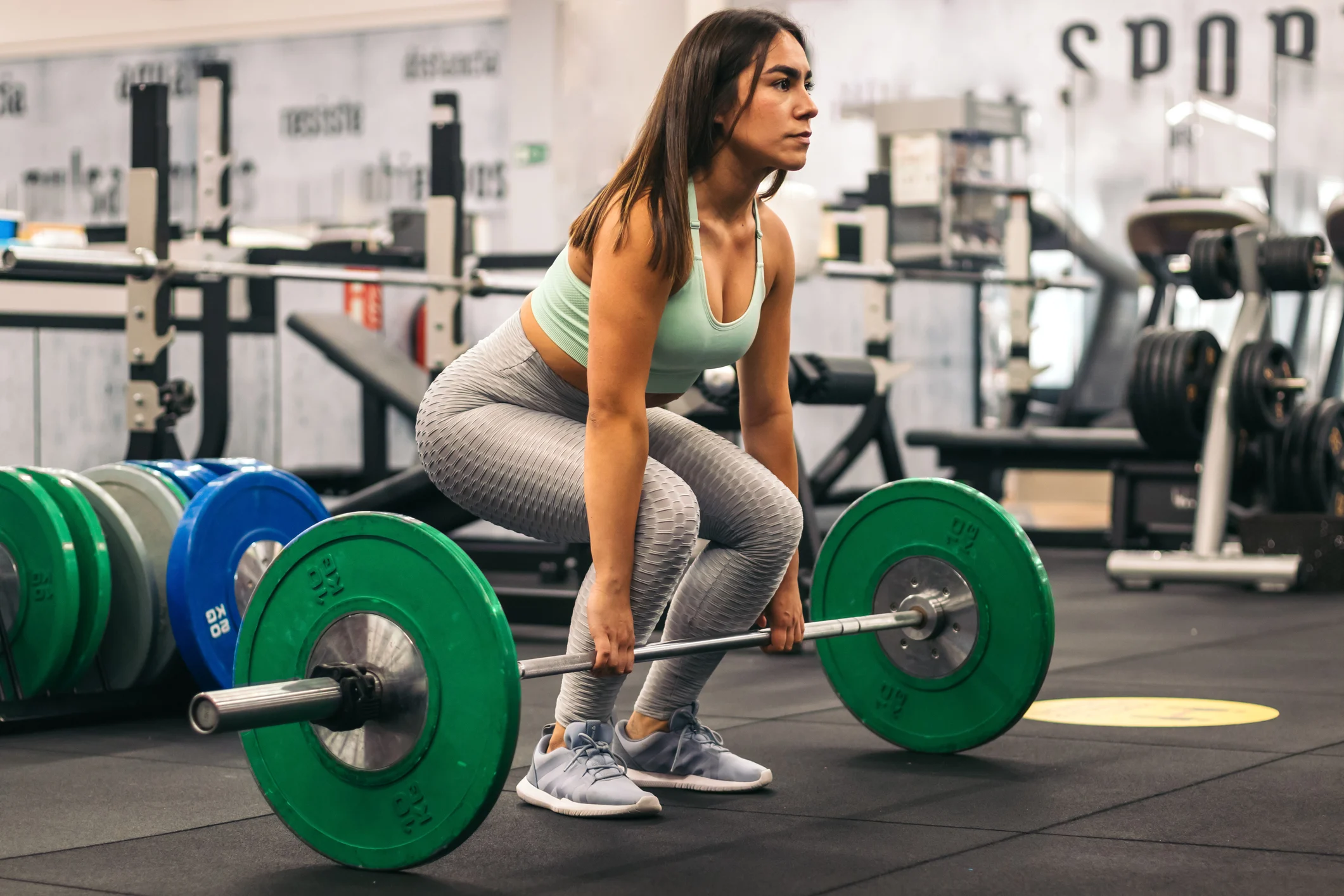
Teen bodies are still developing. Proper form and technique are far more important than lifting heavy weights. Begin with light weights or bodyweight exercises to avoid injuries.
2. Warm-Up and Cool-Down
-
Warm-up (5–10 minutes): Increases blood flow, prepares muscles, and reduces injury risk. Include jumping jacks, jogging in place, arm circles, and dynamic stretches.
-
Cool-down (5–10 minutes): Helps recovery, reduces soreness, and improves flexibility. Include static stretches for all major muscle groups.
3. Gradual Progression
Progressive overload is important, but it should be gradual. Teens should increase weights, reps, or intensity slowly over weeks, not days.
4. Frequency
Teens should aim for 3–5 workout sessions per week, depending on their fitness level and other physical activities like sports.
5. Rest and Recovery
Muscles grow and recover during rest. Ensure at least one rest day per week and adequate sleep (8–10 hours per night).
6. Nutrition and Hydration
-
Balanced diet: Include lean protein, complex carbs, healthy fats, fruits, and vegetables.
-
Hydration: Drink plenty of water before, during, and after workouts. Avoid sugary drinks.
Teen Workout Routine Overview
A good teen workout routine should include a balance of strength training, cardio, and flexibility exercises. Here’s a breakdown:
-
Strength Training – Bodyweight exercises or light dumbbells to build muscle safely.
-
Cardio – Running, cycling, swimming, or jumping rope to improve endurance and heart health.
-
Flexibility and Mobility – Stretching, yoga, or dynamic movements to enhance movement range.
-
Core Training – Strengthens abdominal and lower back muscles for better posture and balance.
Full Workout Routine for Teens (Weekly Plan)
Here’s a 5-day workout plan designed for teens, fully explained with sets, reps, and tips.
Day 1: Full Body (Beginner-Friendly)
Warm-Up (5–7 minutes)
-
Jumping jacks – 2 minutes
-
Arm swings and leg swings – 2 minutes
-
Bodyweight squats – 1–2 minutes
Workout
-
Push-Ups – 3 sets x 10–15 reps
-
Targets chest, shoulders, and triceps.
-
Modify with knees on floor if necessary.
-
-
Bodyweight Squats – 3 sets x 12–15 reps
-
Targets quads, glutes, and hamstrings.
-
Keep back straight and core engaged.
-
-
Plank – 3 sets x 20–30 seconds
-
Strengthens core and stabilizes back.
-
-
Superman Exercise – 3 sets x 12 reps
-
Lie face down, lift arms and legs, hold briefly, then lower.
-
Strengthens lower back and improves posture.
-
Cool-Down
-
Static stretches: hamstrings, quads, chest, and shoulders – 5 minutes
Day 2: Cardio & Core
Warm-Up (5 minutes)
-
High knees or jogging in place
-
Arm circles
Workout
-
Running or Jogging – 15–20 minutes
-
Can be outdoors or on a treadmill.
-
-
Bicycle Crunches – 3 sets x 15 reps per side
-
Targets obliques and rectus abdominis.
-
-
Mountain Climbers – 3 sets x 30 seconds
-
Improves endurance, core stability, and agility.
-
-
Leg Raises – 3 sets x 12 reps
-
Strengthens lower abdominal muscles.
-
Cool-Down
-
Stretch core and hip flexors – 5 minutes
Day 3: Upper Body Strength
Warm-Up (5–7 minutes)
-
Arm swings, shoulder rotations, push-ups
Workout
-
Dumbbell Shoulder Press – 3 sets x 12 reps
-
Use light dumbbells for safety.
-
-
Dumbbell Rows – 3 sets x 12 reps per arm
-
Strengthens upper back and biceps.
-
-
Bicep Curls (Dumbbells) – 3 sets x 12 reps
-
Focus on slow controlled movement.
-
-
Tricep Dips (Chair) – 3 sets x 10 reps
-
Keep feet on floor for beginners.
-
-
Push-Ups – 2 sets x 12 reps
-
Finish with compound upper body movement.
-
Cool-Down
-
Stretch arms, shoulders, and chest – 5 minutes
Day 4: Lower Body & Core
Warm-Up (5–7 minutes)
-
Bodyweight lunges, hip circles, light jogging
Workout
-
Dumbbell Squats or Goblet Squats – 3 sets x 12 reps
-
Hold dumbbell close to chest.
-
-
Lunges – 3 sets x 10 reps per leg
-
Step forward, maintain balance and form.
-
-
Calf Raises – 3 sets x 15 reps
-
Can hold dumbbells for extra resistance.
-
-
Side Plank – 3 sets x 20–30 seconds per side
-
Strengthens obliques and core stability.
-
-
Glute Bridges – 3 sets x 12 reps
-
Lie on back, lift hips, squeeze glutes at the top.
-
Cool-Down
-
Stretch quads, hamstrings, calves, and glutes – 5 minutes
Day 5: Cardio & Agility
Warm-Up (5 minutes)
-
Light jogging or jump rope
-
Dynamic stretches: arm circles, torso twists
Workout
-
Jump Rope – 5–10 minutes
-
Excellent for cardio and coordination.
-
-
Burpees – 3 sets x 8–10 reps
-
Full-body explosive exercise for strength and endurance.
-
-
Lateral Shuffles – 3 sets x 20 seconds
-
Improves agility and lower body strength.
-
-
High Knees – 3 sets x 30 seconds
-
Boosts cardiovascular endurance.
-
-
Plank with Shoulder Taps – 3 sets x 10 taps per side
-
Engages core, shoulders, and balance.
-
Cool-Down
-
Stretch legs, arms, and core – 5 minutes
Day 6: Active Recovery / Light Activity
-
Go for a brisk walk, bike ride, or swim: 20–30 minutes
-
Gentle stretching or yoga for flexibility and mobility
Day 7: Rest / Recovery
-
Take a complete rest day
-
Optional light stretching or foam rolling
Additional Tips for Teens
-
Prioritize Sleep – Teens need 8–10 hours per night for recovery and growth.
-
Stay Hydrated – Water before, during, and after workouts is essential.
-
Consistency Over Intensity – Focus on building a habit before lifting heavier.
-
Avoid Peer Pressure – Progress at your own pace, don’t compare to older athletes.
-
Balanced Nutrition – Include proteins (eggs, lean meat, legumes), complex carbs (oats, rice, whole grains), healthy fats (nuts, avocado), fruits, and vegetables.
-
Listen to Your Body – Muscle soreness is normal, sharp pain is a warning sign.
Common Mistakes Teens Should Avoid
-
Skipping Warm-Up or Cool-Down – Leads to injuries and poor flexibility.
-
Lifting Too Heavy Too Soon – Can cause growth plate injuries.
-
Ignoring Form – Always focus on proper technique.
-
Overtraining – Muscles need recovery; avoid daily high-intensity sessions.
-
Poor Nutrition – Fitness results are closely tied to diet.
Equipment Teens Can Use at Home
-
Dumbbells – Adjustable or fixed weight for strength exercises.
-
Resistance Bands – Great for mobility and resistance training.
-
Jump Rope – Excellent for cardio and coordination.
-
Yoga Mat – For floor exercises and stretching.
-
Sturdy Chair or Bench – For tricep dips, step-ups, or seated exercises.
Benefits of Following This Teen Workout Routine
-
Balanced development of all major muscle groups
-
Improved cardiovascular health and endurance
-
Increased strength, flexibility, and coordination
-
Better posture and reduced risk of injuries
-
Enhanced mental health, focus, and confidence
-
Development of healthy habits for lifelong fitness
Conclusion
Teenagers who engage in a structured workout routine gain far more than just physical strength. Exercise supports healthy growth, confidence, mental clarity, and overall wellness. This best workout routine for teens is safe, effective, and fully explained to provide balanced development, endurance, and strength.
By combining strength training, cardio, and flexibility exercises, and by following proper guidelines for form, rest, and nutrition, teens can maximize their fitness potential safely. The key is consistency, patience, and gradual progression.
Starting young builds a strong foundation for a lifetime of health and fitness, making this routine ideal for any teen looking to improve their body, mind, and athletic ability.
Read Also: Keep your face towards the sunshine and shadows will fall behind you
Watch Also: https://www.youtube.com/@TravelsofTheWorld24










Leave a Reply