

Once you’ve passed the beginner stage in the gym, the rules change. Your body has adapted to basic training, and progress comes slower. This is where intermediate-level fitness begins—a stage that requires smarter workouts, better programming, and strategic nutrition. If you want to keep building muscle, strength, and endurance, you need more than just showing up and lifting weights.
This guide will break down the key strategies, exercises, and tips to help intermediate lifters level up their fitness game and avoid plateaus.
Understanding Intermediate Fitness
Before diving into exercises and strategies, it’s important to understand what “intermediate” actually means.
Signs You’re Intermediate
-
You’ve been consistently training for 6–18 months
-
You’ve mastered basic exercises like squats, deadlifts, and bench press
-
You’re no longer seeing rapid gains from simple routines
-
You can handle heavier weights and more complex movements
-
You understand basic nutrition but may need refinement
At this stage, volume, intensity, and technique matter more than sheer effort. Progress comes from smart programming, recovery, and consistency.
1. Progressive Overload Is Key
The number one principle in intermediate training is progressive overload. Your body adapts to stress, so if you keep lifting the same weight for the same reps, gains plateau.
Ways to Apply Progressive Overload
-
Increase Weight – Add 2–5% to your lifts every 1–2 weeks
-
Increase Reps – Once you hit your weight target, increase reps per set
-
Increase Sets – Add an extra set to boost volume
-
Improve Technique – Better range of motion, slower eccentric phase, controlled movements
-
Decrease Rest – Shorter rest periods increase intensity and challenge endurance
Tip: Track your workouts in a journal or app. Tracking is how intermediate lifters stay ahead of plateaus.
2. Train With Compound Movements
While isolation exercises are fun, compound lifts are the backbone of intermediate training. They engage multiple muscle groups and allow you to lift heavier weights.
Must-Do Compound Exercises
-
Squat: Builds quads, glutes, and core
-
Deadlift: Strengthens the posterior chain (back, glutes, hamstrings)
-
Bench Press: Chest, shoulders, triceps
-
Overhead Press: Shoulders, triceps, core stability
-
Pull-Ups / Chin-Ups: Lats, biceps, upper back
-
Barbell Rows: Back thickness, posture, pulling strength
Tip: Perform compound exercises first in your routine while energy is highest.
3. Add Isolation Exercises Strategically
Intermediate lifters benefit from isolation exercises to target lagging muscle groups or improve weak points.
Examples
-
Bicep curls: Build arm size
-
Triceps pushdowns: Improve triceps for stronger pressing
-
Lateral raises: Shoulder width
-
Leg curls / extensions: Quadriceps and hamstrings
-
Calf raises: Complete lower leg development
Strategy: Pair compound lifts with 1–2 isolation exercises per muscle group to maximize growth.
4. Use Different Training Techniques
Intermediate lifters can experiment with advanced training methods to increase intensity and volume.
Popular Techniques
-
Drop Sets: Perform a set, reduce the weight, and continue to failure
-
Supersets: Pair two exercises back-to-back with no rest
-
Pyramid Sets: Increase weight each set, then decrease for burnout
-
Tempo Training: Slow down the eccentric (lowering) phase to increase tension
-
AMRAP (As Many Reps As Possible): Push your limits safely
Tip: Don’t overdo advanced techniques—they should complement your base program, not replace it.
5. Structure Your Weekly Program
Intermediate training requires structured programming. Random gym sessions won’t cut it.
Sample 4-Day Split
Day 1: Upper Body Strength
-
Bench Press: 4×6
-
Barbell Rows: 4×8
-
Overhead Press: 3×8
-
Pull-Ups: 3×Max
-
Bicep Curls: 3×12
-
Triceps Pushdowns: 3×12
Day 2: Lower Body Strength
-
Squats: 4×6
-
Deadlifts: 3×5
-
Walking Lunges: 3×12 per leg
-
Leg Curls: 3×12
-
Calf Raises: 4×15
Day 3: Rest / Active Recovery
-
Mobility work
-
Light cardio
-
Stretching
Day 4: Push-Pull Hypertrophy
-
Incline Bench Press: 4×10
-
Lat Pulldowns: 4×12
-
Dumbbell Shoulder Press: 3×12
-
Barbell Curls: 3×15
-
Skull Crushers: 3×15
Day 5: Lower Body & Core Hypertrophy
-
Front Squats: 4×10
-
Romanian Deadlifts: 4×10
-
Step-Ups: 3×12 per leg
-
Hanging Leg Raises: 4×12
-
Plank Variations: 3×60 sec
Days 6–7: Rest or light active recovery (walking, swimming, yoga)
Tip: Adjust sets, reps, and intensity based on goals—strength vs hypertrophy.

6. Pay Attention to Recovery
Intermediate lifters push harder, so recovery becomes critical. Muscles grow outside the gym, not inside it.
Recovery Strategies
-
Sleep: 7–9 hours per night
-
Stretching / Mobility: 10–15 minutes post-workout
-
Active Recovery: Walking, light cardio, yoga
-
Nutrition: Fuel muscle repair with protein, carbs, and healthy fats
-
Rest Days: Do not skip them—overtraining hinders progress
Tip: Recovery also includes mental health. Stress reduces gains.
7. Nutrition for Intermediate Gains
Intermediate lifters often plateau due to nutrition gaps.
Macronutrient Guidelines
-
Protein: 0.8–1 g per pound of bodyweight (chicken, fish, eggs, lentils)
-
Carbs: Fuel workouts and recovery (rice, oats, potatoes)
-
Fats: Support hormone health (avocados, nuts, olive oil)
Pre-Workout Nutrition
-
Balanced meal 60–90 minutes before training
-
Moderate carbs for energy
-
Protein for sustained performance
Post-Workout Nutrition
-
Protein shake or meal within 1 hour
-
Include simple carbs to replenish glycogen
-
Hydrate consistently
Tip: Track calories and macros for 2–3 weeks to identify deficiencies.
8. Track Progress Consistently
Intermediate lifters must monitor progress meticulously.
What to Track
-
Weight lifted, sets, and reps
-
Body measurements (arms, chest, waist, legs)
-
Body fat percentage
-
Energy levels and sleep quality
Tip: Use a workout journal, app, or spreadsheet. Seeing progress motivates consistency.
9. Avoid Common Intermediate Mistakes
Even experienced lifters can sabotage gains if they’re not careful.
Common Pitfalls
-
Sticking to old routines – Adapt your program every 8–12 weeks
-
Skipping warm-ups – Leads to injuries
-
Neglecting compound lifts – Isolation alone won’t build strength
-
Poor nutrition – You can’t out-train a bad diet
-
Overtraining – More is not always better
Tip: Evaluate your progress monthly and adjust volume, intensity, or exercise selection.
10. Mindset & Motivation
At the intermediate level, mental strength matters as much as physical strength.

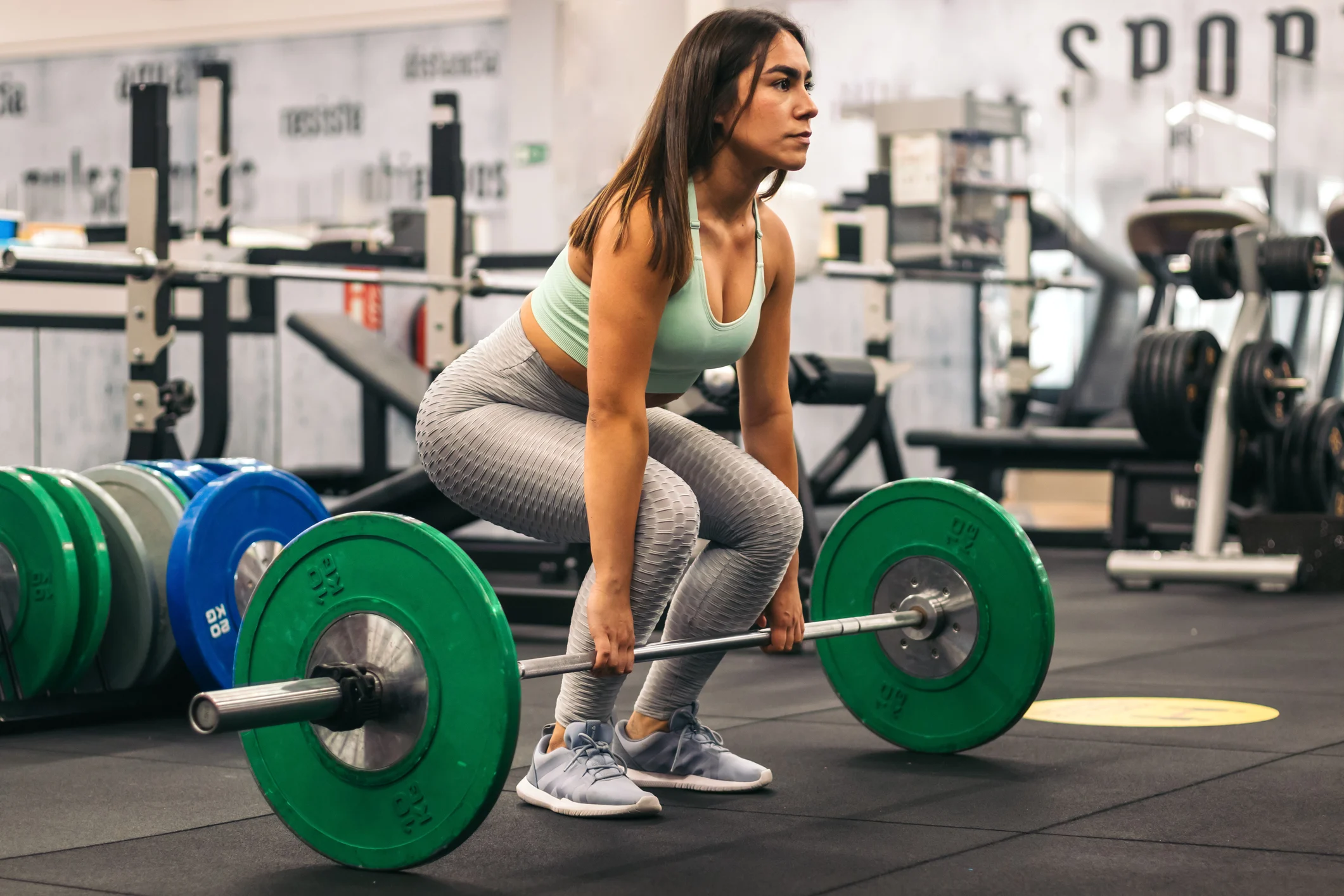
Special Occasions Posts – Woman with Weights
Keys to a Winning Mindset
-
Consistency > Perfection: Don’t skip workouts
-
Focus on Technique: Every rep counts
-
Challenge Yourself: Try heavier weights or new exercises
-
Set Goals: Strength, hypertrophy, endurance, or aesthetics
-
Stay Patient: Gains take time at this stage
Tip: Find a training partner or join a community to stay accountable.
Sample Intermediate Goals
-
Strength Goal: Bench press 1.5× bodyweight
-
Hypertrophy Goal: Increase arm size by 1 inch in 8 weeks
-
Endurance Goal: Perform 15 strict pull-ups in a row
-
Fitness Goal: Reduce body fat while maintaining muscle
Conclusion
Intermediate-level fitness is about smart, disciplined, and progressive training. You’ve moved beyond the beginner stage, so your workouts need structure, variety, and intensity. By focusing on compound lifts, progressive overload, proper nutrition, and recovery, you can continue to build strength, muscle, and endurance efficiently.
Remember: Consistency beats intensity alone, and progression beats repetition. The body adapts quickly, so your strategy must evolve. Train smarter, track your gains, fuel your body, and respect recovery. Intermediate fitness isn’t easy, but with the right mindset, it’s where you start building the strongest, healthiest version of yourself.
Read Also: Keep your face towards the sunshine and shadows will fall behind you
Watch Also: https://www.youtube.com/@TravelsofTheWorld24










Leave a Reply