

In the age of social media, where every outfit choice can spark a cultural firestorm, few controversies capture public attention quite like the collision of faith, fashion, and fame. Such was the case recently when Dr. Karri Turner Bryant, educator, author, and wife of prominent pastor Jamal Bryant, found herself at the center of a viral debate after stepping out in a form-fitting nude-toned dress that critics quickly labeled “inappropriate” for a pastor’s wife.
What followed was not just online outrage, but a larger conversation about modesty, misogyny, religious expectations, and modern womanhood. As opinions flew across social platforms, Dr. Karri Turner Bryant broke her silence—not with apology, but with gratitude. She publicly thanked her husband, Pastor Jamal Bryant, for standing firmly in her defense, a move that earned both praise and criticism in equal measure.
So was this a case of modesty gone wrong—or cultural mayhem revealing deeper societal double standards?
The Outfit That Sparked the Internet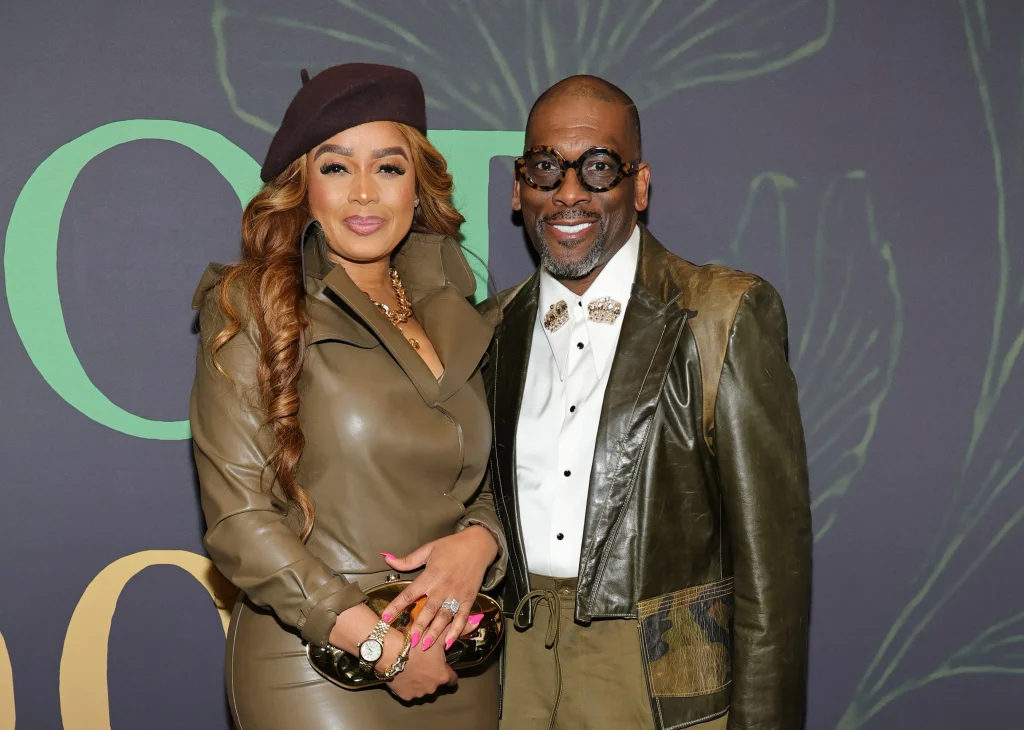
The controversy erupted after photos and short video clips circulated online showing Dr. Karri Turner Bryant attending a public event in a sleek, nude-colored dress. The gown, while elegant and tailored, hugged her curves and created the illusion of bare skin—a fashion technique long popular on red carpets and runways.
Almost instantly, the images went viral.
Critics—many identifying themselves as members of Christian or church communities—questioned whether such attire aligned with the expectations traditionally placed on a pastor’s spouse. Some went as far as to accuse Dr. Bryant of undermining the sanctity of her husband’s ministry.
Comments ranged from mild disapproval to harsh condemnation:
-
“A pastor’s wife should dress modestly.”
-
“This is not a godly example.”
-
“How can the church preach holiness when this is what leadership wears?”
Yet just as loud were the voices pushing back.
Supporters argued that the outrage revealed deep-rooted sexism and unrealistic expectations imposed on women in faith leadership circles—expectations rarely applied to men.
Who Is Dr. Karri Turner Bryant?
To reduce Dr. Karri Turner Bryant to “a pastor’s wife” misses the full picture.
Dr. Bryant is an accomplished educator, leadership consultant, and author in her own right. She has spent years advocating for personal development, empowerment, and self-awareness—particularly among women navigating faith-based spaces.
Those who know her work point out that she has never shied away from conversations about identity, confidence, and autonomy, even when those discussions challenge traditional norms.
For supporters, the viral moment felt less like a fashion critique and more like an attempt to police a woman’s body under the guise of religious concern.
Pastor Jamal Bryant Steps In
Amid the online uproar, many wondered whether Pastor Jamal Bryant—senior pastor of the influential New Birth Missionary Baptist Church—would address the situation.
He did.
Rather than distancing himself or offering a cautious statement, Pastor Bryant unequivocally defended his wife. He dismissed the criticism as misplaced judgment and emphasized that his wife’s character, intellect, and calling far outweighed superficial debates over fabric and silhouette.
According to those close to the couple, Pastor Bryant was particularly troubled by the way scripture and morality were weaponized against his wife—especially by people who knew little about her or their marriage.
His stance sent a clear message: his wife would not be shamed publicly or privately under his watch.
Dr. Bryant’s Response: Gratitude, Not Guilt
Dr. Karri Turner Bryant eventually addressed the situation herself—not with defensiveness, but with grace and clarity.
In a heartfelt message shared online, she thanked her husband for standing up for her, calling his support an example of what partnership should look like in both marriage and ministry.
She did not apologize for the dress.
Instead, she reframed the narrative, emphasizing that a woman’s worth is not defined by public comfort or outdated standards of modesty. She acknowledged the criticism but made it clear that confidence and conviction—not shame—guide her choices.
Her response resonated with many women who have long felt constrained by expectations tied to their roles, relationships, or religious affiliations.
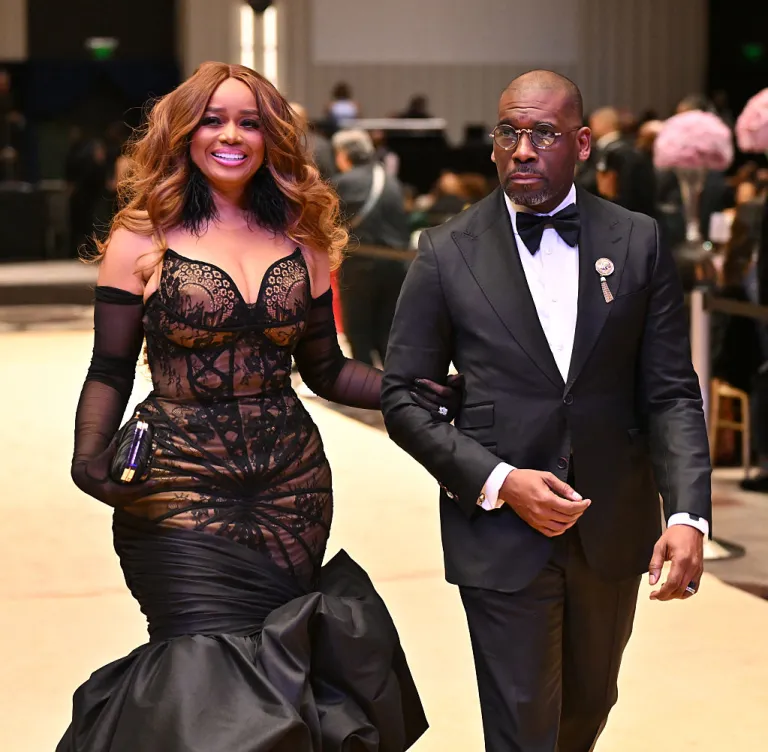
The Double Standard Debate
At the heart of the controversy lies a familiar question: Why are women in faith spaces held to stricter visual standards than men?
Pastors regularly wear expensive suits, designer watches, and luxury shoes without similar scrutiny. Yet when a woman expresses style, femininity, or confidence, it is often labeled “distracting” or “unbecoming.”
Critics of the backlash argue that the outrage reflects a broader discomfort with women who refuse to shrink themselves—even within religious contexts.
Supporters of Dr. Bryant point out that modesty is subjective, culturally influenced, and too often weaponized to control women rather than cultivate spiritual growth.
Faith, Fashion, and the Modern Church
The nude dress debacle highlights a larger tension facing modern faith communities: how to balance tradition with contemporary expression.
Younger generations increasingly reject rigid dress codes, seeing them as distractions from deeper spiritual values like compassion, integrity, and justice. For them, faith is not measured in hem lengths but in lived ethics.
Dr. Bryant’s situation became symbolic of this generational shift—a reminder that the church is grappling with evolving definitions of leadership, authenticity, and inclusion.
Public Reaction: Divided but Passionate
Social media remained split long after the initial wave of commentary.
Supporters praised the couple, applauding Pastor Bryant for modeling public support and calling Dr. Bryant’s response empowering.
Critics, however, doubled down, insisting that visibility comes with responsibility and that faith leaders’ families should uphold traditional standards.
What’s undeniable is that the moment sparked conversation far beyond one dress—touching on marriage, autonomy, gender roles, and the future of religious leadership.
A Marriage on Display
While public scrutiny can strain even the strongest relationships, the Bryants’ united front offered a different narrative—one of mutual respect and solidarity.
In a world quick to pit spouses against each other for public approval, their response underscored the importance of private alignment over public opinion.
For many observers, that message proved more powerful than any outfit ever could.
Modesty or Mayhem? A Cultural Mirror
So was this controversy about modesty—or was it mayhem revealing unresolved cultural anxieties?
Perhaps it was both.
Dr. Karri Turner Bryant’s viral moment forced uncomfortable questions into the spotlight: Who decides what is appropriate? Why are women’s bodies still battlegrounds for moral debates? And can faith communities evolve without losing their core values?
What’s clear is that the conversation isn’t going away.
As society continues to negotiate the intersection of belief, identity, and self-expression, moments like these serve as mirrors—reflecting not just individual choices, but collective assumptions.
Final Thoughts
In thanking her “holy hubby” for defending her, Dr. Karri Turner Bryant did more than acknowledge spousal support—she challenged a system that too often confuses control with conviction.
Whether one views the nude dress as bold, inappropriate, or simply fashionable, the larger takeaway remains: a woman’s faith is not stitched into her clothing, and partnership means standing together when the world is watching.
Read Also: Keep your face towards the sunshine and shadows will fall behind you
Watch Also: https://www.youtube.com/@TravelsofTheWorld24















Leave a Reply