
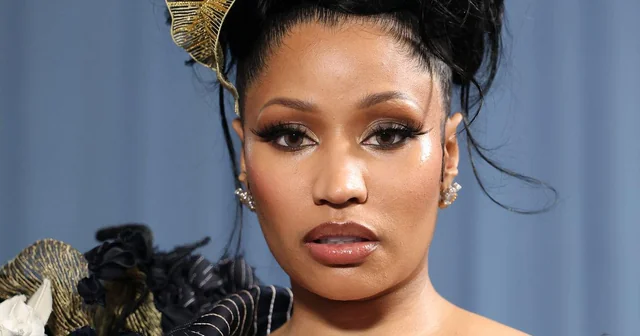
Rap superstar Nicki Minaj has responded publicly to criticism from a contestant on RuPaul’s Drag Race following remarks she made regarding political affiliations, specifically her comments connected to MAGA supporters. The controversy has sparked a heated debate across social media and entertainment news outlets, raising questions about the intersection of celebrity, politics, and fandom in 2026.
The Original Controversy
The drama began when Minaj, known for her provocative social media presence and unapologetic commentary, posted a message that was interpreted by some fans as supportive of MAGA—or at least sympathetic to certain viewpoints associated with former President Donald Trump. Though Minaj has historically expressed herself as independent-minded and contrarian, this particular post triggered backlash among LGBTQ+ communities and pop culture observers.
Among the critics was drag performer and former RuPaul’s Drag Race contestant, who took to social media to openly call out Minaj, questioning her alignment with a political movement widely criticized for policies perceived as hostile to minority and queer communities.
The exchange quickly gained traction online, with fans, journalists, and fellow celebrities weighing in. Twitter threads, Instagram stories, and TikTok reactions amplified the discussion, creating a viral moment that brought Minaj back into the center of the political spotlight.
Nicki Minaj’s Response
In response to the criticism, Minaj fired back in her signature style—direct, witty, and unapologetic. She posted a series of tweets clarifying her stance, emphasizing that her views were being misinterpreted, and that she does not support any form of discrimination.
“Y’all love to twist words… I’ve always said I make my own choices, I don’t let anyone dictate my beliefs,” Minaj wrote, adding that she values freedom of thought and expression above all.
She also referenced her longstanding support for marginalized communities in music and activism, asserting that her track record demonstrates her commitment to equity and representation, regardless of political labels.
Minaj’s response was widely covered by entertainment outlets, with headlines ranging from “Nicki Minaj Claps Back at Drag Star Over Political Feud” to “Queen of Rap Sets the Record Straight Amid MAGA Controversy.”
The RuPaul’s Drag Race Star’s Criticism
The drag star in question, who gained popularity on a recent season of RuPaul’s Drag Race, used social media to highlight Minaj’s comments, framing them as inconsistent with allyship toward LGBTQ+ communities. The performer emphasized the responsibility that public figures have in shaping discourse and expressed disappointment that Minaj, a figure with significant influence, appeared to align with a movement they consider harmful.
The exchange sparked debates among fans of Drag Race, Minaj’s music, and political commentators alike. Some viewers sided with the drag performer, arguing that celebrities should be held accountable for political statements, while others defended Minaj’s right to independent thought and nuance.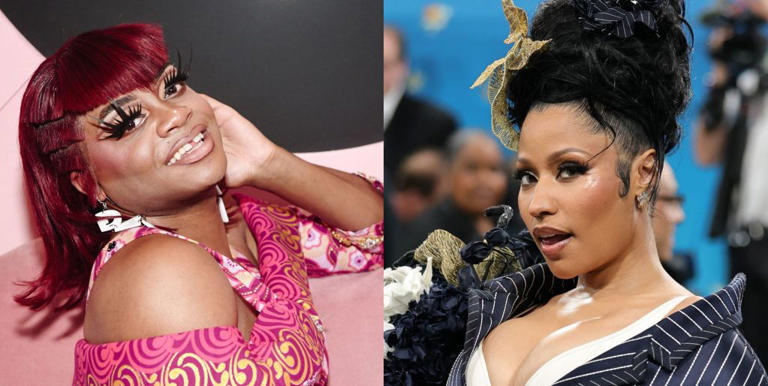
Social Media Reaction
The feud quickly dominated social media platforms. Hashtags like #NickiVsDragRace and #MinajClapback trended across Twitter, Instagram, and TikTok, generating millions of impressions in just 24 hours. Clips of Minaj’s response, along with memes and commentary from both sides, circulated widely.
Fans debated whether the criticism was fair or whether Minaj was being targeted unfairly because of her celebrity status. Some LGBTQ+ users defended the drag performer, while others acknowledged that Minaj’s history of supporting marginalized communities complicated the narrative.
The situation illustrates the polarized nature of celebrity discourse in 2026, where personal opinions and political interpretations are dissected at an unprecedented scale.
Historical Context of Minaj’s Public Commentary
Nicki Minaj has long been known for her outspoken personality. Over the years, she has used social media to address everything from the music industry to personal relationships to social justice issues. While her comments have occasionally sparked controversy, Minaj has built a reputation for being unapologetically herself.
Her history of supporting LGBTQ+ communities, women in music, and empowerment campaigns has often put her in a position of influence, making her statements on politics particularly scrutinized. The latest MAGA-related backlash represents the latest episode in a career punctuated by high-profile feuds, bold statements, and moments of viral discourse.
Implications for Celebrity Politics
This feud highlights a broader trend in contemporary celebrity culture: the merging of entertainment, politics, and social media accountability. Figures like Minaj are no longer simply musicians—they are also influencers whose words carry weight in cultural and political conversations.
Criticism from other celebrities or influencers, such as the Drag Race star, reflects expectations that public figures should align with social movements and community advocacy. At the same time, fans debate the limits of accountability, freedom of expression, and the degree to which political affiliation should affect celebrity standing.
The situation has prompted media commentators to analyze the role of social media in amplifying disagreements and shaping public perception in real-time.
Responses from the Music and Drag Communities
Reactions from Minaj’s peers in the music industry have been mixed. Some artists praised her assertiveness, while others expressed concern about the perception of supporting controversial political ideas. Meanwhile, members of the drag and LGBTQ+ communities debated whether the criticism from the Drag Race star was constructive or performative.
The incident has also sparked discussions about the intersectionality of celebrity influence, where musicians, performers, and influencers navigate complex landscapes of race, politics, sexuality, and fandom.
Media Coverage
Entertainment outlets quickly picked up the story. Headlines emphasized both Minaj’s rebuttal and the broader political context. Analysts noted that Minaj’s ability to respond directly via social media allows her to control her narrative in ways previous generations of artists could not.
Coverage also highlighted the tension between Minaj’s established legacy as a champion for marginalized voices and the potential consequences of perceived political misalignment.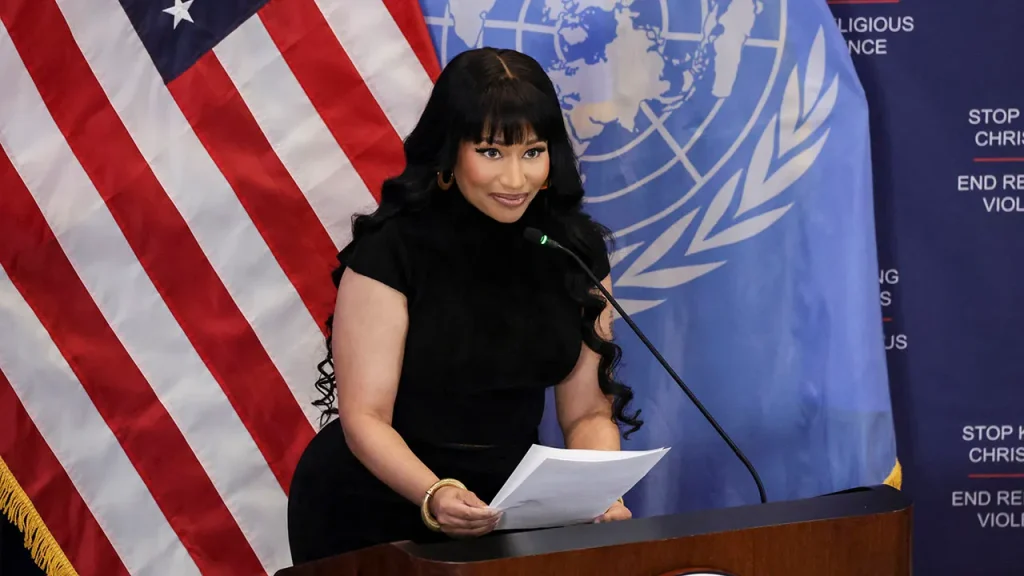
Lessons for Fans and Public Figures
For fans, the feud offers a lesson in how celebrity culture intersects with political and social identity. Minaj’s defense illustrates the ways in which public figures attempt to clarify or reframe controversial statements, while the drag star’s critique shows how communities expect accountability from influential personalities.
The exchange underscores the delicate balance artists must maintain between personal expression, public perception, and activism in a digitally connected world.
Conclusion
Nicki Minaj’s clash with a RuPaul’s Drag Race star over MAGA-related backlash highlights the complexities of celebrity discourse in the modern era. It illustrates the power of social media to amplify disagreements, the scrutiny that public figures face regarding political positions, and the tension between personal belief and public responsibility.
While the debate continues online, Minaj’s response demonstrates her commitment to controlling her narrative and defending her autonomy. At the same time, the incident serves as a reminder that celebrity influence carries both opportunity and accountability—and that cultural conversations about politics, entertainment, and identity are increasingly intertwined.
As 2026 unfolds, this feud will likely remain a case study in how modern artists navigate public life, personal beliefs, and the expectations of diverse fan communities.
Read Also: Keep your face towards the sunshine and shadows will fall behind you
Watch Also: https://www.youtube.com/@TravelsofTheWorld24




Leave a Reply