
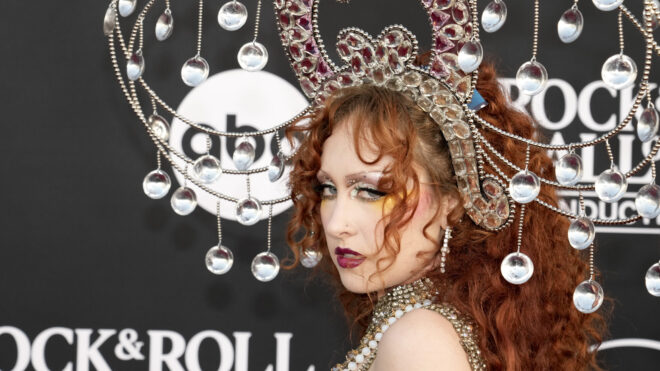
Rising pop star Chappell Roan has sparked widespread discussion across social media and the entertainment world after deleting a tribute she had posted honoring French film icon Brigitte Bardot, citing the late star’s “very disappointing” views as the reason for her decision. The move has reignited debates about how modern artists engage with cultural icons of the past — and whether admiration for artistic influence can or should be separated from personal beliefs.
Roan, known for her bold aesthetic, theatrical pop sound and outspoken values, addressed the situation directly after fans questioned why her tribute disappeared. In a candid explanation, the singer made it clear that while Bardot’s visual legacy influenced fashion and film for decades, her political and social positions were incompatible with Roan’s own beliefs.
The Deleted Tribute
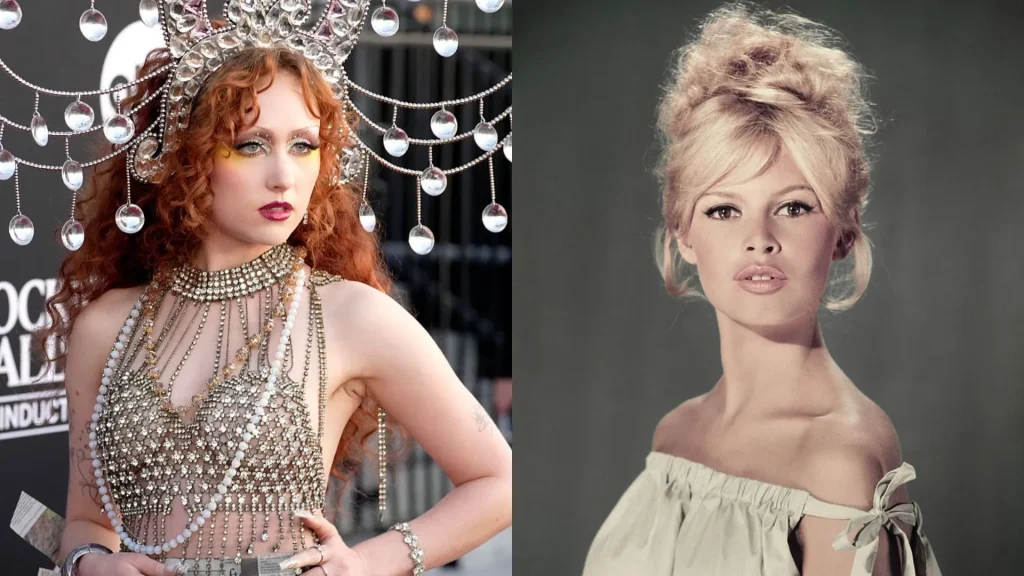
Chappell Roan originally shared the tribute on social media earlier this month, posting a stylized image referencing Bardot’s signature 1960s look — voluminous blonde hair, dramatic eyeliner, and retro glamour. The post was part of a broader trend in pop culture where contemporary artists pay homage to classic Hollywood and European cinema icons.
However, the tribute did not remain online for long. Within hours, fans began pointing out Bardot’s well-documented history of controversial and inflammatory statements, particularly regarding immigration, Islam, and multiculturalism in France.
Soon after, the post was deleted — prompting speculation and debate.
Chappell Roan Speaks Out
Rather than ignoring the backlash, Roan chose transparency. In a follow-up message, she explained her decision plainly, calling Bardot’s views “very disappointing” and stating that learning more about them made her uncomfortable continuing to celebrate the actress publicly.
Roan emphasized that while she initially admired Bardot’s aesthetic and cinematic influence, she could not reconcile that admiration with values she strongly opposes.
“It’s important for me to stand by what I believe in,” Roan said in essence, adding that she does not want her work or platform to appear as an endorsement of harmful ideologies.
Her response was widely shared and praised by fans who appreciated her willingness to reassess and correct her actions publicly.
Who Was Brigitte Bardot?
Brigitte Bardot was one of the most recognizable faces of 20th-century cinema. Rising to fame in the 1950s and 1960s, she became a global symbol of beauty, sensuality, and rebellion through films such as And God Created Woman.
Beyond acting, Bardot shaped fashion trends that still resonate today — from bikini culture to effortless French glamour. Her influence can be seen in countless musicians, designers, and performers who draw inspiration from her image.
However, Bardot’s later life became increasingly defined by controversy.
The Controversial Views
In the decades following her retirement from acting, Bardot became known for outspoken and often inflammatory political opinions. She faced multiple legal convictions in France for inciting racial hatred and made repeated statements criticizing immigration and Islam.
These views, widely condemned by human rights organizations and progressive audiences, have complicated her legacy. While she also gained respect for her work in animal rights activism, her political rhetoric overshadowed many of her later contributions.
For younger generations discovering Bardot primarily through aesthetics and pop-culture references, this contrast has led to renewed scrutiny.
Separating Art from the Artist?
Roan’s decision taps into a long-running cultural question: Can art be appreciated independently of the artist’s beliefs?
Some argue that historical figures should be judged within the context of their time, and that artistic influence can exist apart from personal ideology. Others believe that continued celebration of controversial figures risks normalizing or excusing harmful views.
Roan appears to fall firmly in the latter camp.
Her choice reflects a broader shift among Gen-Z and millennial artists, who often prioritize ethical alignment and accountability over tradition or nostalgia.
Fan Reactions: Mostly Supportive
Reaction online was swift and largely supportive. Many fans praised Roan for listening, learning, and acting quickly rather than doubling down.
Comments across platforms described her response as “mature,” “thoughtful,” and “responsible.” Others noted that her transparency made the situation a learning moment rather than a scandal.
That said, a minority criticized the deletion, arguing that Bardot’s artistic legacy should not be erased or that Roan overreacted to online pressure.
A Pattern in Roan’s Career
Chappell Roan has built her rising career on authenticity and self-expression. Known for her theatrical performances, queer-positive messaging, and outspoken interviews, she has never shied away from discussing identity, values, or accountability.
This incident aligns with her public persona — one that prioritizes reflection over defensiveness and community dialogue over silence.
Rather than framing herself as “canceling” Bardot, Roan framed her decision as a personal boundary: what she is and isn’t comfortable celebrating.
Pop Culture’s Relationship With Old Icons
Roan’s decision highlights a growing challenge for contemporary artists: many cultural icons from the past come with complex, sometimes troubling histories.
As social media accelerates access to information, tributes that once seemed harmless can quickly spark controversy. Artists are increasingly expected to research, contextualize, and sometimes reconsider references that previous generations celebrated without question.
This shift doesn’t necessarily erase history — but it does demand greater nuance.
Accountability vs. Perfection
Importantly, Roan did not claim she was perfect or fully informed from the start. Instead, she acknowledged that she learned more after posting and chose to act accordingly.
This approach resonated with fans who see growth and accountability as more important than never making mistakes.
In an era where public figures are often criticized for refusing to admit error, Roan’s response stood out.
The Broader Industry Conversation
The incident also feeds into larger discussions within music and fashion industries about references, inspiration, and responsibility.
Stylists, photographers, and designers frequently draw from historical figures — but as audiences become more socially conscious, those references are increasingly scrutinized.
Roan’s choice may encourage other artists to approach tributes with more context and care moving forward.
What This Means for Roan’s Image
Far from damaging her reputation, the situation appears to have strengthened Roan’s bond with her fanbase. Her willingness to address the issue directly reinforced her image as an artist who listens and evolves.
For many fans, that honesty is part of her appeal.
Conclusion
Chappell Roan’s decision to delete her Brigitte Bardot tribute over the late star’s “very disappointing” views reflects a changing cultural landscape — one where influence is examined as closely as aesthetics.
By choosing accountability over nostalgia, Roan added her voice to a growing conversation about how modern artists engage with complicated legacies. Rather than dismissing criticism or staying silent, she chose transparency — a move that many see as both principled and refreshing.
As pop culture continues to revisit the past, moments like this underscore an evolving truth: admiration today often comes with reflection, responsibility, and the courage to change course.
Read Also: Keep your face towards the sunshine and shadows will fall behind you
Watch Also: https://www.youtube.com/@TravelsofTheWorld24





Leave a Reply