
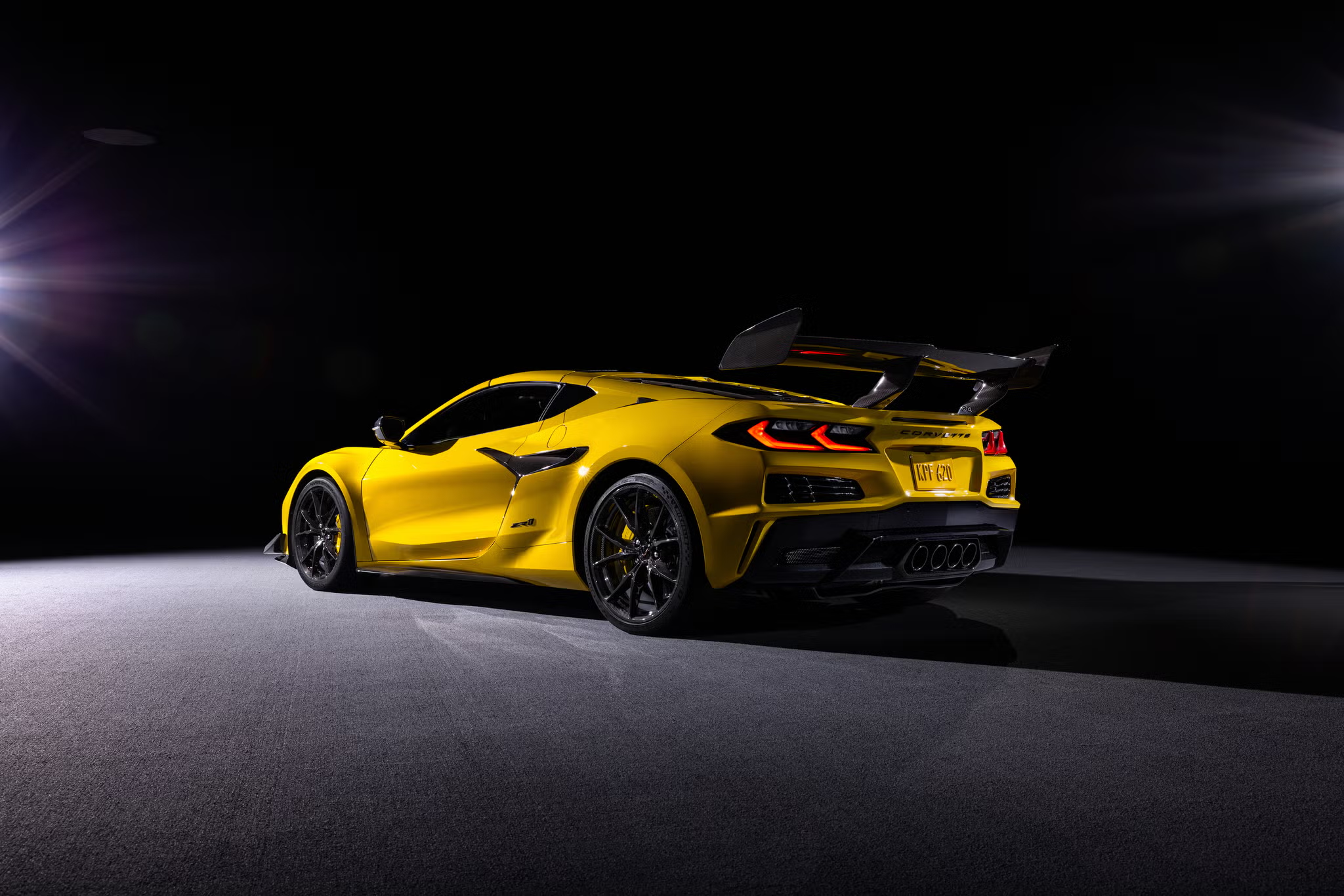
Thanksgiving is a time to reflect on heritage, gratitude, and the traditions that shaped America. While turkey dinners, parades, and football dominate the holiday, automobiles deserve a special place in the celebration. Few things are as deeply woven into the American identity as cars. From cross-country road trips to suburban driveways, American automobiles have represented freedom, innovation, power, and cultural pride for more than a century.
As families gather around the table this Thanksgiving, it’s the perfect moment to look back and celebrate the greatest American cars—vehicles that didn’t just transport people but helped define eras, inspire dreams, and put the United States at the forefront of global automotive history.
The Automobile and the American Dream
The automobile transformed America more profoundly than almost any other invention of the 20th century. Cars reshaped cities, enabled suburban growth, created millions of jobs, and turned mobility into a symbol of personal freedom. Unlike Europe, where cars were once luxuries, America embraced mass ownership early, making the automobile accessible to ordinary families.
From assembly lines to drive-in theaters and Route 66, cars became intertwined with daily life. Each generation of American cars reflected the country’s values at the time—post-war optimism, muscle-car rebellion, fuel-efficiency realism, and modern technological ambition.
Ford Model T (1908): The Car That Put America on Wheels
No list of great American cars can begin anywhere else.
The Ford Model T didn’t just change transportation—it changed society. Introduced in 1908, it was the first automobile built using true mass-production techniques, thanks to Henry Ford’s revolutionary assembly line. This innovation slashed production costs and made car ownership affordable for millions of Americans.
Before the Model T, cars were expensive toys for the wealthy. After it, farmers, factory workers, and small-town families could own a vehicle. The Model T helped connect rural America, boosted economic growth, and laid the foundation for the modern automotive industry.
Why it matters:
-
First affordable mass-market car
-
Revolutionized manufacturing
-
Created car ownership as a norm, not a luxury
Chevrolet Bel Air (1955–1957): Post-War Optimism on Wheels
The Chevrolet Bel Air symbolized America’s booming confidence after World War II. With its chrome accents, tailfins, bold colors, and V8 power, the Bel Air captured the joy and optimism of the 1950s.
Families cruised in Bel Airs to diners, beaches, and drive-in theaters. It wasn’t just transportation—it was rolling art. Chevrolet’s small-block V8 also set a performance benchmark that influenced generations of engines worldwide.
Why it matters:
-
Icon of 1950s American culture
-
Introduced legendary small-block V8
-
Combined style, comfort, and performance
Ford Mustang (1964): The Birth of the Pony Car
When Ford unveiled the Mustang in 1964, it created an entirely new automotive segment overnight. Stylish, affordable, sporty, and customizable, the Mustang appealed to young buyers like no car before it.
The Mustang represented freedom, rebellion, and youth culture. It appeared in movies, music, and motorsports, becoming a cultural icon almost instantly. Within two years, Ford sold more than a million Mustangs.
Even today, the Mustang remains one of America’s strongest automotive symbols, evolving with modern technology while retaining its soul.
Why it matters:
-
Created the pony car segment
-
Massive cultural and commercial success
-
Still in production after six decades
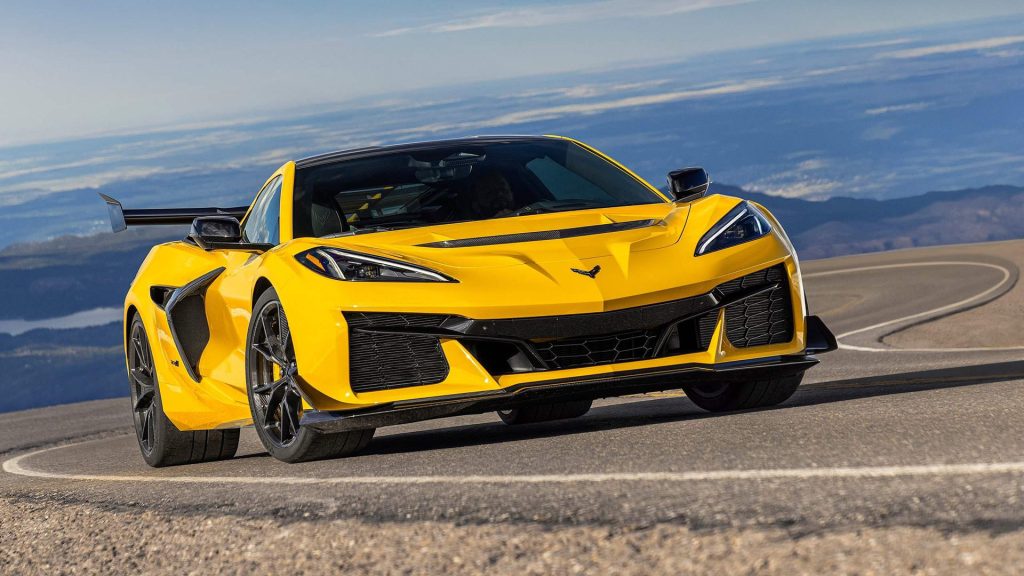
Chevrolet Corvette (1953–Present): America’s Sports Car
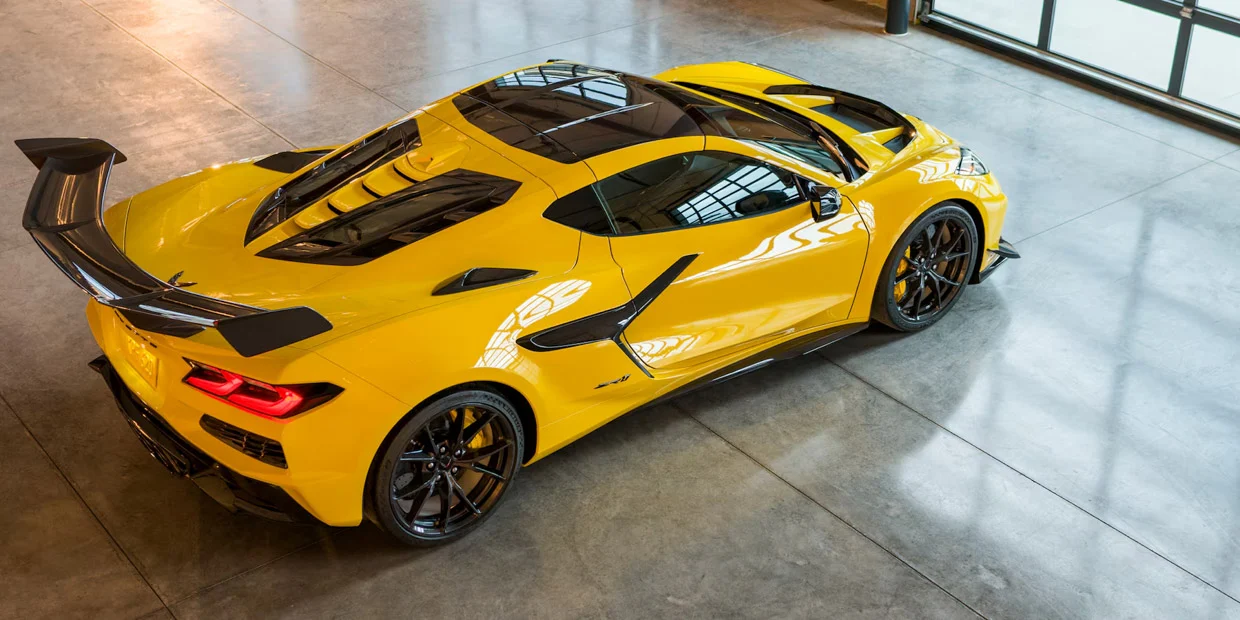
The Chevrolet Corvette stands as proof that America could build a world-class sports car. Introduced in 1953, the Corvette blended sleek styling with serious performance, eventually becoming a legitimate rival to European sports cars.
Over the decades, the Corvette evolved from a stylish cruiser into a high-performance machine capable of competing on racetracks worldwide. The latest mid-engine Corvette C8 marks one of the boldest reinventions in automotive history.
Why it matters:
-
Longest-running American sports car nameplate
-
Constant innovation in performance and design
-
Global recognition and respect
Dodge Charger (1968–1970): Muscle Car Madness
The late 1960s marked the golden age of American muscle cars, and the Dodge Charger stood at the center of the storm. With its aggressive fastback design and monstrous V8 engines, the Charger represented raw American horsepower.
From drag strips to Hollywood, the Charger became legendary. It was loud, bold, and unapologetic—everything muscle cars stood for. Modern Chargers keep the spirit alive, blending muscle heritage with modern comfort and technology.
Why it matters:
-
Icon of the muscle-car era
-
Aggressive styling and massive engines
-
Continues muscle legacy today
Jeep Wrangler (and Willys MB): Built for Freedom
Few vehicles symbolize American resilience and adventure like the Jeep. Its roots trace back to the Willys MB, the military vehicle that helped Allied forces win World War II. After the war, Jeep evolved into a civilian icon of toughness and exploration.
The modern Jeep Wrangler retains that rugged DNA. It’s not just a vehicle—it’s a lifestyle. From rock crawling to beach cruising, the Wrangler embodies the spirit of independence.
Why it matters:
-
Military heritage
-
Legendary off-road capability
-
Timeless design and cultural impact
Cadillac Eldorado (1953–1970s): American Luxury Redefined
When it came to luxury, Cadillac ruled America for decades. The Eldorado represented excess, elegance, and prestige. With massive proportions, powerful engines, and lavish interiors, it was the car of presidents, celebrities, and executives.
Cadillac defined what American luxury meant—comfort, presence, and confidence. The Eldorado’s dramatic tailfins and bold styling remain iconic symbols of mid-century America.
Why it matters:
-
Defined American luxury
-
Cultural status symbol
-
Engineering and design leadership
Tesla Model S (2012): The Electric Revolution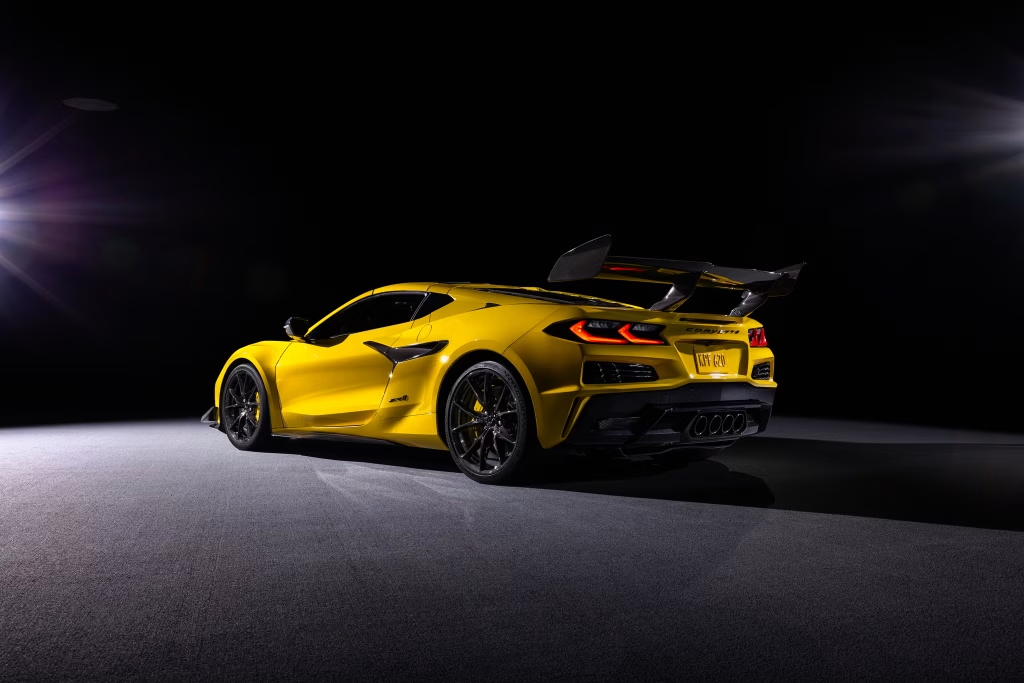
The definition of “great American car” has evolved, and the Tesla Model S proves that innovation is still alive. When it launched, the Model S shattered perceptions about electric vehicles, offering long range, thrilling acceleration, and cutting-edge technology.
Tesla didn’t just build a car—it disrupted the entire global auto industry. Today, electric vehicles are mainstream, and the Model S stands as the catalyst.
Why it matters:
-
Made EVs desirable and aspirational
-
Redefined performance benchmarks
-
Positioned America as an EV leader
Ford F-Series (1948–Present): America’s Workhorse
No celebration of American cars is complete without mentioning the Ford F-Series, the best-selling vehicle line in U.S. history. For decades, these trucks have powered farms, construction sites, and family businesses across the country.
The F-Series represents dependability, strength, and practicality. Modern versions blend toughness with luxury and advanced technology, proving that trucks can evolve without losing their core purpose.
Why it matters:
-
Best-selling vehicle in America
-
Backbone of American industry
-
Symbol of reliability and strength
Thanksgiving and the Open Road
Thanksgiving has always been about coming together, and cars make those reunions possible. Long highway drives, roadside diners, packed SUVs, and pickup trucks loaded with family memories—these experiences are uniquely American.
Automobiles have helped families cross states, connect generations, and create traditions. Whether it’s a classic muscle car parked proudly in the driveway or a modern electric vehicle silently cruising home, cars remain central to the Thanksgiving journey.
Looking Ahead: The Future of American Cars
As America moves toward electrification, autonomy, and sustainability, the spirit that built these legendary cars remains unchanged. Innovation, ambition, and freedom continue to drive the industry forward.
Future American cars may run on electrons instead of gasoline, but they will still tell stories—of families, freedom, and the road ahead.
Read Also: Keep your face towards the sunshine and shadows will fall behind you
Watch Also: https://www.youtube.com/@TravelsofTheWorld24






Leave a Reply