
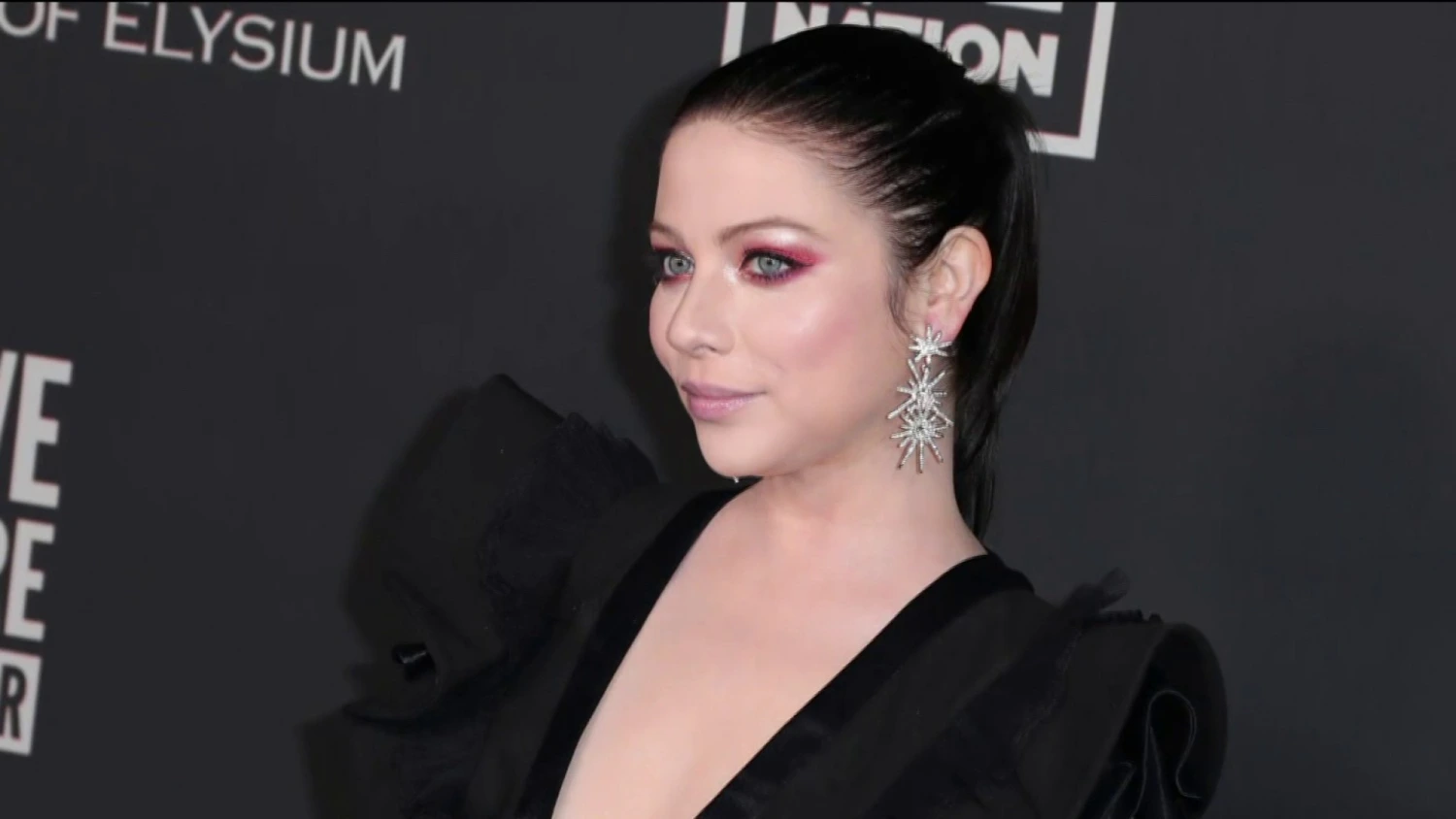
In early 2025, the entertainment world was shaken by the sudden passing of Michelle Trachtenberg, the beloved actress best known for her roles on Gossip Girl and Buffy the Vampire Slayer. Initially, the cause of her death remained unclear, leading to months of speculation, outpourings of grief from fans and colleagues, and questions about her health in the final years of her life. Then, nearly two months after her passing, authorities finally released an official explanation: she had died from complications of diabetes mellitus — a chronic medical condition that can have serious, sometimes fatal consequences when it’s inadequately managed or interacts with other health factors.
In this extensive article, we explore who Michelle Trachtenberg was, what happened in her final weeks, how her cause of death was confirmed, and what her legacy means to the millions who adored her work.
Who Was Michelle Trachtenberg? A Star From Childhood
Michelle Trachtenberg was an American actress whose career spanned over three decades — a rare achievement in an industry that’s notoriously difficult for child actors to navigate. Born on October 11, 1985, in New York City, she first captured media attention with early television roles, including parts on The Adventures of Pete & Pete and other Nickelodeon productions.
But it was her role as Dawn Summers — the younger sister of Buffy in Buffy the Vampire Slayer — that established her as a recognizable young talent. The series, which ran from 1997 to 2003 and became a cultural touchstone, gave her widespread exposure and helped build a loyal fanbase.
Trachtenberg continued to evolve as an actress. She starred in teen films like Ice Princess and EuroTrip, showing impressive comic timing and dramatic range. But perhaps her most iconic role came in 2007 when she was cast as Georgina Sparks on Gossip Girl, a character whose sharp wit, audacity, and unpredictable antics made her one of the show’s most talked‑about figures. The series ran until 2012 and later returned for a revival in which Trachtenberg reprised her role.
Her resume also included parts in films such as Harriet the Spy, 17 Again, and television roles on shows like NCIS: Los Angeles and Criminal Minds. Over the years, she became known not just for her versatility but for a kind of effortless charm that made her presence memorable in every project she joined.
Circumstances of Her Death: What Happened in February 2025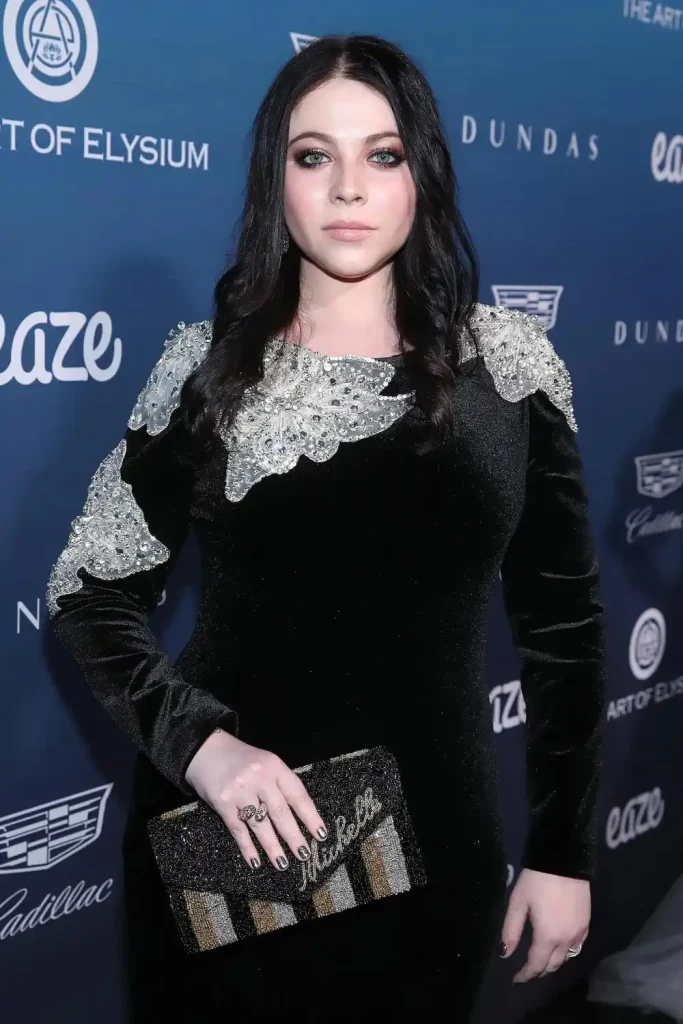
On February 26, 2025, the world received the devastating news: Michelle Trachtenberg had been found unresponsive in her New York City apartment and was later pronounced dead at age 39.
Emergency responders — including the NYPD and paramedics — were called to the residential building near Columbus Circle after a 911 call. Authorities confirmed that no foul play was suspected and that the death was being investigated as a medical event. Initial reports noted that she had not been well in recent years and had undergone significant health procedures, including a liver transplant prior to her death.
The news sparked shock across Hollywood and among fans worldwide. Social media rapidly filled with condolences from co‑stars, creators, and admirers, many of whom had grown up watching her rise from child star to accomplished adult performer. Even colleagues from her early roles, such as Buffy The Vampire Slayer, reflected publicly on her talent, energy, and the lasting impression she made on cast and crew alike.
At the time, however, no definitive cause of death was released. The New York City Office of the Chief Medical Examiner initially classified the cause as “undetermined,” largely because Trachtenberg’s family requested no autopsy be performed for religious reasons. In New York, state law allows medical examiners to respect such requests when there is no evidence of criminal activity, which was the case here.
Months of Uncertainty: Public Reaction and Speculation
Following her death, there was intense public speculation about Trachtenberg’s health and the reason for her passing — fueled in part by reports that she had struggled with serious health issues in the year leading up to her death. Some fans pointed to her recent photo appearances and social media posts, interpreting them as signs of ongoing health challenges. Others questioned whether her liver transplant had played a role and whether complications from that major surgery may have been a factor.
Despite the uncertainty, many co‑stars and peers publicly honored her memory. Gossip Girl alumna Leighton Meester, for instance, spoke about the devastation of the loss and her admiration for Trachtenberg’s talent and spirit — underscoring how deeply she was valued in the entertainment community.
The lack of immediate clarity around her cause of death left fans and press outlets waiting for authoritative medical findings — a situation that persisted for nearly two months. During that time, questions circulated across news sites, forums, and social platforms about whether a post‑mortem toxicology report would be released and what it might reveal.
Official Confirmation: Cause of Death Revealed
On April 16, 2025, the mystery was finally resolved. The New York City Office of Chief Medical Examiner announced that Michelle Trachtenberg’s cause of death was due to complications of diabetes mellitus, and that the manner of death was ruled natural — based on laboratory toxicology results.
Diabetes mellitus is a chronic condition that affects how the body processes blood glucose. If poorly controlled, or when combined with other health stressors — such as the physical toll of surgery or organ transplantation — it can lead to life‑threatening complications, including episodes of dangerously high or low blood sugar, cardiovascular strain, and organ failure.
Experts note that post‑transplant diabetes is not uncommon. Many people who undergo solid organ transplants are treated with immunosuppressive drugs that can increase the risk of developing diabetes or exacerbate existing glucose regulation issues. According to medical research, a notable percentage of transplant recipients may develop diabetes after surgery.
In Trachtenberg’s case, while the family had declined a full necropsy, the combination of external examinations and laboratory tests allowed the medical examiner’s office to confidently attribute her death to diabetes complications — a conclusion that brought closure to a period of public uncertainty.
Understanding Diabetes and Its Risks
To understand how diabetes could be a fatal condition for someone as seemingly active as Trachtenberg, it helps to know a bit more about the disease. Diabetes mellitus refers to a group of metabolic disorders characterized by high blood sugar levels over a prolonged period. This can occur when the pancreas does not produce enough insulin or when the body does not use insulin effectively.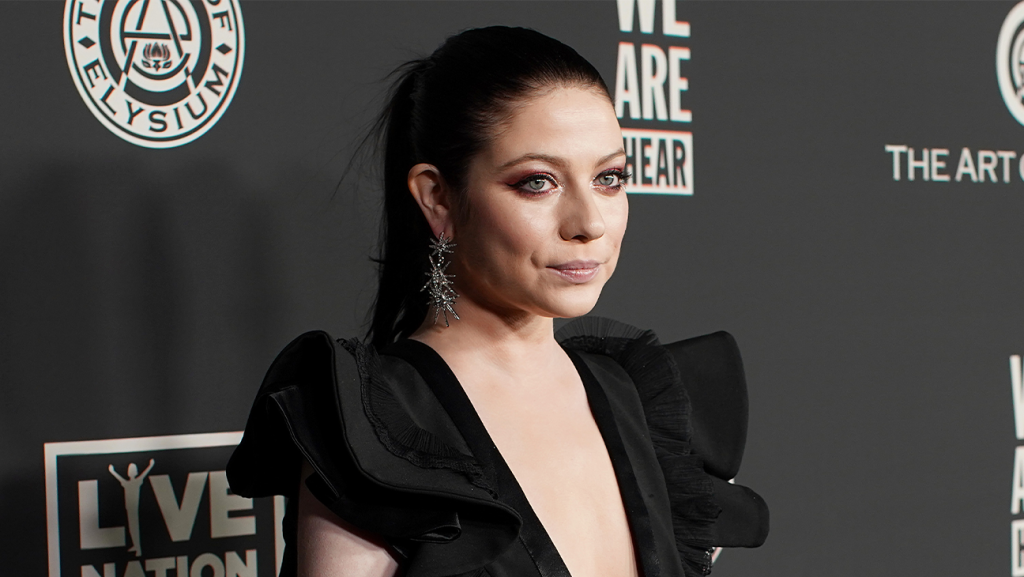
Chronic diabetes can lead to:
-
Heart disease and stroke
-
Kidney damage
-
Nerve damage (neuropathy)
-
Vision problems
-
Increased risk of infections
When diabetes is poorly managed — or when it interacts with stressors such as surgery recovery or immune suppression — the risk of acute and long‑term complications rises. In some cases, severe fluctuations in blood sugar can trigger fatal events, such as heart attacks or diabetic ketoacidosis.
While the public often associates diabetes with older age, it can affect adults of any age, especially when underlying factors like organ transplantation or long‑term medical treatments are involved. In post‑transplant settings, physicians remain alert to diabetes as a potential side effect due to medications that can alter glucose metabolism.
Legacy and Reflection: Tributes From Fans and Colleagues
Though her life was cut tragically short, Michelle Trachtenberg’s legacy endures through her body of work and the impact she had on those around her. From her early days on children’s television to her unforgettable performances as Georgina Sparks and Dawn Summers, she entertained millions and inspired a new generation of fans.
In the months following the confirmation of her cause of death, tributes continued to pour in. Co‑stars and collaborators reflected on her talent, professionalism, warmth, and how her characters became cultural touchstones for audiences around the world. Many noted that her work — especially on Buffy and Gossip Girl — helped define an era of television and influenced storytelling for years to come.
Fans also shared personal stories of watching her performances through different stages of their lives, underscoring how deeply her presence resonated with viewers. The emotional response highlighted that, while the details of her final health struggles were sobering, the joy she brought to others remains her enduring gift.
Conclusion
The confirmation of Michelle Trachtenberg’s cause of death nearly two months after her passing offered a somber yet meaningful closure to a chapter marked by confusion, speculation, and profound grief. The official ruling — that her death resulted from complications of diabetes mellitus — underscores the seriousness of chronic illness and the challenges it can pose, even for individuals who captivate audiences with strength and brilliance.
Her story reminds us that the lives of public figures — like those of all people — are shaped by both their achievements and their vulnerabilities. In remembering Michelle Trachtenberg, fans celebrate not only her iconic roles but also her humanity, resilience, and the joy she brought to screens big and small.
Read Also: Keep your face towards the sunshine and shadows will fall behind you
Watch Also: https://www.youtube.com/@TravelsofTheWorld24









Leave a Reply