
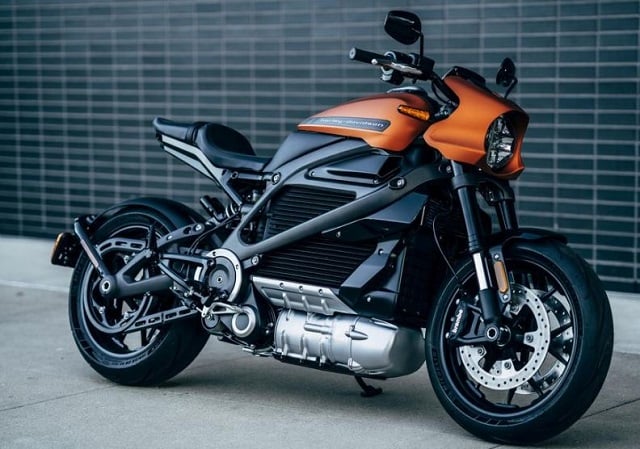
In a landmark move that has been widely welcomed by motorcycle enthusiasts across Pakistan, authorities have officially allowed heavy bikes to enter the M-2 Motorway, which connects Lahore and Islamabad. This decision marks a significant shift in motorway policy and reflects the growing popularity, improved safety standards, and rising economic contribution of high-capacity motorcycles in the country.
For years, riders of heavy motorcycles—typically defined as bikes with engine capacities of 400cc and above—were restricted from accessing Pakistan’s high-speed motorways. The recent change not only recognizes evolving road safety dynamics but also signals a progressive approach toward inclusivity on national highways.
Understanding the M-2 Motorway’s Importance
The M-2 Motorway, stretching approximately 375 kilometers, is one of Pakistan’s most crucial road networks. It connects the political capital, Islamabad, with the cultural and economic hub of Lahore. Known for its scenic views, high-speed lanes, and strict traffic regulations, the M-2 has long been reserved primarily for cars, buses, and heavy vehicles.
Due to its high design speed and safety-focused infrastructure, authorities were traditionally cautious about allowing motorcycles, especially heavy bikes, citing risks related to rider exposure, weather conditions, and accident severity.
What Are “Heavy Bikes” and Why the Distinction Matters
In Pakistan, motorcycles are generally divided into two categories:
-
Light motorcycles: Typically 70cc to 200cc, widely used for daily commuting
-
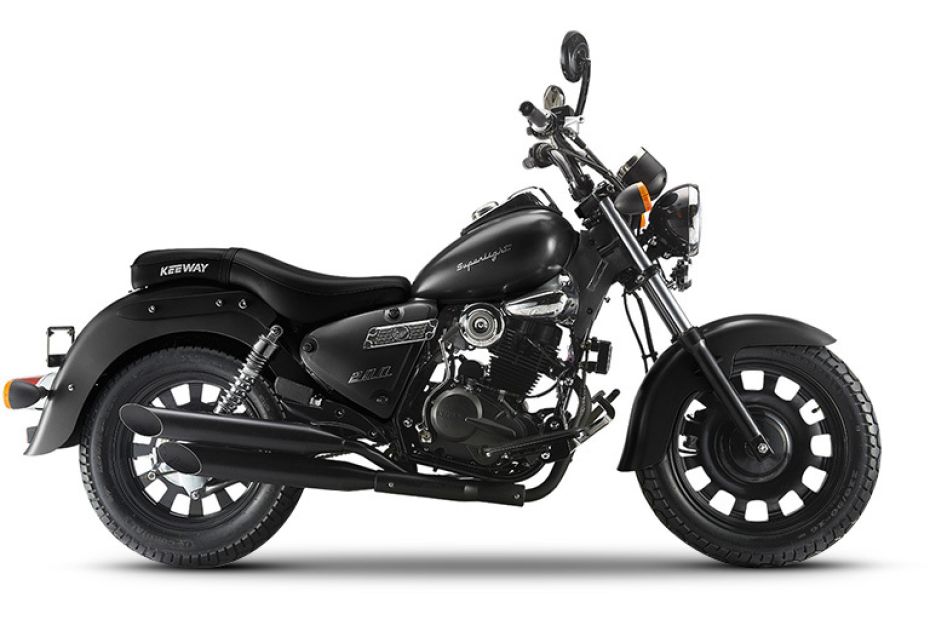
Heavy bikes: Usually 400cc and above, including brands like Honda, Yamaha, Suzuki, Kawasaki, and BMW
Heavy bikes are built for higher speeds, better braking systems, enhanced suspension, and advanced safety features, making them more suitable for long-distance and high-speed travel compared to conventional motorcycles.
The improved engineering of these bikes played a key role in convincing authorities that they could safely share motorway space with cars and other vehicles.
Why Were Heavy Bikes Previously Banned?
The original restrictions were based on several concerns:
-
Safety risks due to high-speed traffic
-
Weather exposure, particularly fog and strong winds
-
Accident response challenges involving motorcycles
-
Lack of protective gear culture among riders
However, over time, the heavy bike community in Pakistan matured significantly. Riders became more safety-conscious, using proper helmets, riding jackets, gloves, boots, and maintaining disciplined riding behavior.
What Changed? Factors Behind the Policy Shift
Several developments contributed to the decision to allow heavy bikes on the M-2 Motorway:
1. Growing Heavy Bike Culture
Pakistan has seen a sharp rise in premium motorcycle imports, riding clubs, and touring groups. Weekend rides between major cities have become increasingly common.
2. Improved Rider Awareness
Social media, training programs, and riding communities have played a crucial role in promoting safe riding practices, group riding discipline, and compliance with traffic laws.
3. International Precedents
In many countries, high-capacity motorcycles are legally allowed on motorways, provided riders follow strict safety rules. Pakistan’s new approach aligns with global standards.
4. Economic Impact
Heavy bike owners contribute significantly through fuel consumption, toll payments, tourism, accessories, and maintenance services, making them a valuable segment of road users.
Conditions and Rules for Heavy Bike Entry
Authorities have not opened the motorway unconditionally. Entry for heavy bikes comes with strict regulations, including:
-
Minimum engine capacity requirement (generally 400cc or above)
-
Valid driving license specifically endorsed for heavy motorcycles
-
Protective gear mandatory, including helmet and riding jacket
-
Daytime travel only, avoiding night-time and foggy conditions
-
Speed compliance with motorway limits
-
No pillion riding, in many cases
These conditions aim to ensure maximum safety for both riders and other motorists.
Reaction from the Riding Community
The announcement was met with overwhelming enthusiasm from the biking community. Riding clubs across Lahore, Islamabad, and Rawalpindi celebrated the decision as a long-overdue recognition of responsible riders.
Many bikers see this move as a validation of years of advocacy, awareness campaigns, and disciplined riding behavior. Social media platforms were flooded with photos, ride plans, and positive messages praising the authorities for listening to the community.
Boost to Motorcycle Tourism
Allowing heavy bikes on the M-2 is expected to significantly boost motorcycle tourism in Pakistan. Riders can now comfortably plan long-distance journeys between major cities, opening new opportunities for:
-
Weekend touring
-
Inter-city biking events
-
Group rides and rallies
-
Local hospitality and fuel businesses
This development also complements Pakistan’s growing reputation as a destination for adventure and road tourism.
Safety Remains a Top Priority
Despite the positive reception, road safety experts emphasize that motorways are unforgiving environments. Even experienced riders must remain cautious.
Key safety recommendations include:
-
Maintaining safe following distances
-
Avoiding sudden lane changes
-
Staying alert to weather conditions
-
Riding within personal skill limits
-
Taking regular breaks to avoid fatigue
Authorities have also hinted at enhanced monitoring to ensure compliance and prevent misuse of the policy.
Addressing Public Concerns
Not everyone welcomed the decision without reservations. Some motorists expressed concerns about:
-
Speed differences between cars and motorcycles
-
Visibility issues
-
Accident severity
Officials have reassured the public that only high-capacity, roadworthy bikes with trained riders are permitted. Strict enforcement measures are expected to minimize risks.
Enforcement and Monitoring
Motorway police have been instructed to:
-
Verify engine capacity
-
Check licenses and safety gear
-
Enforce speed limits
-
Restrict entry during adverse weather
This ensures that the policy does not compromise the motorway’s safety record.
A Step Toward Inclusive Road Policies
The inclusion of heavy bikes on the M-2 Motorway reflects a broader shift in Pakistan’s transport policies. It demonstrates an effort to adapt infrastructure rules to changing mobility trends, rather than relying on outdated assumptions.
This move could pave the way for similar permissions on other motorways in the future, provided safety benchmarks are met.
What This Means for the Future
The decision sets a precedent for:
-
Better recognition of two-wheeler commuters
-
Improved motorcycle infrastructure planning
-
Formal training and certification programs
-
Stronger collaboration between riders and authorities
It also encourages responsible ownership and discourages reckless riding, as privileges can be revoked if misused.
Final Thoughts
The approval of heavy bikes on the M-2 Motorway marks a historic milestone for Pakistan’s motorcycling community. It reflects trust, progress, and a shared responsibility between riders and authorities.
While the opportunity brings excitement and freedom, it also demands maturity, discipline, and respect for traffic laws. If handled responsibly, this policy could transform long-distance motorcycling in Pakistan and contribute positively to road culture, tourism, and economic activity.
As engines roar and helmets hit the road, one message remains clear: with freedom comes responsibility. The future of heavy biking on Pakistan’s motorways now lies in the hands of those riding them.
Read Also: Keep your face towards the sunshine and shadows will fall behind you
Watch Also: https://www.youtube.com/@TravelsofTheWorld24


Leave a Reply