
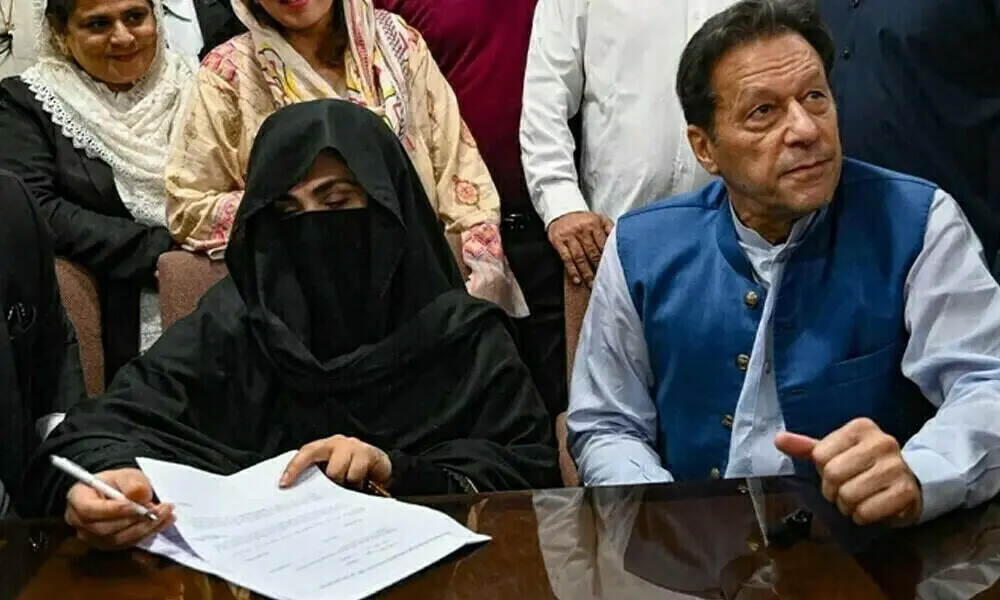
Former Prime Minister Imran Khan and his wife, Bushra Bibi, have officially filed a petition challenging their convictions in the Toshakhana-II case at the Islamabad High Court (IHC). The move marks the latest development in a high-profile legal saga that has drawn intense public attention and political scrutiny in Pakistan.
The Toshakhana-II case, which involves allegations of irregularities related to gifts received during Khan’s tenure as Prime Minister, has been a focal point of controversy. The couple’s appeal at the IHC reflects ongoing debates about legal accountability, political accountability, and the interpretation of rules governing public office and asset declaration.
Background: Toshakhana-II Case
The Toshakhana is a government department responsible for managing gifts and valuables received by public officeholders, including the Prime Minister, ministers, and parliamentarians. Under Pakistani law, gifts above a certain value must be declared and may either be retained after paying a prescribed amount or surrendered to the government treasury.
The Toshakhana-II case revolves around allegations that Imran Khan and Bushra Bibi retained gifts of substantial value without proper disclosure or payment. The case was filed after audits and investigations indicated possible violations of Toshakhana rules, sparking legal and political debates.
Initial Convictions
A lower court had previously convicted Khan and Bushra Bibi, resulting in penalties including fines and potential restrictions on political activity. These convictions intensified political tensions, with supporters framing the case as politically motivated, while critics emphasized the importance of accountability for public officials.
The convictions covered multiple high-value gifts, including watches, jewelry, and luxury items, allegedly acquired during official visits and state events. Legal experts noted that the case set a precedent regarding the treatment of state gifts and compliance with Toshakhana regulations.
Filing the Appeal
In their petition to the Islamabad High Court, Imran Khan and Bushra Bibi challenge the lower court’s verdicts on multiple grounds. The petition asserts procedural flaws, misinterpretation of laws, and challenges the evidence presented during the trial.
Lawyers representing the couple argued that the conviction violated principles of natural justice, including insufficient opportunity to present a full defense. The appeal requests a review of the penalties imposed and seeks a stay on the enforcement of fines until the IHC delivers its judgment.
Legal Arguments
The petition submitted to the IHC raises several key legal arguments:
-
Procedural Irregularities: The couple’s lawyers contend that due process was not fully observed during the lower court proceedings, affecting the fairness of the trial.
-
Interpretation of Toshakhana Rules: The defense challenges how gift valuation and retention rules were applied, arguing that existing guidelines allow for legitimate retention after compliance with financial requirements.
-
Evidence Admissibility: Questions were raised regarding the authenticity and chain of custody of documents and records used to establish alleged violations.
-
Constitutional Rights: The appeal cites constitutional protections, including equality before the law and the right to a fair trial, asserting that these were compromised.
Legal analysts suggest that the IHC’s interpretation of these arguments will be pivotal in determining whether the convictions stand, are modified, or overturned.
Political Implications
The Toshakhana-II case has major political ramifications. Imran Khan, as the chairman of Pakistan Tehreek-e-Insaf (PTI), continues to be a central figure in national politics. The legal proceedings against him and his spouse have become a touchstone in debates over political accountability, governance, and judicial activism.
Supporters of Khan view the case as part of a larger pattern of legal challenges used to limit his political influence, especially ahead of elections. Meanwhile, opposition parties argue that adherence to Toshakhana rules is a matter of public trust and transparency, emphasizing that no individual, regardless of political stature, is above the law.
Public Reaction
The appeal has triggered reactions across Pakistan’s political and public spheres. Social media platforms have been flooded with commentary, memes, and opinion pieces both supporting and criticizing the couple.
PTI supporters have organized online campaigns and public demonstrations calling for what they describe as “justice and fair treatment.” Conversely, critics have called for stringent enforcement of laws governing public office, arguing that accountability is essential for the credibility of democratic institutions.
Judicial Process in IHC
The Islamabad High Court will review the appeal under its original and appellate jurisdiction. The process typically involves:
-
Preliminary review of petitions for completeness and legal sufficiency
-
Notices issued to respondents, including government agencies and prosecutors
-
Hearings where legal arguments, evidence, and precedents are examined
-
Deliberation by judges, followed by a judgment which may uphold, overturn, or modify the lower court’s verdict
Experts note that high-profile cases like Toshakhana-II often attract extensive legal scrutiny and can take several months before final judgments are issued.
Legal Experts’ Opinions
Prominent legal experts have commented on the potential outcomes of the IHC appeal:
-
Some argue that procedural flaws or ambiguities in Toshakhana regulations may lead to partial or full relief for Khan and Bibi.
-
Others maintain that the court is likely to uphold accountability principles, emphasizing compliance with disclosure and asset rules for public officeholders.
-
Observers highlight that the IHC’s decision could influence future interpretations of Toshakhana rules, affecting all current and future officeholders.
Context in Pakistani Politics
The Toshakhana-II case occurs against a backdrop of heightened political polarization in Pakistan. Legal proceedings involving top political figures frequently intersect with media narratives, public opinion, and electoral dynamics.
Analysts suggest that how the IHC addresses the case could impact PTI’s political strategy, voter perceptions, and the broader discourse on governance and transparency.
Bushra Bibi’s Role
Bushra Bibi, as the spouse of a former Prime Minister, has faced scrutiny alongside Khan. While not directly involved in political decision-making, her legal standing in the case reflects how spouses of officeholders may be implicated under Toshakhana rules.
Her participation in the appeal emphasizes that legal accountability can extend beyond elected officials to immediate family members when state assets or regulations are involved.
Transparency and Governance
The Toshakhana-II case underscores the importance of transparency and adherence to laws regulating state gifts. Experts argue that rigorous enforcement is necessary to maintain public trust in governance, reduce perceptions of corruption, and ensure equitable treatment of all officeholders.
At the same time, legal advocates caution that enforcement should be balanced with due process, avoiding politically motivated interpretations of regulations.
International Perspective
Comparatively, state gift regulations exist in several countries to prevent misuse of public office. The Toshakhana system in Pakistan is analogous to ethics rules in democracies worldwide, where public officials must declare gifts above certain thresholds.
International observers note that consistent enforcement and judicial oversight are essential to maintain integrity while protecting individuals from arbitrary prosecution.
Anticipated Court Proceedings
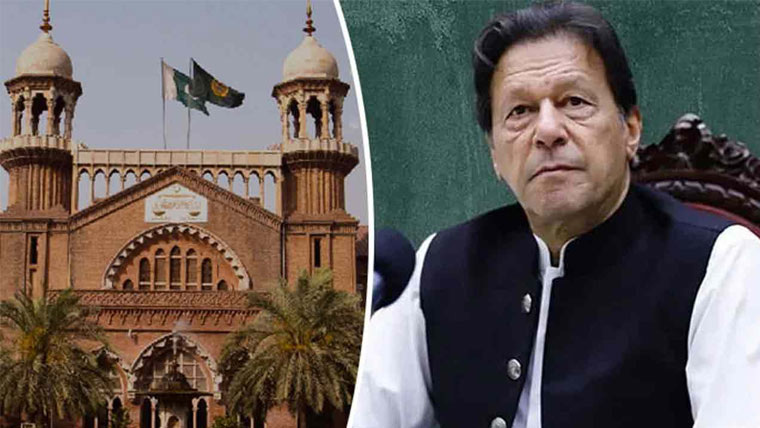
The Islamabad High Court is expected to take the petition seriously, scheduling hearings to examine legal arguments, procedural details, and evidence. Both the prosecution and defense will likely present expert testimony, financial records, and regulatory interpretations to support their positions.
Observers anticipate that media coverage and public interest will remain high throughout the proceedings, given the profile of the individuals involved and the political significance of the case.
Potential Outcomes
The IHC could decide to:
-
Uphold the lower court convictions, enforcing fines and legal consequences
-
Modify the penalties, possibly reducing financial obligations or restricting certain political implications
-
Overturn the convictions entirely, citing procedural errors or misinterpretation of Toshakhana rules
-
Issue a stay on enforcement until a full review is conducted
Each scenario carries implications for governance, political strategy, and legal precedent in Pakistan.
Final Thoughts
The appeal filed by Imran Khan and Bushra Bibi in the Islamabad High Court marks a critical juncture in the Toshakhana-II saga. Beyond legal arguments, the case reflects broader themes of political accountability, judicial oversight, and the complex interplay between law and governance in Pakistan.
As proceedings unfold, stakeholders — including the judiciary, political parties, media, and the public — will closely monitor developments. The case serves as a reminder that adherence to rules, transparent governance, and the right to fair legal processes are essential pillars of democratic society.
Ultimately, the IHC’s judgment will not only impact Khan and Bibi but also set important precedents for the treatment of state gifts, the accountability of public officeholders, and the future of legal and political discourse in Pakistan.
Read Also: Keep your face towards the sunshine and shadows will fall behind you
Watch Also: https://www.youtube.com/@TravelsofTheWorld24





Leave a Reply