
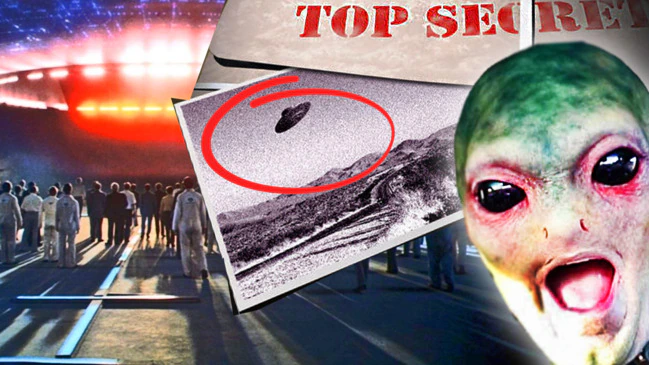
In recent years, claims of alien visits, UFO sightings, and extraterrestrial encounters have moved from the fringes of conspiracy forums into mainstream social media feeds. What was once dismissed as science fiction or harmless speculation has evolved into a full-blown digital trend—one that experts now warn is spiralling out of control. Fueled by viral videos, artificial intelligence, misinformation, and growing distrust in institutions, the “alien visit” phenomenon is reshaping how people perceive reality, science, and truth itself.
The Rise of the Alien Visit Trend
The idea that aliens might be visiting Earth is not new. Stories of flying saucers date back to the mid-20th century, particularly during the Cold War era when unexplained aerial phenomena sparked public fear and fascination. However, what has changed dramatically is the speed and scale at which such claims now spread.
Platforms like TikTok, Instagram, YouTube, and X (formerly Twitter) are flooded with short clips claiming to show alien spacecraft, strange beings, or secret government footage. Many of these videos rack up millions of views within hours, often without any verification. Algorithms favor sensational content, and nothing grabs attention quite like the possibility of extraterrestrial visitors.
As a result, alien-related content has shifted from niche interest to viral entertainment—and, for some, deeply held belief.
Social Media: The Perfect Breeding Ground
Social media has played a central role in the explosion of the alien visit trend. Short-form videos, dramatic music, and misleading captions create an emotional reaction before viewers have time to think critically. A shaky clip of lights in the sky, paired with ominous text like “They’re already here,” can instantly go viral.
What makes the situation worse is the lack of context. Many videos showing drones, aircraft, satellites, or atmospheric phenomena are deliberately misrepresented. In other cases, old footage is reposted as “new evidence,” misleading audiences who may not be familiar with the original source.
Influencers and content creators also have financial incentives to promote such material. The more shocking the claim, the more engagement it generates. For some, alien visit videos are simply a profitable niche, regardless of the harm caused by spreading false information.
The Role of Artificial Intelligence and Deepfakes
Artificial intelligence has added a dangerous new dimension to the alien visit trend. AI-generated images and videos—often referred to as deepfakes—are becoming increasingly realistic. With minimal technical skill, users can now create convincing visuals of UFOs hovering over cities or alien figures appearing in public places.
These fabricated visuals blur the line between fact and fiction. For many viewers, especially those unfamiliar with AI technology, it becomes nearly impossible to distinguish real footage from synthetic content. Even when such videos are debunked, the initial emotional impact often lingers, reinforcing belief rather than skepticism.
Experts warn that AI-generated misinformation does not just mislead—it erodes trust in genuine evidence. When everything can be faked, people begin to believe whatever aligns with their existing worldview.
Government Statements and Public Confusion
Adding fuel to the fire are recent government disclosures about Unidentified Aerial Phenomena (UAPs). While officials have clarified that UAPs do not automatically imply extraterrestrial origin, many people interpret these admissions as confirmation of alien activity.
Ambiguous language, classified investigations, and limited transparency have created fertile ground for speculation. When authorities say, “We don’t know what it is,” the public often fills in the gaps with the most sensational explanation possible—aliens.
This misunderstanding has led to widespread confusion. Scientific uncertainty is mistaken for proof, and cautious statements are twisted into dramatic headlines. In reality, most UAPs are later identified as drones, weather balloons, experimental aircraft, or sensor glitches.
Psychological Factors Behind the Belief
The growing belief in alien visits is not just about misinformation—it is also deeply psychological. Humans are pattern-seeking creatures. When faced with uncertainty, we look for explanations that feel meaningful, even if they are not accurate.
In times of global stress—pandemics, economic instability, climate anxiety, and political conflict—people are more likely to believe extraordinary claims. The idea that aliens are visiting Earth can feel strangely comforting to some, suggesting that humanity is not alone or that external forces might intervene.
Additionally, belief in hidden truths can provide a sense of control. Feeling “in the know” about secret alien visits can make individuals feel special, informed, or superior to those who rely on official narratives.
The Impact on Science and Rational Thinking
One of the most concerning aspects of the alien visit trend is its impact on scientific literacy. Genuine scientific research into space, astronomy, and the search for extraterrestrial life is often overshadowed by sensational claims.
Astrobiology, SETI (Search for Extraterrestrial Intelligence), and space exploration rely on rigorous evidence and cautious interpretation. However, when fake alien sightings dominate public attention, serious science struggles to compete.
This environment also encourages distrust in experts. Scientists who debunk alien visit claims are sometimes accused of being part of a cover-up. Such thinking undermines rational debate and weakens public understanding of how science actually works.
Real-World Consequences of the Trend
While some may view the alien visit craze as harmless entertainment, it has real-world consequences. In extreme cases, belief in alien invasions has contributed to paranoia, anxiety, and even violent behavior.
There have been reports of individuals refusing medical treatment, abandoning jobs, or isolating themselves due to fear of imminent alien contact. Others spend large sums of money on “alien protection” devices or conspiracy-related merchandise.
On a broader level, the spread of misinformation damages social trust. When people cannot agree on basic facts, cooperation becomes difficult. This erosion of shared reality poses a serious challenge to democratic societies.
Media Responsibility and Sensationalism
Traditional media outlets are not entirely blameless. In the race for clicks and ratings, some news organizations amplify alien-related stories without sufficient scrutiny. Sensational headlines often exaggerate findings, knowing that fear and mystery attract attention.
Responsible journalism requires context, expert input, and clear distinctions between speculation and evidence. Unfortunately, these standards are sometimes sacrificed for virality, further legitimizing unfounded claims.
When mainstream media echoes social media hype, it becomes even harder for the public to separate credible information from fantasy.
Debunking vs. Belief Persistence
One of the most frustrating aspects of the alien visit trend is how resistant it is to debunking. Psychological studies show that once people adopt a belief, especially one tied to identity or emotion, contradictory evidence can actually strengthen that belief.
This phenomenon, known as the “backfire effect,” explains why fact-checking alone is often ineffective. Simply telling someone they are wrong does not address the underlying emotional or social reasons for their belief.
Effective responses require empathy, education, and critical thinking skills—not ridicule or dismissal.
The Importance of Media Literacy
Experts agree that improving media literacy is one of the most effective ways to combat the alien visit misinformation crisis. Media literacy teaches people how to evaluate sources, check evidence, and recognize manipulation tactics.
Understanding how algorithms work, how AI-generated content is created, and how confirmation bias influences perception can empower individuals to make informed judgments.
Schools, governments, and tech companies all have a role to play in promoting digital literacy. Without these efforts, misinformation trends—alien-related or otherwise—will continue to spiral.
Are We Alone? The Real Scientific Question
It is important to distinguish between belief in alien visits and legitimate scientific inquiry into extraterrestrial life. Scientists widely agree that microbial life may exist elsewhere in the universe, given its vast size and complexity.
However, there is currently no verified evidence that intelligent aliens are visiting Earth. Recognizing this distinction allows curiosity to coexist with skepticism—a balance that is essential for scientific progress.
Wonder about the universe should inspire exploration, not fear or deception.
Conclusion: A Trend That Demands Caution
The alien visit trend may seem entertaining or intriguing on the surface, but its rapid growth and influence are cause for concern. As misinformation spreads unchecked, it threatens rational thinking, scientific understanding, and social trust.
In a world already struggling with information overload, the line between reality and fiction is becoming dangerously thin. Addressing this issue requires collective responsibility—from content creators, media organizations, educators, and individuals alike.
Curiosity about the unknown is a powerful and valuable human trait. But without critical thinking and evidence-based reasoning, that curiosity can easily be exploited. Until society learns to navigate the digital landscape more responsibly, the alien visit trend shows no sign of slowing down—and its impact may be more damaging than we realize.
Read Also: Keep your face towards the sunshine and shadows will fall behind you
Watch Also: https://www.youtube.com/@TravelsofTheWorld24









Leave a Reply