
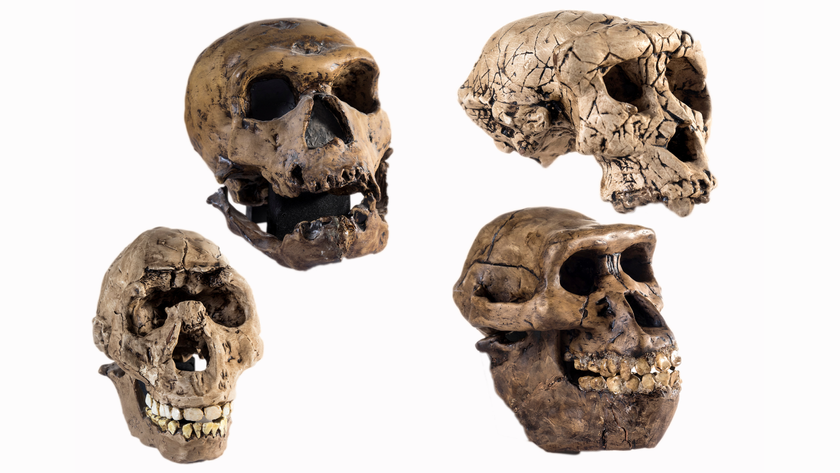
A remarkable 1.5-million-year-old fossil discovery is offering scientists fresh insights into Homo erectus, one of the most important early human ancestors. The fossil, uncovered through years of careful excavation and analysis, is helping researchers better understand how this species lived, moved, and evolved—bridging critical gaps between earlier hominins and modern humans.
Experts say the find deepens our understanding of human evolution, shedding light on anatomy, behavior, and adaptability during a key period in prehistory.
Why Homo erectus Matters in Human Evolution
Homo erectus occupies a pivotal place in the human family tree. Emerging around 2 million years ago, this species is widely regarded as the first hominin to possess a body shape similar to modern humans, with longer legs, shorter arms, and a more efficient walking and running ability.
Unlike earlier species such as Australopithecus, Homo erectus showed signs of advanced survival strategies, including tool use, control of fire, and long-distance migration. Fossils of Homo erectus have been found across Africa, Asia, and parts of Europe, making it the first human ancestor to spread beyond Africa.
The newly studied 1.5-million-year-old fossil adds crucial detail to this evolutionary story.
The Discovery of the Fossil
The fossil was discovered at a well-known archaeological site that has yielded several important hominin remains over the decades. Embedded in layers of ancient sediment, the specimen was carefully excavated to preserve even the smallest details.
What makes this fossil exceptional is its level of preservation. Unlike many fragmentary remains, this specimen includes key skeletal elements that allow scientists to reconstruct physical characteristics with greater accuracy.
Radiometric dating and stratigraphic analysis confirmed the fossil’s age at approximately 1.5 million years, placing it squarely within the early phase of Homo erectus evolution.
What the Fossil Includes
The fossil consists of multiple skeletal components, including parts of the skull, jaw, and limb bones. Each element contributes valuable information:
-
Cranial fragments reveal details about brain size and shape
-
Jaw and teeth provide insight into diet and chewing mechanics
-
Limb bones help researchers understand posture, movement, and physical strength
Together, these remains paint a clearer picture of how Homo erectus looked and functioned in daily life.
New Insights into Brain Development
One of the most significant revelations from the fossil concerns brain development. Analysis of the cranial fragments suggests that Homo erectus had a brain size larger than earlier hominins but smaller than that of modern humans.
However, researchers emphasize that brain organization may be just as important as size. Subtle features on the inner surface of the skull indicate changes in regions associated with planning, coordination, and social behavior.
These findings support the idea that Homo erectus was developing more complex cognitive abilities, laying the groundwork for later human intelligence.
Facial Structure and Appearance
The fossil also offers new clues about facial anatomy. The jaw and facial bones show a combination of primitive and modern traits.
Key observations include:
-
A strong, protruding brow ridge
-
A flatter face compared to earlier species
-
Robust jaw muscles adapted for tough foods
These features suggest that Homo erectus was well-adapted to a challenging environment where varied and hard-to-process foods were common.
Diet and Survival Strategies
Dental wear patterns on the fossil’s teeth indicate a diverse diet. Researchers believe Homo erectus consumed a mix of plant materials, roots, nuts, and meat.
This dietary flexibility would have been a major evolutionary advantage, allowing the species to survive in different environments. Evidence from other sites suggests Homo erectus may have been among the first hominins to regularly hunt or scavenge large animals.
Control of fire—though still debated for this time period—may have further expanded dietary options by enabling cooking, which makes food easier to digest and more nutritious.
Locomotion and Physical Endurance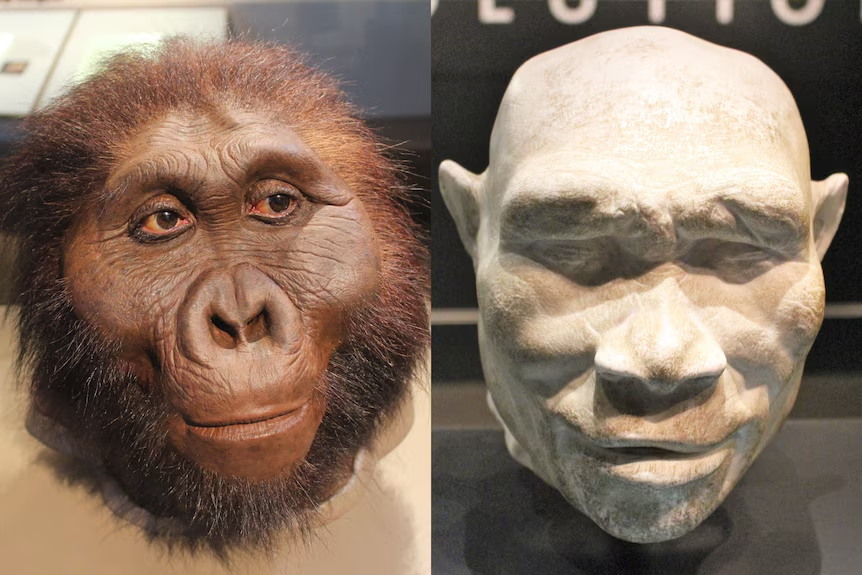
Limb bone analysis from the fossil reinforces the idea that Homo erectus was built for endurance. The long legs and narrow hips resemble those of modern humans rather than earlier ape-like ancestors.
This body structure would have supported:
-
Long-distance walking and running
-
Efficient energy use
-
Improved ability to migrate and explore new territories
Researchers believe these physical traits played a key role in Homo erectus’s success as the first global human ancestor.
Social Behavior and Group Living
Although fossils cannot directly reveal behavior, anatomical evidence combined with archaeological context provides important clues.
The complexity of Homo erectus anatomy suggests a species capable of cooperation and social organization. Larger brains, endurance mobility, and tool use imply group living, shared responsibilities, and possibly early forms of communication.
Some researchers propose that Homo erectus cared for injured or young group members, indicating early forms of empathy and social bonding.
Tool Use and Technology
Homo erectus is strongly associated with the Acheulean tool tradition, characterized by hand axes and other symmetrical stone tools.
The fossil’s age aligns with the widespread use of these tools, suggesting the individual likely possessed the cognitive and motor skills needed to manufacture and use them.
Acheulean tools represent a major technological leap, requiring planning, precision, and an understanding of materials—skills that hint at advanced intelligence.
Migration Out of Africa
One of the most defining traits of Homo erectus is its role as the first hominin to migrate out of Africa.
The physical adaptations seen in the fossil—particularly endurance walking and dietary flexibility—support theories explaining how this species spread across continents.
The fossil reinforces the idea that Homo erectus was not only capable of surviving in Africa but also adapting to diverse climates in Asia and beyond.
Evolutionary Diversity within Homo erectus
The new fossil also highlights variation within the species. Not all Homo erectus individuals were identical; differences in size, facial structure, and brain shape suggest regional adaptation.
This diversity supports the view that Homo erectus was a long-lasting and flexible species rather than a static evolutionary stage.
Understanding this variation helps scientists trace how later species, including Homo sapiens, emerged from earlier populations.
How Modern Technology Helped the Analysis
Advanced imaging techniques played a crucial role in studying the fossil. High-resolution CT scans allowed researchers to examine internal structures without damaging the specimen.
Digital reconstruction helped scientists piece together fragmented bones and test hypotheses about posture, movement, and brain organization.
These modern tools are transforming paleoanthropology, enabling more accurate interpretations than ever before.
Read Also: Keep your face towards the sunshine and shadows will fall behind you
What This Discovery Changes
While the fossil does not rewrite human evolutionary history, it significantly refines it. The discovery fills gaps in the timeline of Homo erectus development and strengthens connections between anatomy, behavior, and environment.
Researchers say the fossil supports the idea that many “modern” human traits evolved gradually rather than appearing suddenly.
It also emphasizes that evolution is not a straight line but a complex process shaped by adaptation, migration, and survival challenges.
Ongoing Questions and Future Research
Despite the insights gained, many questions remain. Scientists are still debating:
-
When Homo erectus fully mastered fire
-
How complex its language abilities were
-
How different populations interacted
Future discoveries may provide clearer answers, but fossils like this one are essential stepping stones in that journey.
Why This Matters Today
Understanding Homo erectus is about more than studying the past—it helps explain who we are today. Traits such as endurance, cooperation, curiosity, and adaptability have deep evolutionary roots.
This fossil reminds us that modern humanity is the result of millions of years of gradual change, resilience, and innovation.
Conclusion: A Window into Our Deep Past
The 1.5-million-year-old fossil offers a rare and valuable window into the life of Homo erectus. Through careful study, researchers have uncovered new details about anatomy, intelligence, and survival that bring this ancient ancestor closer to us than ever before.
Each discovery adds another piece to the puzzle of human evolution, reminding us that our story is long, complex, and deeply interconnected with the natural world.
As scientists continue to explore the past, fossils like this ensure that the story of humanity keeps evolving—just as our ancestors once did.
Watch Also: https://www.youtube.com/@TravelsofTheWorld24












Leave a Reply