
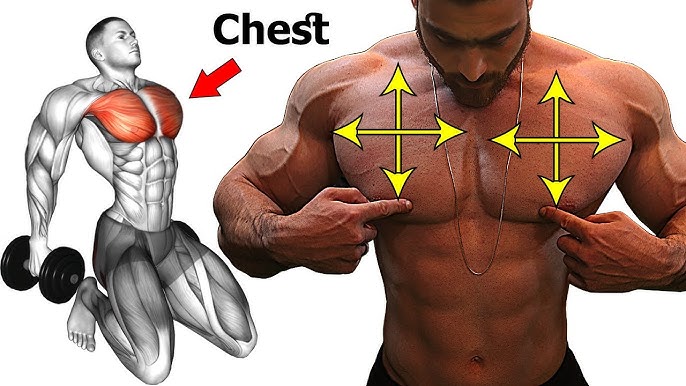
A well-developed chest is often a symbol of strength, power, and aesthetics in the fitness world. Beyond looks, strong chest muscles play a critical role in everyday activities such as pushing, lifting, and maintaining good posture. Whether you’re a beginner or an experienced lifter, targeting your chest effectively requires proper planning, form, and intensity.
This article will guide you through a complete chest workout routine designed to build mass, strength, and definition. Following this plan consistently, combined with proper nutrition and recovery, will help you achieve the “giant chest” you’ve been aiming for.
Why Chest Training Matters
The chest is made up of the pectoralis major and pectoralis minor muscles, which are involved in pushing movements and shoulder stability. Training your chest not only improves your physique but also:
-
Enhances upper-body strength for daily activities
-
Supports shoulder health and stability
-
Improves posture
-
Increases calorie burn due to large muscle engagement
Mariah and other expert trainers emphasize that chest development is a combination of compound movements, isolation exercises, and proper progressive overload.
Chest Workout Principles for Maximum Gains
To get the most out of your chest workouts, follow these key principles:
1. Focus on Form First
Proper technique prevents injury and ensures muscles are targeted effectively. Poor form often shifts the workload to shoulders or triceps instead of the chest.
2. Progressive Overload
Gradually increase weights, reps, or sets over time. This is the cornerstone of building mass and strength.
3. Mind–Muscle Connection
Consciously engage your chest muscles during exercises. Focus on squeezing the chest at the peak of each movement for maximum activation.
4. Balanced Chest Training
Include exercises that target both the upper chest and lower chest, as well as inner and outer regions, for full development.
5. Rest and Recovery
Muscle growth happens during recovery, not during the workout. Allow 48–72 hours between chest sessions for optimal results.
Warm-Up: Prepare Your Chest
Before hitting heavy weights, warm up to increase blood flow, improve range of motion, and reduce injury risk.
Warm-up Routine (10–15 minutes):
-
5 minutes light cardio (treadmill, cycling, or jumping jacks)
-
Arm circles and shoulder mobility drills
-
2 sets of 15–20 push-ups or cable chest flys with light resistance
A proper warm-up primes your chest for heavy lifting and better performance.
The Giant Chest Workout
This routine combines compound lifts (to build mass and strength) and isolation exercises (to define and shape the chest).
1. Barbell Bench Press
Target: Overall chest, especially mid-chest
-
4 sets, 6–10 reps
-
Focus on controlled lowering and explosive pressing
-
Keep feet planted, chest up, and elbows at a 45-degree angle
The bench press is the foundation of any chest-building routine. It allows you to lift heavy and engage multiple muscles.
2. Incline Dumbbell Press
Target: Upper chest and front shoulders
-
3–4 sets, 8–12 reps
-
Use a 30–45 degree incline bench
-
Press dumbbells together at the top for an extra contraction
Incline pressing emphasizes the upper chest, helping to create a fuller, more balanced chest.
3. Dumbbell Flyes
Target: Chest width and stretch
-
3 sets, 10–15 reps
-
Keep a slight bend in elbows
-
Lower arms until you feel a stretch in the chest, then bring them together at the top
Flyes isolate the chest, improving shape and muscle activation.
4. Cable Crossovers
Target: Inner chest and definition
-
3 sets, 12–15 reps
-
Step forward slightly, pull cables together in front of you
-
Squeeze the chest at the peak of the movement
Cables provide constant tension throughout the motion, enhancing the mind–muscle connection.
5. Push-Ups (Weighted Optional)
Target: Overall chest endurance and strength
-
3 sets to failure (or 12–20 reps with weight)
-
Keep body straight, core tight, and lower chest to floor
-
Can add a weight plate on your back for advanced training
Push-ups are functional and perfect for finishing your chest workout with full contraction and burn.
6. Decline Bench Press (Optional)
Target: Lower chest
-
3 sets, 8–12 reps
-
Keep elbows slightly flared to reduce shoulder strain
-
Press explosively, lower slowly
Decline pressing emphasizes the lower chest, rounding out your development.
Rest Between Sets
-
Compound lifts: 90–120 seconds
-
Isolation exercises: 60–90 seconds
Adequate rest ensures you lift effectively and maintain good form.
Post-Workout Stretching
Stretching helps reduce soreness and improves flexibility:
-
Chest doorway stretch: 20–30 seconds per side
-
Arm cross stretch: 20–30 seconds per arm
-
Shoulder mobility drills
Stretching improves recovery and keeps the chest muscles flexible.
Nutrition Tips for a Bigger Chest
Building a giant chest requires fueling your muscles properly:
-
Protein: 1.2–2.0g per kg body weight (chicken, fish, eggs, legumes)
-
Carbs: Provide energy for intense workouts (rice, oats, sweet potatoes)
-
Fats: Support hormone production (avocado, nuts, olive oil)
-
Hydration: Water improves performance and recovery
Eating in a slight calorie surplus helps maximize muscle growth.
Common Chest Training Mistakes
Avoid these errors to get better results:
-
Neglecting upper or lower chest: Balance exercises for full development
-
Using too heavy weights with poor form: Reduces chest activation, increases injury risk
-
Skipping warm-ups: Leads to shoulder injuries and less effective workouts
-
Overtraining: Chest muscles need rest to grow
-
Neglecting progressive overload: Without increasing stress, muscles won’t grow
How Often Should You Train Chest?
-
Beginners: 1–2 times per week
-
Intermediate/Advanced: 2 times per week with at least 48 hours rest
-
Include variety to target all parts of the chest
Balance chest training with back exercises to maintain posture and prevent muscle imbalances.
Mental Focus: The Key to Chest Growth
Muscle growth is not just physical—it’s mental. Focus on:
-
Mind–muscle connection: Feel the chest work during each rep
-
Consistency: Show up regularly and track progress
-
Patience: Chest growth takes weeks and months, not days
Training with focus ensures every rep counts toward your goal of a giant chest.
Progressive Overload Strategy
To keep building, gradually:
-
Increase weights (2–5% per week if form allows)
-
Add more sets or reps
-
Slow down the eccentric (lowering) phase for more tension
Progressive overload ensures continual gains and prevents plateaus.
Sample Giant Chest Workout Schedule
Day 1 – Heavy Compound Focus:
-
Barbell Bench Press: 4×6–8
-
Incline Dumbbell Press: 3×8–10
-
Decline Bench Press: 3×8–10
-
Push-Ups to failure: 3 sets
Day 2 – Isolation and Definition:
-
Dumbbell Flyes: 3×12–15
-
Cable Crossovers: 3×12–15
-
Push-Ups (Weighted if possible): 3×12–20
Adjust based on experience and recovery.
Recovery Tips for a Bigger Chest
-
Sleep 7–9 hours per night for optimal muscle growth
-
Include rest days between chest sessions
-
Use foam rolling or massage for tight muscles
-
Maintain proper hydration and nutrition
Recovery ensures the chest grows bigger and stronger between workouts.
Conclusion: Build the Chest You’ve Always Wanted
A giant chest isn’t built overnight. It requires smart training, proper nutrition, consistent effort, and recovery. By following this structured workout plan, focusing on form, and progressively overloading your muscles, you can develop strength, size, and definition in your chest.
Remember: quality beats quantity. A controlled, focused rep with perfect form will always outperform a sloppy lift with heavier weight. Stick to the plan, stay consistent, and watch your chest transform over time.
Step into the gym, lift with intention, and build the chest you’ve been dreaming of—one rep at a time.
Read Also: Keep your face towards the sunshine and shadows will fall behind you
Watch Also: https://www.youtube.com/@TravelsofTheWorld24







Leave a Reply