
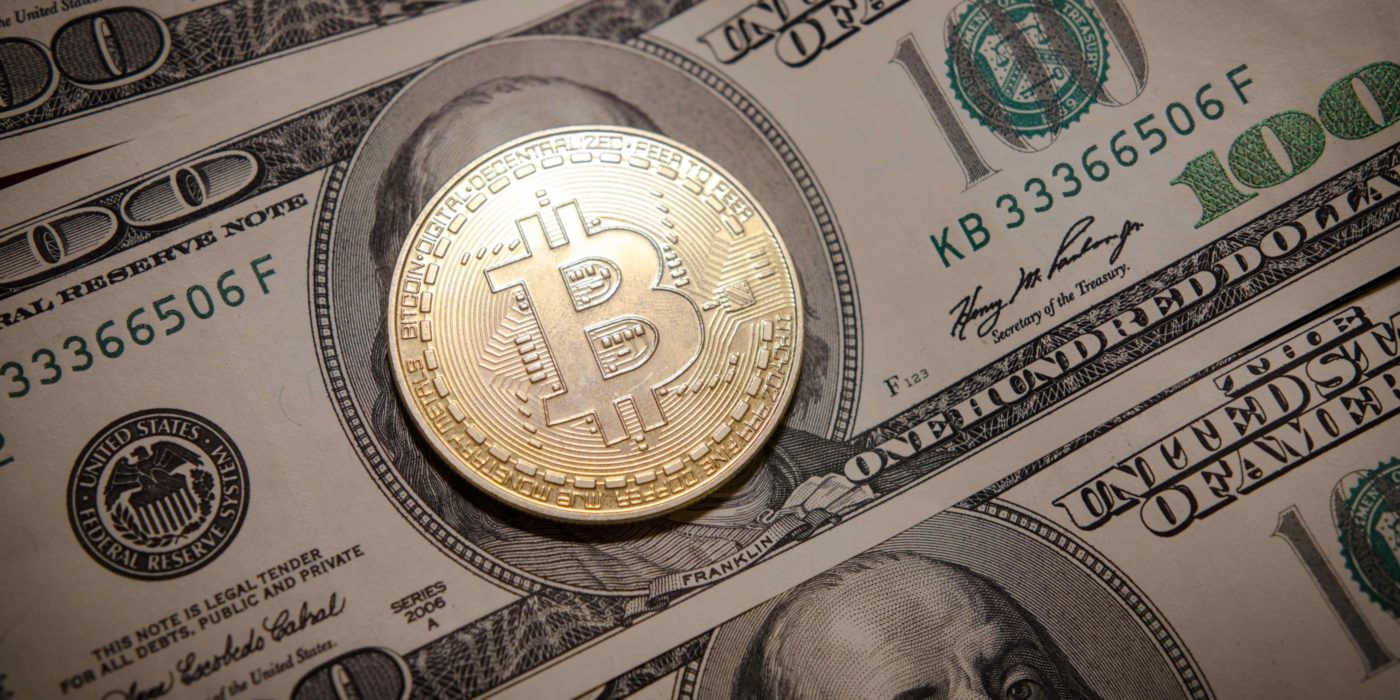
The world of money has undergone a dramatic transformation in recent years. Traditional cash, long the backbone of global economies, is being challenged by cryptocurrencies, digital assets that operate on decentralized networks. Understanding the differences between cryptocurrency and cash is essential for consumers, investors, and businesses looking to navigate the evolving financial landscape. This article explores the key distinctions, advantages, risks, and use cases of these two forms of currency.
What Is Cash?
Cash refers to physical money issued by governments, including coins and banknotes. It is the most widely recognized and accepted medium of exchange in everyday transactions. Key characteristics of cash include:
-
Legal Tender: Recognized by governments and backed by central banks.
-
Physical Form: Tangible coins and notes that can be exchanged directly.
-
Centralized Control: Governments regulate supply, manage inflation, and oversee monetary policy.
-
Universal Acceptance: Cash is widely accepted for goods, services, and debt settlement.
-
Anonymity: Transactions are largely private, without digital records unless deposited or used in electronic payments.
What Is Cryptocurrency?
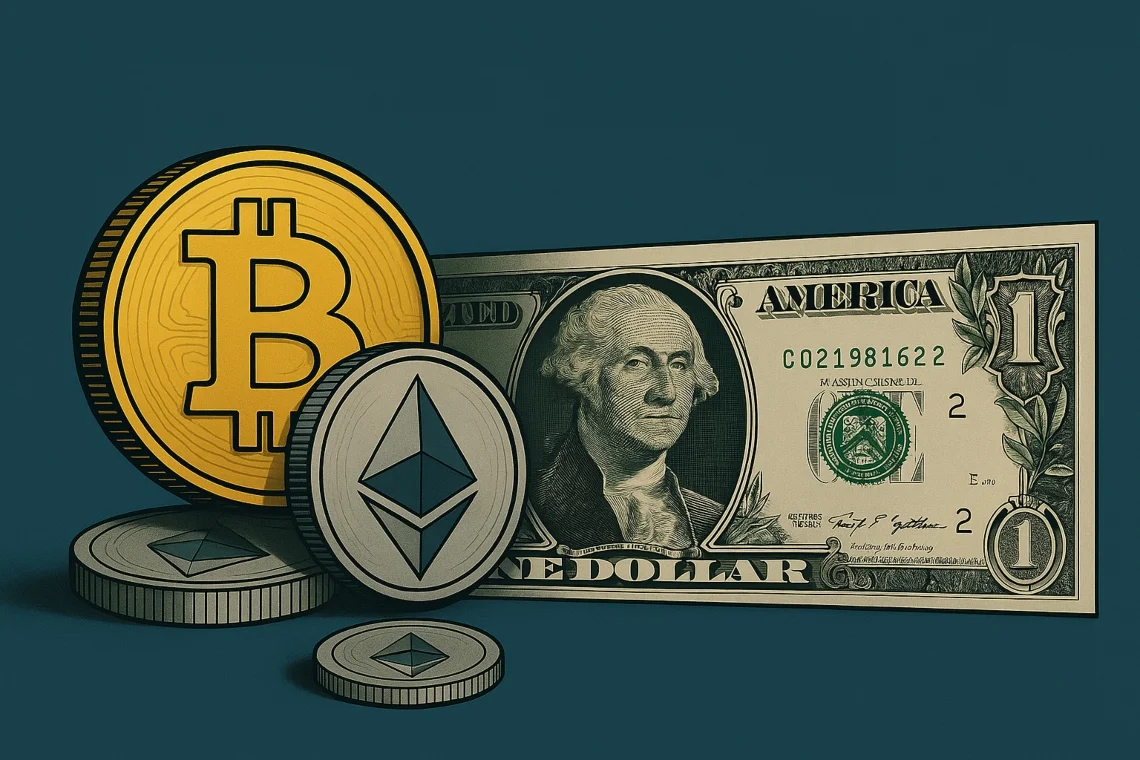
Cryptocurrency is a digital or virtual currency that uses cryptography and blockchain technology to secure transactions. Bitcoin, Ethereum, and thousands of other tokens operate on decentralized networks, independent of governments or central banks. Key characteristics include:
-
Decentralization: Operates on distributed ledger systems (blockchains) without central authority.
-
Digital Form: Exists only electronically and requires digital wallets for storage and transfer.
-
Limited Supply: Many cryptocurrencies, like Bitcoin, have a fixed supply cap, creating scarcity.
-
Transparency: Transactions are recorded on public ledgers, ensuring traceability.
-
Global Accessibility: Can be sent and received internationally without intermediaries.
Key Differences Between Cryptocurrency and Cash
1. Physical vs Digital
-
Cash: Tangible, can be held and exchanged physically.
-
Cryptocurrency: Entirely digital; requires electronic devices and internet access.
2. Centralization vs Decentralization
-
Cash: Controlled by governments and central banks; monetary policy can influence value.
-
Cryptocurrency: Decentralized networks govern issuance and transactions; value is market-driven.
3. Supply Control
-
Cash: Central banks can print or withdraw currency based on economic needs.
-
Cryptocurrency: Many have fixed supply limits, like Bitcoin’s 21 million coins, making them resistant to inflation.
4. Transaction Speed
-
Cash: Instantaneous in person but slower for large or international transactions.
-
Cryptocurrency: Can be fast, especially for cross-border payments, though network congestion may affect speed.
5. Transaction Costs
-
Cash: Minimal costs for small transactions; fees may apply for electronic transfers.
-
Cryptocurrency: Fees vary by network; some transactions can be costly during peak demand.
6. Security and Fraud
-
Cash: Physical theft is possible, but counterfeiting is a primary concern.
-
Cryptocurrency: Secure cryptographically, but susceptible to hacks, phishing, and lost private keys.
7. Privacy and Anonymity
-
Cash: Provides anonymity in physical transactions.
-
Cryptocurrency: Transactions are pseudonymous; addresses are public on the blockchain, though identities may be hidden.
8. Acceptance and Usability
-
Cash: Universally accepted for goods, services, and legal obligations.
-
Cryptocurrency: Acceptance is growing but limited; primarily used for investment, online purchases, or remittances.
9. Legal and Regulatory Status
-
Cash: Fully legal tender regulated by governments.
-
Cryptocurrency: Legal status varies by country; some ban it, others regulate or embrace it.
10. Value Stability
-
Cash: Generally stable, especially in strong economies, but subject to inflation.
-
Cryptocurrency: Highly volatile; prices can fluctuate dramatically in short periods.
Advantages of Cryptocurrency Over Cash
-
Global Transactions: Send money anywhere in the world without banks.
-
Lower Transaction Costs: Especially for cross-border transfers.
-
Digital Ownership: Secure, verifiable proof of ownership via blockchain.
-
Inflation Resistance: Limited supply of certain cryptocurrencies protects against inflation.
-
Programmable Money: Smart contracts enable automated transactions and decentralized applications.
Advantages of Cash Over Cryptocurrency
-
Widespread Acceptance: Cash is universally accepted for everyday transactions.
-
Stability: Less volatile, making it reliable for savings and transactions.
-
Privacy: In-person cash transactions leave no digital footprint.
-
No Technical Barriers: Requires no internet, devices, or technical knowledge.
-
Legal Recognition: Backed by governments for all payments and debts.
Use Cases: When to Use Cryptocurrency vs Cash
Cryptocurrency Use Cases
-
International Remittances: Fast, low-cost money transfers across borders.
-
Investment: Long-term holdings and trading opportunities.
-
Online Purchases: Some merchants accept crypto payments.
-
Decentralized Finance (DeFi): Lending, borrowing, and yield generation without banks.
-
Digital Collectibles and NFTs: Buying and selling digital art, music, or virtual real estate.
Cash Use Cases
-
Everyday Purchases: Groceries, transportation, and local services.
-
Small Transactions: Tips, vending machines, and informal markets.
-
Emergency Situations: When digital payments or internet access are unavailable.
-
Anonymity Needs: Situations where privacy is critical.
-
Legal Transactions: Paying taxes, fines, or legal obligations.
Risks Associated With Cryptocurrency
-
Market Volatility: Prices can rise or fall dramatically in short periods.
-
Cybersecurity Threats: Hacking, phishing, and scams are common.
-
Regulatory Uncertainty: Governments may ban, regulate, or tax cryptocurrencies unpredictably.
-
Technical Barriers: Requires digital literacy and secure storage solutions.
-
Irreversible Transactions: Once sent, cryptocurrency cannot be reversed without recipient cooperation.
Risks Associated With Cash
-
Theft or Loss: Physical money can be stolen or misplaced.
-
Counterfeiting: Fake notes and coins can cause financial losses.
-
Inflation: Over time, purchasing power can decrease.
-
Limited Accessibility: Difficult for international transactions or remote payments.
-
Storage and Security: Large cash amounts require safes or security measures.
Future Trends: Cryptocurrency vs Cash
The future of money is likely to be hybrid, combining the advantages of cash and digital currencies:
-
Digital Payments: Growth of mobile wallets, e-money, and cryptocurrencies.
-
Central Bank Digital Currencies (CBDCs): Government-backed digital currencies blending cash’s stability with digital convenience.
-
Blockchain Adoption: Increased integration of decentralized technologies into banking, commerce, and finance.
-
Consumer Choice: Users may choose between cash, digital fiat, and cryptocurrencies depending on convenience, cost, and security.
Conclusion
Cryptocurrency and cash represent two fundamentally different forms of money, each with unique advantages, risks, and use cases. Cash offers stability, universal acceptance, and privacy, making it indispensable for daily transactions. Cryptocurrencies, on the other hand, provide global accessibility, innovation, and investment opportunities, but come with volatility, technical complexity, and regulatory challenges.
Understanding the key differences between cryptocurrency and cash helps individuals, businesses, and investors make informed decisions in an increasingly digital economy. While cash will continue to play a critical role in daily life, cryptocurrencies are reshaping the financial landscape, offering new possibilities for payments, investments, and global commerce. The future will likely involve coexistence, where both cash and digital currencies complement each other in a diverse, hybrid financial ecosystem.
Read Also: Keep your face towards the sunshine and shadows will fall behind you
Watch Also: https://www.youtube.com/@TravelsofTheWorld24














Leave a Reply