
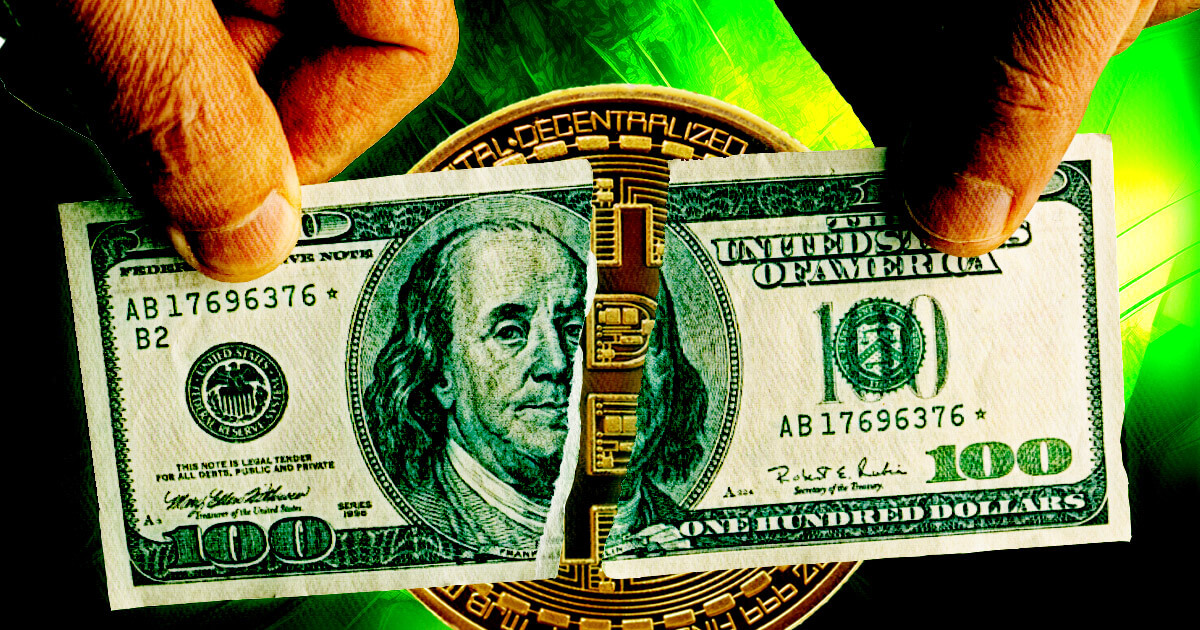
In recent years, the debate between Bitcoin and traditional fiat currencies, such as the U.S. Dollar, has intensified. Bitcoin, the first and most well-known cryptocurrency, represents a decentralized digital alternative to government-issued money. As financial technology evolves and digital currencies gain popularity, many ask: Could cryptocurrency replace the dollar and become the future of money? This article explores the comparison between Bitcoin and the U.S. Dollar, examining their differences, benefits, risks, and potential impact on the global economy.
Understanding Bitcoin
Bitcoin (BTC) is a decentralized digital currency created in 2009 by the pseudonymous Satoshi Nakamoto. It operates on a peer-to-peer network using blockchain technology, which records all transactions transparently and securely. Unlike the dollar, Bitcoin is not controlled by any government or central bank, giving users greater autonomy over their money.
Key Features of Bitcoin
-
Decentralization: No central authority controls Bitcoin, reducing the risk of political manipulation.
-
Limited Supply: Bitcoin has a maximum supply of 21 million coins, creating scarcity and a potential hedge against inflation.
-
Security: Transactions are secured using cryptography and verified by a network of miners.
-
Transparency: All transactions are recorded on a public blockchain ledger.
-
Global Accessibility: Bitcoin can be sent and received worldwide without relying on banks or intermediaries.
Understanding the U.S. Dollar
The U.S. Dollar (USD) is the world’s dominant fiat currency, issued and regulated by the U.S. Federal Reserve. It is widely used for international trade, reserves, and everyday transactions. Unlike Bitcoin, the dollar is centralized, government-backed, and subject to monetary policy.
Key Features of the U.S. Dollar
-
Centralization: Controlled by the Federal Reserve, which manages supply and interest rates.
-
Unlimited Supply: The Fed can print more money as needed, which can lead to inflation.
-
Legal Tender: Widely accepted for goods, services, and debt settlement.
-
Stability: The dollar is relatively stable compared to cryptocurrencies, making it reliable for everyday use.
-
Global Reserve Currency: Held by central banks worldwide as part of foreign exchange reserves.
Comparing Bitcoin and the Dollar
1. Value Stability
-
Dollar: Relatively stable, suitable for daily transactions, savings, and contracts.
-
Bitcoin: Highly volatile, with prices fluctuating dramatically, which can create both opportunities and risks for investors.
2. Supply and Inflation
-
Dollar: Central banks can increase supply, potentially leading to inflation.
-
Bitcoin: Fixed supply of 21 million coins, which may protect against inflation and create scarcity-driven value growth.
3. Decentralization vs Centralization
-
Dollar: Centralized, allowing governments to implement monetary policies, but susceptible to political and economic manipulation.
-
Bitcoin: Decentralized, resistant to censorship, but lacks regulatory oversight, which can increase risk.
4. Transaction Speed and Cost
-
Dollar: Domestic transactions are fast; international transfers can be slow and costly due to banks and intermediaries.
-
Bitcoin: Transactions can be processed globally, sometimes faster than traditional banking, though fees and confirmation times vary depending on network congestion.
5. Accessibility
-
Dollar: Requires a bank account or cash, which may exclude the unbanked.
-
Bitcoin: Accessible to anyone with an internet connection, offering financial inclusion globally.
Benefits of Bitcoin Over the Dollar
-
Financial Autonomy: Users control their funds without relying on banks.
-
Inflation Hedge: Limited supply can protect against currency devaluation.
-
Global Transfers: Bitcoin enables borderless transactions without intermediaries.
-
Transparency: Blockchain ensures every transaction is recorded and traceable.
-
Innovation: Bitcoin and other cryptocurrencies support DeFi, NFTs, and blockchain-based applications.
Limitations of Bitcoin Compared to the Dollar
-
Volatility: Price fluctuations make it unreliable as a stable medium of exchange.
-
Adoption: Not widely accepted for everyday transactions compared to the dollar.
-
Regulatory Uncertainty: Governments worldwide are still defining crypto regulations.
-
Technical Barriers: Users need wallets, private keys, and an understanding of blockchain.
-
Environmental Impact: Bitcoin mining consumes significant energy, raising sustainability concerns.
Could Bitcoin Replace the Dollar?
While Bitcoin offers several advantages over fiat currencies, replacing the dollar is unlikely in the near future due to several factors:
-
Stability Needs: Governments and businesses require stable currencies for contracts and economic planning.
-
Regulation and Legal Tender: The dollar is widely accepted and backed by law, while Bitcoin is not legal tender in most countries.
-
Adoption Barriers: Mainstream adoption requires education, infrastructure, and regulatory clarity.
-
Economic Policy: Central banks use fiat currency control for monetary policy, inflation management, and crisis response, which is not possible with Bitcoin.
Hybrid Future: Bitcoin and Fiat Coexistence
Instead of replacing the dollar, Bitcoin and other cryptocurrencies may coexist with traditional currencies:
-
Digital Payments: Cryptocurrencies could complement fiat for online and cross-border transactions.
-
Store of Value: Bitcoin may act as a “digital gold” alongside the dollar as a medium of exchange.
-
Central Bank Digital Currencies (CBDCs): Governments may issue digital versions of fiat currencies, combining the benefits of blockchain with regulatory oversight.
The Role of Technology in the Future of Money
Blockchain and cryptocurrency technology could redefine money even without replacing the dollar:
-
Decentralized Finance (DeFi): Offers loans, savings, and financial services without banks.
-
Smart Contracts: Automate transactions and enforce agreements transparently.
-
Tokenization of Assets: Real-world assets can be represented digitally, increasing liquidity.
-
Global Financial Inclusion: People without bank access can participate in the economy using crypto.
Conclusion
The debate between Bitcoin and the U.S. Dollar highlights the evolution of money in the digital age. While the dollar remains the dominant, stable, and widely accepted currency, Bitcoin represents a decentralized, innovative, and borderless alternative. Rather than replacing the dollar entirely, Bitcoin and other cryptocurrencies are likely to coexist with traditional money, offering new tools for investment, global payments, and financial innovation.
As blockchain technology matures and adoption grows, cryptocurrencies could revolutionize the financial world, providing financial autonomy, transparency, and global inclusion. The future of money may not be exclusively digital or decentralized, but a hybrid system where Bitcoin, other cryptocurrencies, and fiat currencies operate together in a rapidly evolving economic landscape.
Read Also: Keep your face towards the sunshine and shadows will fall behind you
Watch Also: https://www.youtube.com/@TravelsofTheWorld24









Leave a Reply