
Understanding Ballet: From Classical Roots to Contemporary Forms
Ballet is one of the most revered and influential dance forms in the world. Known for its grace, discipline, and technical precision, ballet has shaped not only classical dance but also modern and contemporary movement. Its intricate movements, expressive storytelling, and rigorous training make ballet both an art form and a discipline that requires dedication, strength, and creativity. This article explores the definition of ballet, traces its rich history, and examines the different types of ballet dance practiced today.
Definition of Ballet Dance
Ballet is a classical dance form characterized by formalized movements, precise technique, and elegant posture. It combines physical strength, flexibility, and artistic expression to convey emotion, tell stories, or create abstract visual forms. Ballet dancers use defined positions, turns, jumps, and gestures to perform choreographed routines that require coordination, balance, and grace.
Ballet is not limited to performance alone; it is also a method of training that develops a dancer’s overall body control, discipline, and awareness. While it is highly structured, ballet allows room for creativity and expression, particularly in choreography and contemporary interpretations.
Historical Origins of Ballet
Early Beginnings
Ballet originated during the Italian Renaissance in the 15th century. It began as a form of court entertainment for aristocrats, often performed at grand banquets, festivals, and celebrations. These early dances combined social dancing with theatrical elements and storytelling, laying the groundwork for formalized ballet technique.
The word “ballet” comes from the Italian term ballare, meaning “to dance.” These early court ballets were heavily influenced by poetry, music, and theater, reflecting the cultural sophistication of the European elite.
Development in France
Ballet flourished in France during the reign of King Louis XIV in the 17th century. Known as the “Sun King,” Louis XIV was a passionate dancer and patron of the arts. He established the Académie Royale de Danse in 1661, the first official institution dedicated to the study and formalization of ballet.
During this period, ballet became codified with defined positions, terminology, and techniques. French became the universal language of ballet, and many of the fundamental steps and positions still retain their French names today. Ballet was no longer just entertainment; it became a structured art form with strict training and performance standards.
Expansion in Russia and Beyond
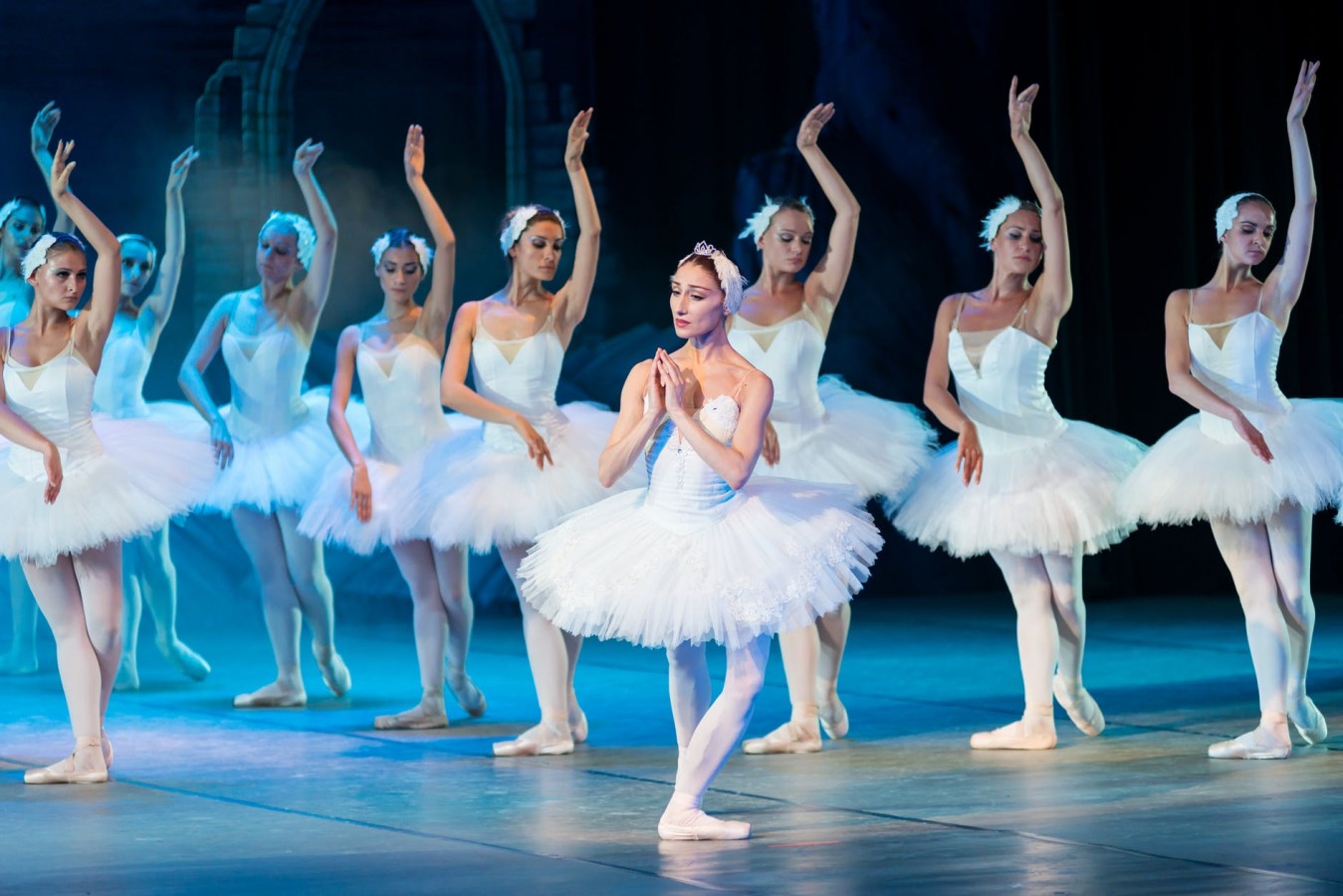
Ballet spread to Russia in the 18th and 19th centuries, where it reached new heights of technical mastery and artistic expression. Russian choreographers and composers, including Marius Petipa, Pyotr Ilyich Tchaikovsky, and Lev Ivanov, created some of the most famous ballets in history, such as Swan Lake, The Nutcracker, and Sleeping Beauty. Russian ballet emphasized dramatic storytelling, precision, and theatrical grandeur.
During the 20th century, ballet continued to evolve globally. Contemporary choreographers, such as George Balanchine in the United States, blended classical technique with modern aesthetics, creating new forms and styles that expanded ballet’s reach and relevance.
Fundamental Elements of Ballet
Ballet relies on specific principles that distinguish it from other dance forms:
1. Positions and Posture
Ballet has five basic foot positions and corresponding arm placements. Proper alignment, turnout from the hips, and upright posture are essential for balance, stability, and elegance.
2. Turnout
Turnout is the rotation of the legs from the hips, allowing for greater range of movement and graceful lines. It is a defining feature of classical ballet technique.
3. Pointe Work
Advanced female dancers perform on pointe, using specialized shoes that allow them to balance on the tips of their toes. Pointe work creates a sense of lightness, elevation, and ethereal beauty.
4. Ballet Steps and Movements
Ballet vocabulary includes a variety of steps, leaps, and turns, such as plié (bending of the knees), relevé (rising onto the balls of the feet), arabesque (extended leg position), pirouette (spin), and jeté (jump). Mastery of these movements requires strength, flexibility, and precision.
5. Musicality and Expression
Ballet is inseparable from music. Dancers must synchronize movements with musical rhythm, tempo, and phrasing. Artistic expression through facial gestures and body lines enhances storytelling and emotional impact.
Types of Ballet
Ballet has evolved into various styles and approaches, each with unique characteristics and training methods. The major types include:
1. Classical Ballet
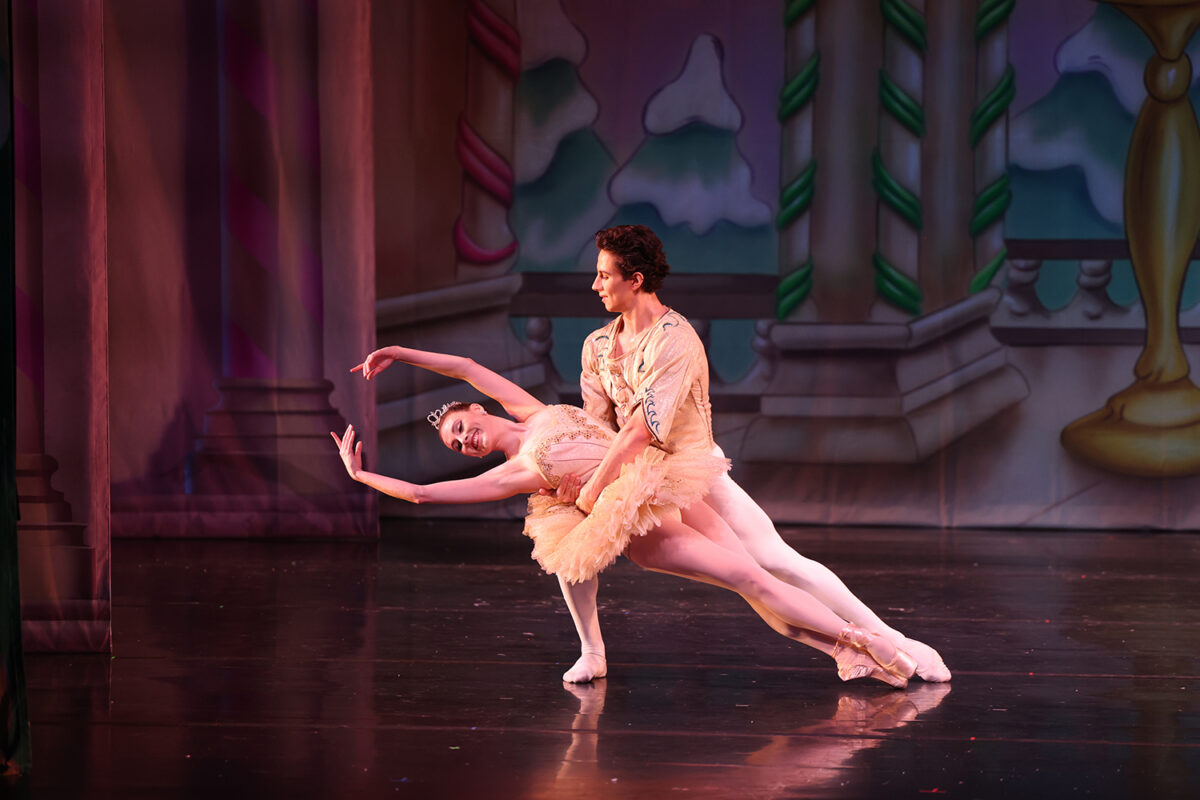
Classical ballet adheres strictly to traditional technique and codified movements. It emphasizes symmetry, clean lines, and formal choreography. Classical ballet performances often tell stories drawn from folklore, mythology, or literature. Famous examples include Giselle, Coppélia, and The Sleeping Beauty.
2. Romantic Ballet
Emerging in the early 19th century, Romantic ballet focused on themes of love, fantasy, and ethereal beauty. Pointe work became prominent, and ballets often featured supernatural characters like fairies, spirits, or sylphs. La Sylphide is one of the most iconic Romantic ballets.
3. Neoclassical Ballet
Neoclassical ballet developed in the 20th century, emphasizing form, technique, and abstract expression rather than storytelling. George Balanchine pioneered this style, which features minimal costumes, innovative choreography, and greater freedom of movement compared to classical ballet.
4. Contemporary Ballet
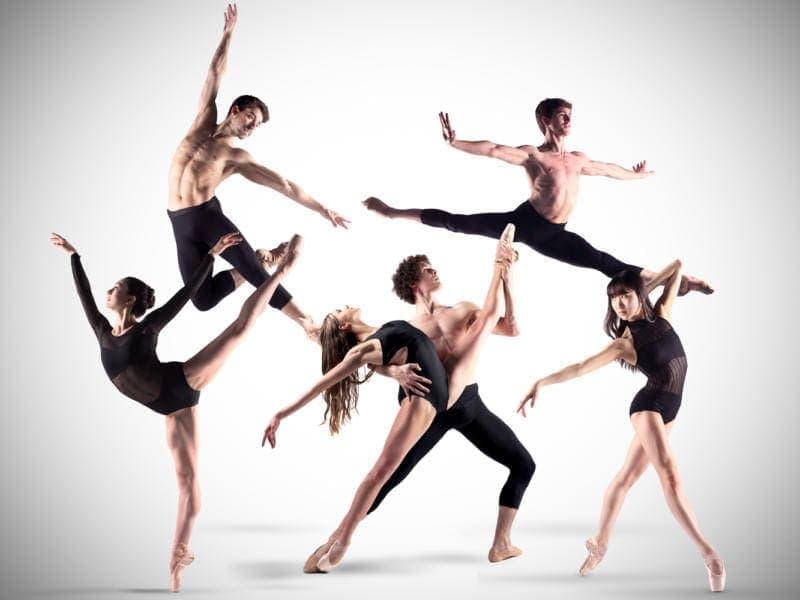
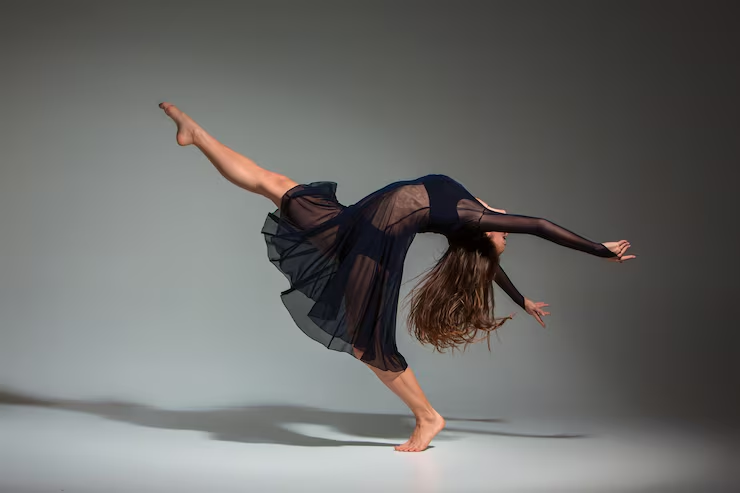
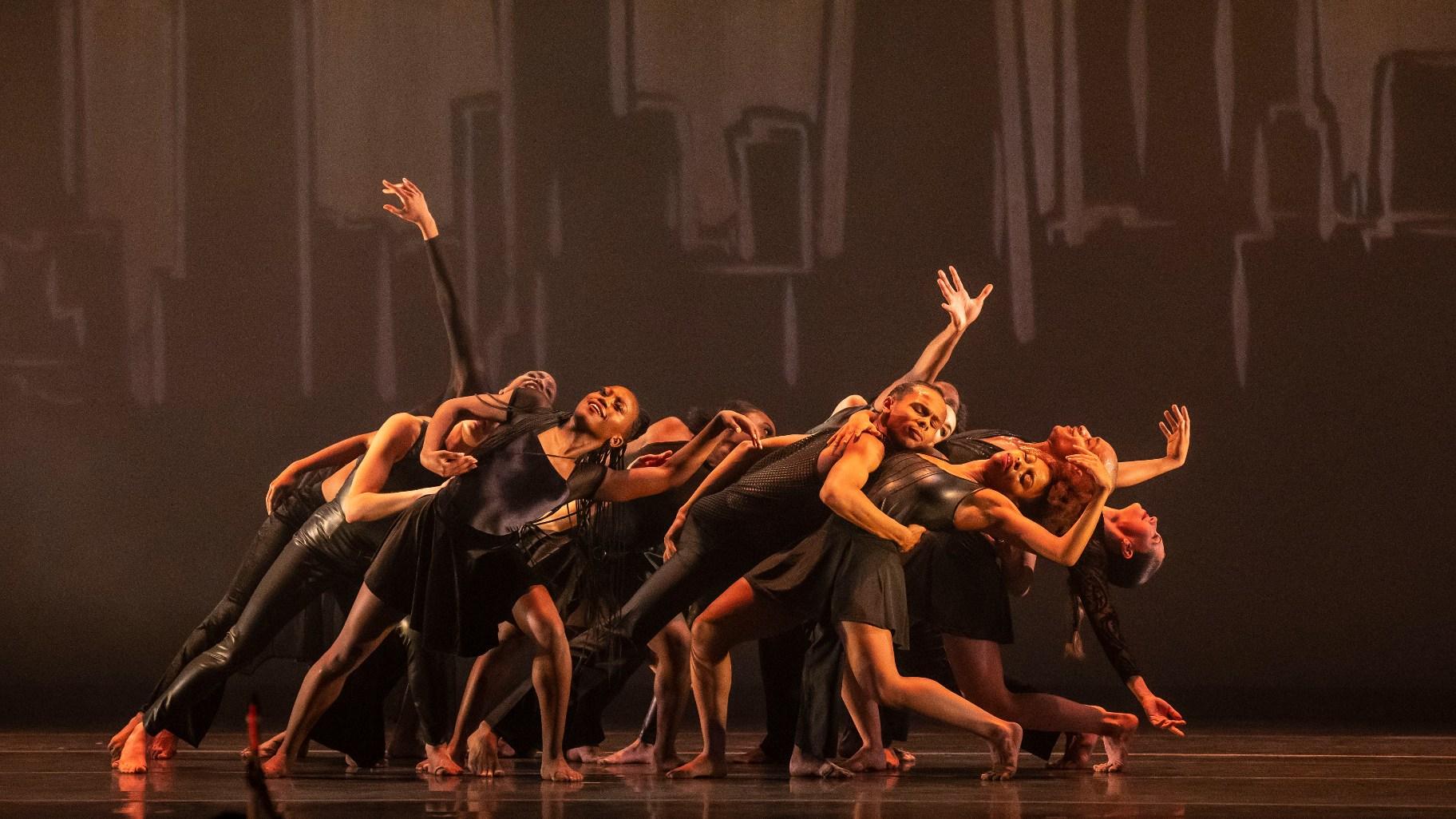
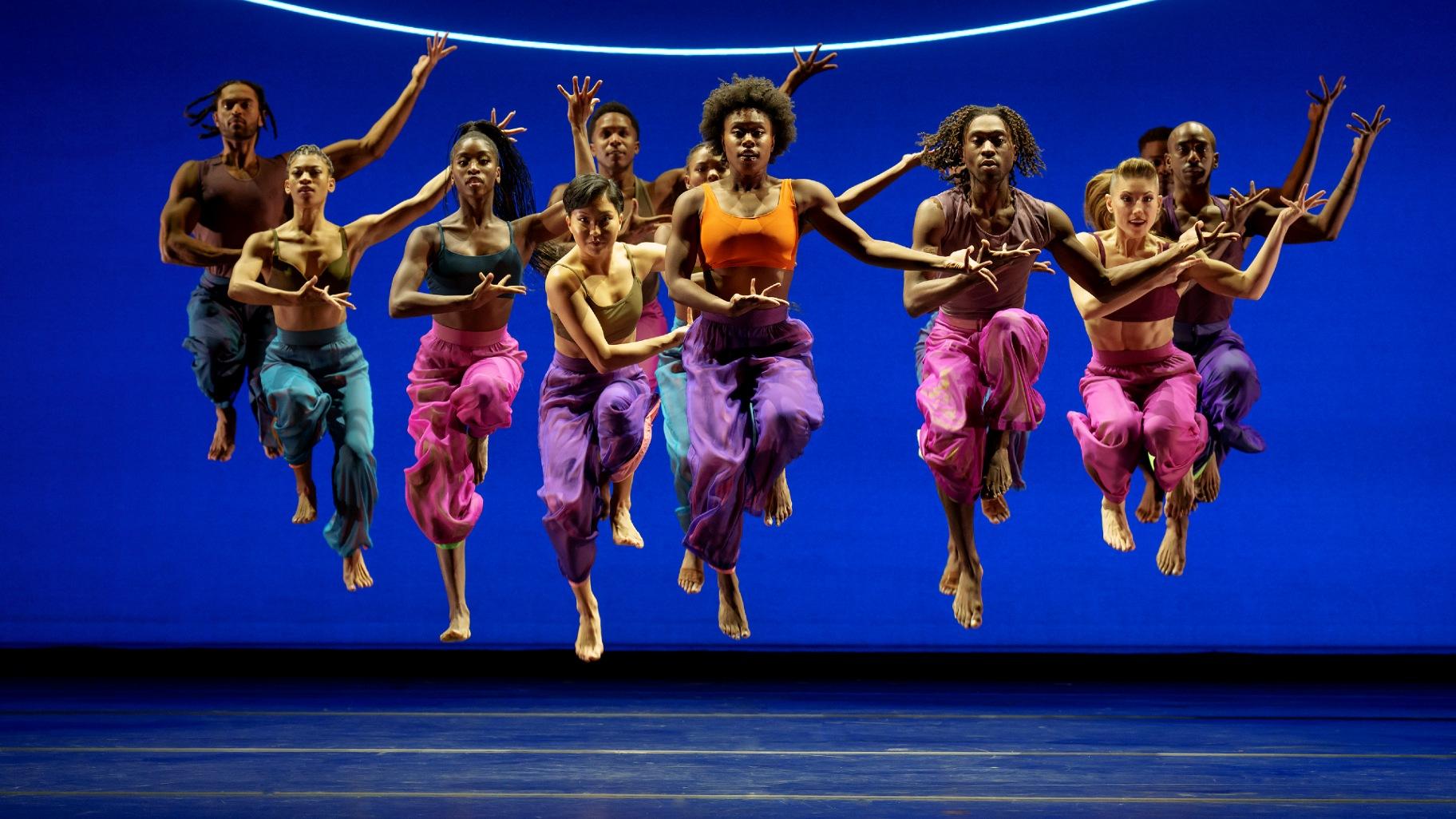
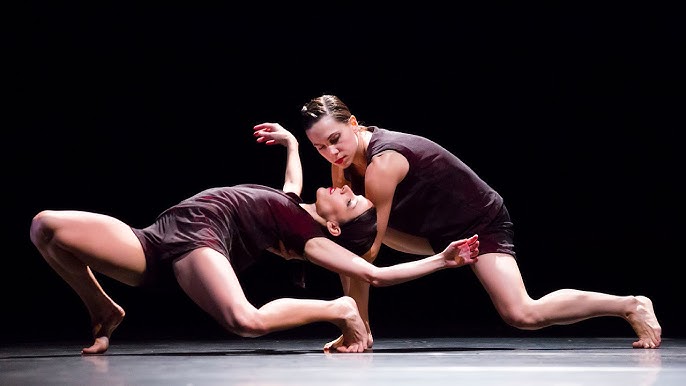
Contemporary ballet blends classical technique with modern dance principles. It allows dancers to explore fluidity, grounded movement, and unconventional choreography. Contemporary ballet often incorporates floor work, improvisation, and emotional expression.
5. Character Ballet
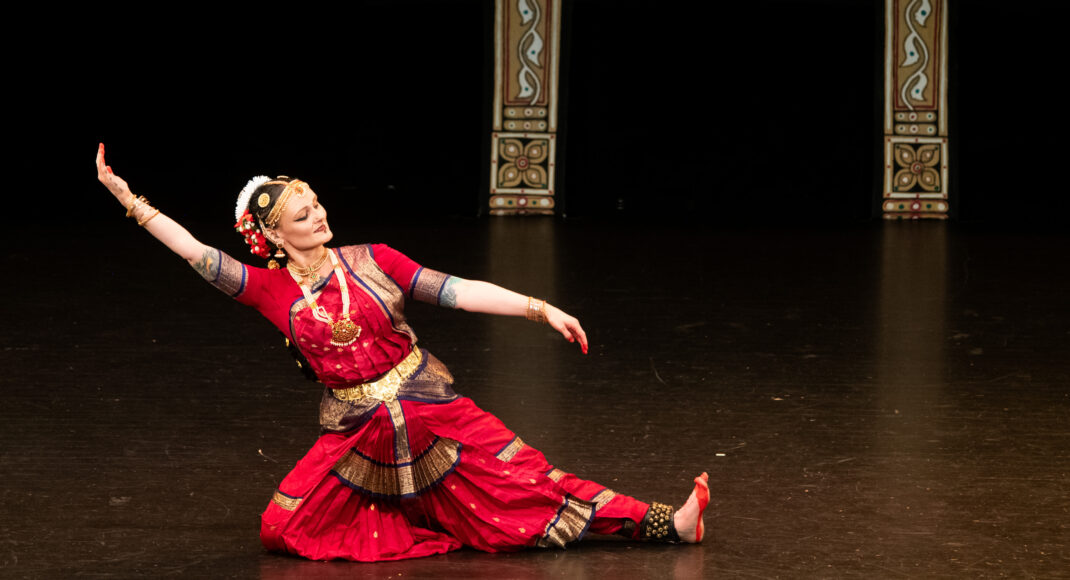
Character ballet incorporates elements of folk or national dances into classical ballet performance. Dancers adopt stylized gestures, costumes, and music inspired by specific cultures. This type of ballet is often included in story ballets for theatrical variety.
6. Demi-Character Ballet
Demi-character ballet is a simplified form of character dance used in classical ballets. It combines classical technique with stylized folk-inspired movements, often performed by soloists or small groups.
Ballet Training and Education
Ballet requires years of disciplined training, often starting at a young age. Students typically begin with basic positions, stretches, and coordination exercises, gradually advancing to complex techniques, jumps, turns, and pointe work. Professional ballet education emphasizes:
-
Strength and flexibility
-
Balance and alignment
-
Musicality and rhythm
-
Stage presence and expression
-
Understanding of ballet history and repertoire
Many dancers attend specialized ballet schools or academies, participate in workshops, and join professional companies to refine their skills and gain performance experience.
Ballet in Performance and Culture
Ballet remains a central part of global performing arts. Renowned ballet companies such as the Bolshoi Ballet (Russia), Paris Opera Ballet (France), and American Ballet Theatre (USA) continue to present classical and contemporary works to audiences worldwide. Ballet performances are celebrated for their visual beauty, technical brilliance, and emotional storytelling.
Ballet also influences other dance forms, including jazz, contemporary, and musical theatre. Its emphasis on alignment, technique, and artistry provides a foundation for versatile movement in many styles.
Benefits of Learning Ballet
Learning ballet offers numerous physical, mental, and emotional benefits:
-
Physical Fitness: Builds strength, flexibility, posture, and coordination.
-
Discipline: Encourages focus, perseverance, and attention to detail.
-
Artistic Expression: Develops creativity, emotional expression, and musicality.
-
Confidence: Performance experience boosts self-esteem and stage presence.
-
Cultural Knowledge: Connects dancers to centuries of artistic tradition.
Whether pursued professionally or recreationally, ballet provides a holistic approach to personal development and artistic growth.
Conclusion
Ballet is a timeless and influential dance form that continues to captivate audiences and inspire dancers worldwide. From its origins in the Italian courts to its evolution in France, Russia, and beyond, ballet has established itself as both a classical art and a foundation for modern movement. With its precise technique, expressive storytelling, and diverse styles, ballet offers an enriching experience for dancers of all levels. Understanding its history, techniques, and types allows students and enthusiasts to appreciate ballet’s beauty and enduring legacy.
Whether as a professional pursuit, a hobby, or a gateway to other dance styles, ballet remains a symbol of grace, discipline, and artistic excellence. Its continued popularity worldwide testifies to its cultural significance and universal appeal.
Read Also: Keep your face towards the sunshine and shadows will fall behind you
Watch Also: https://www.youtube.com/@TravelsofTheWorld24





Leave a Reply