
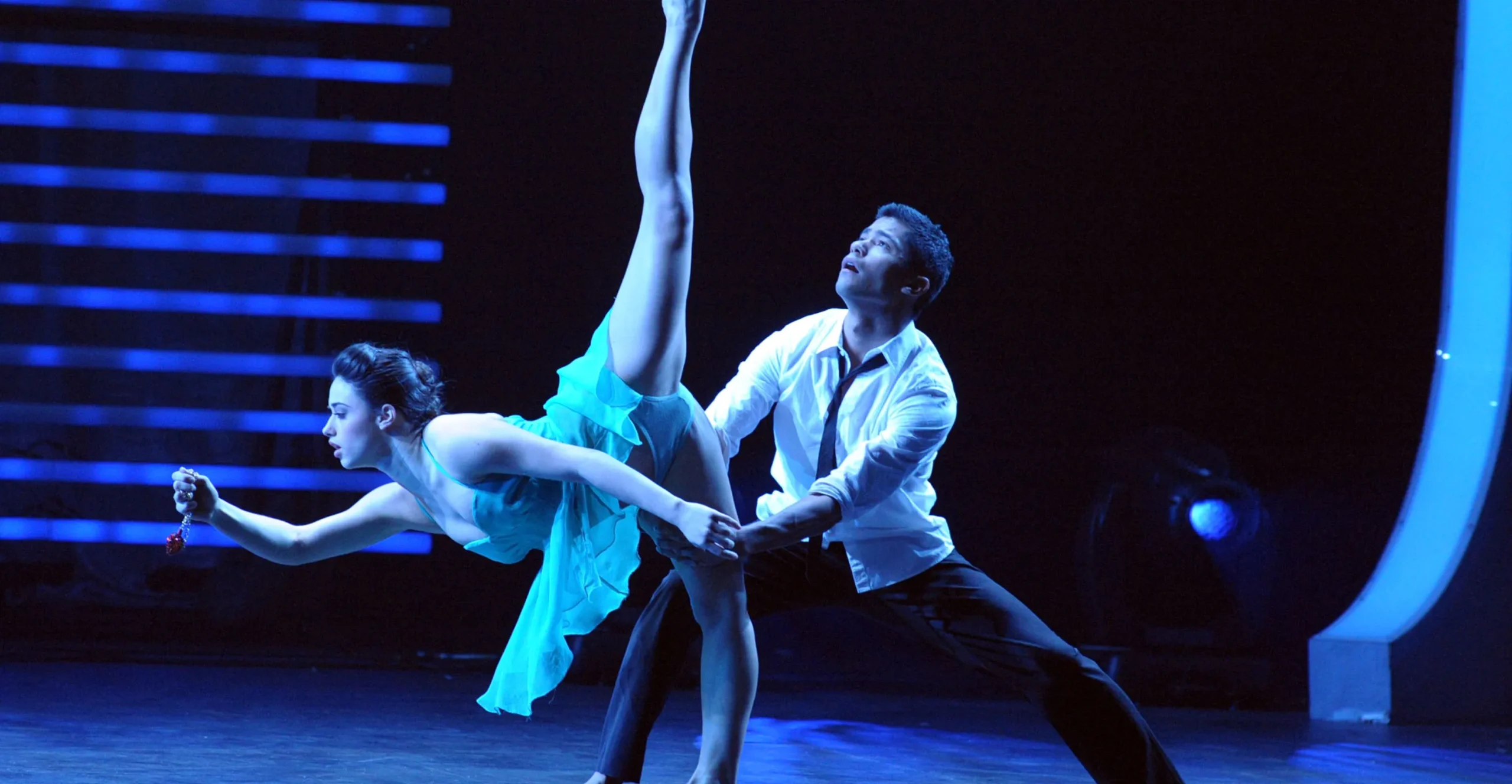
So You Think You Can Dance: Exploring the Show’s Most Popular Dance Styles
So You Think You Can Dance (SYTYCD) is one of the most popular dance reality shows in the world. Since its debut in 2005, the show has introduced millions of viewers to a wide range of dance styles, celebrating versatility, creativity, and technical excellence. Unlike many talent shows that focus on a single genre, SYTYCD challenges its contestants to perform multiple dance forms each week, often outside their comfort zones. This unique format has played a major role in educating audiences about diverse dance styles while shaping modern dance culture.
This article explores the major dance styles featured on So You Think You Can Dance, explaining their origins, techniques, and significance within the competition.
Contemporary Dance
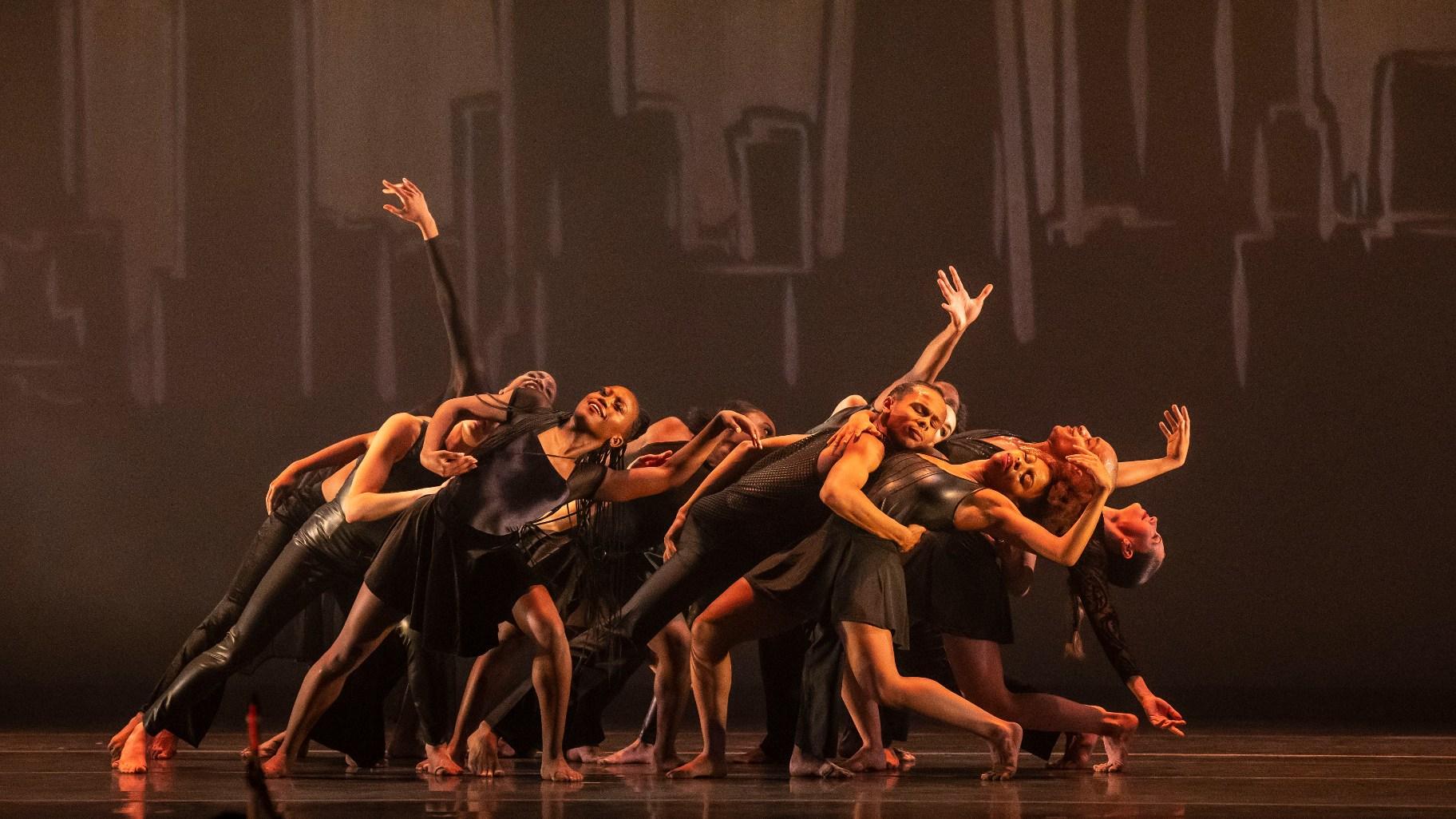
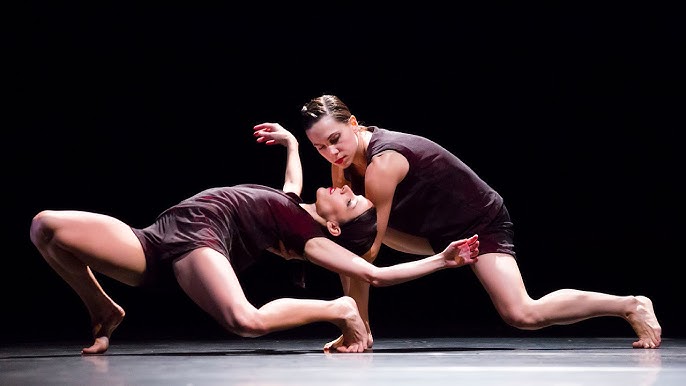
Contemporary dance is one of the most frequently performed and emotionally powerful styles on SYTYCD. It blends elements of classical ballet, modern dance, and lyrical movement, emphasizing freedom, expression, and storytelling.
Contemporary routines often focus on emotional themes such as love, loss, struggle, and hope. Dancers use fluid movements, floor work, controlled extensions, and expressive facial expressions to convey deep meaning. On SYTYCD, contemporary choreography is known for its dramatic lighting, music-driven narratives, and strong emotional impact, making it a fan favorite.
Hip-Hop
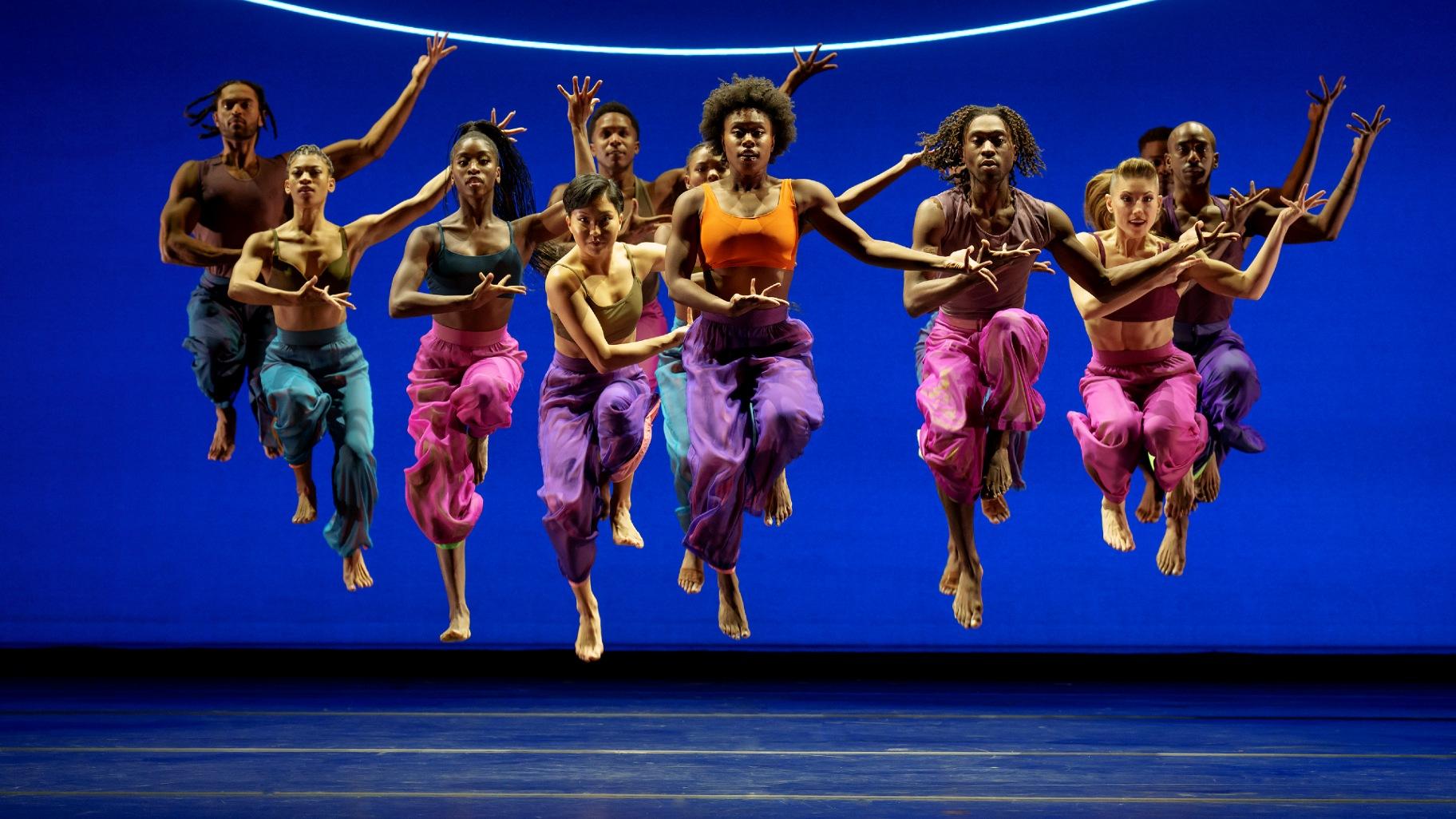
Hip-hop is a cornerstone of So You Think You Can Dance, representing street dance culture and urban expression. Originating in the United States during the 1970s, hip-hop encompasses various substyles such as popping, locking, breaking, and freestyle.
Hip-hop routines on SYTYCD are energetic, rhythm-focused, and attitude-driven. Dancers perform sharp isolations, powerful footwork, and freestyle movements that reflect individuality and musicality. The show has helped legitimize hip-hop as a professional and competitive dance form, highlighting its creativity and cultural importance.
Jazz
Jazz dance is a versatile and dynamic style commonly featured on the show. Rooted in African American culture, jazz evolved alongside jazz music and later absorbed elements from ballet and Broadway performance.
Jazz routines on SYTYCD are known for their sharp lines, fast turns, kicks, leaps, and strong stage presence. This style often incorporates theatrical elements, requiring dancers to perform with confidence, charisma, and precision. Jazz is frequently used for high-energy group numbers and show-stopping solos.
Ballet
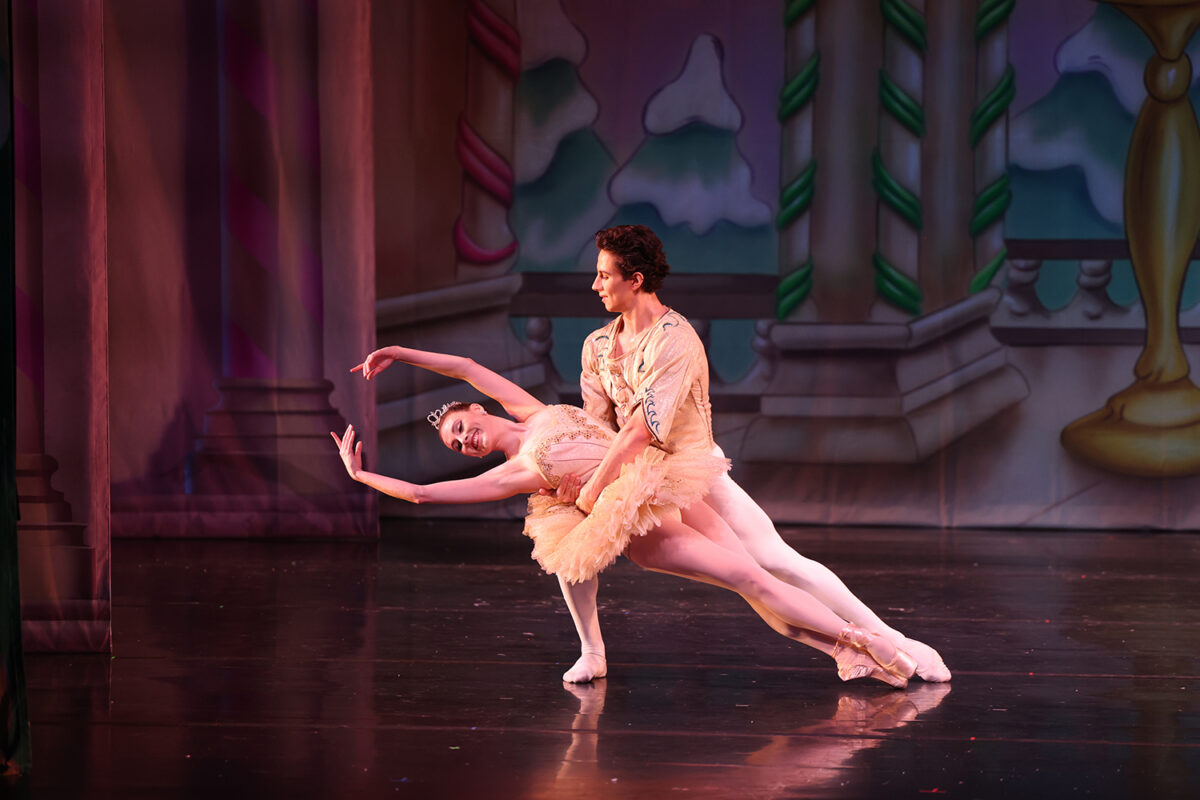
Ballet is the foundation of many dance styles and plays a significant role in SYTYCD. Originating in the Italian Renaissance and later developed in France and Russia, ballet emphasizes technique, discipline, balance, and grace.
On the show, ballet routines highlight clean lines, pointe work (for trained dancers), lifts, and classical positions. Ballet challenges contestants who lack formal training, testing their control and posture. SYTYCD has brought ballet to mainstream audiences, showcasing its beauty in both classical and contemporary settings.
Lyrical Dance
Lyrical dance is closely related to contemporary but places stronger emphasis on musical interpretation and emotional expression. It combines ballet technique with jazz fluidity, often performed to songs with meaningful lyrics.
Lyrical routines on SYTYCD focus on smooth transitions, expressive gestures, and storytelling through movement. The dancer’s connection to the music is crucial, making lyrical performances emotionally resonant and visually captivating.
Tap Dance
Tap dance brings rhythm to life by using the dancer’s feet as a percussion instrument. Originating from African and Irish dance traditions, tap emphasizes timing, musicality, and coordination.
Tap routines on SYTYCD showcase intricate footwork, syncopation, and rhythm patterns. Contestants must stay perfectly in time with the music while maintaining clarity in sound and movement. Tap performances add variety to the show and highlight the importance of musical precision.
Ballroom Dance
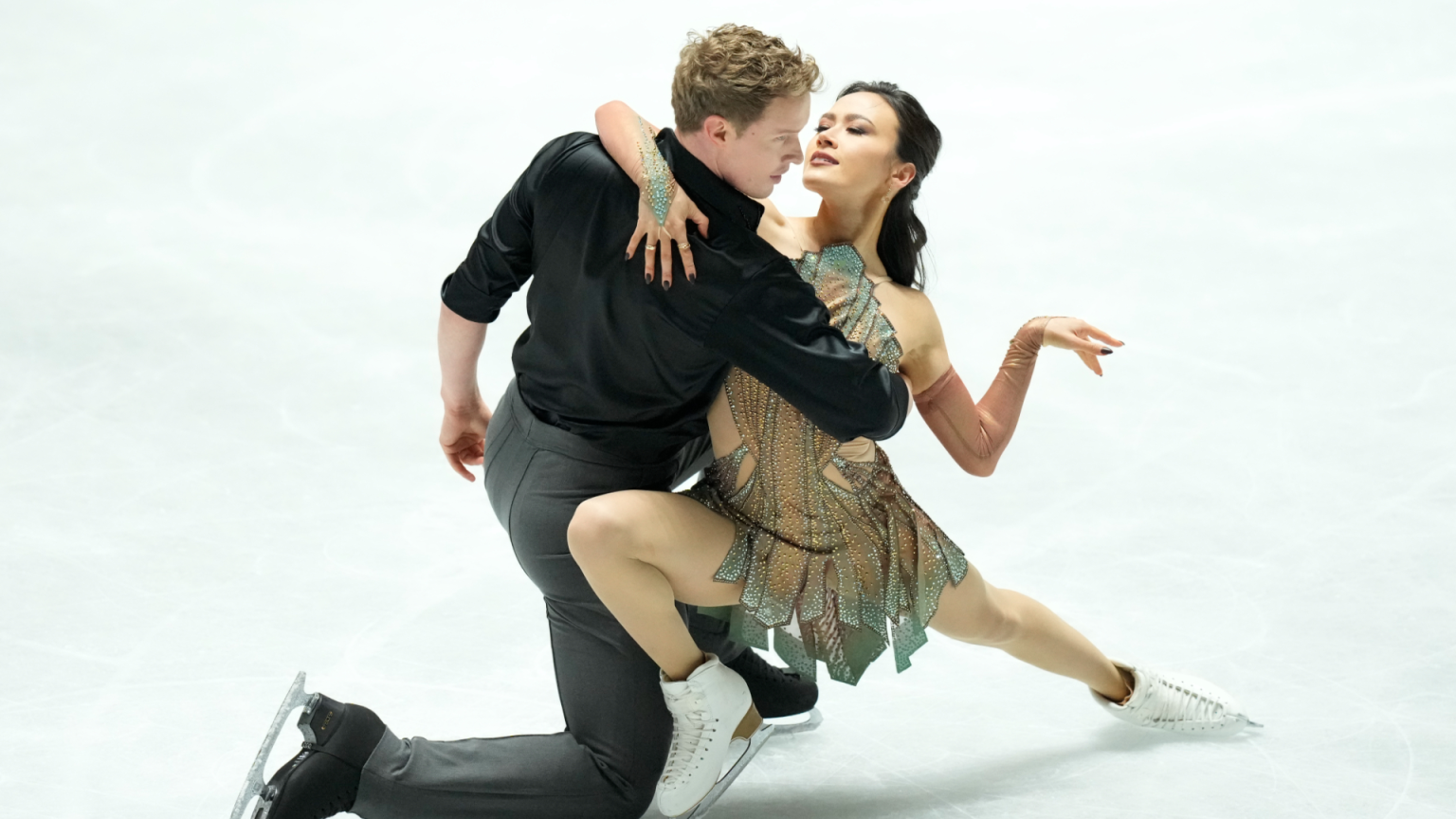
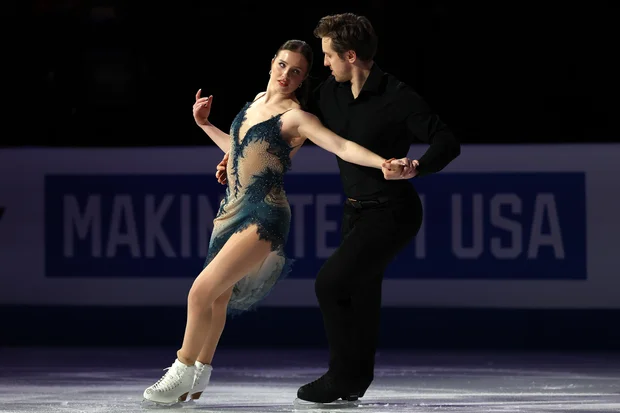
Ballroom dance is a major component of So You Think You Can Dance, featuring elegant partner dances that require coordination, posture, and chemistry. Ballroom is divided into two main categories: standard ballroom and Latin ballroom.
Standard Ballroom
This includes styles such as:
-
Waltz
-
Foxtrot
-
Tango
-
Viennese Waltz
Standard ballroom dances emphasize smooth movement, frame control, and graceful partnering. On SYTYCD, these dances often appear romantic and classical, testing a dancer’s ability to move fluidly with a partner.
Latin Ballroom
Latin styles include:
-
Cha-cha
-
Rumba
-
Samba
-
Paso Doble
-
Jive
Latin ballroom dances are more energetic, rhythmic, and expressive. They require strong hip action, sharp footwork, and dramatic flair. These routines often challenge dancers to embrace confidence and intensity.
Modern Dance
Modern dance is a technique-based style that focuses on grounded movement, breath, and natural motion. Developed as a rebellion against classical ballet, modern dance emphasizes individuality and emotional authenticity.
On SYTYCD, modern dance routines often involve unconventional movements, asymmetry, and abstract themes. This style allows dancers to explore creativity and express complex ideas through physical form.
African and Afro-Fusion Dance
African dance and Afro-fusion styles celebrate rhythm, culture, and storytelling rooted in African traditions. These dances are often community-based and connected to music, drums, and ritual.
On SYTYCD, African-inspired routines emphasize grounded movements, polyrhythms, and expressive energy. Afro-fusion blends traditional African dance with contemporary and hip-hop elements, showcasing cultural diversity and global influence.
Bollywood Dance
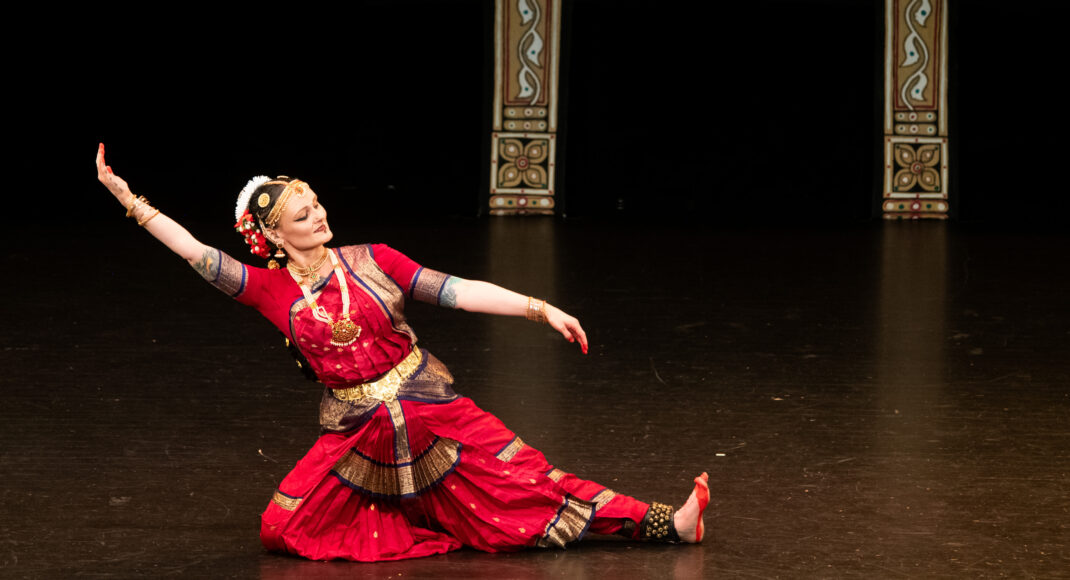
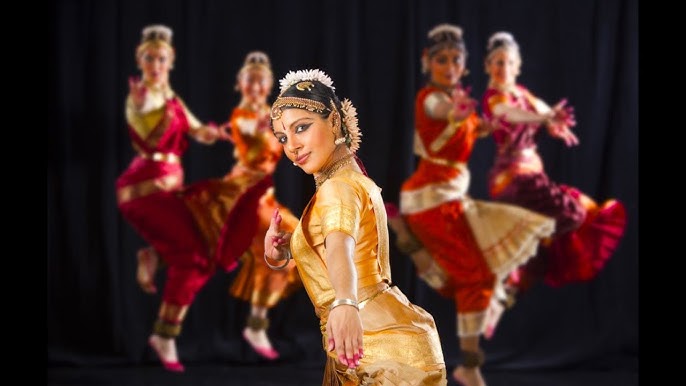
Bollywood dance, inspired by Indian cinema, has appeared on several seasons of SYTYCD. This style combines classical Indian dance, folk traditions, and modern influences such as jazz and hip-hop.
Bollywood routines are colorful, expressive, and theatrical. They often involve storytelling, facial expressions, and synchronized group movements. These performances highlight cultural fusion and global dance traditions.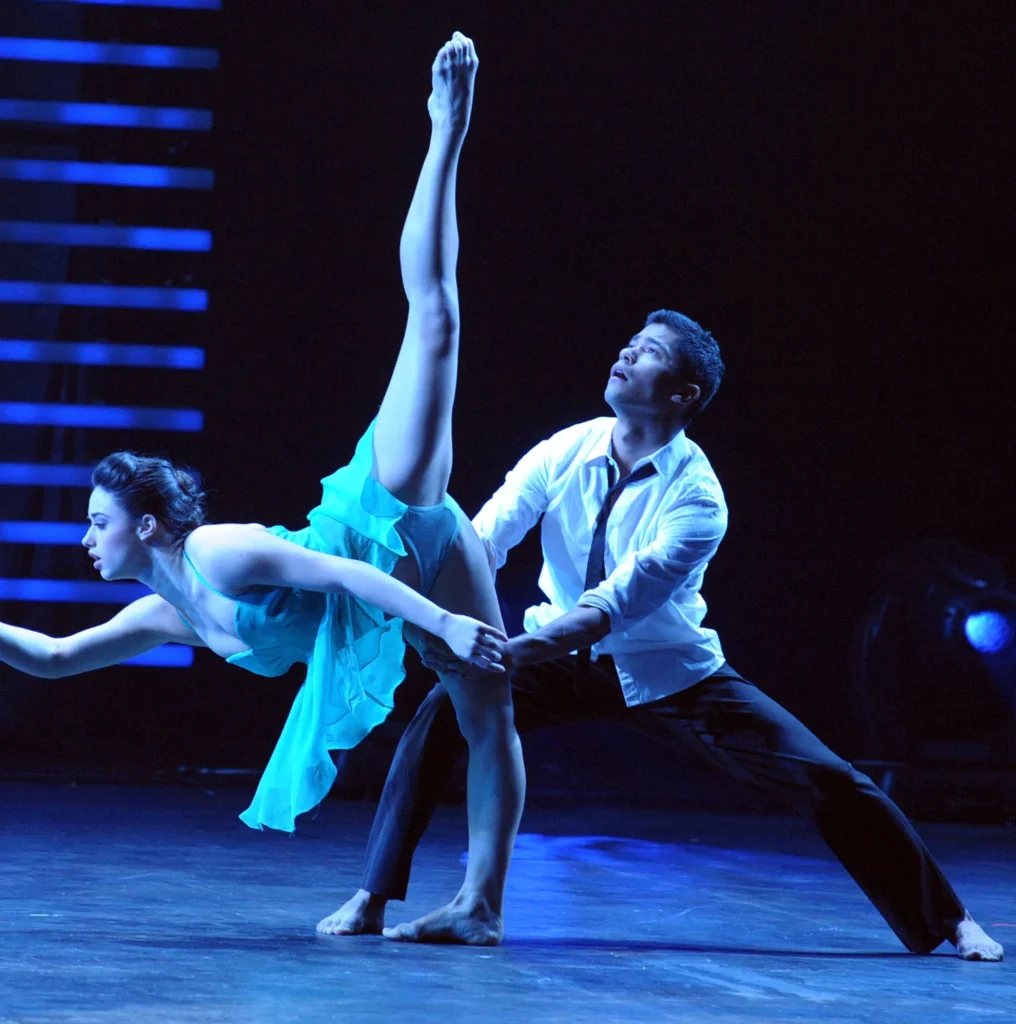
Broadway and Musical Theatre
Broadway-style dance focuses on storytelling, character portrayal, and theatrical performance. It blends jazz, tap, and acting, requiring dancers to convey personality and emotion.
On SYTYCD, Broadway routines challenge dancers to act through movement, emphasizing facial expressions, timing, and stage presence. These routines are often entertaining and dramatic, appealing to audiences who enjoy narrative-driven performances.
Jazz-Funk
Jazz-funk is a commercial dance style influenced by jazz technique, hip-hop grooves, and pop culture. It is commonly seen in music videos and live stage performances.
Jazz-funk routines on SYTYCD are bold, sassy, and high-energy. They emphasize performance quality, sharp movements, and confidence, often set to popular music.
The Importance of Versatility on SYTYCD
One of the defining features of So You Think You Can Dance is its emphasis on versatility. Contestants are expected to adapt quickly to unfamiliar styles, learn choreography under pressure, and perform at a professional level.
This versatility reflects the realities of the dance industry, where successful dancers must be adaptable and skilled across multiple genres. The show has helped raise awareness of the discipline, training, and artistry required to succeed as a professional dancer.
Impact on Dance Culture
SYTYCD has had a lasting impact on global dance culture. It has introduced audiences to lesser-known dance styles, elevated choreographers to celebrity status, and inspired countless dancers to pursue training and performance careers.
By showcasing diversity, creativity, and cultural expression, the show has broken stereotypes and expanded the definition of what dance can be.
Conclusion
So You Think You Can Dance is more than a competition—it is a celebration of dance in all its forms. From contemporary and hip-hop to ballroom, tap, and global styles, the show highlights the richness and diversity of the dance world. By explaining and showcasing these styles, SYTYCD continues to educate, inspire, and entertain audiences worldwide, proving that dance is a universal language that transcends boundaries.
Read Also: Keep your face towards the sunshine and shadows will fall behind you
Watch Also: https://www.youtube.com/@TravelsofTheWorld24


Leave a Reply