
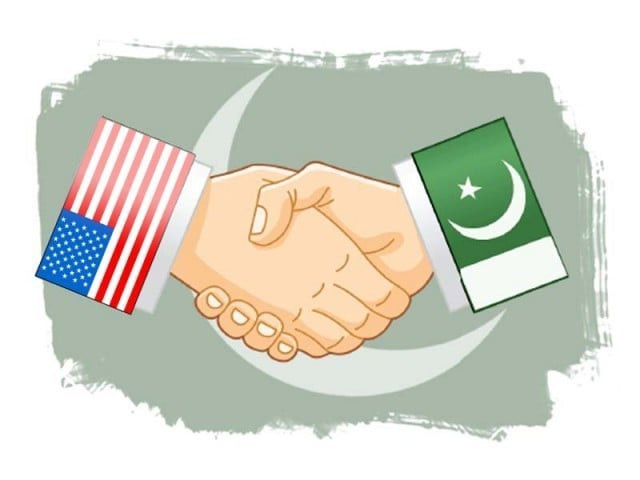
In a significant development for international business relations, a high-level business delegation from the United States recently visited Pakistan to explore investment opportunities, strengthen bilateral trade ties, and discuss potential areas of economic collaboration. The delegation, comprising senior executives from leading American corporations, financial institutions, and trade organizations, met with Pakistani government officials, industry leaders, and entrepreneurs across multiple sectors. This visit marks a pivotal moment in Pakistan-US economic engagement, with the potential to reshape investment landscapes and bolster business confidence in Pakistan.
Objectives of the US Business Delegation Visit
The primary goal of the delegation was to identify strategic investment opportunities in Pakistan while assessing the country’s economic environment and regulatory framework. Key objectives included:
-
Exploring Investment Opportunities: The delegation aimed to understand which sectors in Pakistan present the most promising investment opportunities, focusing on technology, energy, manufacturing, infrastructure, and finance.
-
Strengthening Bilateral Trade: The visit was also geared toward enhancing trade relations between the US and Pakistan, fostering partnerships that can increase exports and create employment.
-
Understanding Policy and Regulatory Frameworks: US business leaders engaged with Pakistani policymakers to gain insights into regulatory procedures, investment incentives, and government policies that impact foreign investments.
-
Fostering Innovation and Technology Collaboration: With technology-driven growth shaping global markets, the delegation explored areas for collaboration in IT, fintech, and digital services.
Key Sectors of Interest
1. Energy and Renewable Power
Energy is a crucial sector in Pakistan, with rising demand for electricity and sustainable power solutions. The delegation expressed interest in renewable energy projects such as solar, wind, and hydropower. Investments in energy infrastructure are expected to meet the growing industrial and domestic demand, reduce energy deficits, and contribute to environmental sustainability.
2. Information Technology and Digital Economy
Pakistan’s IT sector has emerged as one of the fastest-growing in South Asia. US companies explored opportunities in software development, IT outsourcing, and fintech solutions. Collaborative ventures can leverage Pakistan’s skilled workforce and competitive cost advantages while integrating global technological expertise.
3. Infrastructure Development
Infrastructure projects, including transportation networks, logistics, and urban development, were another focus area. The delegation evaluated potential public-private partnership (PPP) models to invest in roads, ports, airports, and smart city initiatives. Improved infrastructure can facilitate trade, attract more foreign investment, and stimulate economic growth.
4. Healthcare and Pharmaceuticals
The delegation explored opportunities in healthcare services, pharmaceutical manufacturing, and medical technology. Pakistan’s growing population and rising healthcare needs make this sector particularly promising for US investors seeking long-term returns.
5. Agriculture and Food Processing
Pakistan’s agriculture sector remains a backbone of the economy. Investors are keen on modernizing farming practices, introducing food processing technologies, and improving supply chains to enhance productivity and export potential.
6. Manufacturing and Industrial Expansion
US businesses are evaluating opportunities in industrial manufacturing, textiles, and consumer goods. Pakistan’s strategic location, access to regional markets, and competitive labor force make it an attractive destination for manufacturing investments.
Meetings and Key Engagements
During their visit, the US delegation met with senior officials from Pakistan’s Ministry of Commerce, Board of Investment (BOI), and other regulatory bodies. Discussions focused on:
-
Investment Facilitation: Simplifying business registration processes and providing tax incentives to foreign investors.
-
Trade Promotion: Expanding bilateral trade by reducing barriers and enhancing export opportunities.
-
Innovation and Technology Exchange: Encouraging joint ventures in tech-driven sectors and startups.
-
Corporate Social Responsibility (CSR): Promoting socially responsible investment initiatives that benefit local communities.
Additionally, the delegation participated in business forums, roundtable discussions, and networking sessions with local entrepreneurs to better understand market dynamics and challenges.
Statements from Key Stakeholders
US Business Leaders:
Executives emphasized Pakistan’s potential as a growing market with untapped opportunities. They noted the importance of stable economic policies, investment security, and government support to attract long-term foreign investments.
Pakistani Officials:
Government representatives highlighted reforms aimed at creating an investor-friendly environment. They assured the delegation that Pakistan is committed to facilitating foreign investment, enhancing infrastructure, and supporting innovation-driven sectors.
Industry Experts:
Analysts remarked that such high-level visits send positive signals to global investors, boosting confidence in Pakistan’s economic prospects. They highlighted the need for continuous policy improvements, transparency, and ease of doing business to fully capitalize on foreign investment opportunities.
Strategic Implications of the Visit
The visit by the US business delegation has several strategic implications for Pakistan’s economy:
-
Increased Foreign Direct Investment (FDI): By showcasing Pakistan’s investment potential, the delegation could pave the way for substantial FDI inflows, particularly in sectors like energy, IT, and infrastructure.
-
Technology Transfer and Knowledge Sharing: Collaboration with US companies can facilitate technology transfer, skill development, and innovation in key sectors, enhancing Pakistan’s global competitiveness.
-
Employment Generation: Investments in diverse sectors will create jobs, improve skill levels, and contribute to economic stability.
-
Enhanced Bilateral Relations: Strengthening economic ties can positively impact broader diplomatic relations between Pakistan and the United States.
Challenges and Considerations
While opportunities are significant, potential investors also consider challenges that need to be addressed:
-
Regulatory and Bureaucratic Hurdles: Streamlining business regulations and reducing red tape are critical to attracting investment.
-
Political and Economic Stability: Ensuring a stable macroeconomic environment is crucial for long-term investment planning.
-
Security Concerns: Safety and security remain priorities for investors, especially for high-value infrastructure projects.
-
Market Competition: Emerging competition from regional markets may influence investment decisions and strategies.
Recommendations for Investors
Investors looking at Pakistan should consider the following strategies:
-
Conduct Thorough Market Research: Understand local demand, consumer behavior, and sector-specific regulations.
-
Engage with Government Agencies: Collaborate with entities like the Board of Investment (BOI) to benefit from incentives and guidance.
-
Focus on Strategic Partnerships: Form alliances with local businesses to navigate regulatory and market complexities effectively.
-
Leverage Technology and Innovation: Adopt advanced technologies to enhance efficiency, productivity, and competitiveness.
-
Prioritize Sustainability and CSR: Align investments with sustainable practices to gain long-term support and goodwill.
Conclusion
The high-level US business delegation’s visit to Pakistan marks a milestone in strengthening economic ties and exploring investment opportunities. With its strategic location, growing population, and diverse economic sectors, Pakistan presents substantial potential for foreign investors. The engagement between US businesses and Pakistani authorities underscores the mutual benefits of collaboration, including increased FDI, technology transfer, job creation, and long-term economic growth.
For Pakistan, such high-profile visits reinforce the importance of maintaining investor-friendly policies, promoting transparency, and ensuring stability. For US investors, Pakistan offers a promising landscape for profitable ventures across multiple sectors, from energy and IT to manufacturing and healthcare.
As Pakistan continues to implement reforms and enhance its business environment, the country stands poised to become a hub for international investment. The US business delegation’s visit is not just a symbolic gesture but a concrete step toward deeper economic cooperation, fostering a sustainable, mutually beneficial relationship between Pakistan and the United States.
Read Also: Keep your face towards the sunshine and shadows will fall behind you
Watch Also: https://www.youtube.com/@TravelsofTheWorld24














Leave a Reply