
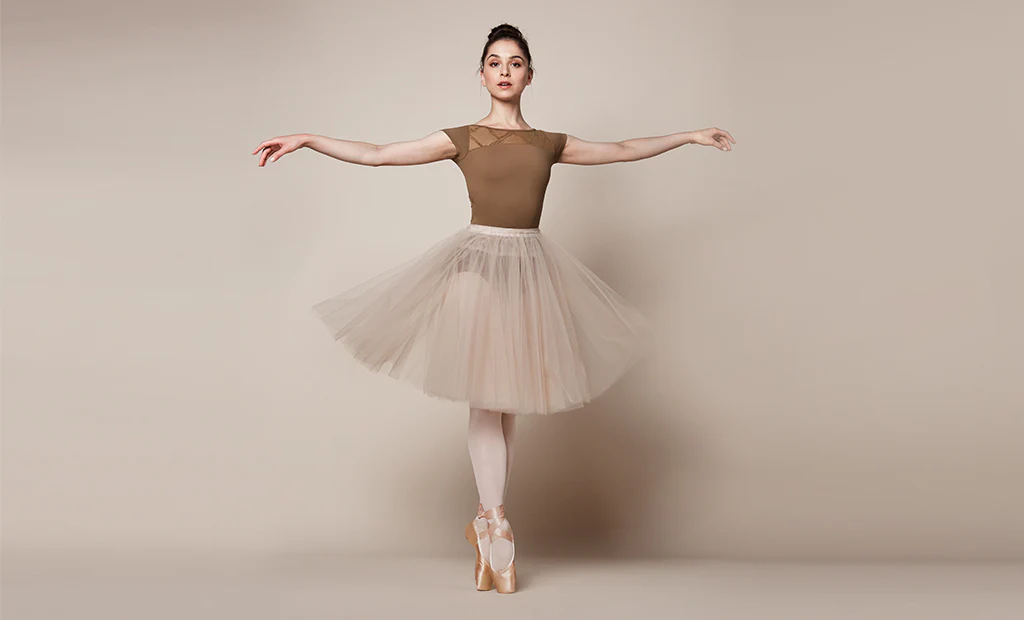
Dance is a universal form of expression that transcends culture, language, and time. From ancient rituals to modern stage performances, dance has been a way for humans to tell stories, express emotions, celebrate life, and connect with others. The beauty of dance lies in its diversity, with countless styles that each have unique movements, rhythms, and cultural significance. Understanding the different styles of dance can help enthusiasts appreciate the art form more deeply and even explore a style that suits their personality, fitness level, or artistic preference.
The Importance of Dance
Dance is more than entertainment. It plays an important role in physical fitness, mental well-being, social interaction, and cultural preservation. Here are some key benefits of engaging in dance:
-
Physical Fitness – Dance improves strength, flexibility, balance, endurance, and cardiovascular health.
-
Mental Health – It reduces stress, boosts mood, enhances cognitive skills, and promotes mindfulness.
-
Social Connection – Participating in group classes or performances builds community and teamwork.
-
Cultural Expression – Dance preserves traditions, tells stories, and celebrates cultural heritage.
-
Self-Expression – It allows individuals to communicate emotions, creativity, and personality through movement.
Classical Dance Styles
Classical dance styles are often rooted in cultural or historical traditions. They are characterized by strict techniques, formal training, and expressive storytelling.
1. Ballet
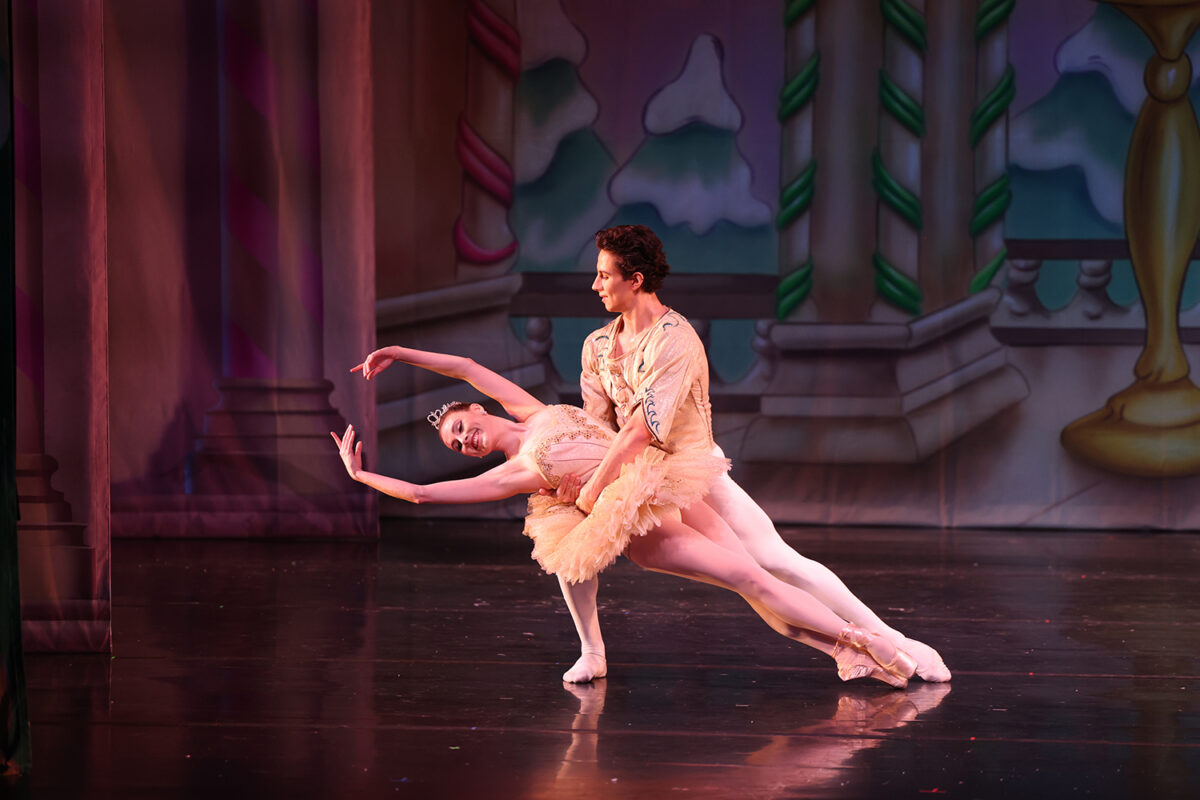
Ballet is one of the oldest and most disciplined dance forms, originating in the Italian Renaissance courts of the 15th century and later flourishing in France and Russia. Known for its graceful movements, precise technique, and elegant lines, ballet involves steps such as pirouettes, pliés, and arabesques. Classical ballet performances often tell stories from mythology, literature, or history, accompanied by orchestral music. Modern ballet styles, such as neoclassical and contemporary ballet, combine traditional techniques with freer movement and expression.
2. Bharatanatyam
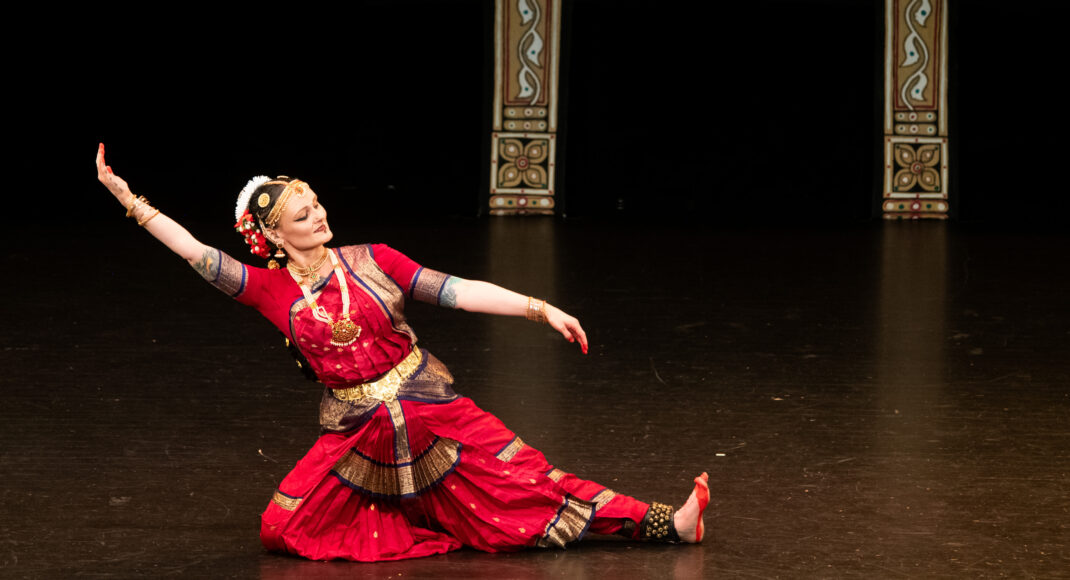
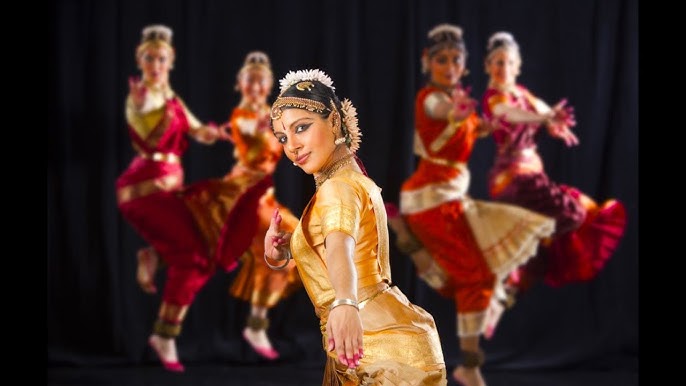
Originating from Tamil Nadu, India, Bharatanatyam is a classical Indian dance form that combines intricate footwork, expressive hand gestures (mudras), and facial expressions to narrate stories from Hindu mythology. It is highly structured and spiritual, often performed in temples and later on stage. Bharatanatyam emphasizes rhythm, storytelling, and devotion, making it a unique blend of art, culture, and religion.
3. Kathak
Kathak, from North India, is another classical dance form characterized by intricate footwork, spins, and expressive gestures. Traditionally performed as a form of storytelling in temples or courts, Kathak combines rhythm, melody, and drama to narrate tales from ancient epics like the Mahabharata and Ramayana.
4. Flamenco
Flamenco, originating in Spain, is a passionate dance style that incorporates foot-stomping, clapping, intricate hand movements, and expressive body language. It is performed to Flamenco music, featuring guitar, singing, and rhythmic percussion. Flamenco reflects emotion, storytelling, and cultural identity, often conveying joy, sorrow, or drama through movement.
Contemporary and Modern Dance Styles
Modern and contemporary dances emerged as a response to classical forms, emphasizing creativity, freedom, and expression.
1. Contemporary Dance
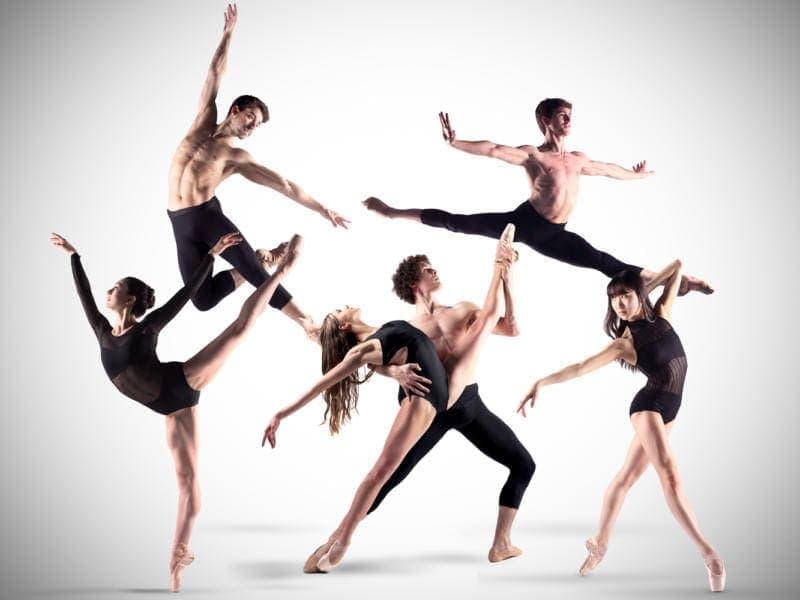
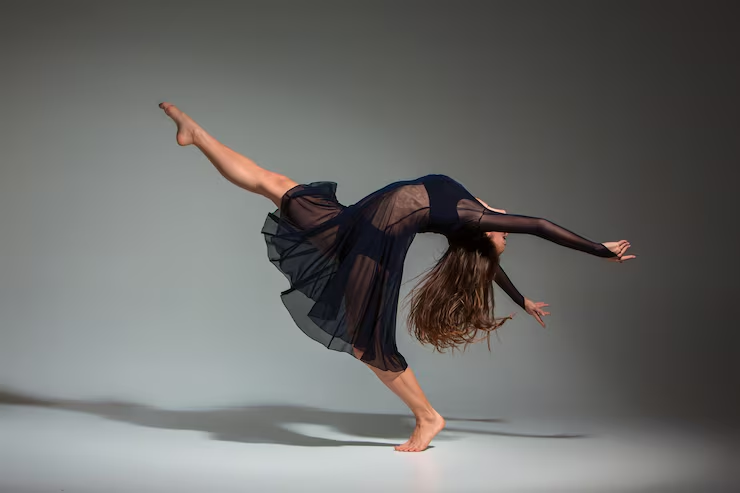
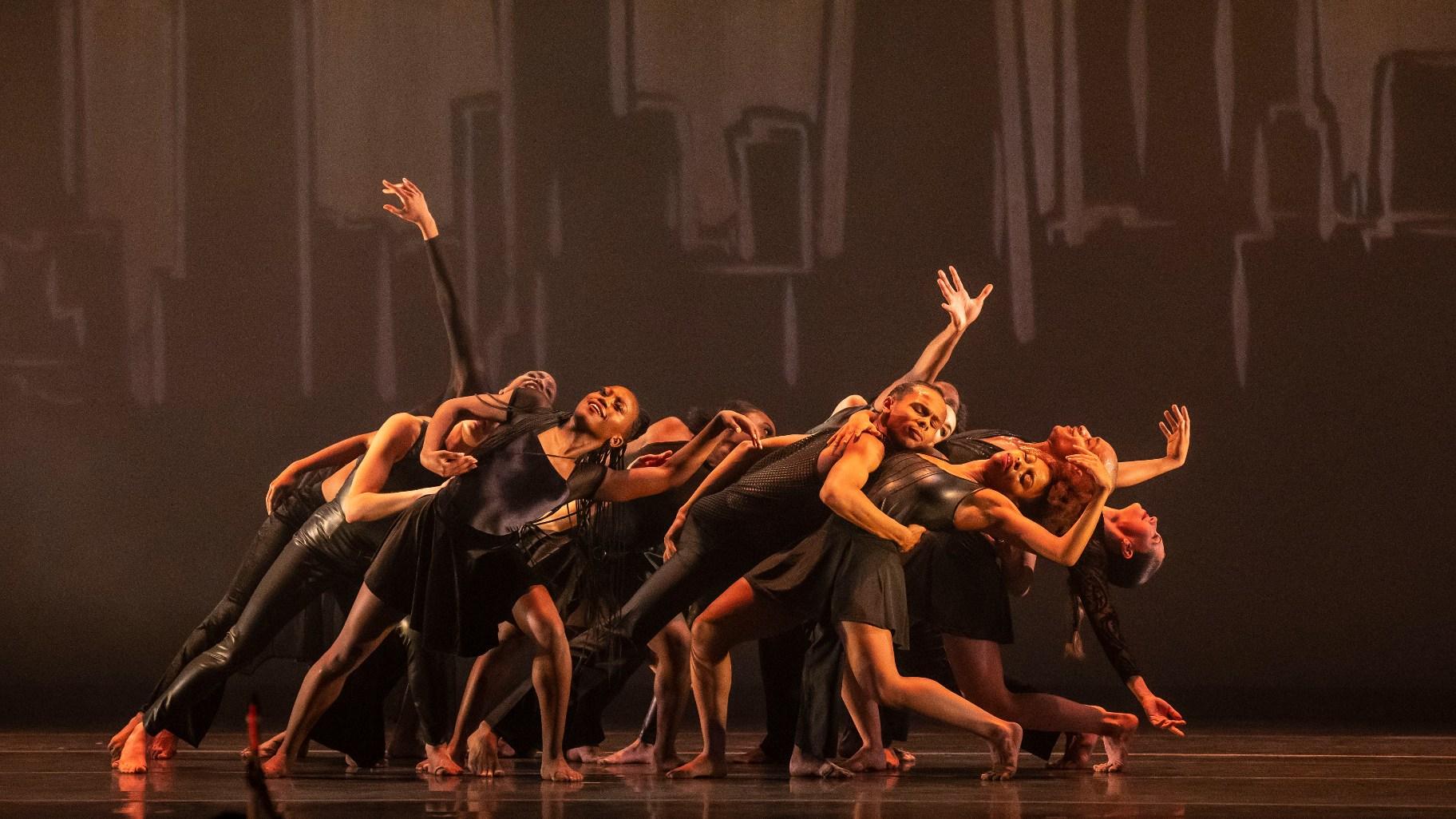
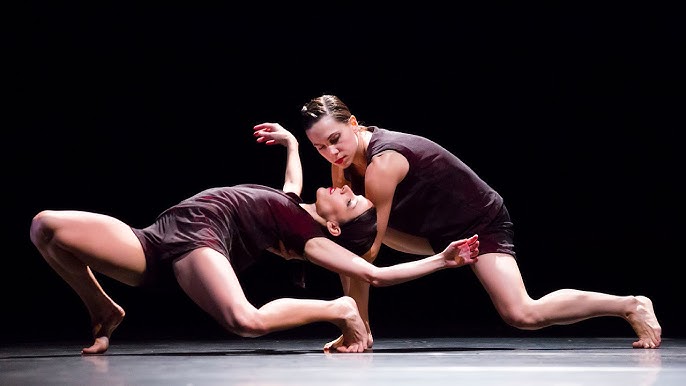
Contemporary dance combines elements of ballet, modern dance, and jazz, allowing dancers to express emotion and ideas in abstract ways. It often uses floor work, improvisation, and fluid movements. Contemporary dance is popular in theater, stage performances, and dance competitions due to its expressive and versatile nature.
2. Modern Dance
Modern dance originated in the early 20th century as a rebellion against the rigidity of classical ballet. Pioneers like Martha Graham and Isadora Duncan introduced techniques emphasizing natural movement, breath, and body expression. Modern dance focuses on creativity, storytelling, and emotional expression rather than strict adherence to classical forms.
Urban and Street Dance Styles
Urban and street dance styles reflect contemporary culture and are often performed to popular music. These styles emphasize rhythm, individuality, and improvisation.
1. Hip-Hop Dance
Hip-hop dance emerged in the 1970s in New York City’s Bronx, tied closely to hip-hop music and culture. It includes styles like breaking (breakdance), popping, locking, and krumping. Hip-hop emphasizes rhythm, energy, creativity, and personal style. It is often performed at dance battles, music videos, and stage shows.
2. Jazz Dance
Jazz dance originated in African American communities and evolved with jazz music in the early 20th century. It combines rhythm, sharp movements, isolations, and expressive gestures. Jazz dance has influenced many contemporary and commercial dance styles, making it a versatile choice for stage and screen performances.
3. Street Jazz / Commercial Dance
This style blends hip-hop and jazz techniques, often seen in music videos and pop performances. It is characterized by high energy, musicality, and sharp yet fluid movements that appeal to mass audiences.
4. Breakdance
Breakdance, or b-boying/b-girling, involves acrobatic moves, spins, freezes, and footwork performed on the floor. It requires strength, agility, rhythm, and improvisation. Breakdance is a key element of hip-hop culture and is often performed in battles or competitions.
Latin and Ballroom Dance Styles
Latin and ballroom dances are often performed in social or competitive settings. They are characterized by rhythm, partner work, and elegance.
1. Salsa
Salsa originated in the Caribbean and is a lively, energetic dance performed with a partner. It combines Afro-Cuban rhythms with jazz and Latin movements. Salsa emphasizes spins, intricate footwork, and playful partner interactions.
2. Tango
Originating from Argentina, tango is a dramatic and sensual dance performed with a partner. It emphasizes connection, posture, precision, and improvisation, often performed to passionate music.
3. Waltz
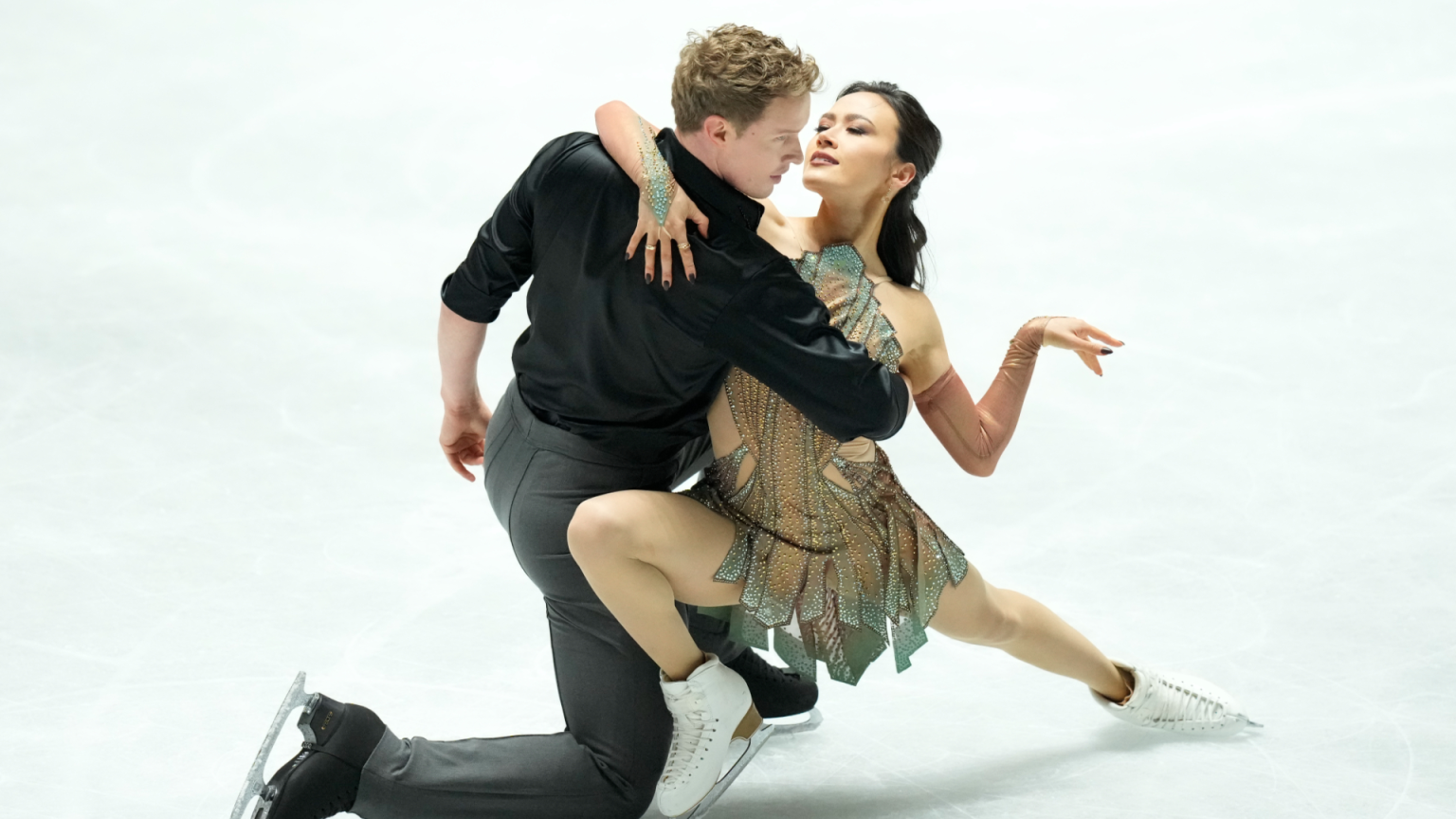
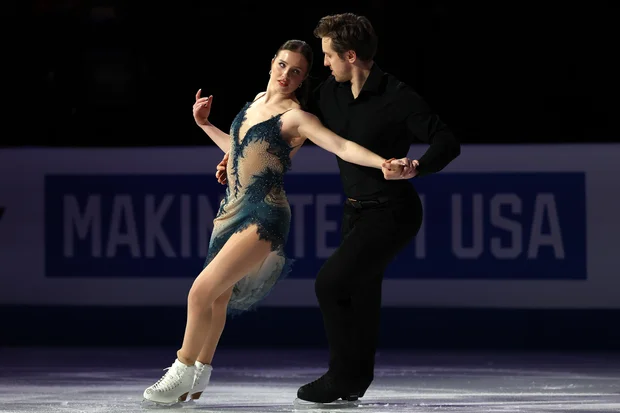
The waltz is a classic ballroom dance originating in Europe, characterized by smooth, flowing movements and a 3/4 time rhythm. It focuses on elegance, posture, and graceful turns, often performed at formal events.
4. Cha-Cha and Rumba
These Latin dances are rhythmical and expressive, combining playful footwork, hip movements, and partner coordination. They are popular in both social dancing and competitive ballroom events.
Folk and Cultural Dance Styles
Folk dances represent regional traditions, stories, and social rituals. They often reflect the history, values, and customs of communities.
1. African Dance
African dance is rooted in traditional ceremonies, celebrations, and storytelling. It emphasizes rhythm, body isolations, footwork, and group synchronization. African dances are highly energetic and expressive, often performed to drums and live music.
2. Irish Dance
Irish dance features rapid leg and foot movements with minimal upper body motion. Popularized by shows like Riverdance, it is performed solo or in groups, celebrating Irish culture and tradition.
3. Hawaiian Hula
Hula combines dance, chant, and music to tell stories about nature, history, and mythology. Hand gestures, footwork, and hip movements are essential to express the narrative.
4. Native American Dance
Native American dances are deeply spiritual and ceremonial, often performed during rituals, celebrations, or storytelling events. They involve intricate footwork, regalia, and symbolic gestures.
Fusion and Contemporary Global Styles
With globalization and cross-cultural exchanges, fusion dance styles have emerged that blend techniques, music, and aesthetics from multiple traditions.
1. Contemporary Fusion
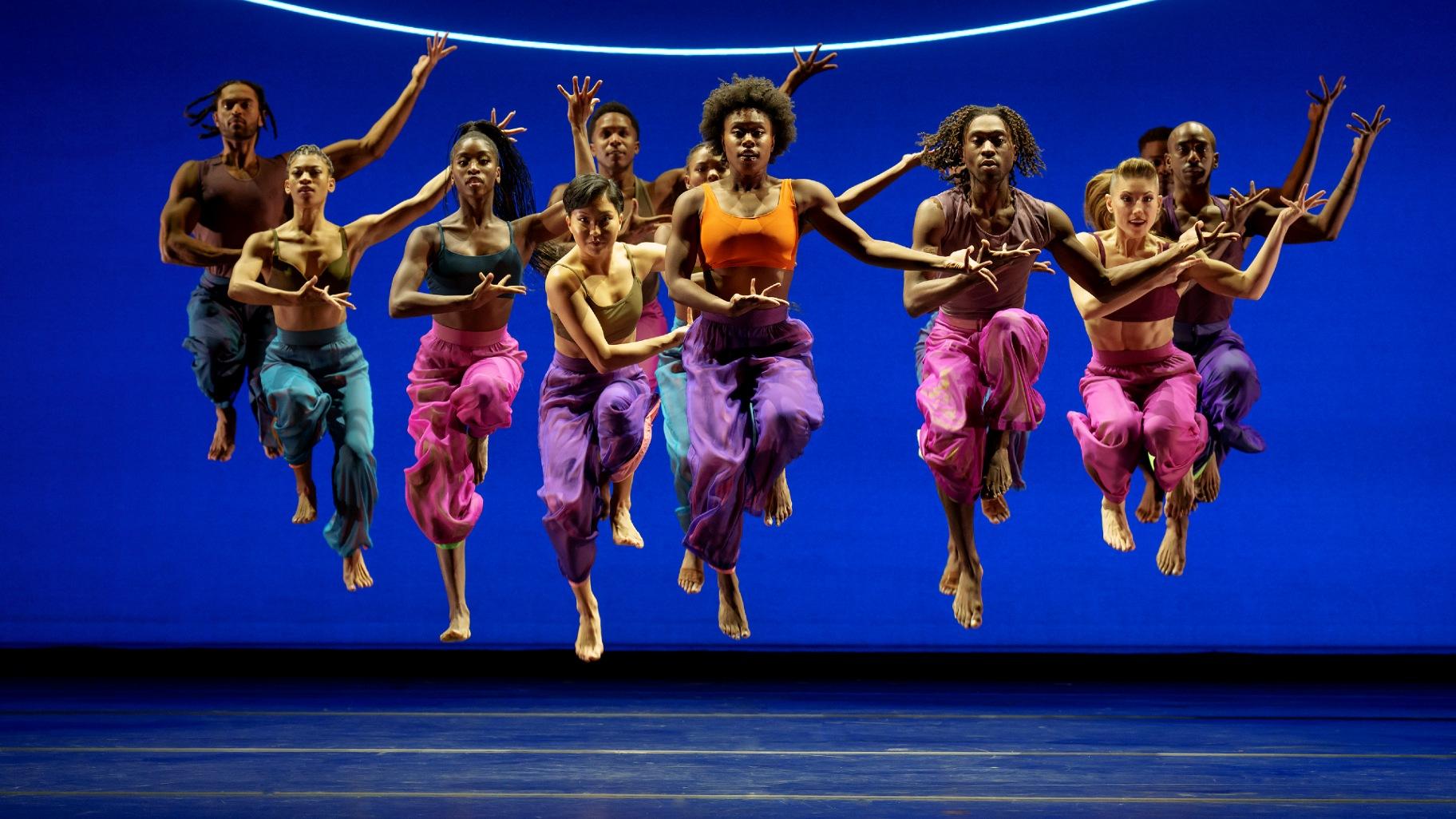
Contemporary fusion incorporates ballet, modern, jazz, and hip-hop movements, allowing dancers to explore creativity and innovation. Choreographers experiment with music, props, and stage design to create unique performances.
2. K-Pop Dance
K-Pop dance is a modern global phenomenon inspired by hip-hop, jazz, and street dance styles. It emphasizes synchronization, precise formations, and energetic performance, often featured in music videos and live concerts.
3. Bollywood Dance
Bollywood dance combines classical Indian, folk, jazz, hip-hop, and contemporary movements to create vibrant and theatrical performances. It is widely recognized for its colorful storytelling, expressive gestures, and lively music.
Choosing a Dance Style
Selecting the right dance style depends on your goals, personality, and physical abilities:
-
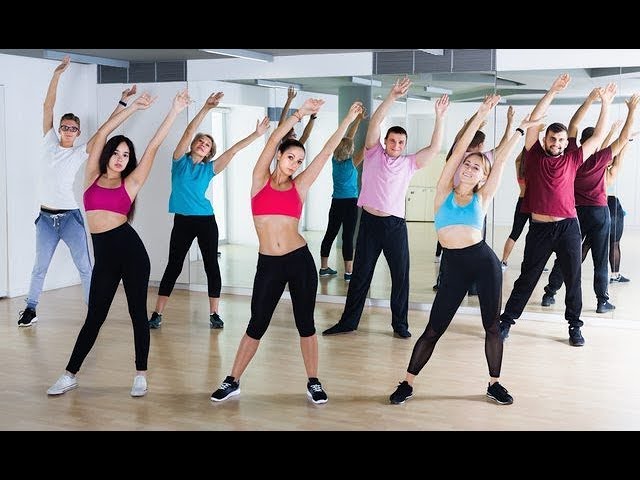
For Fitness: Hip-hop, jazz, and contemporary dance provide high-energy workouts.
-
For Expression: Contemporary, modern, and ballet allow for emotional storytelling.
-
For Social Interaction: Salsa, tango, and ballroom dances are great for partner work.
-
For Cultural Appreciation: Folk, classical, and traditional dances connect you to heritage.
-
For Performance: Fusion, Bollywood, and K-Pop are ideal for stage or video presentations.
Benefits of Learning Multiple Styles
Exploring different dance styles broadens your skill set, improves versatility, and enhances creativity. It helps develop coordination, musicality, flexibility, and adaptability. Additionally, learning multiple styles allows dancers to fuse techniques to create unique choreography and artistic expressions.
Conclusion
Dance is a diverse and dynamic art form that offers something for everyone. From classical ballet and Indian classical dances to urban hip-hop, Latin ballroom, and contemporary fusion, each style carries its own history, techniques, and cultural significance. Understanding these styles not only enriches our appreciation for dance but also opens doors for personal growth, creativity, and expression. Whether you want to perform professionally, stay fit, or simply enjoy movement as an art form, exploring different dance styles is a journey filled with joy, learning, and self-discovery.
Read Also: Keep your face towards the sunshine and shadows will fall behind you
Watch Also: https://www.youtube.com/@TravelsofTheWorld24

Leave a Reply