
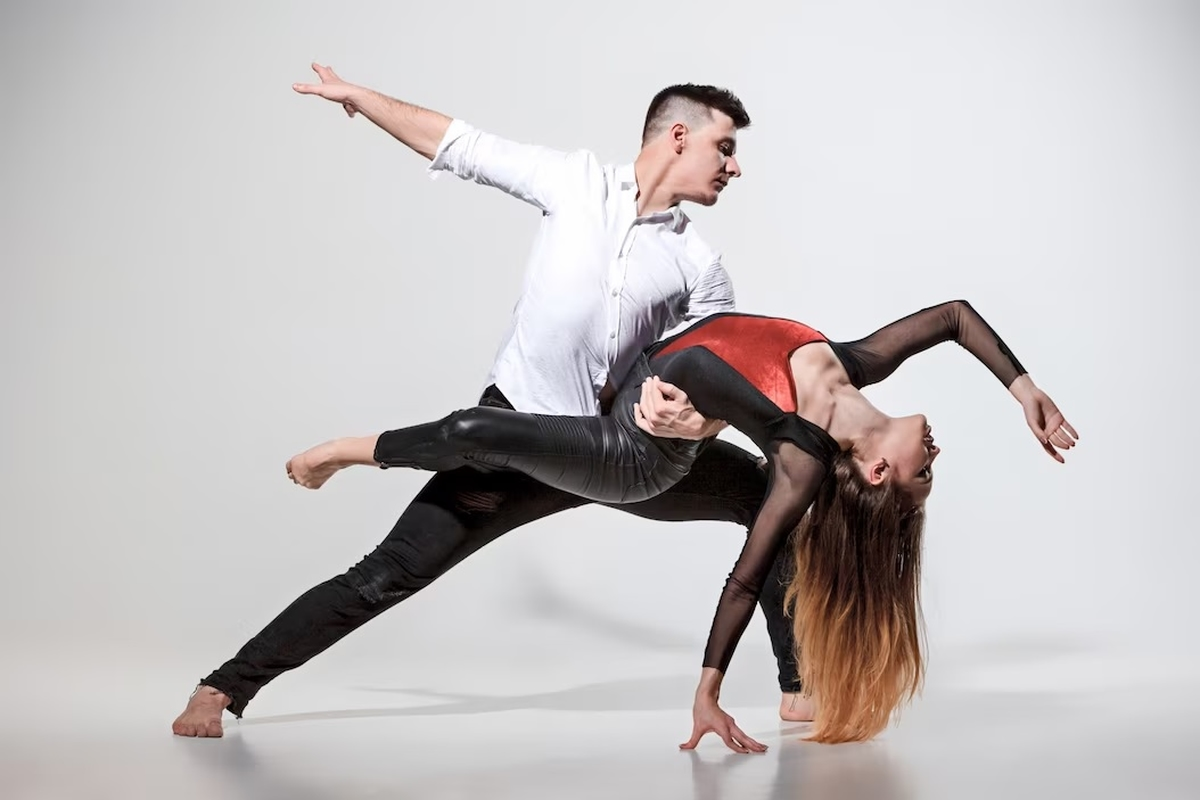
Starting your dance journey with the right style is crucial for several reasons. First, it keeps you motivated. If you choose a dance form that aligns with your personality and interests, you’re more likely to enjoy your practice and stick with it. Second, it helps you progress faster. Each style has its own techniques and physical demands, and learning something that suits your body type and abilities can enhance your skill development. Finally, the right style can help you express yourself authentically, allowing your movements to convey emotion and creativity naturally.
Factors to Consider Before Choosing a Dance Style
Before diving into the specifics of different dance forms, consider the following factors:
1. Your Goals
Are you dancing for fitness, social interaction, performance, or simply for fun?
-
Fitness: Styles like Zumba, hip-hop, and Latin dances provide a great workout.
-
Social: Salsa, swing, and ballroom are excellent for meeting people and socializing.
-
Performance: Ballet, contemporary, and jazz focus on artistry and stage presence.
2. Physical Abilities
Some styles require more flexibility, strength, or endurance than others. For instance, ballet demands strong core muscles and excellent balance, while hip-hop relies on rhythm, agility, and coordination. Understanding your body’s strengths and limitations can guide your choice.
3. Personality and Interests
Your personal taste plays a significant role. Do you enjoy structured routines or freestyle expression? Are you drawn to energetic, fast-paced movements, or slow, graceful motions? Aligning your personality with your dance style ensures a more fulfilling experience.
4. Availability of Classes
Consider the accessibility of dance classes in your area or online. Some forms like ballet and hip-hop are widely available, while niche styles such as flamenco or krumping may require traveling or online learning.
5. Time Commitment
Some dance forms require regular practice to progress, especially those with complex techniques like ballet or contemporary. Be honest about how much time you can dedicate to practice and classes.
Popular Dance Styles for Beginners
Here’s an overview of some beginner-friendly dance styles and what makes them unique:
1. Ballet
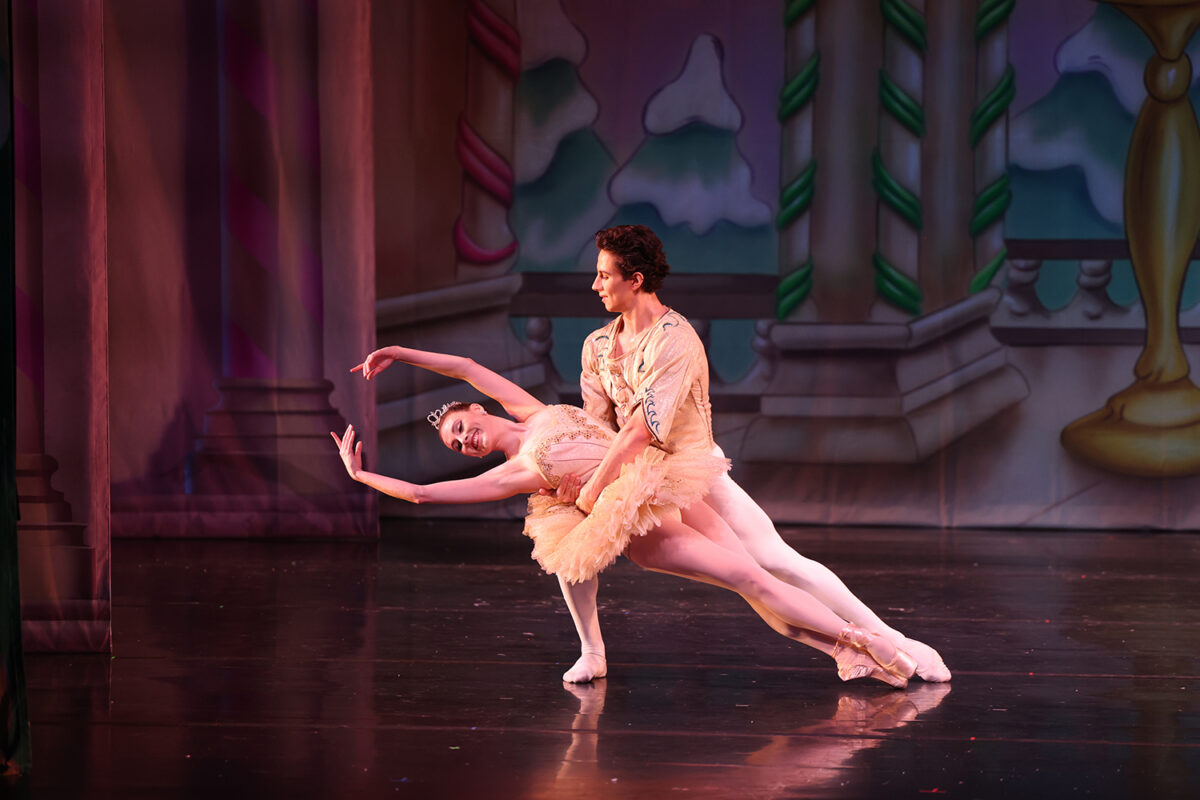
Ballet is the foundation of many dance styles and emphasizes posture, balance, flexibility, and precision. It teaches discipline and body awareness, making it an excellent starting point for beginners. While ballet can be physically demanding, the skills learned transfer easily to other dance forms.
Pros:
-
Builds strength and flexibility
-
Improves posture and coordination
-
Serves as a strong foundation for other styles
Cons:
-
Requires consistent practice
-
Can be strict and formal for some personalities
2. Hip-Hop
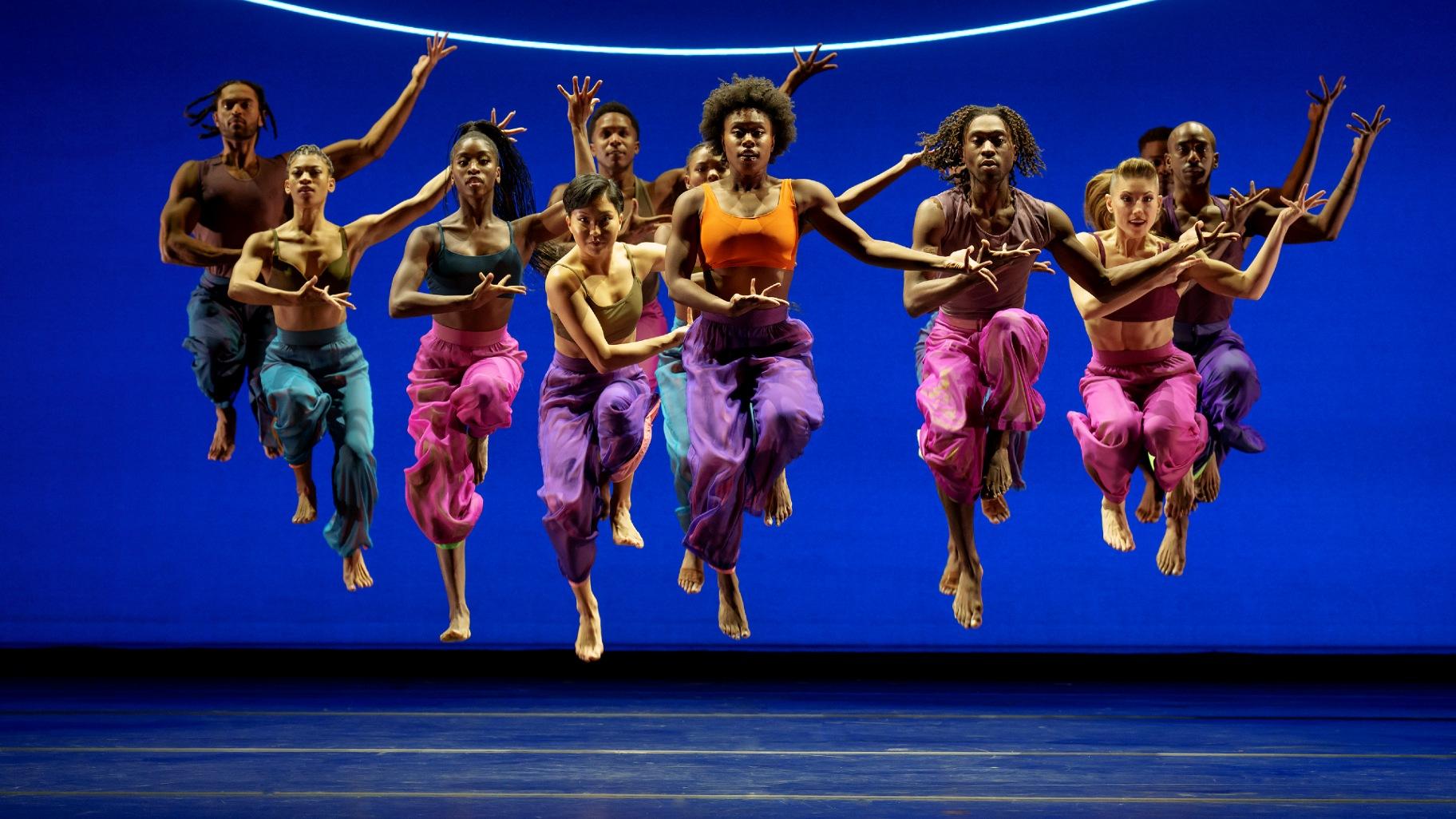
Hip-hop is a high-energy street dance style that originated from urban communities. It includes moves like popping, locking, breaking, and freestyle. Hip-hop is accessible for beginners because it allows personal expression and does not require formal training.
Pros:
-
Fun and expressive
-
Excellent for fitness
-
Encourages creativity and freestyle
Cons:
-
Can be physically demanding
-
Techniques may take time to master
3. Jazz
Jazz dance combines elements of ballet and modern dance with lively, expressive movements. It often incorporates leaps, turns, and sharp movements, making it dynamic and visually appealing. Jazz is versatile, suitable for both performance and fitness.
Pros:
-
Boosts flexibility and coordination
-
Fun and energetic
-
Enhances performance skills
Cons:
-
Requires strong rhythm and body awareness
-
Can be challenging for complete beginners
4. Contemporary
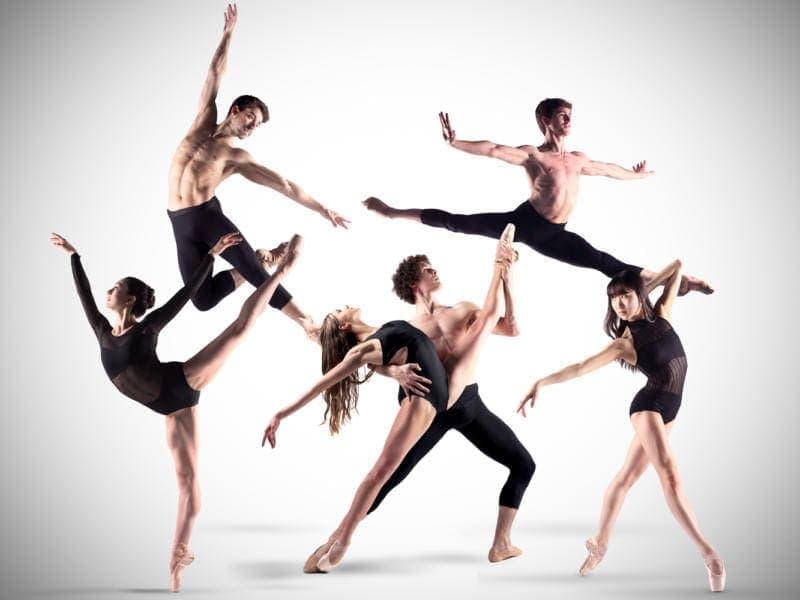
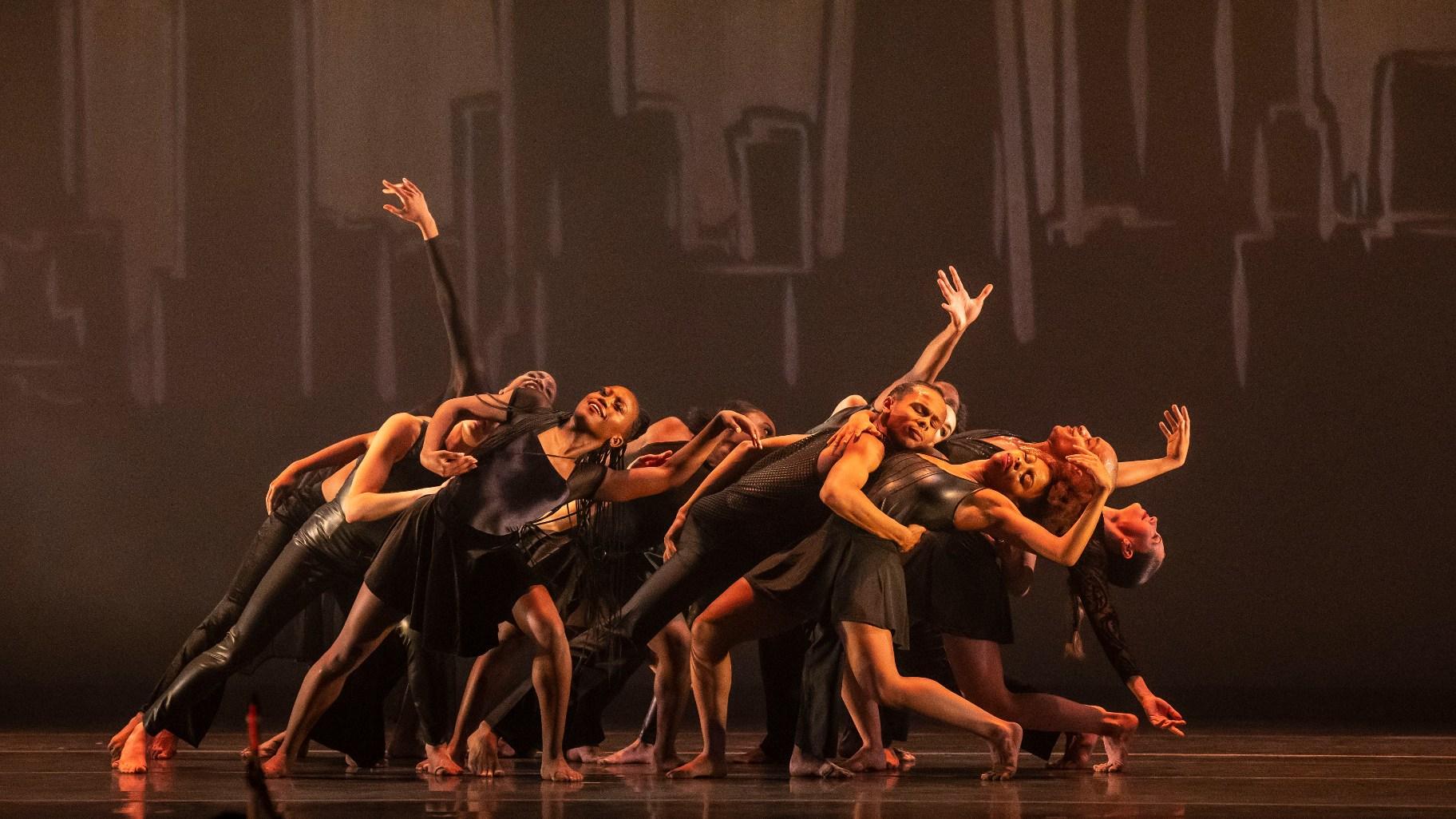
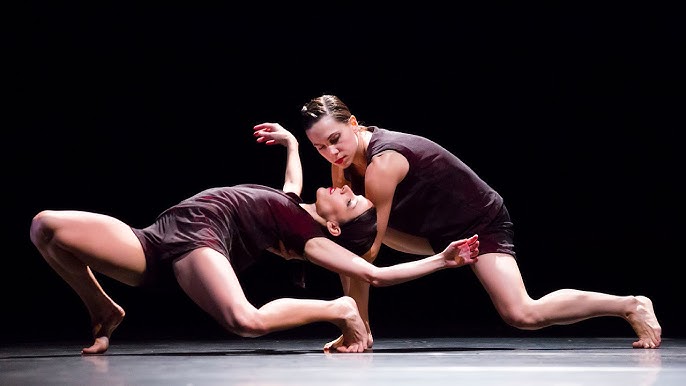
Contemporary dance blends elements of ballet, jazz, and modern dance. It emphasizes fluidity, expression, and storytelling through movement. Contemporary dance is ideal for those who enjoy emotional expression and creativity over strict technique.
Pros:
-
Encourages self-expression
-
Combines strength, flexibility, and creativity
-
Suitable for various body types
Cons:
-
Less structured, which may be difficult for some beginners
-
Requires practice to master techniques like floor work and lifts
5. Salsa
Salsa is a social dance originating from Latin America. It focuses on rhythm, footwork, and partner interaction. Salsa is perfect for beginners who enjoy social dancing, music, and vibrant cultural expression.
Pros:
-
Great for socializing
-
Improves rhythm and coordination
-
Fun and energetic
Cons:
-
Requires a partner for full experience
-
Footwork may take time to perfect
6. Tap Dance
Tap dance emphasizes rhythm, timing, and sound. Dancers create music with their feet using metal-soled shoes. Tap is highly engaging for beginners because it combines musicality and movement in a fun, interactive way.
Pros:
-
Develops rhythm and timing
-
Fun and energetic
-
Unique and musical
Cons:
-
Can be noisy and requires practice space
-
Coordination can be challenging at first
7. Ballroom
Ballroom dance includes dances like waltz, tango, foxtrot, and quickstep. It is a partner-based dance emphasizing elegance, posture, and rhythm. Ballroom dancing is great for beginners who enjoy structured steps and social interaction.
Pros:
-
Social and interactive
-
Improves posture and coordination
-
Fun for couples and group events
Cons:
-
Partner dependency
-
Can be less flexible in self-expression
8. Zumba
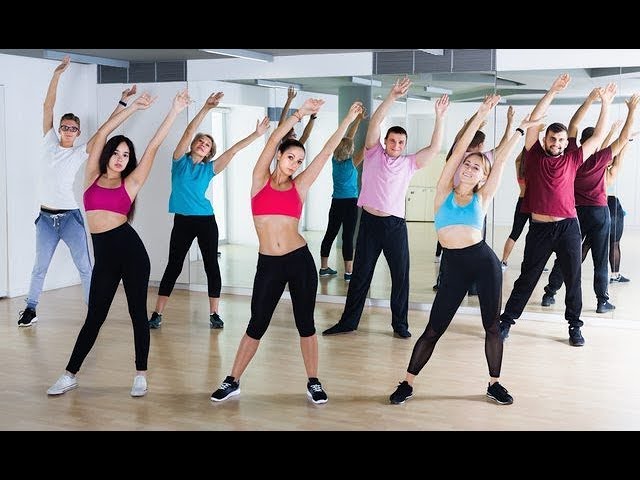
Zumba is a fitness-focused dance inspired by Latin music and aerobics. It is designed for all fitness levels, combining dance moves with cardio exercise. Zumba is beginner-friendly because it focuses on enjoyment and movement rather than precision.
Pros:
-
Excellent workout
-
Fun and energetic
-
Accessible to all fitness levels
Cons:
-
Less focus on technique and artistry
-
Can be intense for complete beginners
-
Tips for Beginners
Once you’ve narrowed down your choices, keep the following tips in mind:
-
Try Multiple Styles: Attend trial classes or watch online tutorials to experience different styles before committing.
-
Focus on Enjoyment: Choose a style that excites you. Passion fuels progress.
-
Wear the Right Attire: Comfortable, style-appropriate clothing and shoes can enhance your learning experience.
-
Set Realistic Goals: Progress may be gradual; celebrate small achievements.
-
Practice Regularly: Consistency is key to mastering any dance form.
-
Be Patient: Some movements take time to learn. Avoid comparing yourself to others.
-
Record Your Progress: Videos help track improvements and build confidence.
Online vs. In-Person Classes
With the rise of digital learning, you can now explore dance online. Online classes offer flexibility and access to a variety of styles, while in-person classes provide immediate feedback, correction, and a sense of community. A combination of both can be ideal for beginners.
Overcoming Beginner Fears
Many beginners hesitate to start dancing due to fear of embarrassment, lack of skill, or age concerns. Remember, dance is for everyone, regardless of body type, age, or experience. Focus on your own progress, enjoy the music, and embrace the journey. Confidence grows with practice, and soon you’ll feel comfortable expressing yourself through movement.
Making Dance a Lifestyle
Once you find your preferred style, incorporate dance into your lifestyle. Attend workshops, participate in social events, or even start choreographing your own routines. Dancing regularly improves physical health, mental well-being, and self-expression. It can become a lifelong passion, offering endless joy and creativity.
Conclusion
Choosing the perfect dance style as a beginner may seem overwhelming, but it is also an exciting journey of self-discovery. Consider your goals, physical abilities, personality, and the availability of classes. Explore various styles—from ballet and contemporary to salsa and hip-hop—until you find one that resonates with you. Remember, there is no “right” style for everyone; the best dance form is the one that brings you joy, keeps you motivated, and allows you to express yourself fully.
Dance is more than movement—it is a celebration of life, rhythm, and emotion. Step onto the dance floor with an open mind, embrace the experience, and let your journey begin.
Read Also: Keep your face towards the sunshine and shadows will fall behind you
Watch Also: https://www.youtube.com/@TravelsofTheWorld24

Leave a Reply