
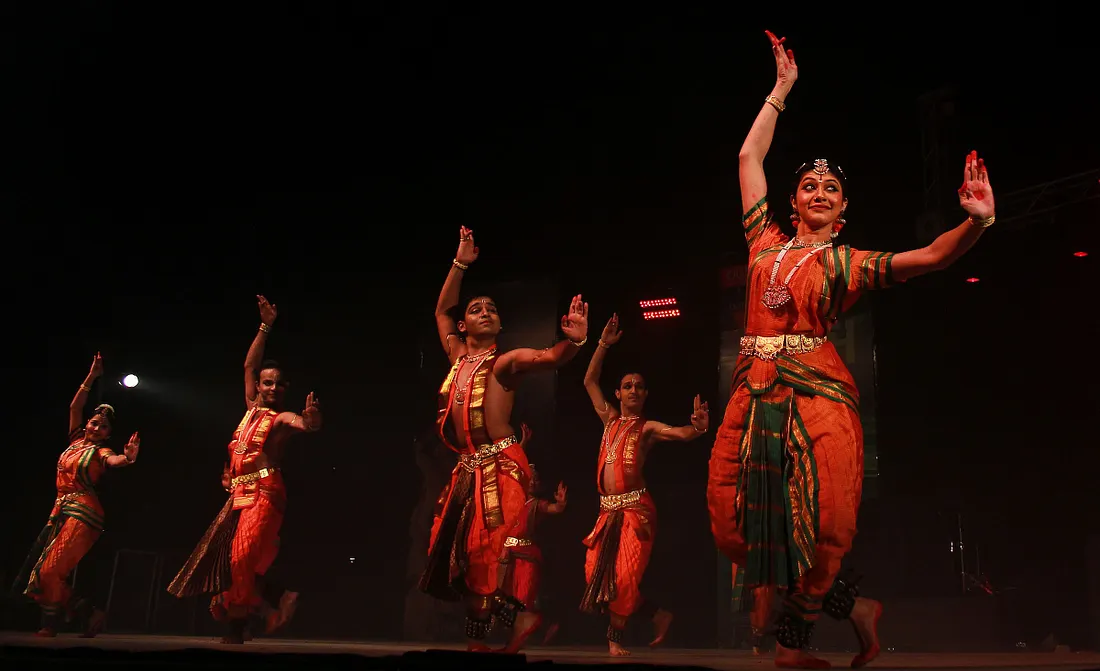
Bharatanatyam: The Timeless Classical Dance Form of India
Bharatanatyam is one of the oldest and most revered classical dance forms of India. Originating in the southern state of Tamil Nadu, this ancient art form is a perfect blend of devotion, expression, rhythm, and grace. Rooted deeply in Hindu temple traditions, Bharatanatyam has evolved over centuries while preserving its spiritual essence and cultural significance. Today, it is celebrated not only in India but across the world as a symbol of India’s rich artistic heritage.
Historical Origins of Bharatanatyam
The origins of Bharatanatyam can be traced back more than 2,000 years. References to dance resembling Bharatanatyam appear in ancient Indian texts such as the Natya Shastra, written by sage Bharata Muni between 200 BCE and 200 CE. The Natya Shastra serves as a foundational treatise on Indian performing arts, detailing dance techniques, expressions, hand gestures, and stage performance.
Traditionally, Bharatanatyam was performed in Hindu temples by Devadasis—women who were dedicated to serving the deity. These performances were not merely entertainment but a form of worship and storytelling that conveyed mythological narratives, moral values, and spiritual philosophy. The dance flourished under royal patronage during the Chola, Pandya, and Pallava dynasties, which supported temple arts extensively.
However, during the British colonial period, the Devadasi system faced social criticism, leading to the decline of Bharatanatyam. In the early 20th century, cultural revivalists like Rukmini Devi Arundale played a pivotal role in restoring the dignity and popularity of Bharatanatyam by bringing it to public stages and academic institutions.
Meaning and Significance of Bharatanatyam
The term “Bharatanatyam” is often interpreted as a combination of three elements:
-
Bha – Bhava (expression)
-
Ra – Raga (melody)
-
Ta – Tala (rhythm)
-
Natyam – Dance
Together, Bharatanatyam represents the harmonious integration of emotion, music, rhythm, and movement. It is not just a physical performance but a spiritual experience that seeks to connect the dancer, the audience, and the divine.
Technique and Structure of Bharatanatyam
Bharatanatyam is known for its geometric precision, strong footwork, and expressive storytelling. The dance form follows a structured framework based on three key components:
1. Nritta (Pure Dance)
Nritta consists of rhythmic movements without any expressive meaning. It focuses on technique, footwork, and body coordination. The symmetrical poses, sharp lines, and intricate foot patterns are a hallmark of Bharatanatyam.
2. Nritya (Expressive Dance)
Nritya combines rhythm with expression. Through facial expressions (abhinaya), hand gestures (mudras), and body movements, dancers convey emotions, stories, and themes, often drawn from Hindu mythology.
3. Natya (Dramatic Dance)
Natya involves elaborate storytelling and dramatic presentation, sometimes featuring multiple characters portrayed by a single dancer. It is usually performed in group productions or dance dramas.
Abhinaya: The Art of Expression
One of the most captivating aspects of Bharatanatyam is abhinaya, or expressive storytelling. Abhinaya is divided into four types:
-
Angika Abhinaya – Expression through body movements
-
Vachika Abhinaya – Expression through speech or music (usually sung by accompanying vocalists)
-
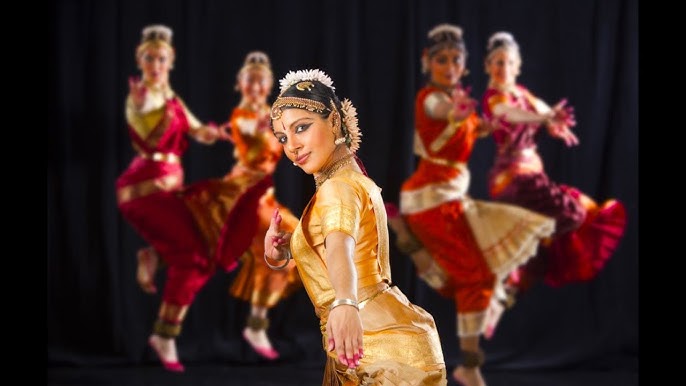
Aharya Abhinaya – Expression through costumes, jewelry, and makeup
-
Satvika Abhinaya – Expression of inner emotions such as love, devotion, anger, or compassion
Through abhinaya, Bharatanatyam dancers bring ancient stories to life, allowing audiences to emotionally connect with the performance.
Mudras and Gestures
Hand gestures, known as mudras or hastas, play a vital role in Bharatanatyam. These gestures are codified in ancient texts and are used to represent objects, emotions, characters, and actions. There are two main types:
-
Asamyuta Hastas (single-hand gestures)
-
Samyuta Hastas (double-hand gestures)
A skilled Bharatanatyam dancer uses mudras seamlessly to narrate complex stories with clarity and elegance.
Costume and Makeup
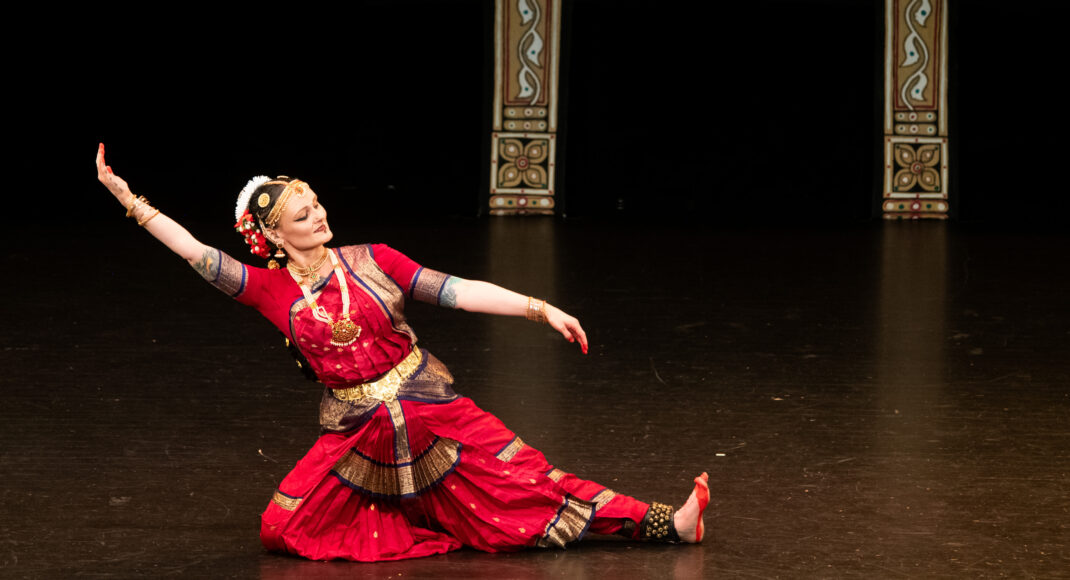
The Bharatanatyam costume is distinctive and symbolic. Traditionally made of silk, the costume consists of a pleated fan-like structure at the front that opens beautifully during movements. The attire allows freedom of movement while maintaining aesthetic appeal.
Jewelry is an essential part of the costume and includes:
-
Head ornaments (maang tikka, sun and moon ornaments)
-
Earrings and necklaces
-
Waist belt (oddiyanam)
-
Anklets (salangai) with bells
Makeup is bold yet elegant, highlighting facial expressions and eye movements. The eyes are outlined to enhance expressions, and red coloring is often applied to fingertips and toes to emphasize hand and foot gestures.
Music and Instruments
Bharatanatyam is performed to Carnatic music, one of the classical music traditions of South India. The music plays a crucial role in setting the mood and rhythm of the dance.
Commonly used instruments include:
-
Mridangam (percussion)
-
Veena (string instrument)
-
Violin
-
Flute
-
Nattuvangam (cymbals played by the conductor)
The nattuvanar or conductor guides the dancer through rhythmic syllables and cues, ensuring synchronization between music and movement.
Bharatanatyam Repertoire
A traditional Bharatanatyam performance follows a specific sequence known as the Margam. It typically includes:
-
Alarippu – An invocatory piece focusing on rhythm
-
Jatiswaram – A combination of rhythm and melody
-
Shabdam – Expressive storytelling
-
Varnam – The central and most elaborate item
-
Padam – Emotional and devotional pieces
-
Tillana – A lively concluding piece
Each item gradually builds intensity, showcasing the dancer’s technical skill and expressive depth.
Global Influence and Modern Adaptations
In modern times, Bharatanatyam has transcended cultural and geographical boundaries. It is taught and performed worldwide, with dancers experimenting with contemporary themes while respecting classical foundations. Modern Bharatanatyam performances often address social issues, abstract concepts, and intercultural collaborations.
Despite these innovations, traditional gurus emphasize the importance of discipline, rigorous training, and adherence to classical principles to preserve the sanctity of the art form.
Importance of Bharatanatyam in Indian Culture
Bharatanatyam is more than a dance—it is a living tradition that reflects India’s philosophical depth, artistic excellence, and spiritual heritage. It plays a significant role in preserving ancient stories, values, and aesthetics for future generations.
Through Bharatanatyam, dancers embark on a journey of self-discipline, devotion, and artistic growth. The dance form fosters patience, physical fitness, emotional intelligence, and cultural awareness.
Conclusion
Bharatanatyam stands as a timeless testament to India’s classical traditions. With its rich history, structured technique, expressive storytelling, and spiritual foundation, it continues to inspire generations of dancers and audiences alike. Whether performed in ancient temples or modern theaters, Bharatanatyam remains a powerful medium of artistic expression and divine connection. As the world embraces cultural diversity, Bharatanatyam shines as a graceful ambassador of India’s enduring heritage.
Read Also: Keep your face towards the sunshine and shadows will fall behind you
Watch Also: https://www.youtube.com/@TravelsofTheWorld24


Leave a Reply