
Dance is a universal language that connects people, cultures, and generations. For dance instructors and enthusiasts alike, understanding a variety of dance styles is essential for creating engaging, diverse, and educational lessons. Incorporating multiple dance styles into your curriculum not only enriches students’ technical skills but also fosters creativity, cultural awareness, and physical fitness. This guide explores key dance styles and provides practical tips on integrating them into your dance lessons.
Understanding the Importance of Variety in Dance Lessons
A dance lesson that includes multiple styles allows students to experience the breadth of dance traditions and techniques. Variety prevents monotony, challenges students in new ways, and helps them develop versatility. Exposure to different dance forms enhances musicality, coordination, rhythm, expression, and overall confidence. Moreover, it encourages students to appreciate the cultural and historical significance of each style, making dance education more holistic and enriching.
Popular Dance Styles to Incorporate
1. Ballet
Overview:
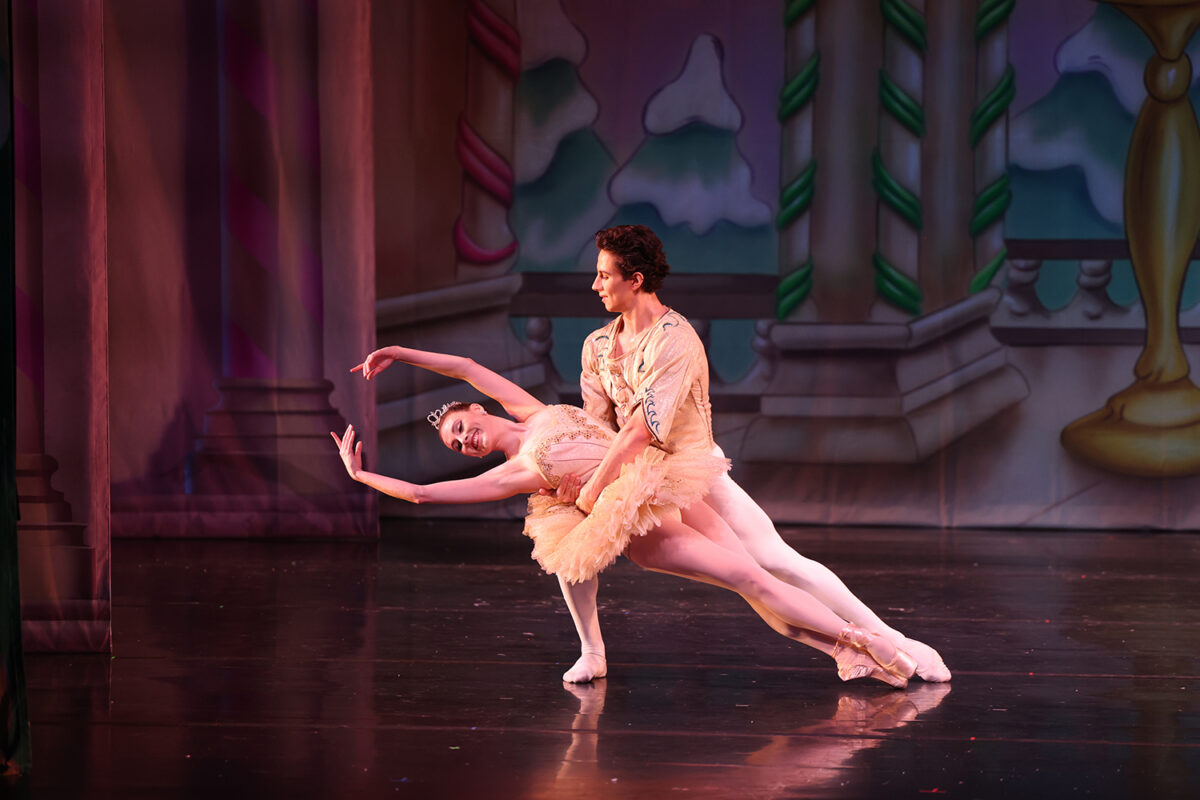
Ballet is a classical dance form with origins in the Italian Renaissance and further development in France and Russia. Known for its elegance, precision, and disciplined technique, ballet forms the foundation for many other dance styles.
Incorporation Tips:
-
Begin lessons with basic positions, plies, tendus, and stretches.
-
Emphasize posture, alignment, and turnout to build a strong foundation.
-
Integrate simple combinations or short choreography to reinforce technique.
-
Use ballet to improve students’ flexibility, balance, and core strength, which benefits other dance styles as well.
2. Contemporary Dance
Overview:
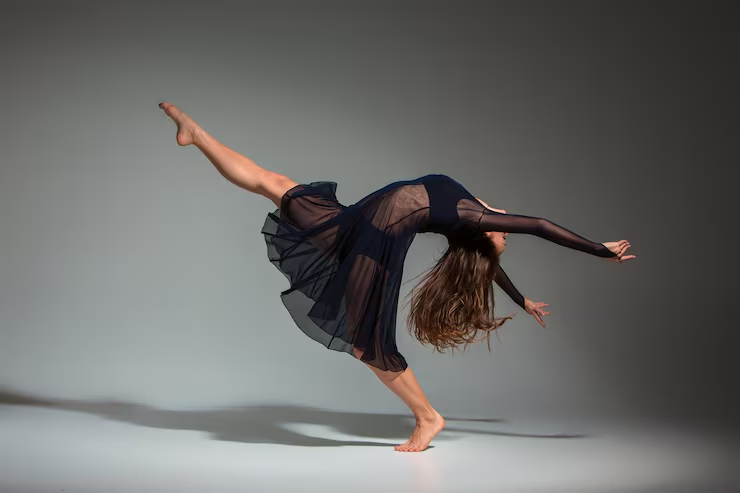
Contemporary dance blends elements of classical ballet, modern dance, and lyrical movement. It focuses on expression, storytelling, and fluidity of movement.
Incorporation Tips:
-
Encourage students to explore floor work and controlled extensions.
-
Use improvisation exercises to develop emotional expression and creativity.
-
Pair contemporary sequences with music that has strong emotional or narrative qualities.
-
Highlight the connection between breath, movement, and emotion.
3. Jazz Dance
Overview:
Jazz dance is an energetic and versatile style that originated in African American communities and evolved alongside jazz music. It combines sharp movements, leaps, turns, and theatrical expression.
Incorporation Tips:
-
Include warm-up exercises with isolations, kicks, and turns.
-
Choreograph short, rhythmically challenging combinations to build coordination.
-
Encourage performance skills such as facial expressions and stage presence.
-
Incorporate jazz-funk variations to appeal to students interested in commercial and pop styles.
4. Hip-Hop
Overview:
Hip-hop is a street dance style that emerged in the 1970s in urban communities of the United States. It includes popping, locking, breaking, and freestyle movements.
Incorporation Tips:
-
Begin with foundational moves and grooves before progressing to complex choreography.
-
Use upbeat music to motivate students and teach rhythm.
-
Incorporate freestyle sessions to encourage individual creativity.
-
Teach the history and cultural significance of hip-hop to foster respect for its origins.
5. Tap Dance
Overview:
Tap dance is a rhythmic style where the dancer uses shoes with metal plates to create percussive sounds. Originating from African and Irish traditions, it emphasizes timing, rhythm, and musicality.
Incorporation Tips:
-
Start with basic steps like shuffles, taps, and stamps.
-
Focus on timing exercises using simple rhythmic patterns.
-
Encourage students to coordinate footwork with music.
-
Combine tap with other dance styles to enhance musical interpretation and agility.
6. Ballroom and Latin Dance
Overview:
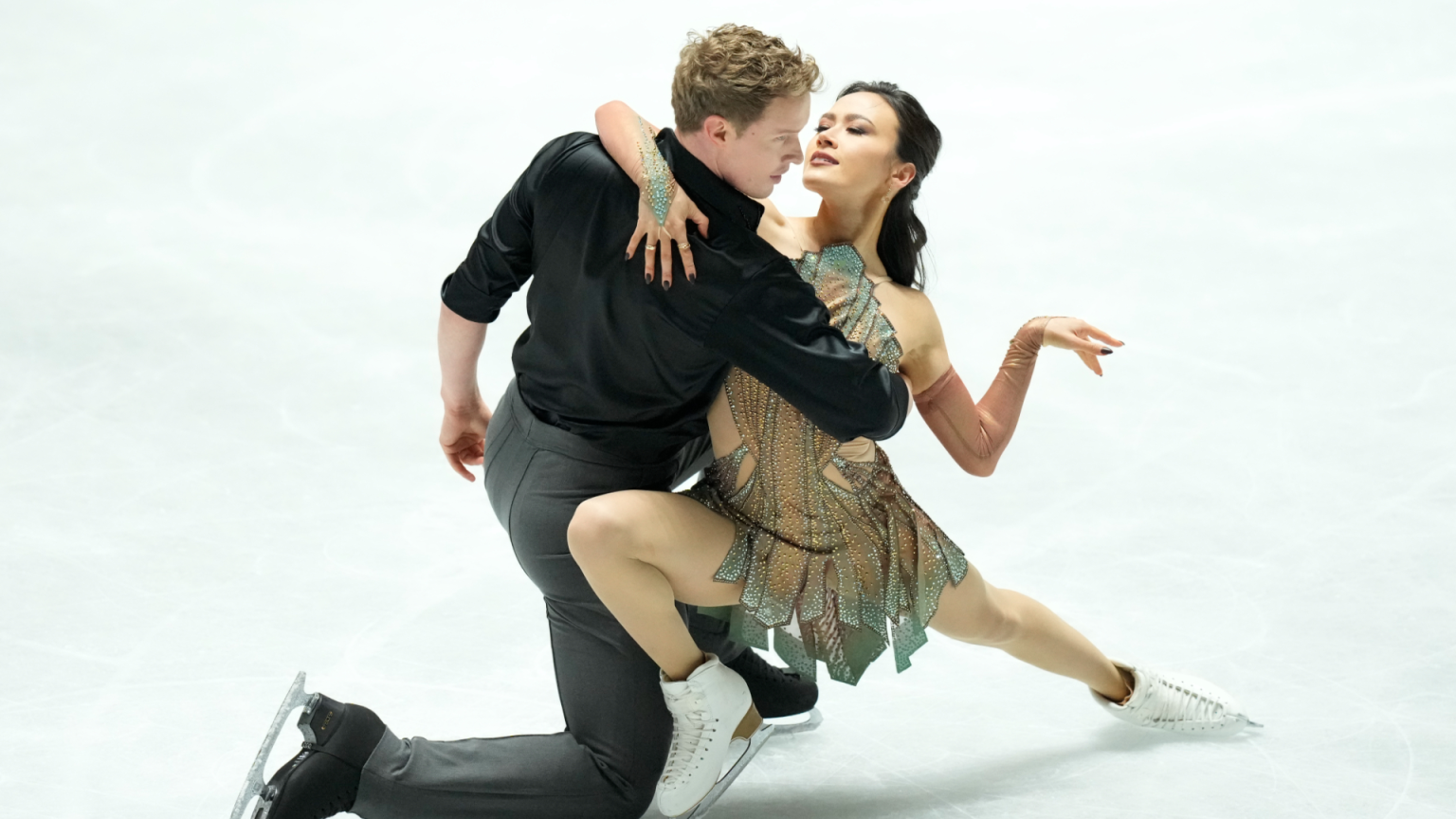
Ballroom dance includes standard styles like waltz, foxtrot, and tango, while Latin dances include samba, cha-cha, rumba, and jive. These dances emphasize partnering, posture, rhythm, and musical interpretation.
Incorporation Tips:
-
Begin with basic steps and simple partnering exercises.
-
Teach the importance of frame, connection, and lead/follow techniques.
-
Introduce rhythmic patterns gradually, using counts and music.
-
Incorporate social dance elements to build confidence in performance and partner work.
7. Bollywood Dance
Overview:
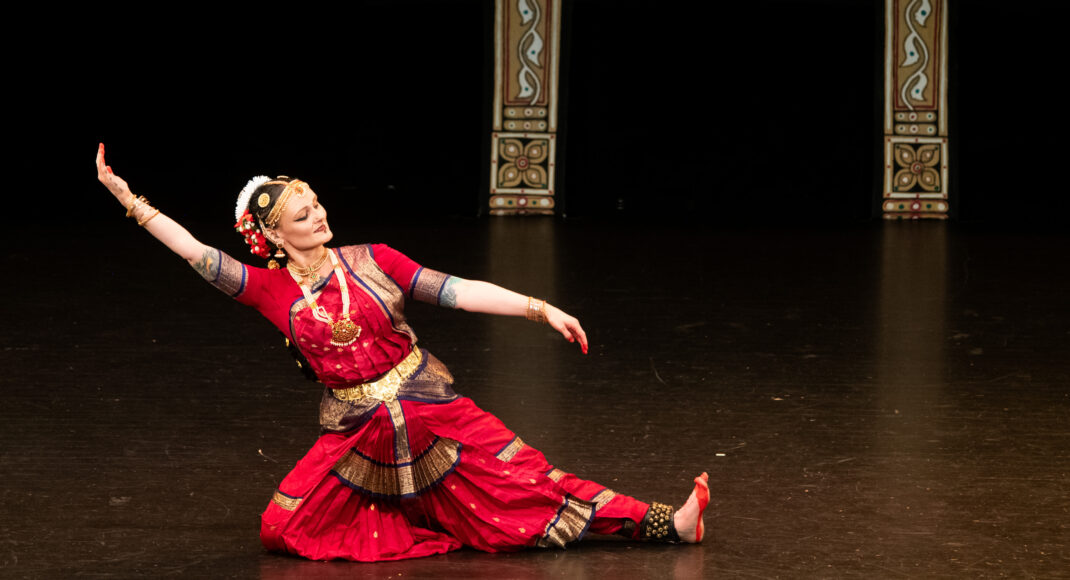
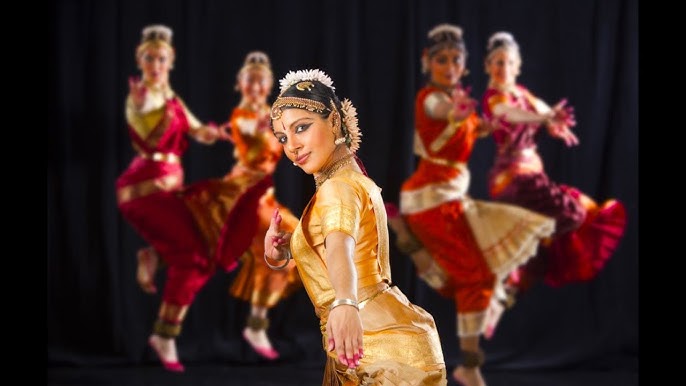
Bollywood dance is a high-energy style influenced by Indian classical, folk, and contemporary dance, often performed to popular Indian film songs. It emphasizes expression, storytelling, and theatricality.
Incorporation Tips:
-
Focus on expressive gestures, facial expressions, and dramatic movements.
-
Combine classical Indian dance elements with modern techniques to create fusion choreography.
-
Use colorful music and costumes to make lessons engaging.
-
Encourage improvisation to allow students to interpret the music personally.
8. Musical Theatre and Broadway
Overview:
Broadway or musical theatre dance blends jazz, ballet, and tap with acting and storytelling. It emphasizes character portrayal, expression, and performance quality.
Incorporation Tips:
-
Integrate acting exercises with choreography to develop expressiveness.
-
Encourage students to perform with personality and confidence.
-
Focus on timing, coordination, and stage presence.
-
Use songs from musicals to create engaging class routines.
9. Folk and Cultural Dances
Overview:
Folk dances celebrate regional and cultural traditions around the world. They often include repetitive patterns, group formations, and storytelling elements.
Incorporation Tips:
-
Introduce simple folk dance sequences to teach rhythm and coordination.
-
Explain cultural context and history to enhance appreciation.
-
Encourage group performance to build teamwork and social interaction.
-
Use folk dances as fun warm-ups or cultural appreciation segments in lessons.
-
Strategies for Incorporating Multiple Styles in Dance Lessons
-
Start with Fundamentals:
Introduce foundational techniques of each style before moving to complex choreography. Students must understand posture, rhythm, and basic movements to succeed. -
Use Cross-Training Techniques:
Incorporate exercises from one style to benefit another. For example, ballet improves alignment for contemporary, while hip-hop strengthens agility for jazz. -
Design Theme-Based Lessons:
Create themed lessons that explore a particular style in depth, then compare or blend it with another. This approach helps students understand stylistic differences and similarities. -
Encourage Improvisation and Creativity:
Allow students to experiment with movements from different styles. Improvisation builds confidence and promotes personal expression. -
Gradual Skill Progression:
Introduce new styles progressively, ensuring students master basics before advancing. Mix familiar styles with new ones to maintain engagement. -
Use Music Strategically:
Select music appropriate to each dance style. Rhythmic clarity and cultural authenticity help students connect more deeply with the style. -
Provide Context and History:
Teaching the origins and cultural significance of each dance form enhances appreciation and respect. Understanding the story behind movements makes lessons more meaningful. -
Incorporate Performance Opportunities:
Showcase a variety of styles in recitals, workshops, or small performances. Performing different styles builds confidence and encourages mastery.
Benefits of Teaching Multiple Dance Styles
-
Enhanced Versatility: Students become adaptable and capable of performing in diverse settings.
-
Physical Development: Different styles target various muscle groups and movement patterns.
-
Mental and Emotional Growth: Exposure to multiple forms improves focus, memory, creativity, and emotional expression.
-
Cultural Awareness: Students gain appreciation for global traditions and artistic diversity.
-
Increased Engagement: Variety keeps classes dynamic, fun, and motivating.
Conclusion
Incorporating a variety of dance styles into your lessons is an effective way to enrich students’ technical skills, creativity, and cultural knowledge. From ballet and contemporary to hip-hop, tap, and folk dances, each style offers unique benefits and learning opportunities. By blending technical training, improvisation, and cultural context, dance instructors can create engaging, holistic, and memorable experiences for their students. Ultimately, exposing students to different dance styles not only develops versatile dancers but also nurtures confident, expressive, and culturally aware individuals.
Read Also: Keep your face towards the sunshine and shadows will fall behind you
Watch Also: https://www.youtube.com/@TravelsofTheWorld24


Leave a Reply