
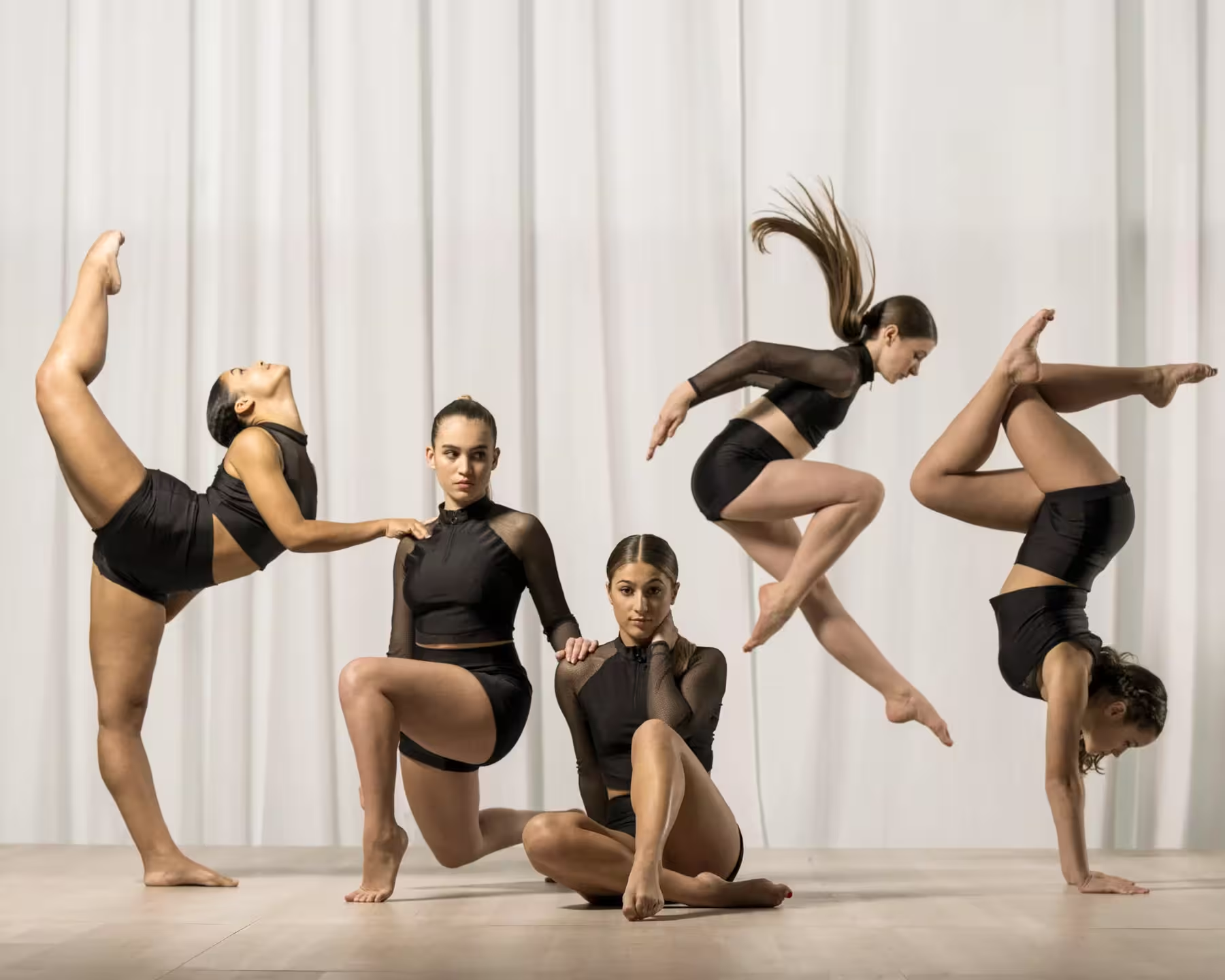
Dance is a universal form of expression that transcends cultures, languages, and borders. It allows individuals to convey emotions, tell stories, and celebrate traditions through movement. Over centuries, dance has evolved into numerous styles, each with its unique techniques, rhythms, and cultural significance. For dancers, enthusiasts, or anyone interested in the art form, understanding these diverse dance styles can inspire creativity and appreciation. Here is a comprehensive guide to 28 popular types of dance from around the world.
1. Ballet
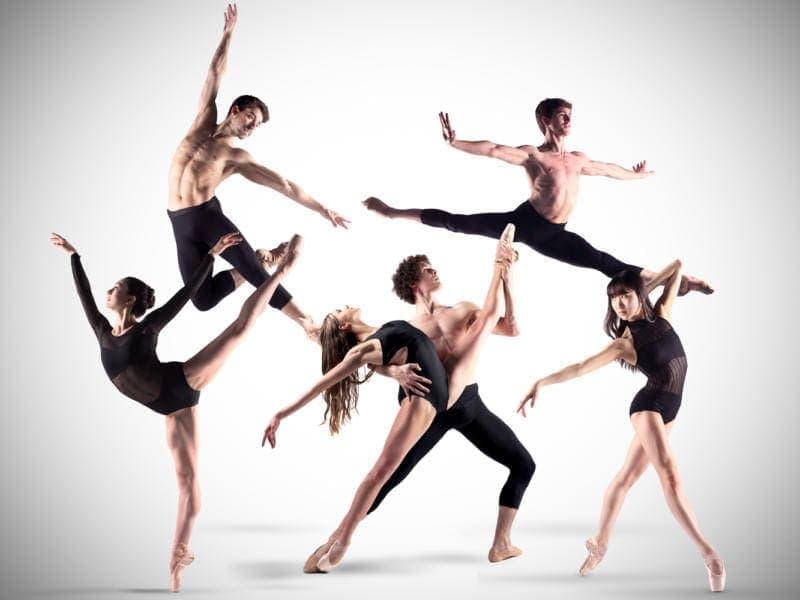
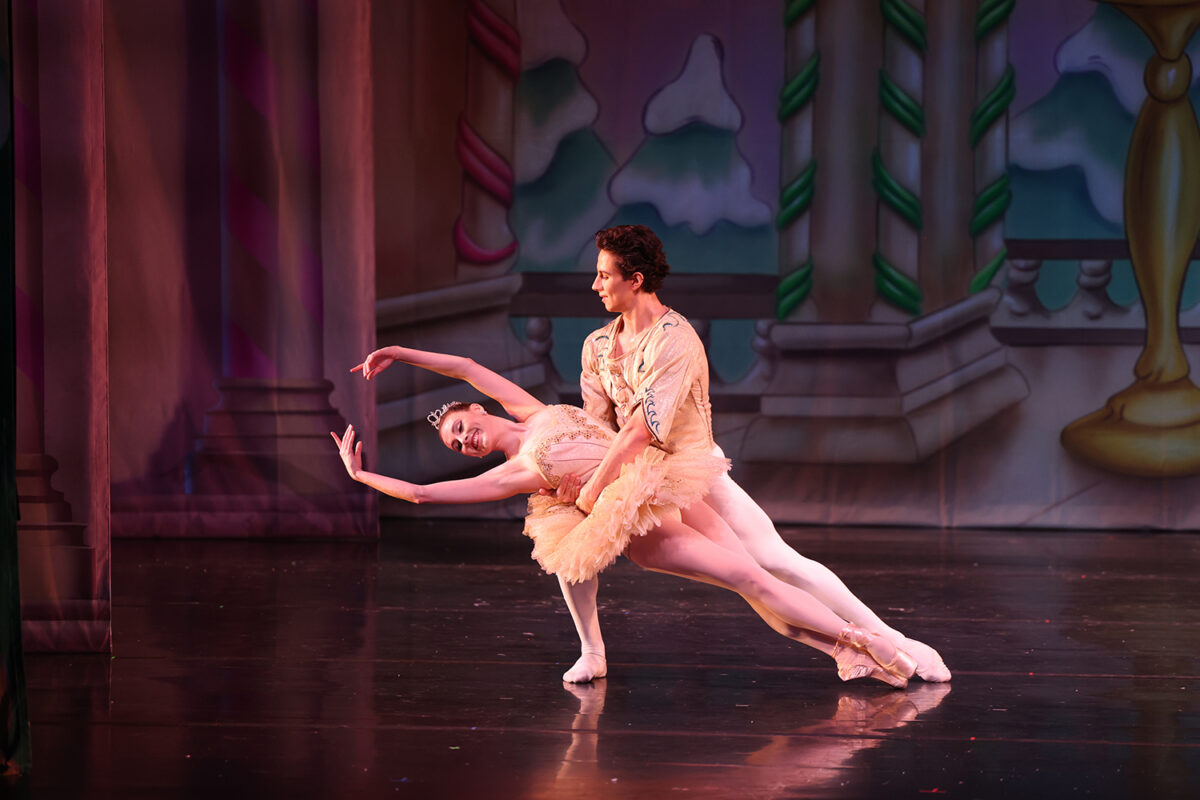
Originating in the Italian Renaissance courts and later refined in France and Russia, ballet is a highly technical dance form known for its grace, precision, and fluidity. Classical ballet emphasizes posture, alignment, turnout, and pointe work. Famous ballets include Swan Lake and The Nutcracker.
2. Jazz Dance
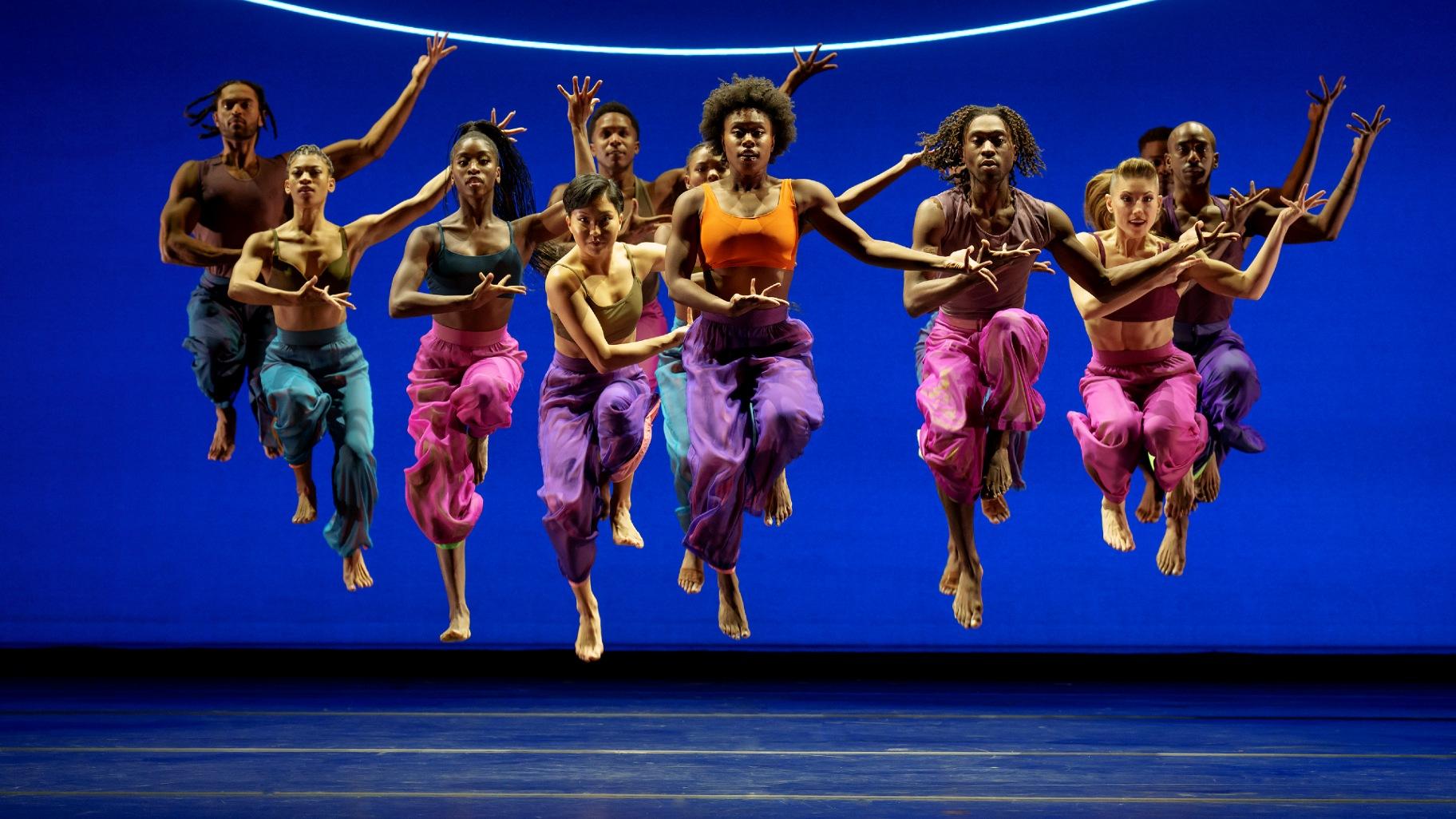
Jazz dance evolved from African-American vernacular dance in the early 20th century. It combines rhythm, improvisation, and high energy. Jazz techniques include isolations, kicks, leaps, and turns. Contemporary jazz often incorporates elements from hip-hop and modern dance.
3. Hip-Hop
Hip-hop dance emerged in the 1970s in the Bronx, New York. It is energetic, expressive, and often performed to hip-hop music. Popular sub-styles include breaking, popping, locking, and krumping. Hip-hop is a freestyle and street-oriented dance that encourages individuality.
4. Contemporary Dance
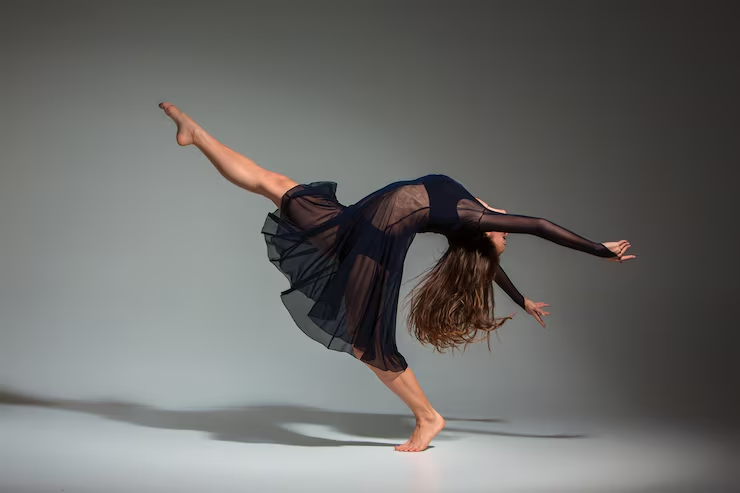
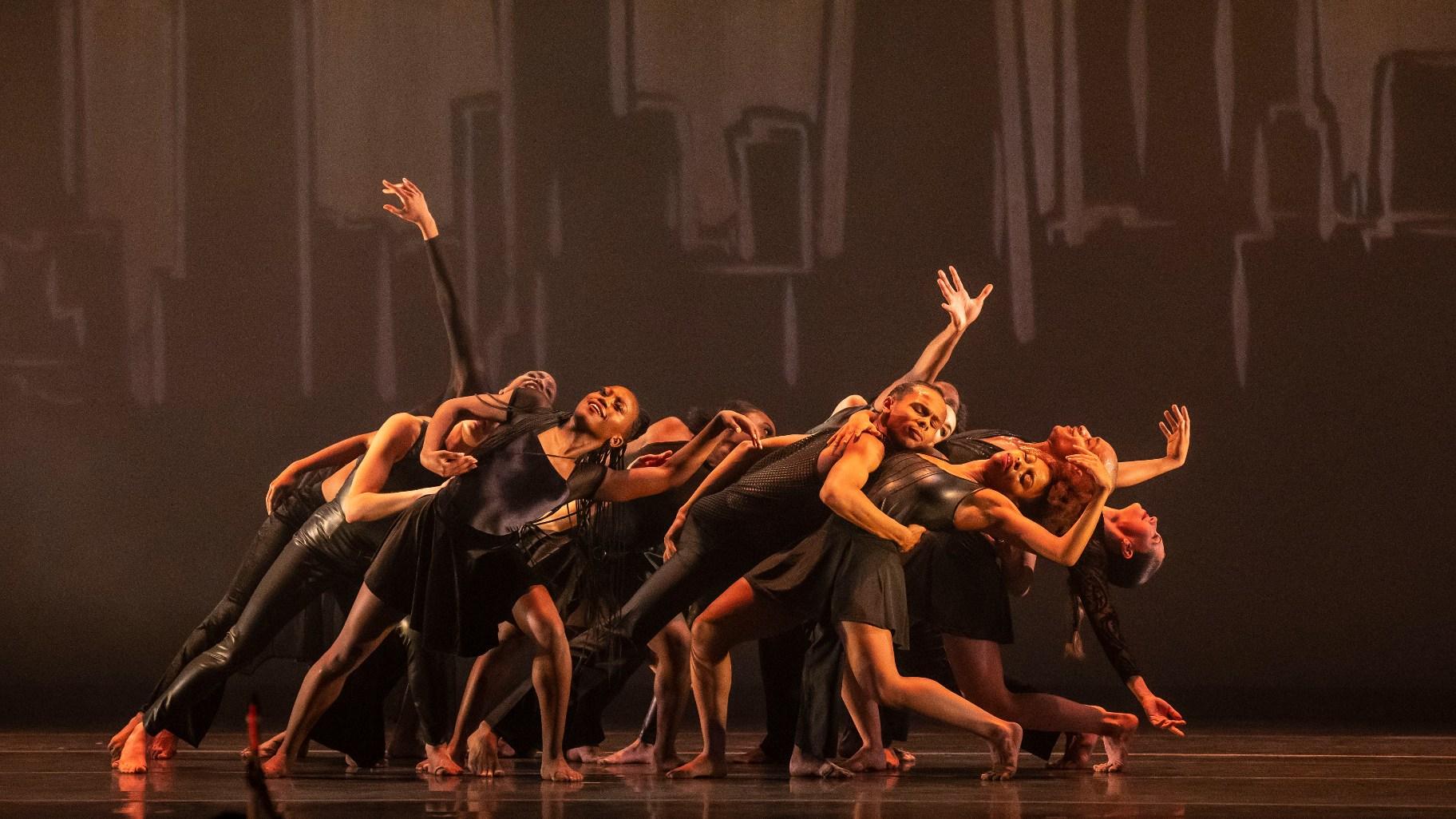
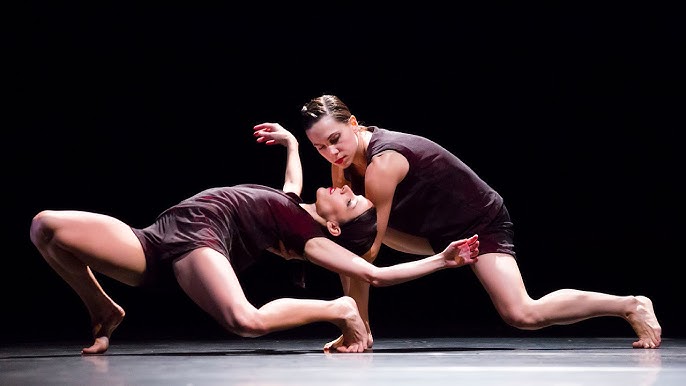
Contemporary dance blends elements of modern, jazz, lyrical, and ballet techniques. It emphasizes fluid movement, floor work, and emotional expression. Contemporary dancers often use improvisation and explore abstract storytelling through movement.
5. Tap Dance
Tap dance is characterized by rhythmic footwork and the use of metal-soled shoes to create percussive sounds. Originating in the United States, tap combines African tribal dance, Irish stepdance, and jazz. It requires precise timing, coordination, and musicality.
6. Ballroom Dance
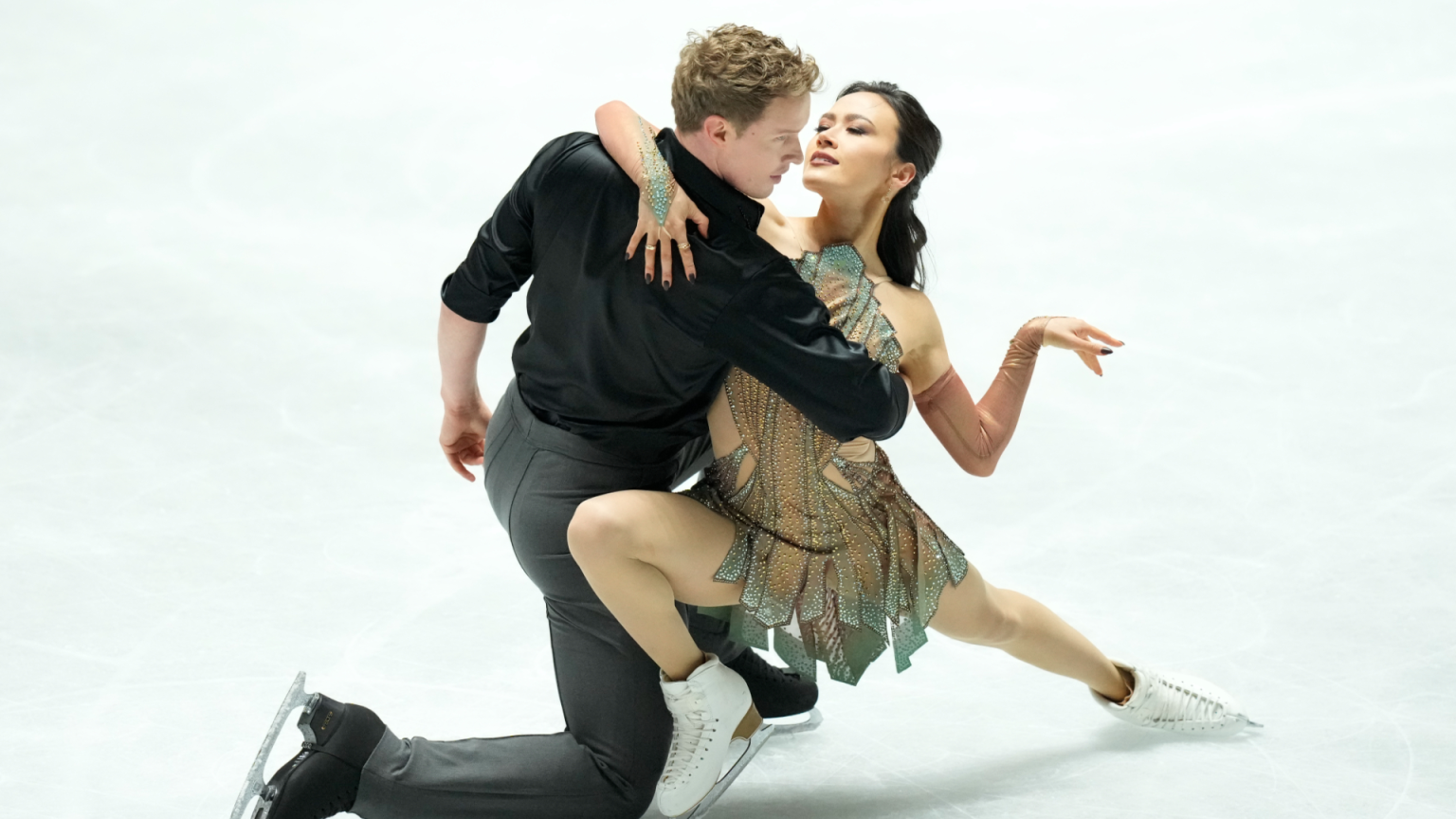
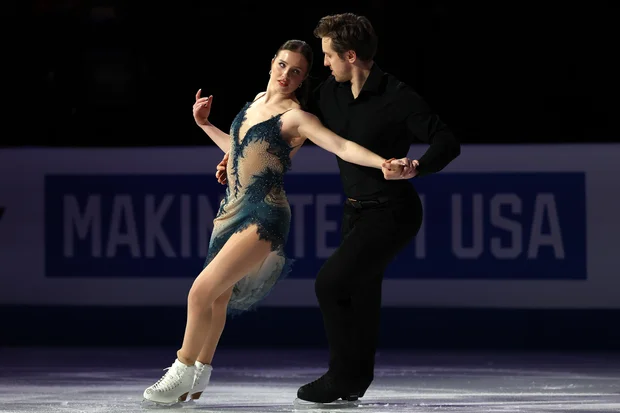
Ballroom dance encompasses formal partner dances such as the waltz, tango, foxtrot, and quickstep. It is known for elegance, posture, and precise steps. Ballroom competitions are held globally, emphasizing technique, style, and connection between partners.
7. Salsa
Salsa is a vibrant Latin dance originating from Cuba and Puerto Rico. It combines Afro-Cuban rhythms with jazz elements. Salsa is characterized by energetic footwork, spins, and fluid hip movements, often danced socially or in performances.
8. Tango
Originating in Argentina, the tango is a passionate dance performed with a close embrace and sharp, staccato movements. It emphasizes connection, improvisation, and dramatic flair. Argentine tango differs from ballroom tango, which is more structured.
9. Flamenco
Flamenco is a Spanish dance known for its intensity, expressive hand movements, rhythmic footwork, and vibrant costumes. Often accompanied by guitar and singing, flamenco reflects deep emotion and storytelling traditions from Andalusia.
10. Bharatanatyam
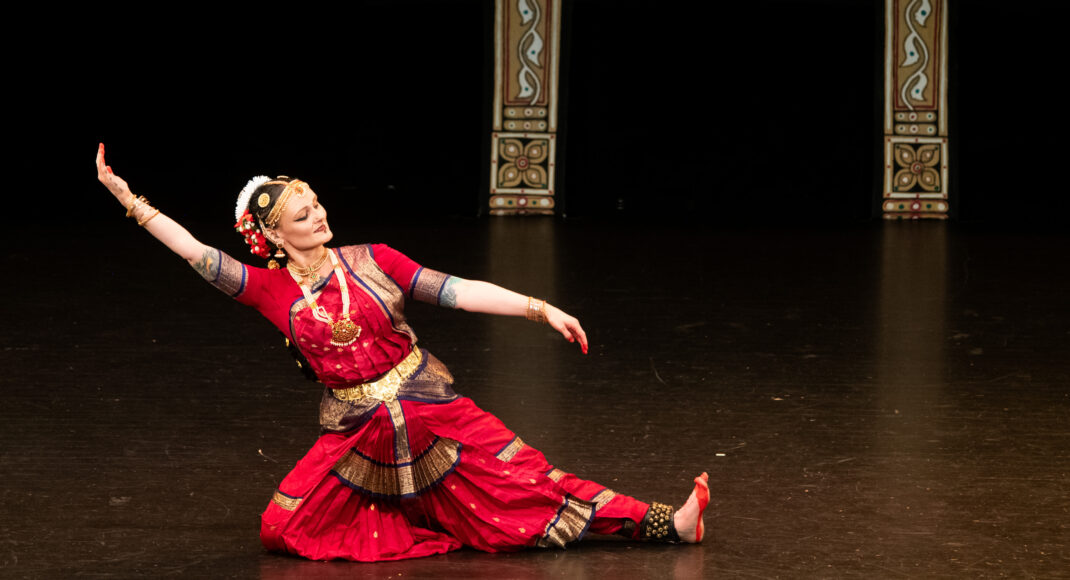
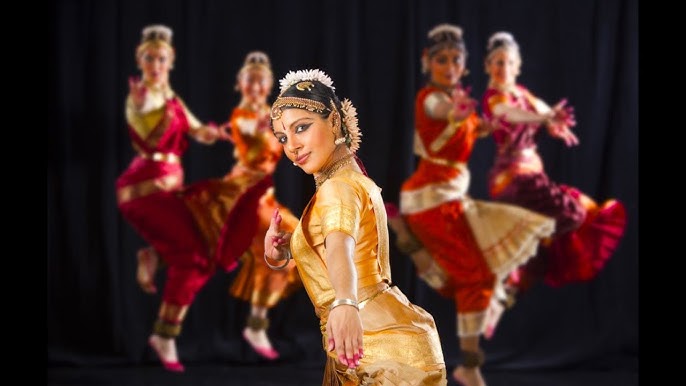
Bharatanatyam is a classical Indian dance form that combines intricate footwork, hand gestures (mudras), and facial expressions to tell stories from Hindu mythology. Originating in Tamil Nadu, it is performed in temples and theaters alike.
11. Kathak
Kathak is a classical North Indian dance characterized by spins, intricate footwork, and storytelling. Traditionally performed in temples and royal courts, it blends rhythmic precision with expressive gestures.
12. Odissi
Odissi is a classical dance from Odisha, India. Known for its fluid torso movements, sculpturesque poses, and graceful gestures, Odissi narrates stories of Hindu deities, particularly Lord Krishna.
13. Kuchipudi
Originating in Andhra Pradesh, India, Kuchipudi combines fast footwork, graceful movements, and dramatic storytelling. Dancers often perform with rhythmic narration and theatrical expressions.
14. Hiplet
Hiplet is a modern dance style that fuses hip-hop with ballet techniques. Dancers wear pointe shoes and perform traditional ballet moves with hip-hop grooves, creating a unique, contemporary style.
15. Breakdance (B-boying/B-girling)
Breakdance is a dynamic street dance associated with hip-hop culture. It includes power moves, freezes, footwork, and acrobatic spins. Popularized in the 1980s, breakdance is both competitive and expressive.
16. Lyrical Dance
Lyrical dance blends ballet, jazz, and contemporary dance techniques. It emphasizes emotional expression and storytelling, often performed to lyrical music with fluid, expressive movements.
17. Modern Dance
Modern dance developed in the early 20th century as a rebellion against classical ballet. Pioneers like Martha Graham and Isadora Duncan emphasized natural movement, emotional expression, and breaking traditional dance norms.
18. Swing Dance
Swing dance originated in the 1920s-30s in the United States. It includes styles like Lindy Hop, Charleston, and Jitterbug. Swing is energetic, social, and often performed to jazz and big band music.
19. Mambo
Mambo is a Latin dance from Cuba, characterized by lively hip movements, fast footwork, and syncopated rhythms. It became popular in the United States in the mid-20th century.
20. Cha-Cha-Cha
Cha-Cha-Cha, or simply Cha-Cha, is a Cuban ballroom dance known for its playful rhythm, quick steps, and flirtatious movements. It is widely performed socially and competitively.
21. Waltz
Waltz is a smooth, flowing ballroom dance in triple time. Originating in Austria and Germany, it emphasizes grace, continuous turns, and elegant posture. Waltz remains popular in competitions and social settings worldwide.
22. Foxtrot
Foxtrot is a ballroom dance with smooth, gliding movements performed to big band or jazz music. Its flowing steps, elegance, and rhythm make it a favorite for social dancing.
23. Rumba
Rumba is a slow Latin dance that emphasizes sensual hip movements, controlled footwork, and storytelling. It is popular in both social and competitive dance settings.
24. Samba
Samba is a lively Brazilian dance associated with carnival celebrations. Known for its rhythmic hip movements and energetic steps, samba embodies joy, festivity, and cultural expression.
25. Jive
Jive is a fast-paced ballroom dance originating from the United States. Characterized by kicks, spins, and energetic footwork, it is often performed to swing or rock-and-roll music.
26. Bollywood Dance
Bollywood dance is a fusion of Indian classical, folk, and modern dance styles. Popularized in Indian films, it combines expressive storytelling, rhythmic movements, and theatrical flair, making it globally recognizable.
27. African Dance
African dance encompasses numerous traditional dances from across the continent. It is characterized by rhythmic movements, polyrhythms, dynamic footwork, and full-body expression, often performed to drums and percussion.
28. Folk Dance
Folk dances represent cultural heritage and traditions of communities worldwide. Examples include Irish stepdance, Russian folk dance, Mexican Jarabe, and Hawaiian Hula. These dances are social, ceremonial, and celebratory in nature.
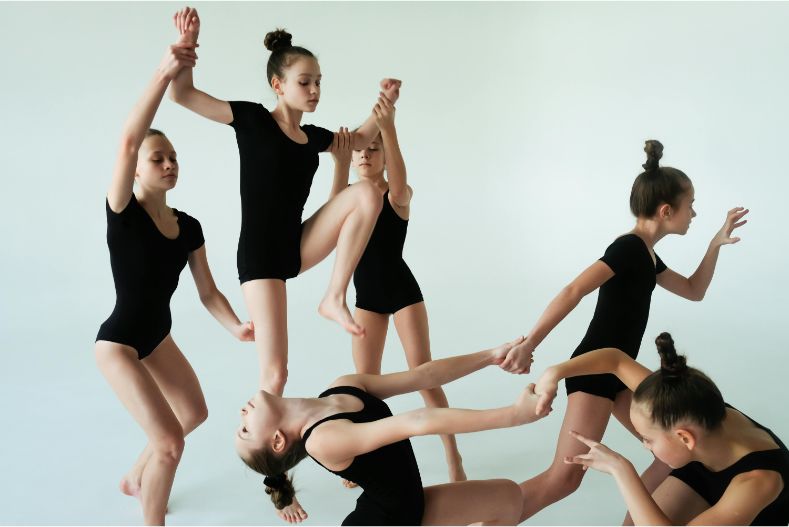
Benefits of Learning Different Dance Styles
-
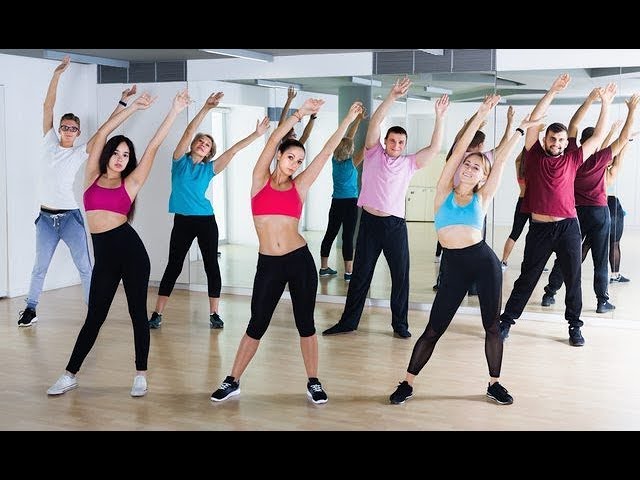
Physical Fitness: Dance improves flexibility, strength, balance, and cardiovascular health.
-
Mental Well-being: Dancing reduces stress, improves mood, and boosts cognitive function.
-
Cultural Appreciation: Learning traditional dance forms fosters awareness of diverse cultures and histories.
-
Creativity and Expression: Dance allows individuals to convey emotions, tell stories, and explore artistic expression.
-
Social Interaction: Many dance styles encourage socialization, collaboration, and teamwork.
Choosing the Right Dance Style
Selecting a dance style depends on personal preference, fitness goals, and artistic interests. For example:
-
For fitness: Hip-hop, Zumba, or jazz
-
For elegance and technique: Ballet or ballroom
-
For cultural exploration: Bharatanatyam, Flamenco, or African dance
-
For performance and expression: Contemporary, lyrical, or Bollywood
Conclusion
Dance is a dynamic and versatile form of expression that transcends cultural boundaries and connects people globally. From classical forms like ballet and Bharatanatyam to energetic street styles like hip-hop and breakdance, each dance style offers a unique experience and learning opportunity. Whether for fitness, artistic expression, or cultural appreciation, exploring these 28 popular dance styles can inspire creativity, enhance physical health, and broaden cultural understanding.
As the world continues to embrace diversity and creativity, dance remains a timeless medium that celebrates human expression in its many forms.
Read Also: Keep your face towards the sunshine and shadows will fall behind you
Watch Also: https://www.youtube.com/@TravelsofTheWorld24

Leave a Reply