
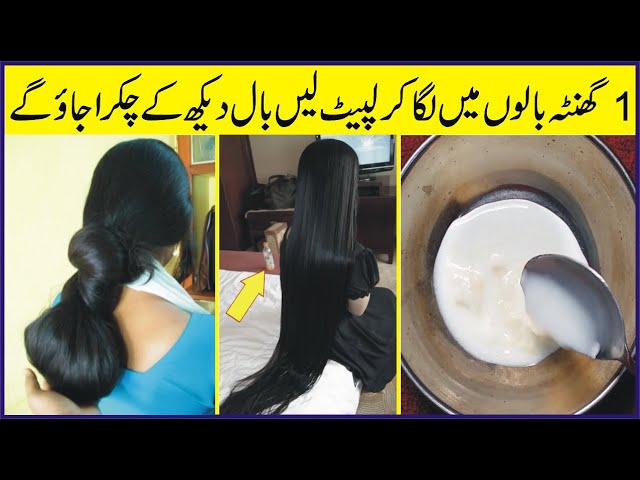
As we age, our hair naturally changes in texture, thickness, and growth speed. For many people over 50, hair growth becomes slower, strands become thinner, and hair fall may increase due to hormonal changes, nutritional deficiencies, stress, or reduced scalp circulation. However, growing long, healthy hair at 50 is absolutely possible with the right care, patience, and lifestyle choices.
Fast hair growth at this age is not about miracle products but about nourishing the scalp, strengthening hair from the roots, and protecting existing hair from damage. Below are effective and practical hair growth tips that work especially well for people aged 50 and above.
1. Understand Why Hair Growth Slows After 50
Hair growth occurs in cycles: growth (anagen), rest (telogen), and shedding. After the age of 50, the growth phase becomes shorter, and more hair follicles remain in the resting phase. Hormonal changes—especially reduced estrogen in women and testosterone changes in men—can weaken hair follicles.
Additionally, scalp blood circulation may decrease, and nutrient absorption becomes less efficient. Understanding these factors helps set realistic expectations and encourages long-term care instead of quick fixes.
2. Scalp Care Is the Key to Faster Hair Growth
Healthy hair always starts with a healthy scalp. With age, the scalp can become dry, tight, or less oxygenated, which affects hair growth.
Regular scalp massage improves blood circulation and delivers oxygen and nutrients to hair follicles. Use your fingertips to gently massage your scalp for 5–10 minutes daily. You can also use natural oils like coconut oil, olive oil, or castor oil for better results.
Once or twice a month, exfoliate your scalp using a gentle scrub or natural ingredients like sugar mixed with oil. This removes product buildup and dead skin cells that block follicles.
3. Oil Your Hair the Right Way
Oiling is especially beneficial for people over 50 because it strengthens roots and prevents dryness. However, over-oiling or aggressive rubbing can cause breakage.
Warm oil slightly before application and gently massage it into the scalp. Leave it on for at least 30–60 minutes or overnight if comfortable, then wash with a mild shampoo. Oils such as coconut oil nourish the hair shaft, while castor oil is known for promoting thickness.
Oil your hair 1–2 times a week for best results.
4. Choose Age-Appropriate Hair Products
As hair becomes more fragile with age, harsh shampoos and chemical treatments can cause severe damage. Avoid shampoos with sulfates, parabens, and strong fragrances.
Use a mild, sulfate-free shampoo that cleans without stripping natural oils. Condition your hair after every wash to restore moisture and reduce breakage. Deep conditioning masks once a week can significantly improve hair strength and shine.
Also, avoid frequent hair coloring and chemical treatments, as mature hair is more prone to damage.
5. Nourish Your Hair Through Diet
Fast hair growth at 50 depends heavily on nutrition. Hair is made of protein, so a diet lacking essential nutrients will slow growth.
Include protein-rich foods such as eggs, lentils, yogurt, fish, and nuts. Iron, zinc, biotin, and omega-3 fatty acids are particularly important for hair health. Green leafy vegetables, seeds, fruits, and whole grains help improve hair thickness and reduce shedding.
Drinking enough water is equally important, as dehydration leads to dry and brittle hair.
6. Avoid Excessive Heat and Styling Damage
Heat styling tools weaken hair strands and cause split ends, especially in mature hair. Excessive use of blow dryers, straighteners, and curling irons can make hair thin and fragile.
Allow your hair to air dry whenever possible. If you must use heat tools, apply a heat-protectant product and keep the temperature low. Simple hairstyles that reduce tension on the scalp are better for long-term hair growth.
7. Get Regular Trims—Yes, They Help Growth
Many people believe trimming slows hair growth, but the opposite is true. Regular trims every 8–12 weeks remove split ends that travel up the hair shaft and cause breakage.
Healthy ends make hair appear longer, thicker, and more manageable. Trimming helps retain length by preventing damage rather than affecting growth from the scalp.
8. Manage Stress for Healthier Hair
Stress is one of the biggest contributors to hair fall, especially after 50. Chronic stress pushes hair follicles into the resting phase, causing increased shedding.
Practice relaxation techniques such as walking, light exercise, yoga, meditation, or deep breathing. Getting adequate sleep also plays a crucial role in hair repair and growth.
A calm mind supports a healthy body—and healthy hair.
9. Protect Hair While Sleeping
Nighttime hair care is often ignored but is extremely important for older hair. Cotton pillowcases can cause friction and breakage.
Switch to a silk or satin pillowcase to reduce hair damage. You can also loosely braid your hair or use a soft hair wrap to prevent tangling. Avoid sleeping with wet hair, as it is more prone to breakage.
10. Be Patient and Consistent
Fast hair growth at 50 does not happen overnight. Hair grows about half an inch per month on average, and mature hair may grow slightly slower.
Consistency is the real secret. Follow a gentle routine, nourish your body, and protect your hair daily. Within a few months, you will notice reduced hair fall, improved texture, and healthier growth.
Conclusion
Growing long, healthy hair at the age of 50 is not only possible—it is achievable with the right care and mindset. By focusing on scalp health, proper nutrition, gentle hair practices, and stress management, you can support faster and stronger hair growth naturally.
Age should never limit beauty or self-care. With patience and consistent effort, your hair can remain one of your most beautiful features well beyond 50.
Read Also: Keep your face towards the sunshine and shadows will fall behind you
Watch Also: https://www.youtube.com/@TravelsofTheWorld24






Leave a Reply