

In today’s fast-paced world, most people are constantly looking for ways to maximize results while minimizing effort. Whether it’s in fitness, work, learning, or personal growth, the concept of achieving more with less has become increasingly appealing. This idea is perfectly captured by the Pareto Principle, also known as the 80/20 rule. The principle suggests that roughly 80% of results come from just 20% of the effort. Understanding and applying this concept can transform the way we approach work and life.
Understanding the 80/20 Principle
The 80/20 rule was named after Italian economist Vilfredo Pareto, who, in the late 19th century, observed that 80% of Italy’s wealth was owned by just 20% of the population. Over time, this principle has been found applicable beyond economics, influencing business, productivity, fitness, and even personal habits.
Essentially, the principle shows that not all effort is equal. Some tasks, actions, or inputs are far more effective than others. By identifying and prioritizing these high-impact activities, you can achieve most of the results without exhausting yourself with every possible effort.
Applying 80/20 in Fitness
Fitness is a perfect area to apply the 80/20 principle because results often depend on a few key exercises, nutrition choices, and recovery practices rather than every single detail.
-
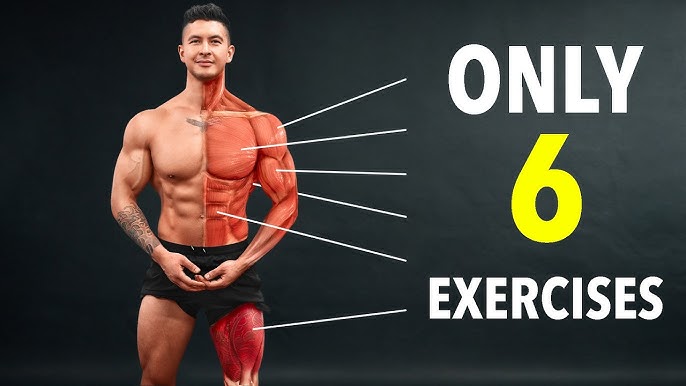
Focus on Compound Exercises: Compound movements like squats, deadlifts, push-ups, and pull-ups engage multiple muscle groups at once. Instead of spending hours isolating individual muscles, concentrating on these exercises gives maximum strength and muscle gains in less time.
-
High-Impact Workouts: High-intensity interval training (HIIT) is another example. Short bursts of intense effort can provide more cardiovascular and fat-loss benefits than long, steady cardio sessions.
-
Nutrition Matters More Than Every Micro Detail: While tracking every macronutrient can help, often, focusing on key nutrition habits—like reducing sugary drinks, increasing protein intake, and eating more vegetables—produces most of the health benefits without overcomplicating your diet.
-
Recovery and Sleep: A small focus on quality sleep and recovery practices yields huge gains in performance, energy, and muscle growth compared to obsessing over minor exercise tweaks.
The Principle in Work and Productivity
Applying the 80/20 principle at work can drastically increase productivity while reducing burnout.
-
Identify High-Impact Tasks: In any job, a minority of tasks usually drives the majority of results. Focus on tasks that directly contribute to your goals rather than getting lost in busywork.
-
Delegate or Eliminate Low-Impact Work: Tasks that only produce small outcomes or are time-consuming without meaningful results can often be automated, delegated, or eliminated.
-
Time Management: Prioritize the tasks that matter most. For instance, spending 20% of your time on strategic planning or client relationship-building can generate 80% of your business results.
-
Learn to Say No: Protecting your time from distractions, unproductive meetings, or unnecessary tasks ensures that your energy is directed toward high-value activities.
Learning and Skill Development
The 80/20 principle is equally useful in learning new skills. Many people spend countless hours on minor details without realizing that a small subset of knowledge provides the majority of competency.
-
Focus on Core Concepts: When learning a language, mastering 20% of vocabulary and grammar structures often allows you to understand and communicate 80% of daily conversations.
-
Practice High-Impact Skills: If you’re learning to play an instrument, practicing fundamental techniques produces the majority of improvement, while polishing every nuance may have diminishing returns at first.
-
Seek the Right Resources: Not all books, courses, or tutorials are equally valuable. Invest in materials that provide the most actionable knowledge and skip low-impact resources.
Lifestyle and Personal Growth
Even outside work, fitness, or learning, the 80/20 rule applies to lifestyle choices.
-
Relationships: Often, a small number of relationships provide most of your emotional support and happiness. Prioritize nurturing these rather than trying to maintain every connection equally.
-
Habits: Identify a few core habits that impact your well-being—like daily movement, proper sleep, and gratitude journaling. These often produce the majority of your happiness and health benefits compared to trying to follow dozens of minor routines.
-
Decluttering: Applying 80/20 to possessions shows that most of what you own is rarely used. Focusing on keeping essential items can simplify life and create mental clarity.
How to Identify Your 20%
The key to leveraging the 80/20 principle is knowing which actions produce the most results. Here’s how you can do it:
-
Track Your Efforts and Results: Monitor your time, energy, and outputs. Identify which tasks, exercises, or habits provide the most meaningful results.
-
Ask Critical Questions: For every activity, ask: Does this produce significant value? Is it truly necessary? If the answer is no, it’s likely low-impact.
-
Test and Refine: Not everything is obvious at first. Experiment with different approaches and track outcomes to discover the activities that really matter.
-
Prioritize Ruthlessly: Once you know your high-impact activities, focus on them consistently and cut down on low-impact distractions.
Pitfalls to Avoid
While the 80/20 principle is powerful, it’s not a shortcut to ignore responsibilities or effort entirely.
-
Overlooking Necessary Foundations: Some foundational work may not yield immediate results but is necessary for long-term success, like proper warm-up before exercise or basic education before advanced skills.
-
Misidentifying Priorities: Not all seemingly high-impact tasks are truly effective. Careful evaluation is necessary.
-
Neglecting Sustainability: Consistently doing only minimal effort without considering recovery or balance can lead to burnout or plateauing.
Real-Life Examples
-
Fitness: Many people see most of their muscle gains by focusing on just 4–5 compound lifts and a few key nutrition adjustments rather than following every exercise and supplement recommendation.
-
Business: Entrepreneurs often find that 20% of clients generate 80% of revenue. Focusing on retaining and servicing these clients yields major growth.
-
Learning: Students can often cover 80% of exam content by focusing on the most frequently tested concepts rather than memorizing every detail in the textbook.
-
Time Management: Spending a short amount of time planning your day can often produce 80% of the benefits in productivity compared to working reactively all day.
Making It Work for You
To truly benefit from the 80/20 principle, consider these steps:
-
Identify your goals clearly. Knowing what “results” mean for you helps determine where to focus.
-
Audit your current efforts. List all your activities and assess their impact.
-
Focus on the most effective 20%. Dedicate time, energy, and resources to the tasks, habits, or strategies that provide the highest returns.
-
Continuously review. Your high-impact activities may change over time, so regular evaluation is crucial.
-
Eliminate, delegate, or minimize the rest. By reducing low-impact work, you free up resources for high-impact actions and maintain better balance in life.
Conclusion
The 80/20 principle reminds us that working harder doesn’t always mean working smarter. By identifying the vital few actions that produce the majority of results, you can achieve your goals faster, with less effort, and with greater efficiency. Whether in fitness, work, learning, or personal life, focusing on the 20% that truly matters allows you to reap 80% of the benefits—a powerful strategy for anyone seeking meaningful results without unnecessary strain.
Mastering this principle requires self-awareness, careful evaluation, and consistent prioritization, but once implemented, it can be transformative. In a world where effort is often wasted on low-impact tasks, the ability to maximize results with minimal work is not just smart—it’s essential.
Read Also: Keep your face towards the sunshine and shadows will fall behind you
Watch Also: https://www.youtube.com/@TravelsofTheWorld24












Leave a Reply