
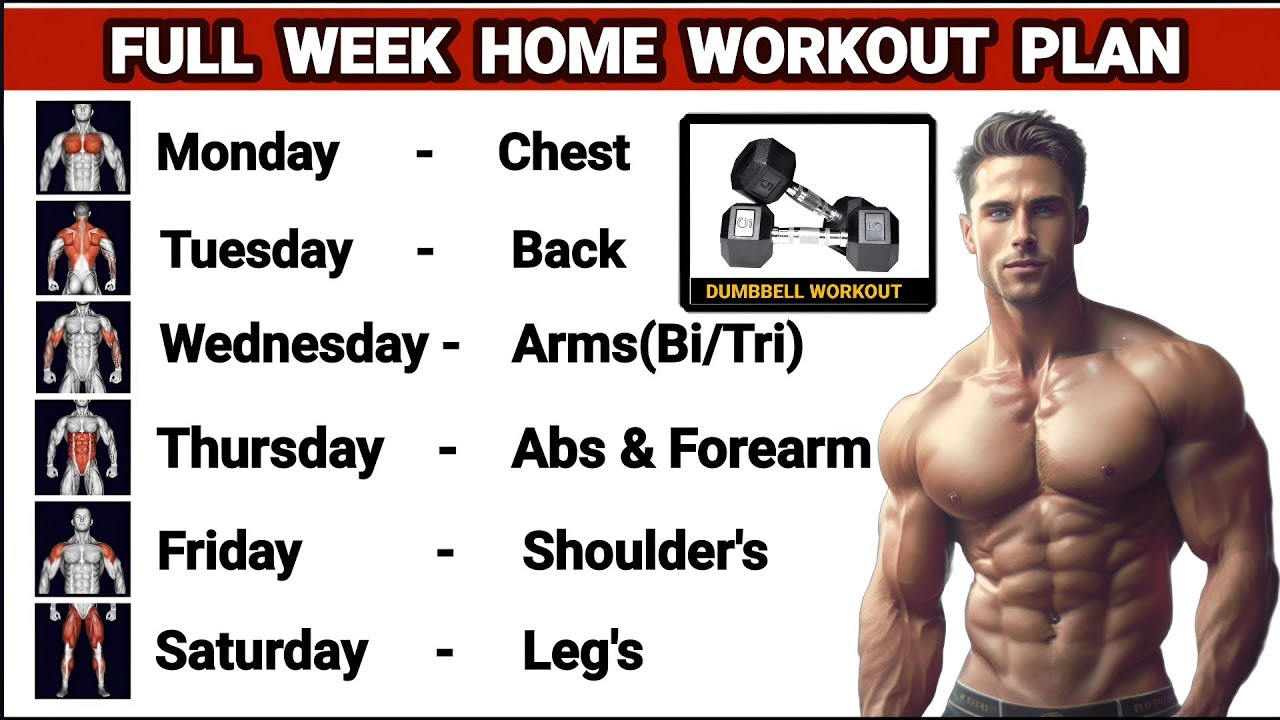
Staying fit and building muscle doesn’t require a gym membership. With just a pair of dumbbells and a structured plan, you can achieve balanced, symmetrical development at home. The Full Week Home Workout Plan with Dumbbells is designed to target all major muscle groups, improve strength, and enhance muscular balance—all without stepping foot in a gym.
Whether you are a beginner looking to start your fitness journey, or an intermediate athlete wanting to maintain gains at home, this routine provides a practical, time-efficient way to work your body. In this article, we’ll break down the workout schedule, exercises, and tips to maximize results.
Why a Home Dumbbell Routine Works
Dumbbells are versatile tools that allow for unilateral and bilateral training, which is crucial for symmetrical muscle development. Unlike machines, dumbbells require stabilization from supporting muscles, improving coordination, balance, and overall functional strength.
Benefits of a Dumbbell-Based Home Workout:
-
Promotes symmetry by training both sides independently
-
Can be done anywhere with minimal equipment
-
Improves strength, mobility, and muscle tone
-
Adaptable for beginners and advanced lifters
-
Time-efficient and cost-effective
With the right plan, dumbbell workouts can be just as effective as traditional gym routines for full-body development.
Overview of the Full Week Plan
This home workout plan is structured as a 5-day split, with two rest or active recovery days. The split ensures each muscle group gets adequate attention and recovery, allowing for progressive growth.
Example Weekly Schedule:
-
Day 1: Chest & Triceps
-
Day 2: Back & Biceps
-
Day 3: Legs & Glutes
-
Day 4: Shoulders & Abs
-
Day 5: Full-Body Dumbbell Circuit
-
Day 6–7: Rest or Active Recovery
Each day focuses on targeted muscles, with compound movements first, followed by isolation exercises for finishing touches.
Day 1: Chest & Triceps
Chest and triceps are trained together since many pressing exercises engage both muscle groups.
Dumbbell exercises include:
-
Dumbbell Bench Press (flat or incline) – builds chest strength
-
Dumbbell Flyes – stretches and isolates the chest
-
Close-Grip Dumbbell Press – targets triceps
-
Overhead Dumbbell Tricep Extension – isolates triceps
-
Push-Ups (optional) – adds endurance and stability
Tips: Keep movements controlled, focus on full range of motion, and avoid arching your back excessively during presses.
Day 2: Back & Biceps
A strong back improves posture and balances chest development, while biceps contribute to arm aesthetics.
Dumbbell exercises include:
-
Single-Arm Dumbbell Row – corrects imbalances and strengthens lats
-
Bent-Over Dumbbell Rows – engages upper and middle back
-
Dumbbell Bicep Curls – builds arm strength
-
Hammer Curls – targets brachialis for fuller arms
-
Renegade Rows – combine core stability with back and biceps work
Tips: Focus on squeezing the back muscles at the top of each row and avoid swinging the weights.
Day 3: Legs & Glutes
Legs are essential for overall strength, metabolism, and symmetry. Dumbbell exercises can replicate most gym movements effectively.
Exercises include:
-
-
Dumbbell Squats – primary leg strength builder
-
-
Dumbbell Lunges – improves unilateral strength and balance
-
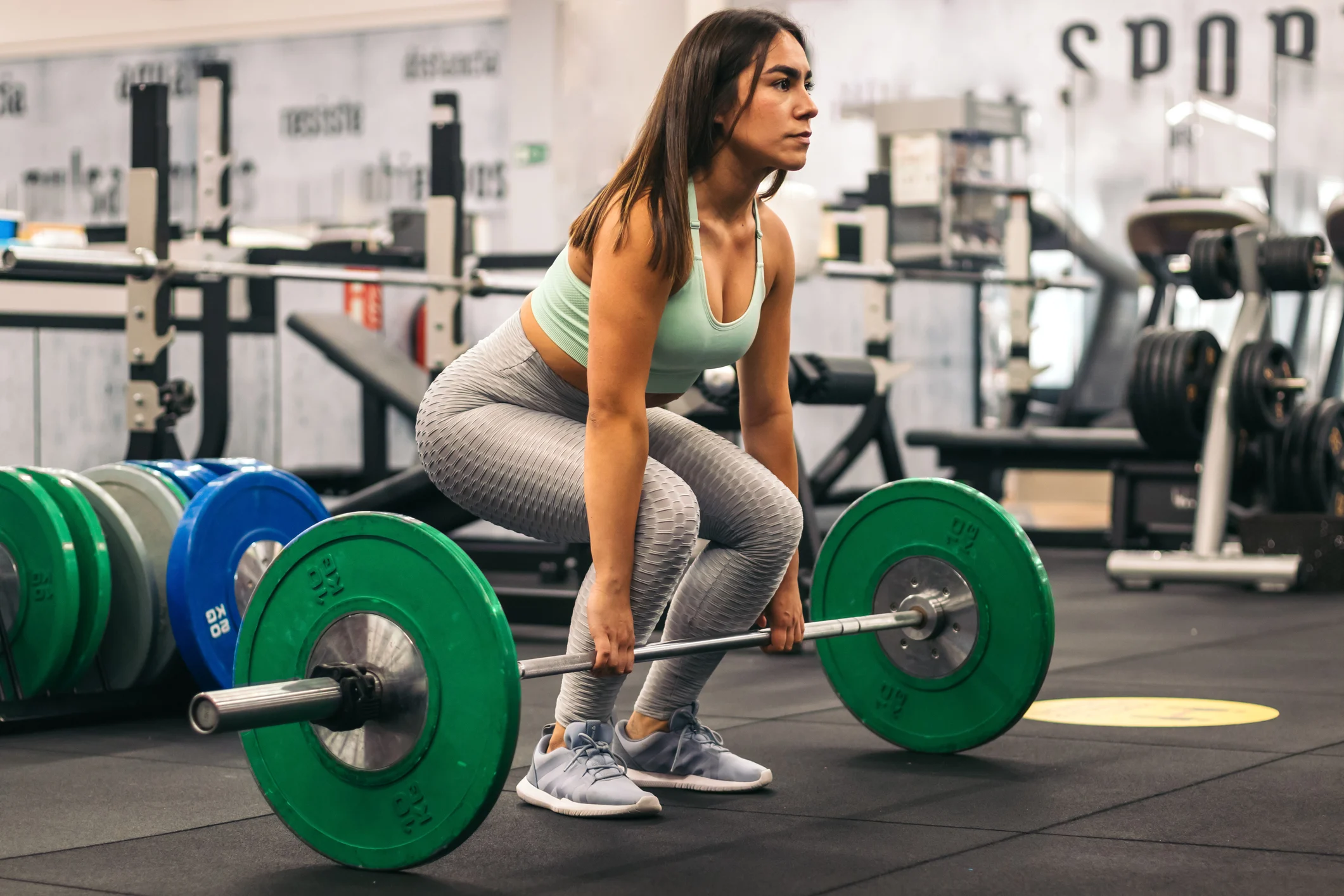
Dumbbell Deadlifts – targets hamstrings and glutes
-
Glute Bridges (with Dumbbell on hips) – isolates glutes
-
Calf Raises (holding dumbbells) – strengthens calves
Tips: Maintain proper posture, avoid letting knees cave in, and use controlled movement for all repetitions.
Day 4: Shoulders & Abs
Strong shoulders and a stable core are crucial for overall physique and functional fitness.
Dumbbell exercises include:
-
Overhead Dumbbell Press – builds shoulder strength
-
Lateral Raises – sculpts the side delts
-
Front Raises – isolates anterior delts
-
Dumbbell Shrugs – targets traps
-
Dumbbell Russian Twists – engages obliques
-
Weighted Crunches – strengthens rectus abdominis
Tips: Avoid heavy weights that compromise form, and engage your core throughout all exercises.
Day 5: Full-Body Dumbbell Circuit
This day combines multiple muscle groups in a high-intensity circuit for muscular endurance, calorie burn, and functional strength.
Sample circuit:
-
Dumbbell Squats to Press
-
Dumbbell Rows
-
Dumbbell Lunges
-
Dumbbell Chest Press
-
Dumbbell Deadlifts
-
Dumbbell Russian Twists
Tips: Perform each exercise for 10–15 reps, rest 60–90 seconds between rounds, and repeat 2–4 times depending on fitness level. This style keeps your heart rate elevated while working all major muscles.
Rest & Recovery
Recovery is a critical component of symmetrical development. Dumbbells challenge stabilizing muscles, which need time to repair.
Recovery Tips:
-
Sleep 7–9 hours per night
-
Stay hydrated
-
Stretch major muscle groups after each session
-
Use light activity like walking, yoga, or foam rolling on rest days
Consistent recovery reduces injury risk and ensures continued progress.
Progressive Overload at Home
Even at home, progressive overload is essential for growth:
-
Gradually increase dumbbell weight when exercises become easy
-
Add extra repetitions or sets
-
Shorten rest intervals for endurance and conditioning
-
Focus on slow, controlled movements for maximum muscle tension
Tracking your progress ensures that muscles are continually challenged, which is key for symmetrical development.
Nutrition & Lifestyle
Exercise alone is not enough for muscle growth and balanced development. Proper nutrition fuels workouts and recovery.
Tips:
-
Eat protein-rich meals: chicken, fish, eggs, lentils, or tofu
-
Include complex carbs for energy: rice, oats, potatoes, whole grains
-
Consume healthy fats: nuts, seeds, avocado, olive oil
-
Stay hydrated throughout the day
-
Consider pre- and post-workout meals to optimize energy and recovery
A consistent lifestyle with proper nutrition complements your home dumbbell routine and accelerates results.
Why This Plan Works
This full-week dumbbell plan is effective because it:
-
Targets all major muscle groups for balanced development
-
Combines strength, endurance, and functional training
-
Is flexible for different fitness levels
-
Promotes muscle symmetry by training each side independently
-
Can be done entirely at home, saving time and money
With minimal equipment and proper execution, you can build a physique as well-rounded as gym-based routines.
Final Thoughts
A Full Week Home Workout Plan with Dumbbells is ideal for those who want to train at home without sacrificing results. By focusing on symmetrical development, consistent training, proper recovery, and good nutrition, you can achieve noticeable strength gains, improved muscle tone, and better overall fitness.
The key is consistency and dedication. Even with limited equipment, following a structured weekly plan ensures that every muscle group is trained efficiently, your body remains challenged, and progress continues week after week. Start small, track your improvement, and enjoy the flexibility of training from home with dumbbells.
Read Also: Keep your face towards the sunshine and shadows will fall behind you
Watch Also: https://www.youtube.com/@TravelsofTheWorld24




Leave a Reply