
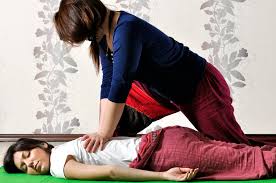
Thai massage, known as Nuad Thai, is an ancient therapeutic practice that has been cultivated for over 2,500 years. Combining acupressure, assisted stretching, rhythmic movements, and energy work, it offers a holistic approach to physical, mental, and emotional well-being. As the popularity of Thai massage grows worldwide, many individuals are interested in pursuing formal training to become certified therapists or deepen their understanding of this ancient healing art.
Training in Thai massage is not only a path to professional development but also an opportunity to experience the therapeutic benefits firsthand. Whether you aspire to practice professionally or seek personal enrichment, understanding what to expect in training is essential for a meaningful and safe learning experience.
Origins and Philosophy of Thai Massage
The roots of Thai massage trace back to the teachings of Jivaka Kumar Bhaccha, a physician to the Buddha. Influenced by Ayurvedic medicine, yoga principles, and traditional Thai healing practices, Thai massage focuses on the flow of energy along Sen lines, the body’s vital energy pathways. Blocked or stagnant energy along these lines is believed to cause pain, fatigue, or illness, and Thai massage aims to restore balance, promote healing, and enhance overall vitality.
Training in Thai massage emphasizes this holistic philosophy, teaching students to view the body as an interconnected system rather than isolated muscles. Students learn to address physical tension, mental stress, and energy imbalances simultaneously.
What Thai Massage Training Involves
Thai massage training typically combines theoretical knowledge, practical skills, and hands-on experience. Here are the key components students can expect:
1. Understanding the Sen Lines and Anatomy
Students learn about the energy pathways (Sen lines) and their significance in Thai massage. Training includes basic anatomy and physiology, helping students understand muscle groups, joints, and key pressure points. This foundational knowledge ensures safe and effective practice.
2. Core Techniques and Movements
Training covers a range of techniques used in traditional Thai massage:
-
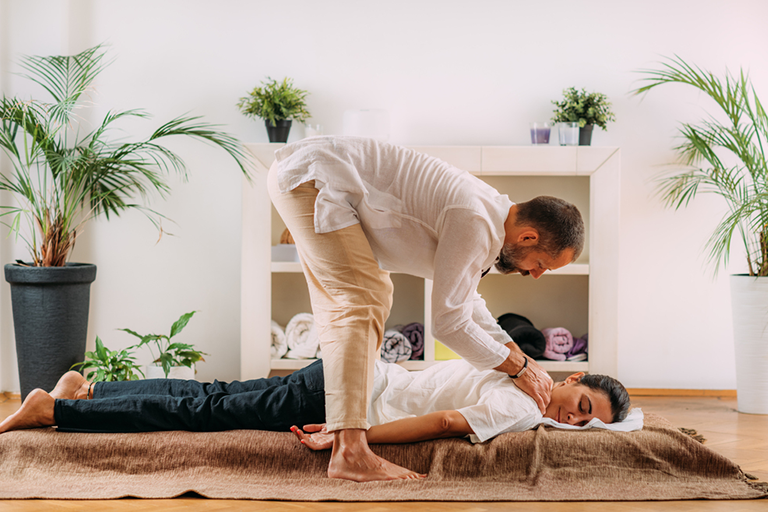
Palming and Thumb Pressure: Applying pressure along Sen lines to release tension.
-
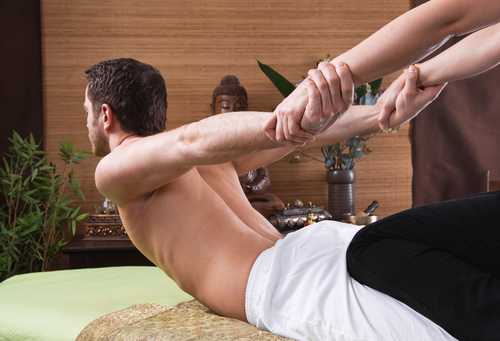
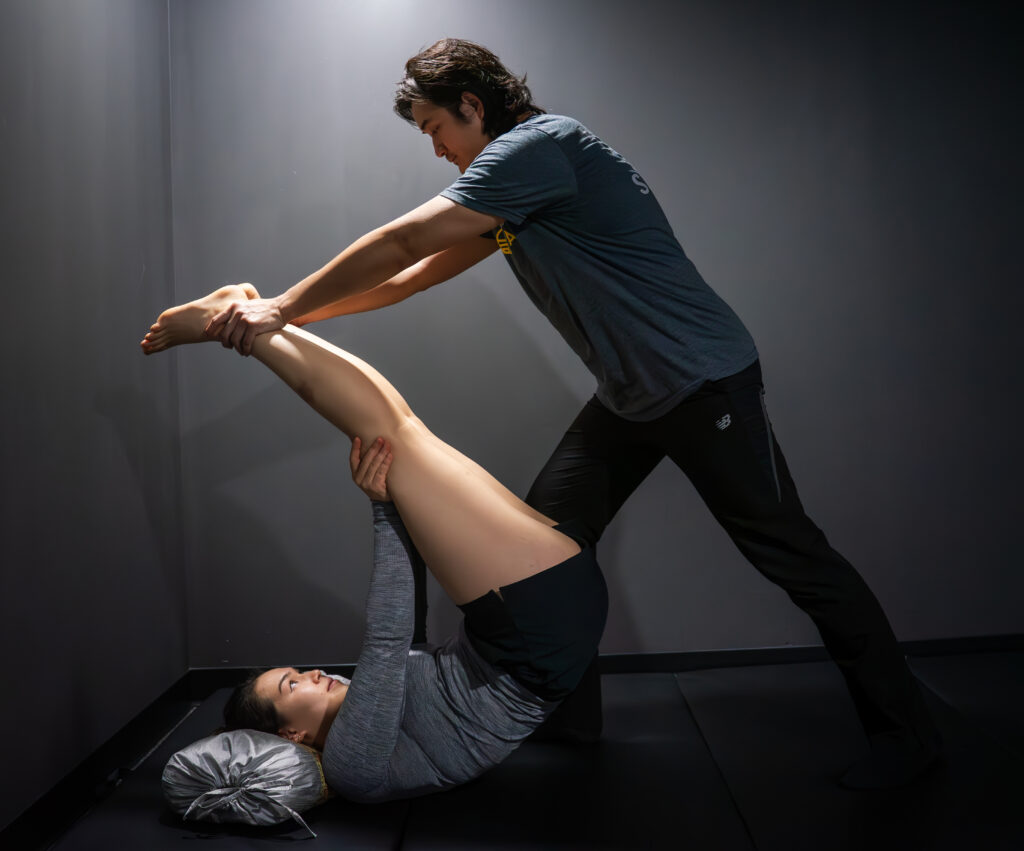
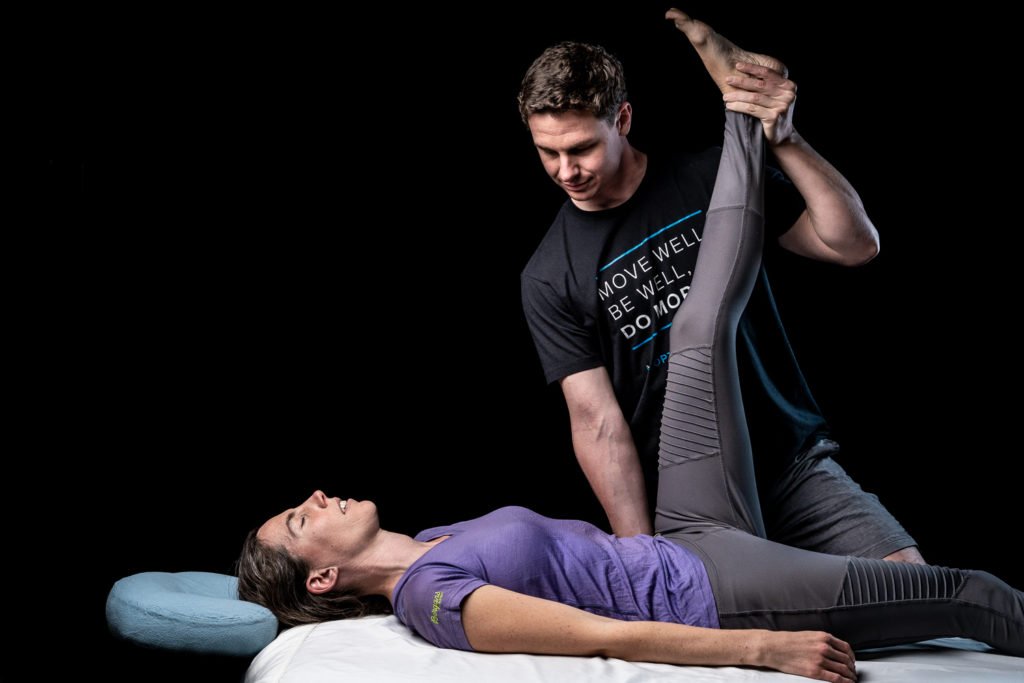
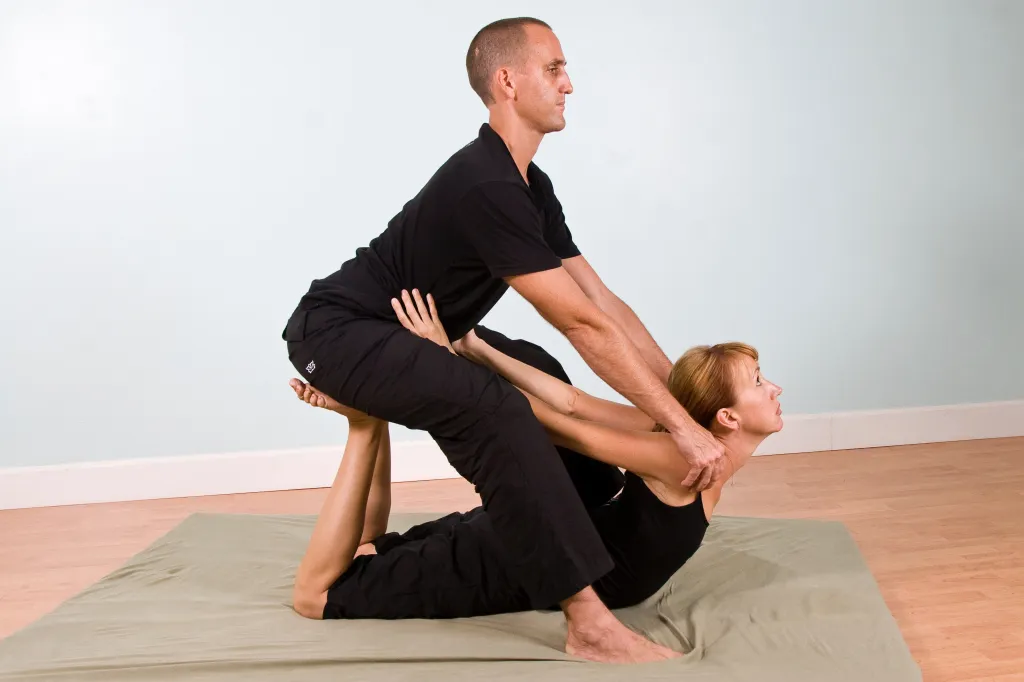
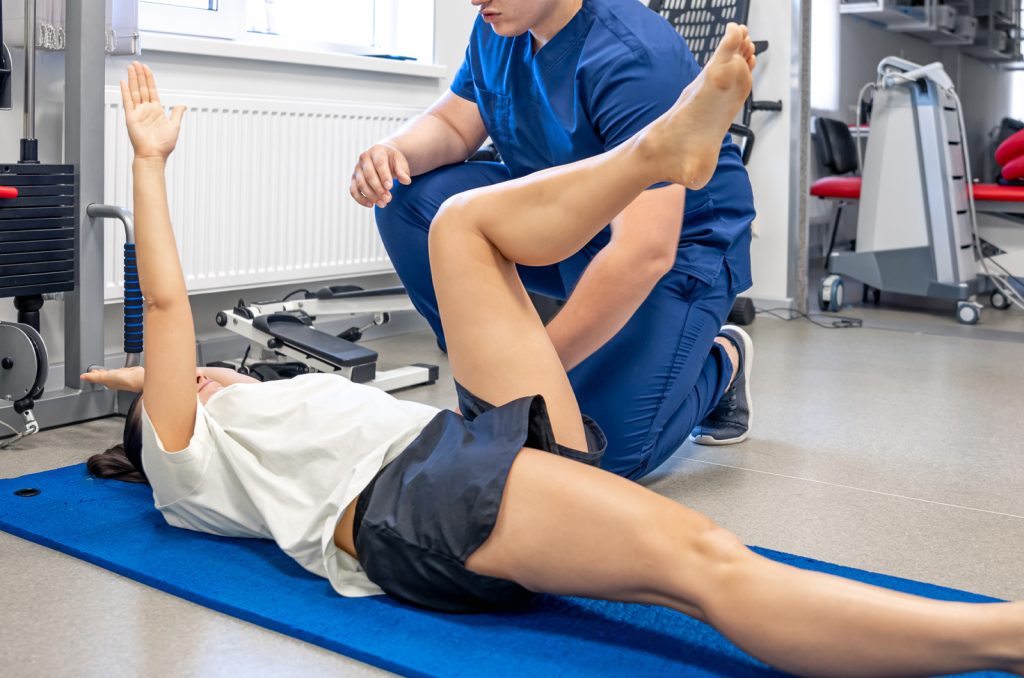
Assisted Stretching: Guiding the client through yoga-like stretches to improve flexibility.
-
Gentle Rocking and Oscillation: Helps relax muscles and stimulate circulation.
-
Joint Mobilization: Enhances mobility and alignment.
-
Rhythmic Flow: Integrating movements for relaxation and energy balance.
Students practice these techniques repeatedly to develop precision, timing, and sensitivity to clients’ needs.
3. Therapeutic Applications
Training emphasizes understanding client needs, including stress relief, pain management, flexibility improvement, and holistic wellness. Students learn how to adapt techniques for different body types, conditions, and preferences, ensuring a personalized experience.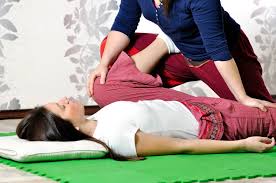
4. Mindfulness and Energy Awareness
A significant aspect of Thai massage training is cultivating mindfulness and awareness of energy flow. Students are trained to focus on breathing, body alignment, and client response, creating a meditative, therapeutic environment.
5. Safety and Professional Practices
Training includes safety protocols, hygiene standards, and professional ethics, ensuring that students provide care responsibly and maintain a respectful client-therapist relationship.
Benefits of Thai Massage Training
Training in Thai massage offers benefits beyond professional certification:
1. Hands-On Experience
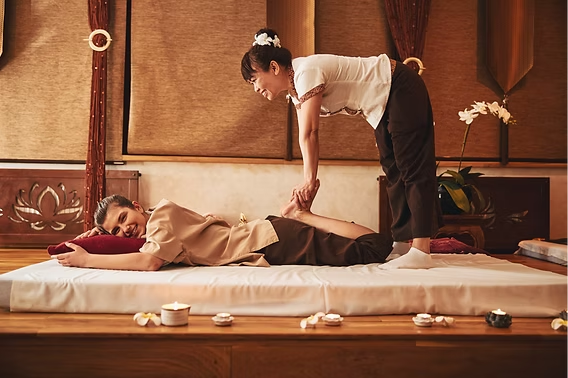
Students gain practical experience applying techniques to live models, which helps build confidence, skill, and adaptability.
2. Physical Fitness and Body Awareness
Practicing Thai massage improves strength, flexibility, and posture, as the therapist uses body mechanics to safely perform stretches and pressure work.
3. Mental Clarity and Mindfulness
The meditative nature of Thai massage training enhances focus, patience, and mindfulness, benefiting both personal well-being and professional performance.
4. Holistic Understanding of Wellness
Students gain insights into traditional healing philosophies, energy work, and the mind-body connection, deepening their understanding of wellness practices.
5. Career Opportunities
Completing formal Thai massage training opens doors to spa, wellness, rehabilitation, and holistic health careers, both locally and internationally. Certified therapists may work in resorts, wellness centers, or even establish private practices.
What to Expect During a Thai Massage Training Program
Training programs vary in length and intensity, ranging from short workshops to multi-week or multi-month certifications. Students can typically expect:
-
Orientation and Introduction: Overview of Thai massage history, philosophy, and foundational principles.
-
Demonstrations: Instructors show techniques step-by-step, explaining the purpose and body mechanics.
-
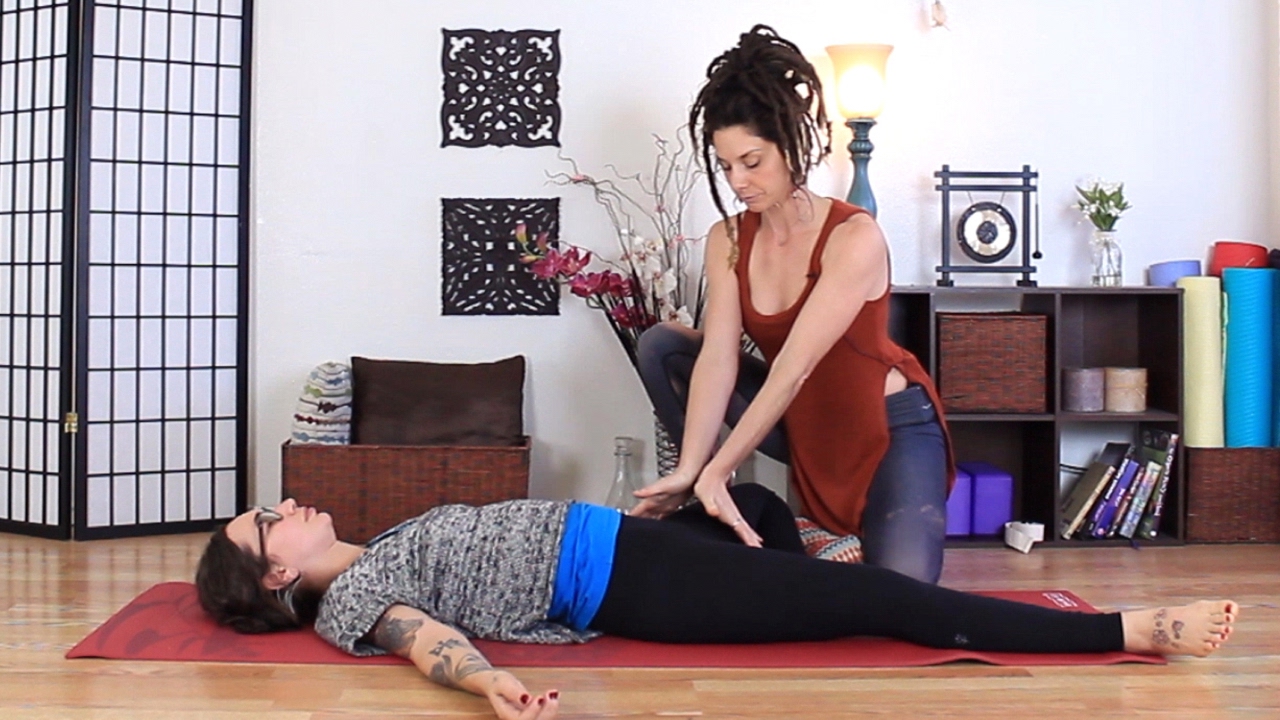
Hands-On Practice: Students practice techniques on peers under supervision to refine skill and pressure application.
-
Assessment: Students are evaluated on technique, safety, client handling, and professionalism.
-
Certification: Successful completion may lead to certification recognized in professional wellness and spa environments.
Training may also include specialized modules, such as deep tissue Thai massage, prenatal Thai massage, or therapeutic applications for athletes and seniors.
Tips for Thai Massage Students
-
Wear Comfortable Clothing: Loose attire allows free movement during practice.
-
Practice Body Mechanics: Use your body weight and proper posture to avoid fatigue or injury.
-
Communicate Effectively: Give and receive feedback to improve technique and sensitivity.
-
Focus on Mindfulness: Pay attention to breathing, client response, and energy flow.
-
Be Patient: Mastery of techniques takes time, practice, and dedication.
Who Should Consider Thai Massage Training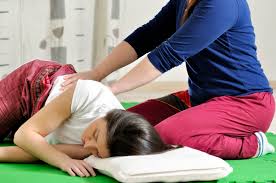
Thai massage training is ideal for:
-
Aspiring massage therapists and wellness practitioners
-
Yoga instructors and fitness professionals seeking complementary skills
-
Individuals interested in holistic health and traditional therapies
-
People looking to improve flexibility, mindfulness, and body awareness
-
Professionals aiming to work in spas, wellness centers, or rehabilitation clinics
Conclusion
Training in traditional Thai massage offers more than professional certification—it provides a deep understanding of holistic wellness, body mechanics, and therapeutic techniques. By learning the art of Thai massage, students gain practical skills, mental clarity, mindfulness, and physical awareness. Whether you aspire to become a certified therapist or explore personal well-being, Thai massage training equips you with the knowledge and experience to practice safely and effectively.
Understanding what to expect—from learning Sen lines and massage techniques to hands-on practice and energy awareness—prepares students for a rewarding journey in the ancient art of Thai massage. With dedication and practice, Thai massage training can become a transformative experience, enhancing both personal wellness and professional opportunities in the thriving field of holistic health.
Read Also: Keep your face towards the sunshine and shadows will fall behind you
Watch Also: https://www.youtube.com/@TravelsofTheWorld24



Leave a Reply