
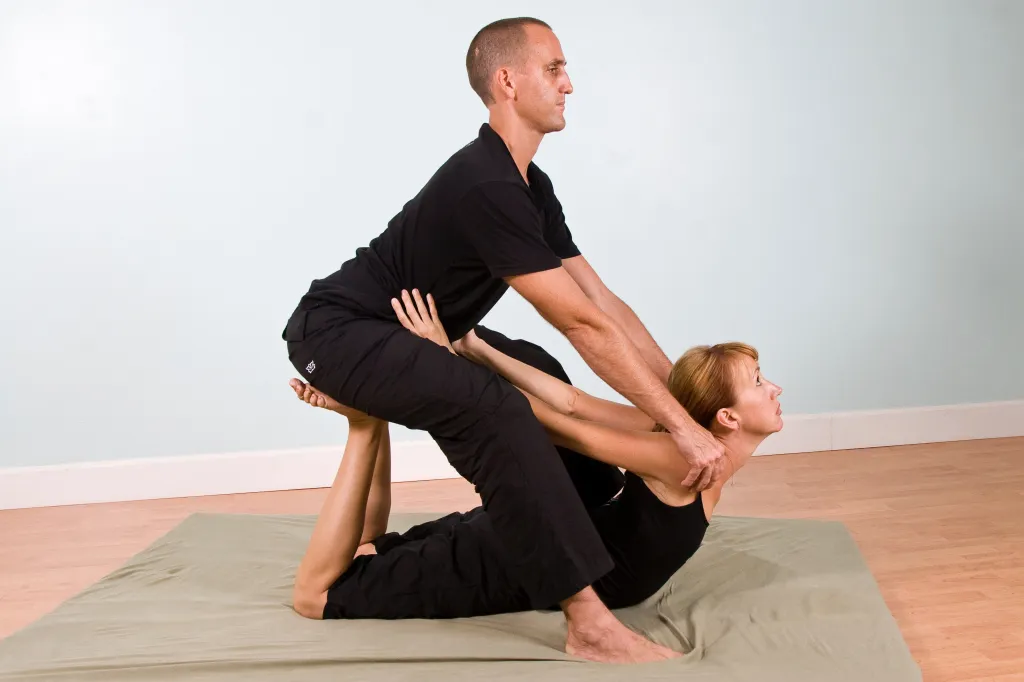
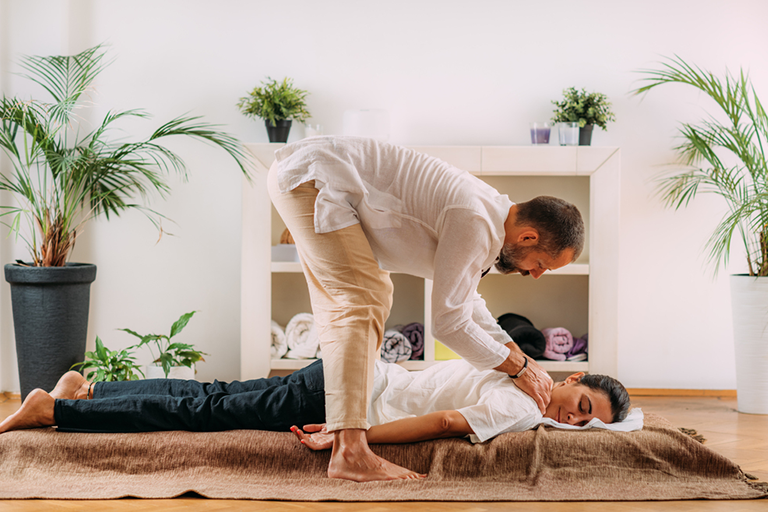
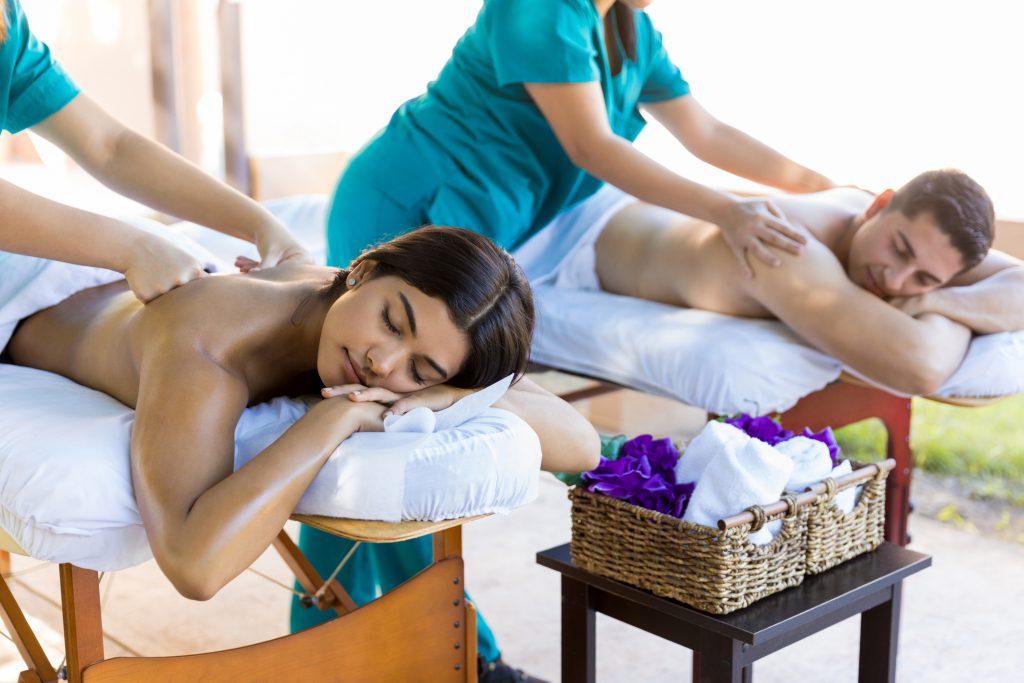
Traditional Thai massage, also known as Nuad Thai or Thai Yoga Massage, is an ancient healing practice designed to restore balance, enhance flexibility, and promote deep relaxation throughout the entire body. Unlike oil-based Western massage therapies, Thai massage is performed on a floor mat with the client fully clothed. It combines rhythmic pressure, assisted stretching, acupressure, and mindful movement into a flowing routine that nurtures both physical and mental well-being.
This article demonstrates a complete traditional Thai massage routine step by step, explaining how each phase contributes to full-body relaxation and holistic healing.
Understanding the Flow of a Traditional Thai Massage
A traditional Thai massage routine follows a structured sequence, usually beginning with the feet and progressing upward toward the head. This methodical flow helps improve circulation, calm the nervous system, and balance energy lines known as Sen. Each movement is performed slowly and rhythmically, with the therapist using body weight rather than muscular force.
Breath awareness and mindfulness are central to the practice, allowing the session to become a meditative experience for both the practitioner and the receiver.
Step 1: Centering and Preparation
Before the massage begins, the therapist takes a moment to center themselves through deep breathing or a short meditation. This step sets the intention for healing and relaxation.
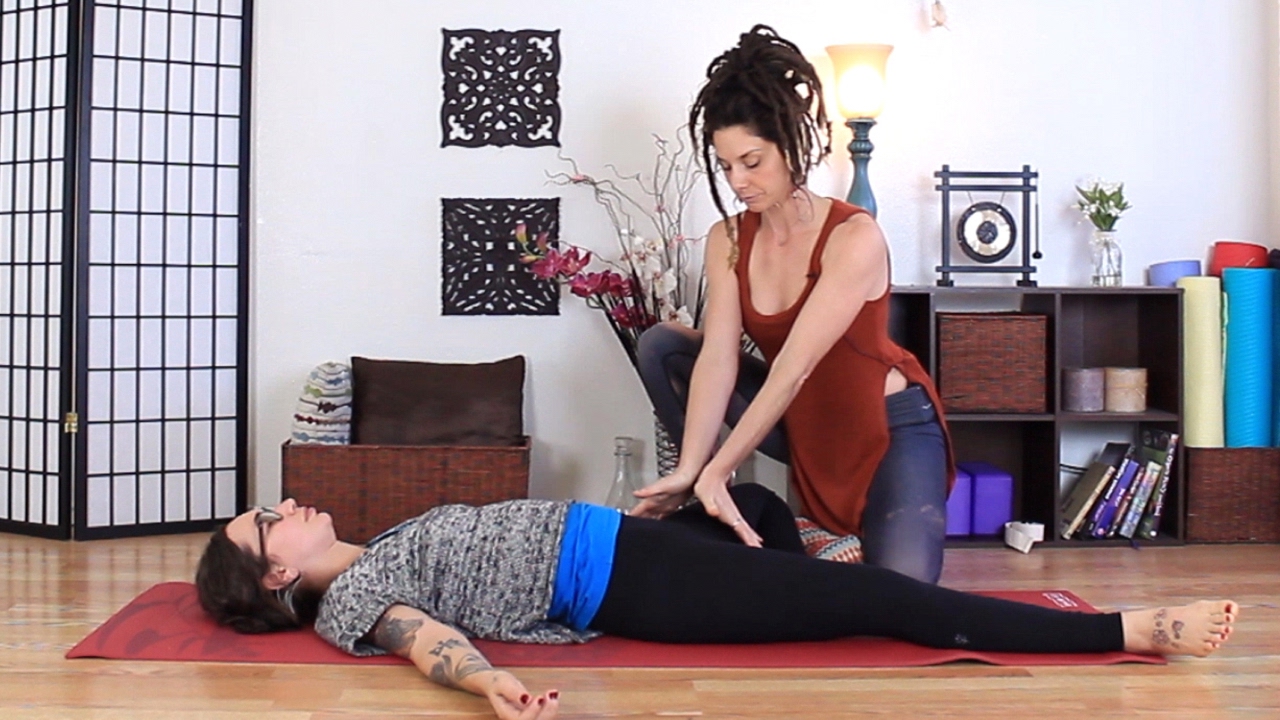
The client lies comfortably on a padded mat in loose clothing. Gentle palming on the abdomen or legs may be used to help the client settle and prepare for the treatment.
Benefits:
-
Establishes trust and comfort
-
Calms the mind
-
Prepares the body for deeper work
Step 2: Foot and Lower Leg Techniques
The routine traditionally starts at the feet, as they contain numerous reflex points connected to the entire body.
Techniques Used:
-
Thumb pressure along the soles
-
Palming along the arches and heels
-
Gentle ankle rotations
-
Compression along the calves
Benefits:
-
Improves circulation
-
Relieves fatigue
-
Grounds the body
-
Stimulates energy flow through Sen lines
This phase helps release tension stored from standing, walking, or daily stress.
Step 3: Leg Compression and Stretching
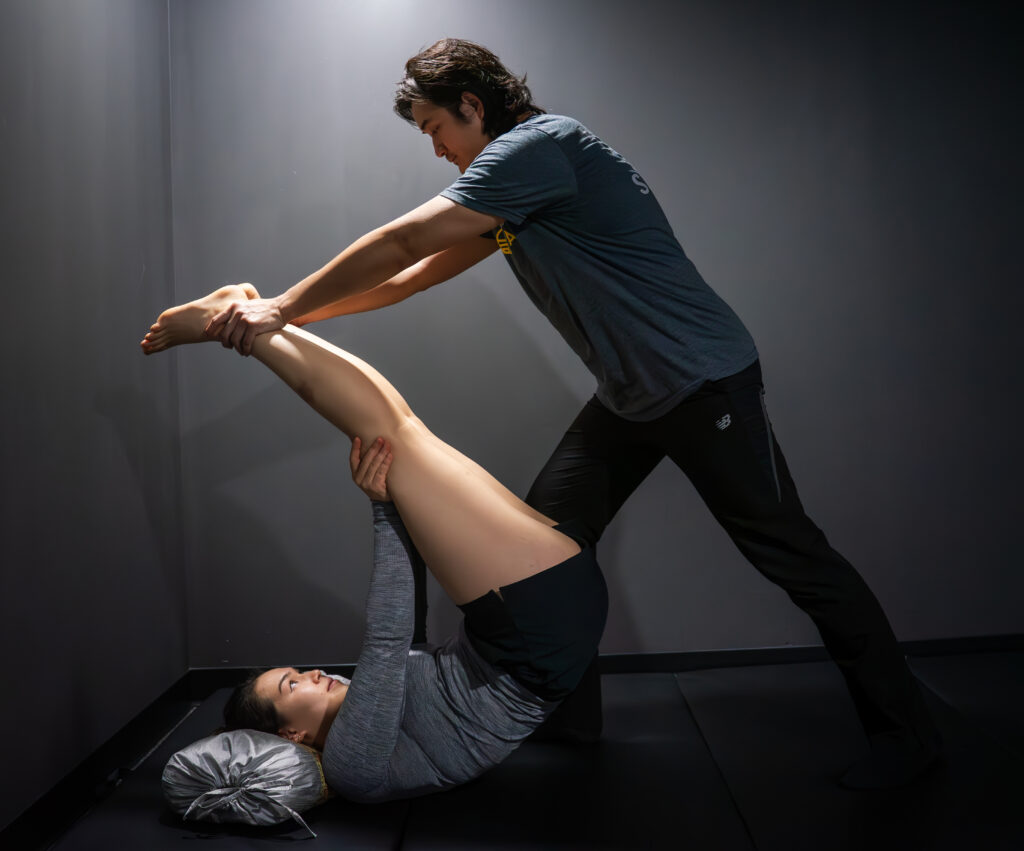
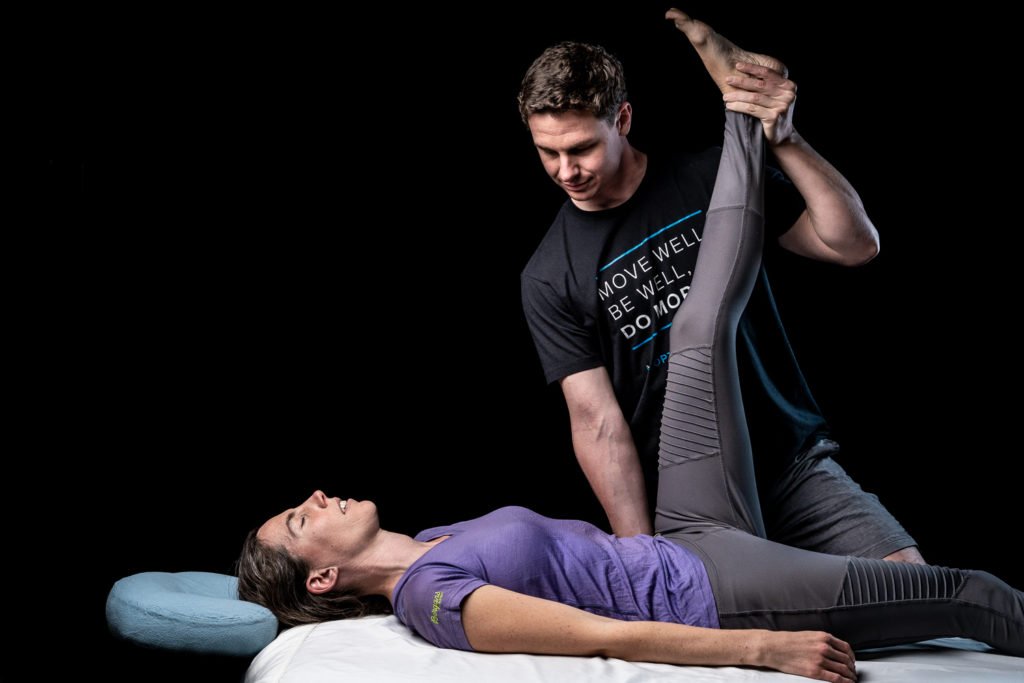
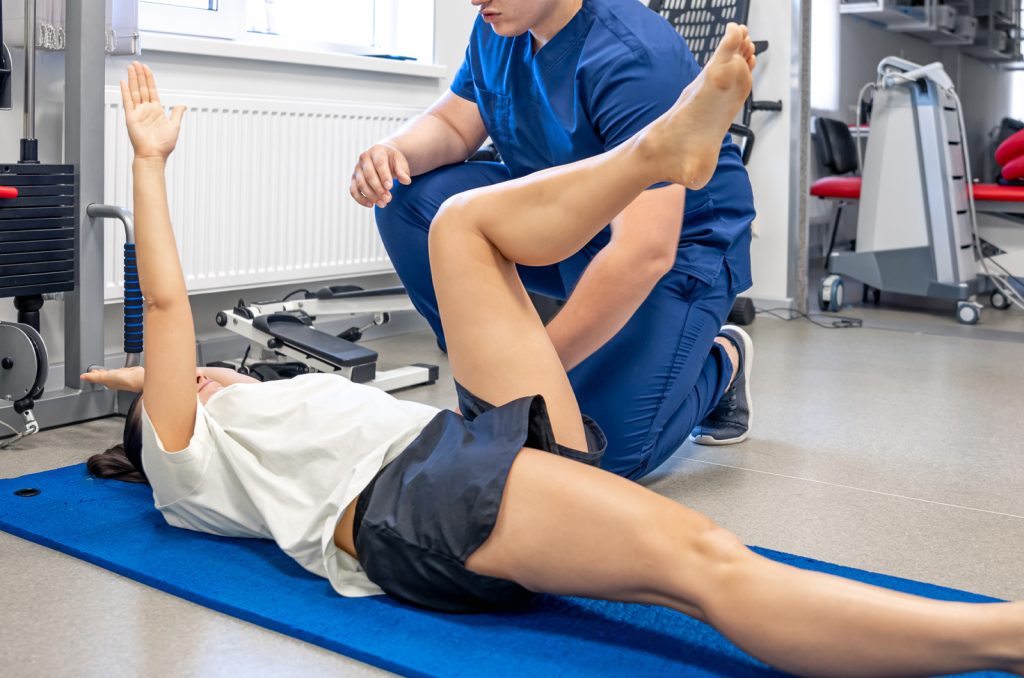
Moving upward, the therapist works on the thighs using rhythmic compression and assisted stretches.
Techniques Used:
-
Palming along inner and outer leg lines
-
Knee or forearm compression for deeper pressure
-
Gentle hamstring and hip stretches
Benefits:
-
Releases deep muscular tension
-
Improves flexibility
-
Supports hip and lower back health
This stage is essential for athletes and individuals with sedentary lifestyles alike.
Step 4: Hip and Pelvic Area Work
The hips are a common area of stored emotional and physical tension. Thai massage addresses this region carefully and respectfully.
Techniques Used:
-
Rocking movements
-
Assisted hip opening stretches
-
Compression around the pelvic muscles
Benefits:
-
Enhances mobility
-
Reduces lower back pain
-
Encourages emotional release
Therapists adjust pressure and range of motion according to the client’s comfort level.
Step 5: Abdominal and Side Body Techniques
In traditional practice, gentle abdominal work is included to support digestion and energy flow.
Techniques Used:
-
Soft palming around the abdomen
-
Side body stretching
-
Rib cage expansion movements
Benefits:
-
Supports digestion
-
Improves breathing capacity
-
Balances internal energy
This phase is performed slowly and mindfully, encouraging deep relaxation.
Step 6: Back Compression and Stretching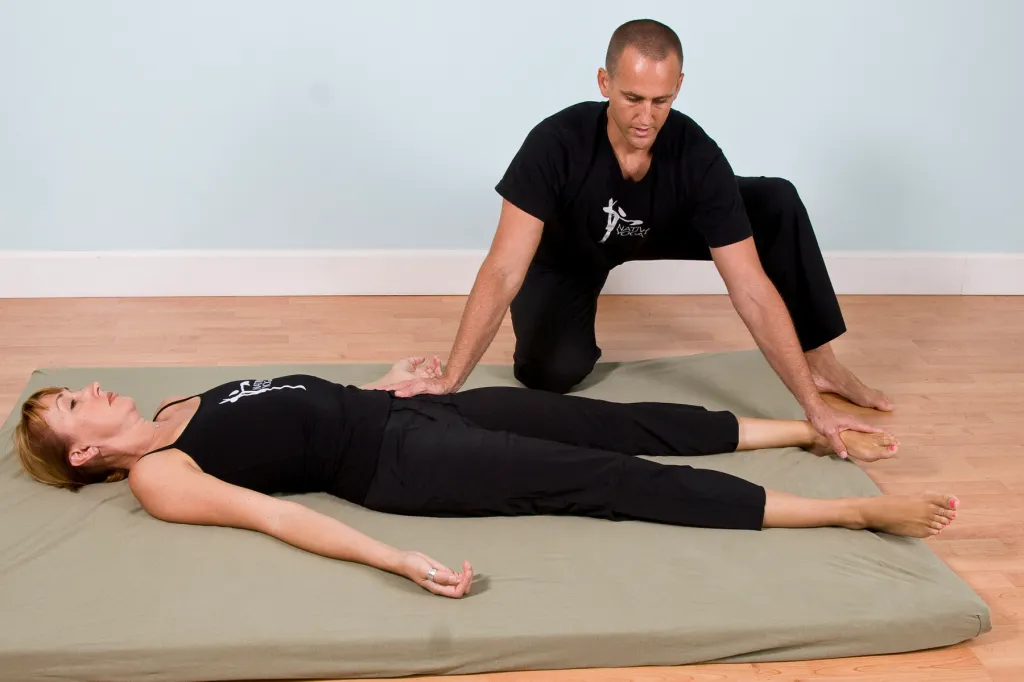
The client is guided into a prone or side-lying position to work on the back.
Techniques Used:
-
Palming along the spine
-
Forearm or knee compression on large muscles
-
Gentle spinal twists and back stretches
Benefits:
-
Relieves back pain
-
Improves posture
-
Releases tension from the spine
The therapist maintains a steady rhythm, allowing the body to soften and open.
Step 7: Shoulder, Arm, and Hand Work
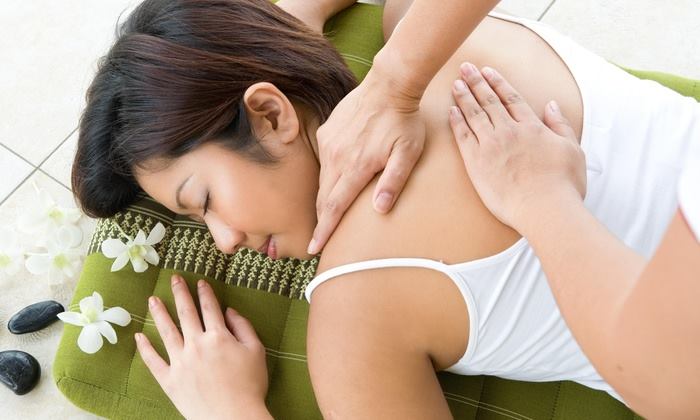
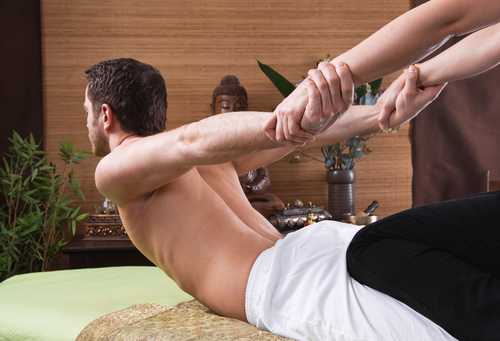
The shoulders and arms often hold tension from repetitive movements and stress.
Techniques Used:
-
Thumb pressure along arm Sen lines
-
Shoulder rocking and stretching
-
Palm compression on hands and fingers
Benefits:
-
Reduces neck and shoulder stiffness
-
Improves circulation
-
Restores range of motion
This stage helps relieve tension commonly associated with desk work and mobile device use.
Step 8: Neck and Head Techniques
The massage concludes with gentle work on the neck, face, and head.
Techniques Used:
-
Soft neck stretches
-
Thumb pressure at the base of the skull
-
Scalp massage
Benefits:
-
Relieves headaches
-
Calms the nervous system
-
Encourages mental clarity
This final phase induces a deep state of relaxation and tranquility.
Step 9: Closing and Integration
The therapist gradually reduces pressure and allows the client to rest quietly for a few moments. Gentle palming or stillness helps integrate the effects of the massage.
Clients are encouraged to rise slowly and drink water afterward to support detoxification.
Duration and Customization of the Routine
A full traditional Thai massage typically lasts 60 to 120 minutes, depending on the client’s needs. The routine can be adapted for:
-
Elderly clients
-
Beginners
-
Athletes
-
Clients with injuries or limitations
Communication between therapist and client ensures a safe and effective session.
Benefits of a Full Traditional Thai Massage Routine
-
Deep physical relaxation
-
Improved flexibility and posture
-
Enhanced energy flow
-
Stress and anxiety reduction
-
Better sleep quality
-
Overall sense of balance and well-being
Who Should Consider Traditional Thai Massage?
Traditional Thai massage is ideal for individuals seeking a holistic, non-oil-based therapy that addresses both physical and energetic imbalances. However, those with certain medical conditions, recent surgeries, or pregnancy should consult a healthcare professional before treatment.
Conclusion
A traditional Thai massage routine is a carefully choreographed sequence that harmonizes body, breath, and energy. By working from the feet to the head and integrating compression, stretching, and mindfulness, this ancient practice delivers full-body relaxation and lasting wellness benefits.
Whether experienced as a therapeutic treatment or a meditative ritual, traditional Thai massage remains a powerful and time-tested approach to holistic healing.
Read Also: Keep your face towards the sunshine and shadows will fall behind you
Watch Also: https://www.youtube.com/@TravelsofTheWorld24



Leave a Reply