

The essence of Thai massage lies in its holistic philosophy, which views the body as a connected system of muscles, joints, and energy pathways. Central to this philosophy are the Sen lines, or energy channels, along which life force energy flows. Blockages or stagnation along these lines can lead to physical pain, fatigue, or emotional imbalance. Thai massage aims to release these blockages, restore energy flow, and enhance overall vitality.
Key aspects of the essence include:
-
Mind-Body Connection: Thai massage emphasizes awareness of breathing, movement, and energy flow, creating a meditative experience.
-
Energy Healing: By working along Sen lines, therapists aim to restore balance and promote the body’s natural healing capacity.
-
Holistic Wellness: The therapy addresses not only muscular tension but also mental stress and emotional tension.
-
Prevention and Maintenance: Regular sessions promote long-term health and resilience rather than just treating immediate symptoms.
The essence of Thai massage is what differentiates it from other massage forms—it is not just a physical therapy but a meditative, energetic, and restorative practice.
The Form of Thai Massage
The form of Thai massage refers to its practical techniques and structured application. Unlike Western massage, which primarily targets muscles, Thai massage integrates movement, acupressure, and assisted stretches to create a dynamic, full-body experience.
Key elements of the form include:
1. Palming and Thumb Pressure
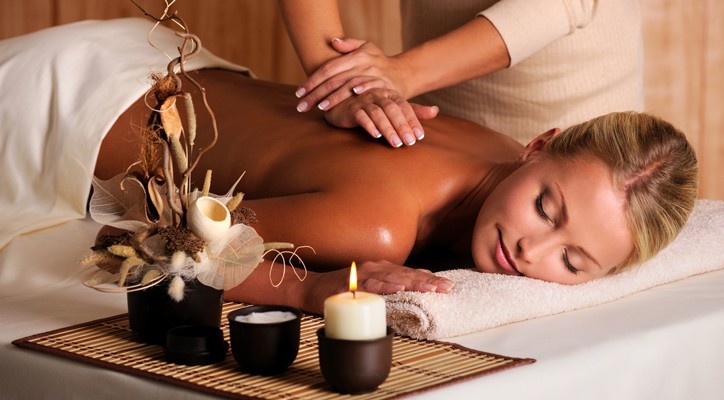
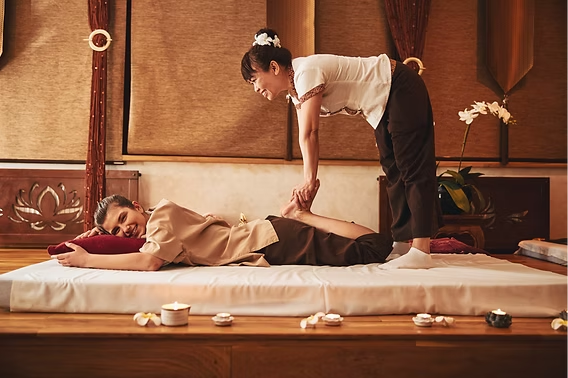
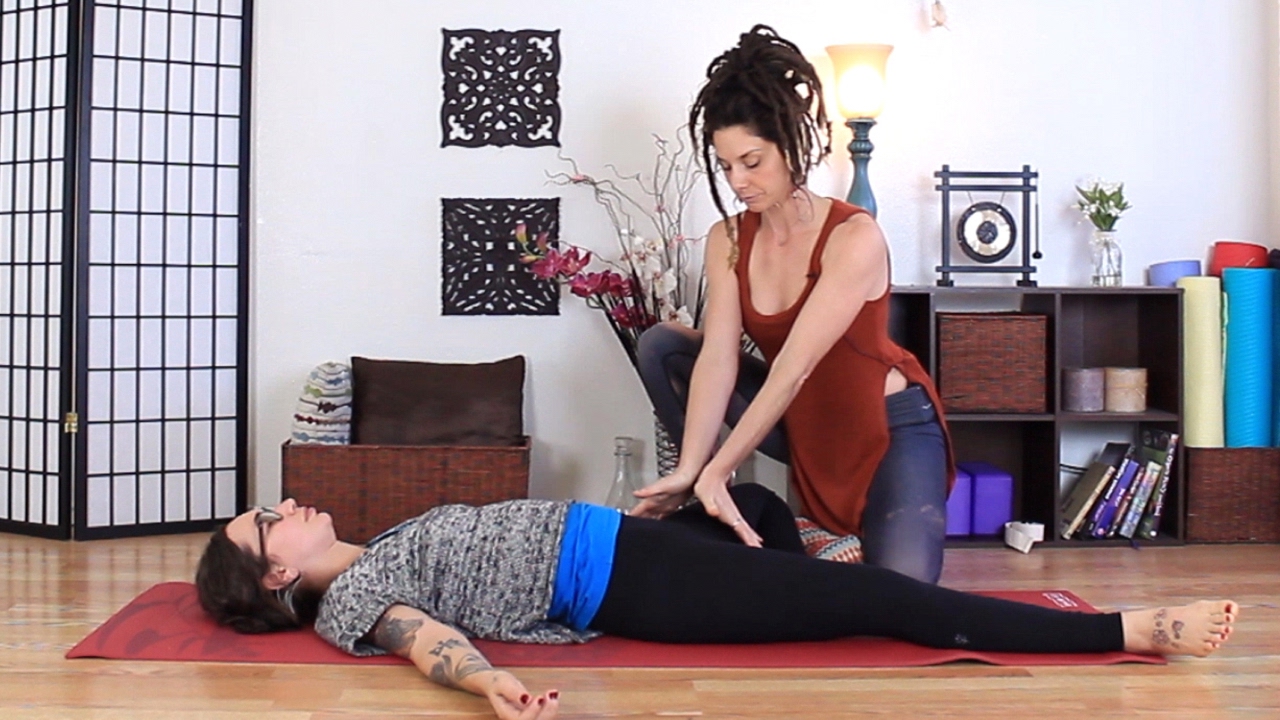
Therapists use their palms, thumbs, elbows, and sometimes feet to apply pressure along Sen lines. This helps release tension, stimulate circulation, and enhance energy flow. Unlike deep tissue massage, the pressure is often applied rhythmically and mindfully, combining strength with sensitivity.
2. Assisted Stretching
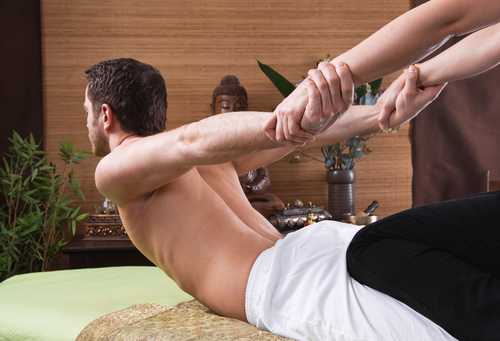
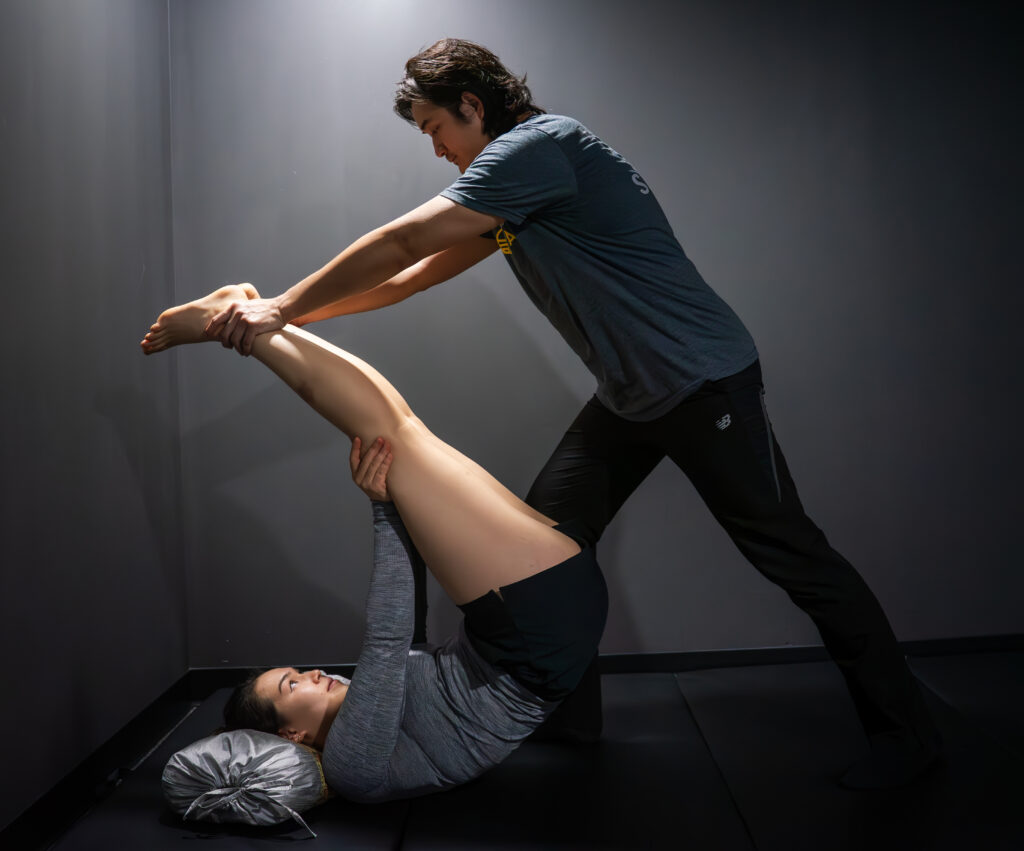
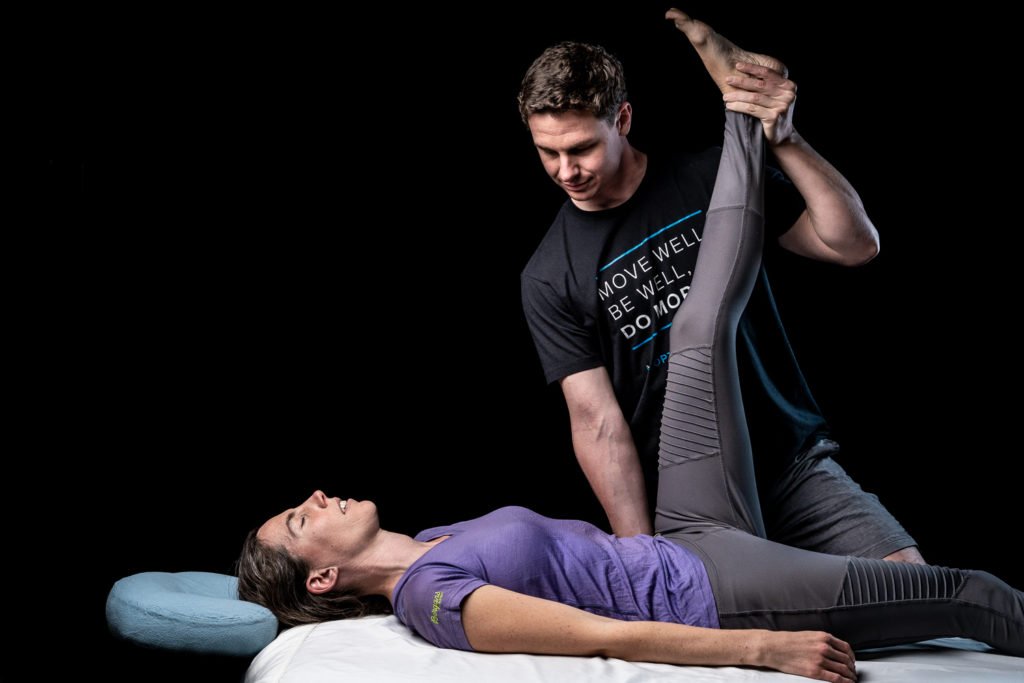
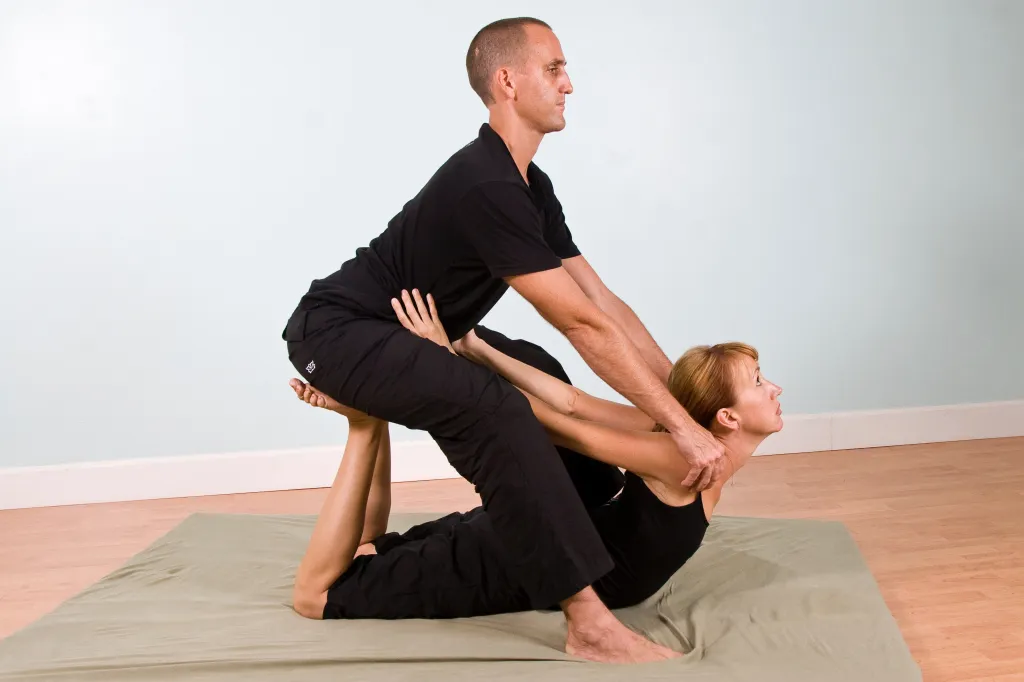
Thai massage incorporates yoga-inspired stretches that increase flexibility, range of motion, and joint mobility. Clients remain fully clothed, and the therapist guides the body into stretches that may resemble yoga postures, ensuring safety and support.
3. Rhythmic Rocking and Oscillation
Gentle rocking movements help relax muscles, soothe the nervous system, and promote energy flow. This rhythmic aspect contributes to the meditative quality of Thai massage, making it as mentally restorative as it is physically therapeutic.
4. Joint Mobilization
Therapists manipulate joints gently to enhance alignment, relieve stiffness, and improve mobility. This approach supports overall posture and can prevent chronic strain or injury.
5. Flow Sequences
Movements are often performed in continuous sequences, creating a fluid experience similar to a guided yoga session. This enhances relaxation, supports energy balance, and improves overall coordination.
Benefits of Thai Massage
Thai massage offers numerous benefits that reflect its holistic nature:
Physical Benefits
-
Flexibility and Mobility: Assisted stretches lengthen muscles and improve joint range of motion.
-
Pain Relief: Pressure along Sen lines releases muscular tension and alleviates chronic pain, especially in the back, shoulders, and neck.
-
Improved Circulation: Rhythmic movements enhance blood and lymph flow, supporting tissue health and detoxification.
-
Posture Correction: Stretching and joint mobilization help realign the spine and release tension caused by poor posture.
Mental and Emotional Benefits
-
Stress Reduction: Thai massage activates the parasympathetic nervous system, lowering cortisol levels and promoting relaxation.
-
Mental Clarity: Mindful awareness during sessions enhances focus, calmness, and mental clarity.
-
Emotional Balance: The holistic approach addresses emotional tension, leaving clients feeling centered and rejuvenated.
Holistic Benefits
-
Energy Balance: Working along Sen lines promotes the free flow of energy throughout the body.
-
Preventive Health: Regular sessions support long-term wellness, resilience, and vitality.
-
Integration of Mind and Body: Combines meditative practices, movement, and touch for comprehensive well-being.
Who Can Benefit from Thai Massage
Thai massage is suitable for a wide range of individuals, including:
-
People experiencing stress, fatigue, or mental tension
-
Individuals with muscle stiffness, chronic pain, or postural issues
-
Athletes and physically active people seeking enhanced flexibility and recovery
-
Anyone interested in holistic wellness and energy balance
Precautions: Individuals with serious medical conditions, fractures, or high-risk health concerns should consult a healthcare professional before receiving Thai massage.

What to Expect During a Thai Massage Session
A typical Thai massage session lasts 60 to 90 minutes and may follow this general flow:
-
Initial Consultation: Therapist discusses medical history, areas of tension, and wellness goals.
-
Warm-Up: Gentle rocking and light stretches to prepare the body.
-
Core Massage Techniques: Palming, thumb pressure, assisted stretches, joint mobilization, and flow sequences are applied.
-
Cool Down: Session concludes with slower movements and time for integration of benefits.
Clients are encouraged to breathe deeply and communicate with the therapist regarding pressure, comfort, and any areas requiring focus.
Tips for Maximizing the Benefits
-
Wear Comfortable Clothing: Loose attire allows freedom for stretches and movements.
-
Hydrate Before and After: Supports circulation and detoxification.
-
Practice Mindful Breathing: Enhances relaxation and mind-body awareness.
-
Communicate Needs: Inform the therapist about sensitive areas or discomfort.
-
Schedule Regular Sessions: Consistency improves flexibility, stress management, and overall health.
Conclusion
The essence and form of Thai massage together define its unique therapeutic power. The essence embodies energy balance, holistic healing, and mind-body integration, while the form represents the practical application of techniques, including assisted stretches, acupressure, and rhythmic sequences.
Thai massage is not only a physical therapy but also a meditative, energy-based, and preventive practice. It offers comprehensive benefits, including stress relief, flexibility enhancement, improved circulation, pain reduction, and emotional balance. Understanding both the essence and form enables clients and students alike to fully appreciate the transformative potential of this ancient healing art.
By exploring the philosophy, techniques, and holistic benefits, anyone can experience Thai massage as a journey of wellness, balance, and rejuvenation, making it an invaluable addition to modern health and lifestyle practices.
Read Also: Keep your face towards the sunshine and shadows will fall behind you
Watch Also: https://www.youtube.com/@TravelsofTheWorld24








Leave a Reply