
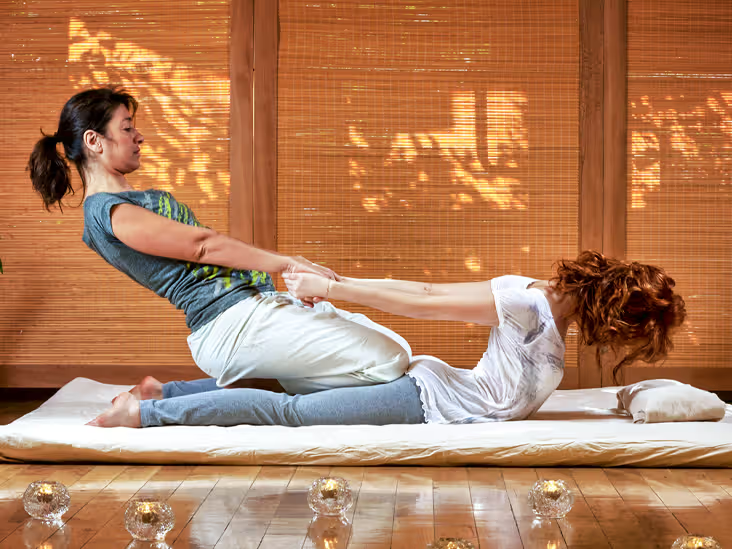
Thai massage, often referred to as “Thai yoga massage,” is a traditional healing practice that combines gentle stretching, acupressure, and rhythmic movements to restore balance and promote overall well-being. Originating in Thailand over 2,500 years ago, this ancient therapy has roots in Ayurvedic medicine and traditional Thai healing practices. Today, Thai massage is celebrated worldwide for its holistic benefits, addressing physical, mental, and emotional health simultaneously.
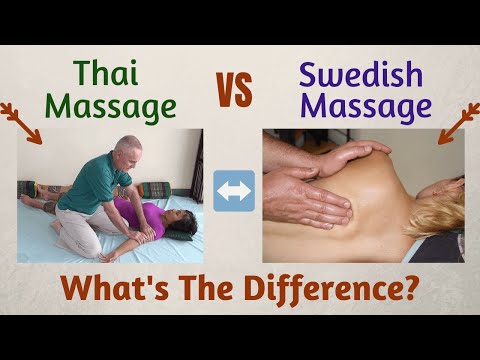
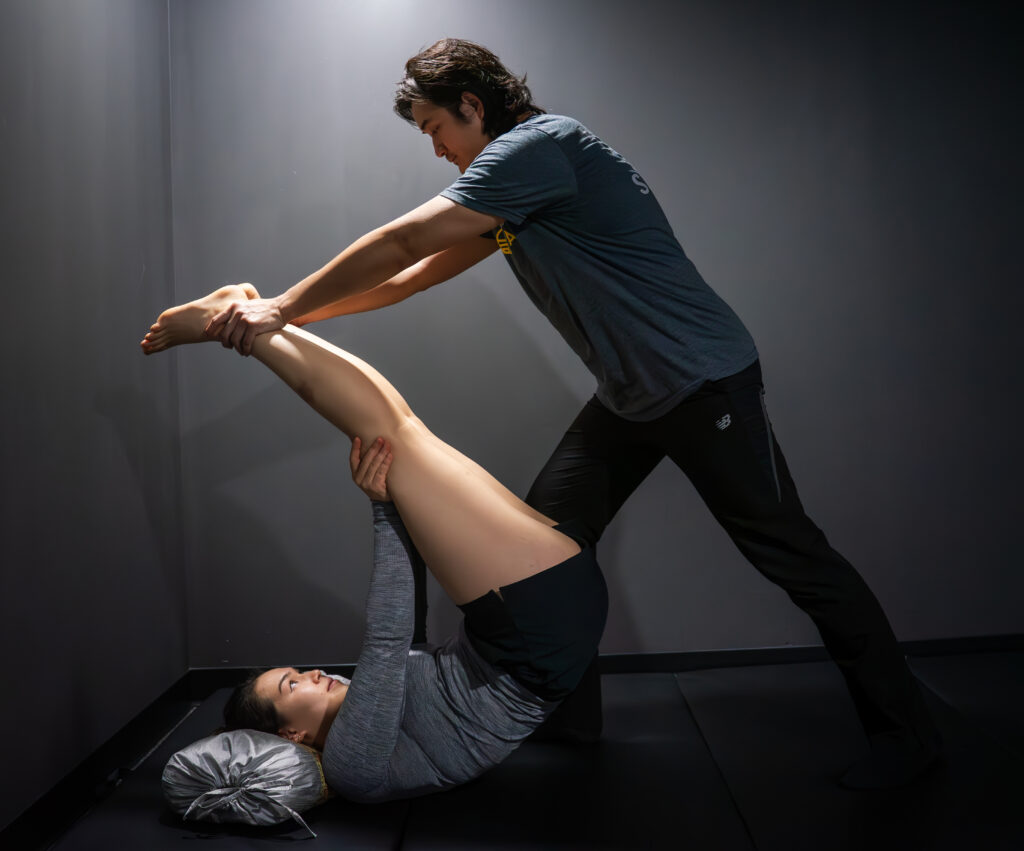
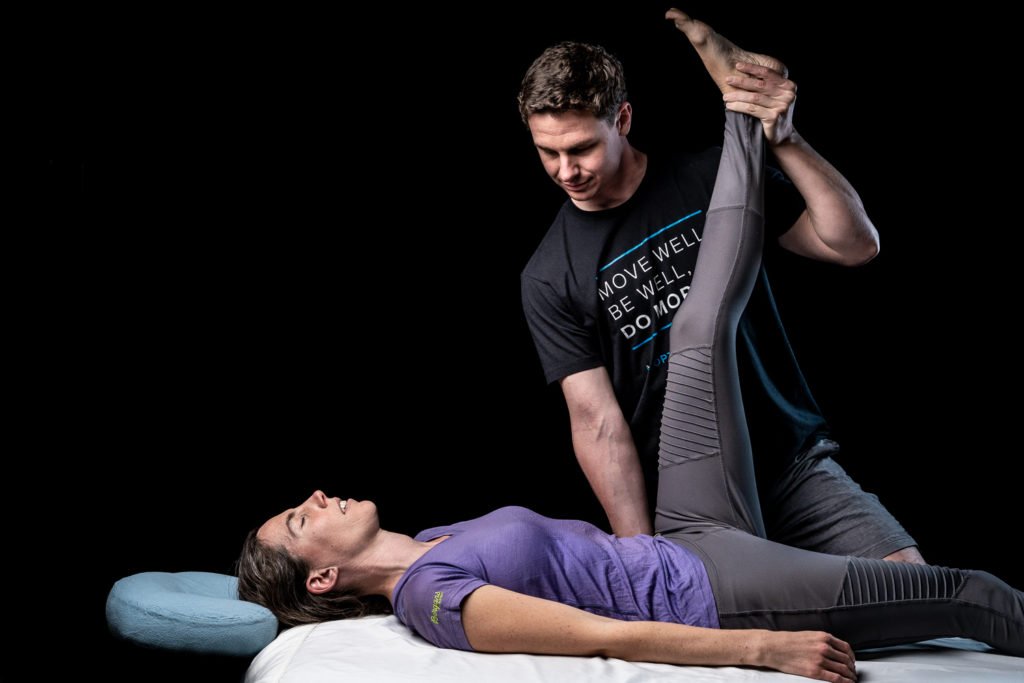
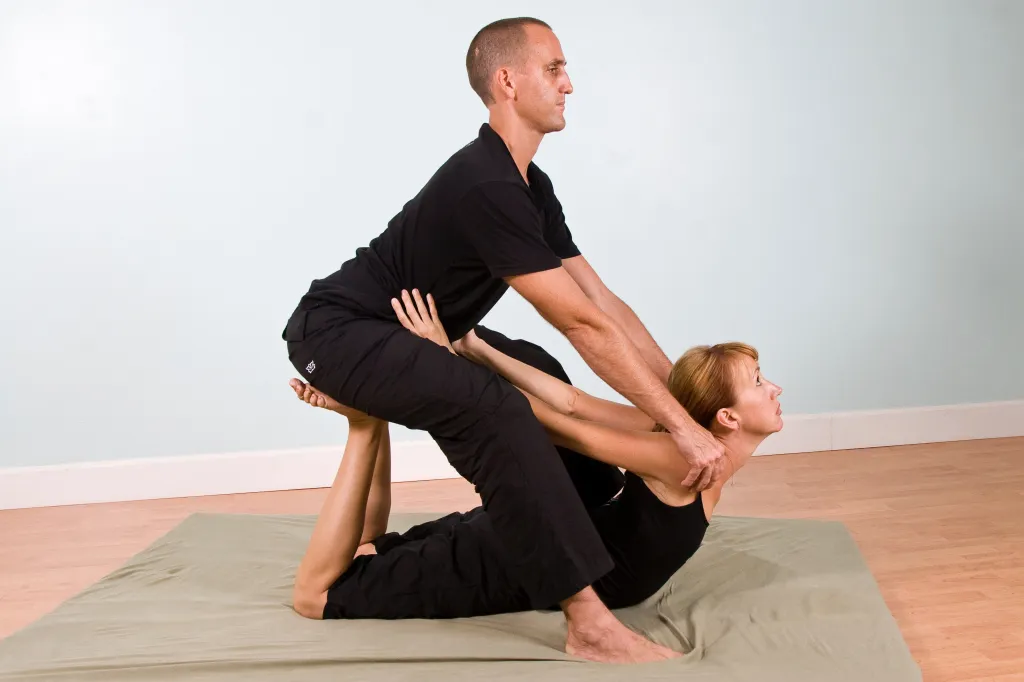
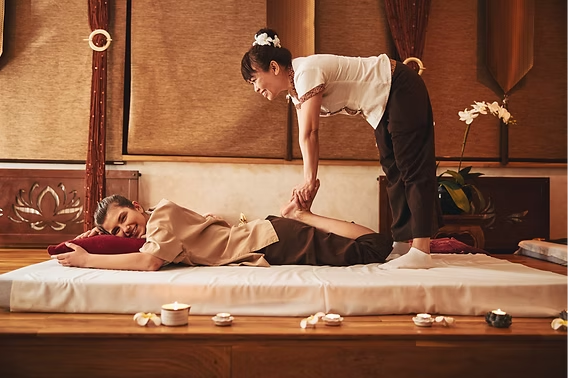
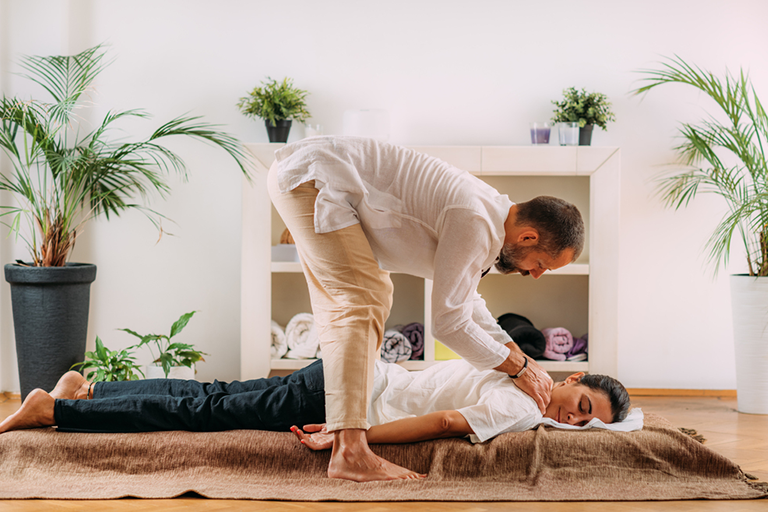
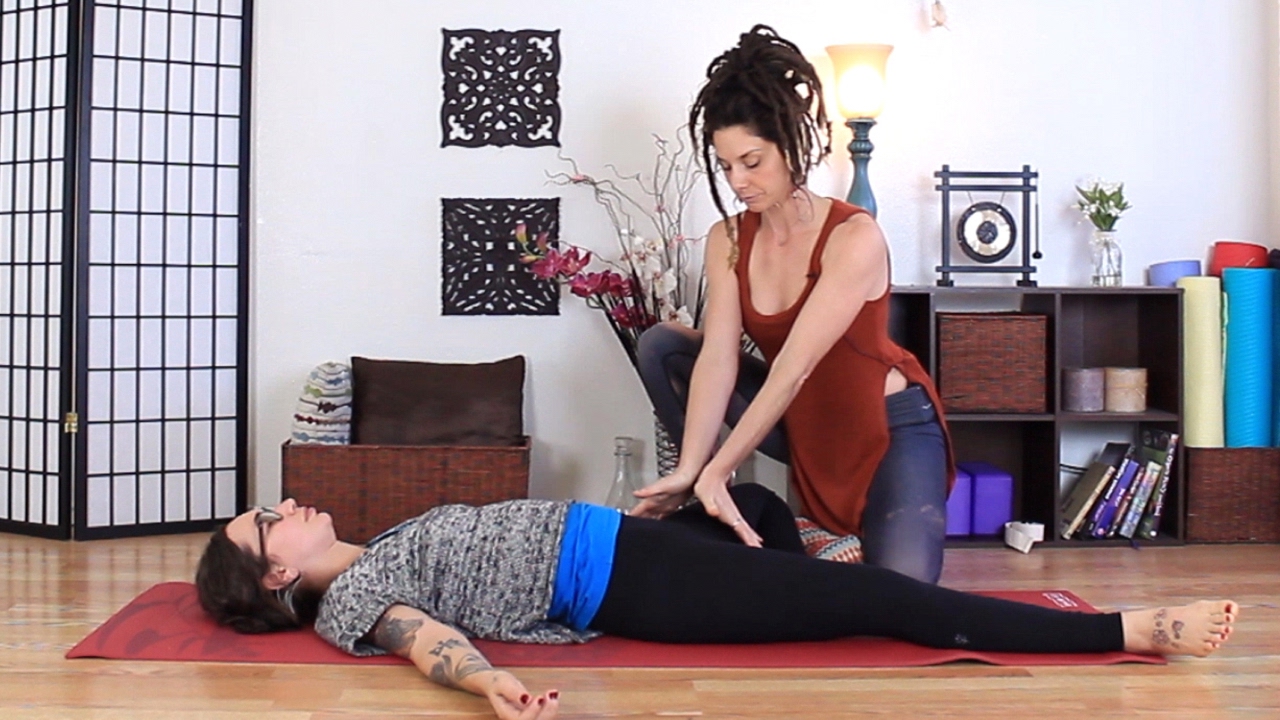
Unlike conventional Western massage, which focuses primarily on muscle relaxation, Thai massage integrates energy work, movement, and deep stretching. It is performed on a mat or low platform rather than a massage table, allowing the therapist to manipulate the client’s body fully. The process may involve assisted stretches, palm and thumb pressure, and sometimes even gentle rocking motions, creating a therapeutic experience similar to passive yoga.
Origins and Philosophy of Thai Massage
The foundations of Thai massage can be traced back to Buddhist monks and ancient healers who combined meditation, physical therapy, and energy work to support the body and mind. Thai massage is guided by the concept of “Sen” lines, which are energy pathways similar to meridians in Chinese medicine or nadis in Ayurveda. When these lines become blocked or stagnant, it is believed to cause tension, fatigue, or illness. Thai massage aims to restore energy flow, flexibility, and balance, enhancing both physical and emotional health.
The holistic philosophy behind Thai massage emphasizes prevention rather than treatment, encouraging regular practice to maintain wellness, reduce stress, and improve vitality.
Techniques Used in Thai Massage
Thai massage incorporates a combination of passive stretching, acupressure, and rhythmic movement. Unlike Western massages, the client remains fully clothed, allowing the therapist to move limbs through stretches and positions that mimic yoga postures. Key techniques include:
-
Palming and Thumb Pressure: Applying steady pressure along energy lines to release tension and promote energy flow.
-
Gentle Rocking: Helps relax muscles, stimulate circulation, and release tightness.
-
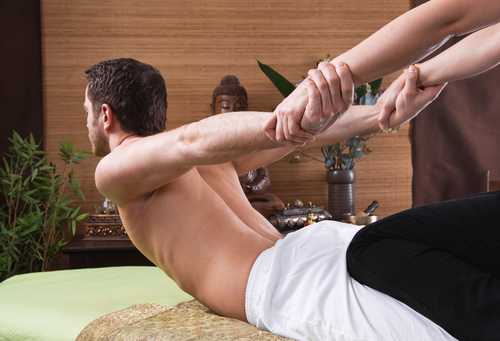
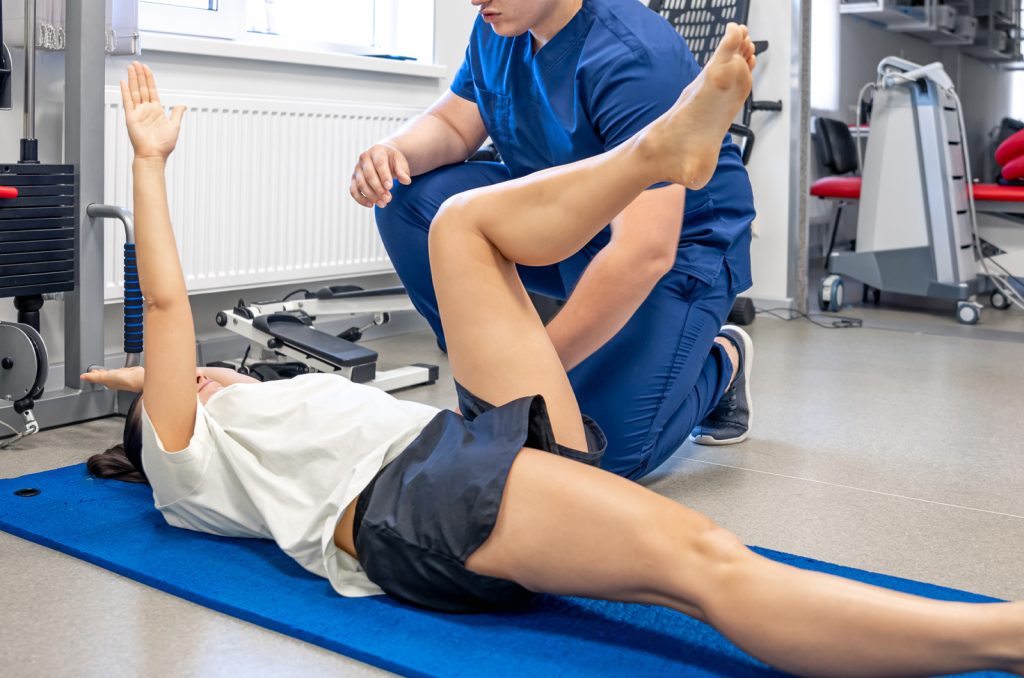
Passive Stretching: Therapist-assisted stretches enhance flexibility, mobility, and range of motion.
-
Rhythmic Movement: Smooth, flowing motions create relaxation and stimulate the body’s internal energy.
-
Joint Mobilization: Gentle manipulation of joints to improve alignment and reduce stiffness.
The combination of these techniques provides a full-body, mind-body experience, offering relaxation while simultaneously promoting muscular strength, flexibility, and energy balance.
Benefits of Thai Massage
Thai massage provides a wide array of physical, mental, and emotional benefits that extend beyond simple relaxation.
1. Enhances Flexibility and Mobility
One of the most notable benefits of Thai massage is improved flexibility. Through assisted stretching and joint mobilization, muscles and connective tissues are gently lengthened, enhancing the range of motion. This can prevent injuries, improve posture, and support athletic performance. Individuals with sedentary lifestyles, muscle tightness, or restricted mobility often experience significant improvement after regular sessions.
2. Relieves Muscle Tension and Pain
Thai massage targets deep muscle layers using pressure along energy lines and gentle stretching. This helps release knots, alleviate soreness, and reduce chronic muscle tension. Conditions such as back pain, neck stiffness, and shoulder tightness are commonly relieved through consistent practice.
3. Improves Circulation and Energy Flow
By combining pressure techniques with stretching and rhythmic movements, Thai massage stimulates blood flow and lymphatic circulation. Improved circulation delivers oxygen and nutrients to tissues while removing metabolic waste, promoting overall vitality. Additionally, working along the Sen lines supports energy balance, leaving clients feeling rejuvenated and energized.
4. Reduces Stress and Anxiety
Thai massage activates the parasympathetic nervous system, which helps the body relax and reduces cortisol levels. The meditative quality of the massage, combined with rhythmic movements and stretches, encourages mental calmness, alleviates anxiety, and supports emotional balance. Regular sessions can improve resilience to daily stressors and enhance overall mood.
5. Supports Mental Clarity and Focus
The mindful nature of Thai massage enhances body awareness and concentration. Clients are encouraged to focus on breathing and sensations during the session, creating a meditative state that sharpens mental clarity and supports cognitive function.
6. Promotes Better Sleep
By relieving muscular tension and reducing stress hormones, Thai massage helps clients achieve deeper and more restorative sleep. Improved sleep quality contributes to enhanced immune function, better mood regulation, and overall health.
7. Boosts Immune Function
Regular Thai massage may stimulate the lymphatic system, assisting in the removal of toxins and supporting immune health. Enhanced circulation also contributes to tissue repair and overall vitality.
8. Enhances Posture and Body Alignment
Thai massage stretches and mobilizes the muscles that often become tight due to poor posture, sedentary work, or repetitive movements. Over time, this helps realign the spine, improve posture, and reduce musculoskeletal strain.
Who Can Benefit from Thai Massage
Thai massage is suitable for most people, but it is particularly beneficial for:
-
Individuals with muscle stiffness or reduced flexibility
-
People experiencing stress, anxiety, or fatigue
-
Athletes and physically active individuals
-
Those seeking holistic mind-body wellness
-
People recovering from minor musculoskeletal discomfort
However, individuals with certain medical conditions—such as fractures, severe osteoporosis, high blood pressure, or recent surgeries—should consult a healthcare professional before undergoing Thai massage.
What to Expect During a Thai Massage Session
A typical Thai massage session lasts 60 to 90 minutes, although longer sessions of up to two hours are common. The session is usually conducted on a mat or low platform, with the client fully clothed in comfortable attire.
Steps during a session may include:
-
Initial Assessment: Therapist discusses medical history, areas of discomfort, and goals.
-
Warm-Up Movements: Gentle stretches and rocking to relax the body.
-
Pressure and Stretching Techniques: Therapist applies palm, thumb, and elbow pressure along Sen lines while guiding passive stretches.
-
Cool Down and Relaxation: Session concludes with gentle rocking, slow stretches, and time for the body to absorb the benefits.
Clients are encouraged to breathe deeply and communicate with the therapist regarding comfort and pressure levels to ensure a safe and effective experience.
Tips to Maximize the Benefits of Thai Massage
-
Hydrate: Drink water before and after the session to aid circulation and detoxification.
-
Wear Comfortable Clothing: Loose-fitting clothes allow for stretching and mobility during the massage.
-
Communicate Needs: Inform the therapist about any discomfort, pain, or sensitive areas.
-
Practice Mindful Breathing: Enhances relaxation and supports the meditative quality of the massage.
-
Regular Sessions: Consistency provides long-term benefits in flexibility, stress reduction, and energy balance.
Conclusion
Thai massage is a holistic therapy that blends stretching, acupressure, and energy work to promote physical, mental, and emotional well-being. Its unique combination of assisted stretches, rhythmic pressure, and mindful movement enhances flexibility, relieves muscle tension, improves circulation, reduces stress, and supports overall vitality.
Whether you are seeking stress relief, better mobility, energy balance, or holistic wellness, Thai massage offers a safe and effective solution. By understanding its techniques, benefits, and what to expect during a session, individuals can make informed choices and fully experience the rejuvenating and restorative power of this ancient practice.
Read Also: Keep your face towards the sunshine and shadows will fall behind you
Watch Also: https://www.youtube.com/@TravelsofTheWorld24



Leave a Reply