

Massage therapy has long been celebrated for its ability to alleviate stress, relieve muscle tension, and promote overall wellness. However, with numerous massage techniques available, it can be challenging to determine which one is best suited to your individual needs. Among the most common types of massage are Swedish massage and deep tissue massage. While both offer significant physical and mental benefits, understanding their differences, techniques, and applications can help you make an informed choice.
Understanding Swedish Massage
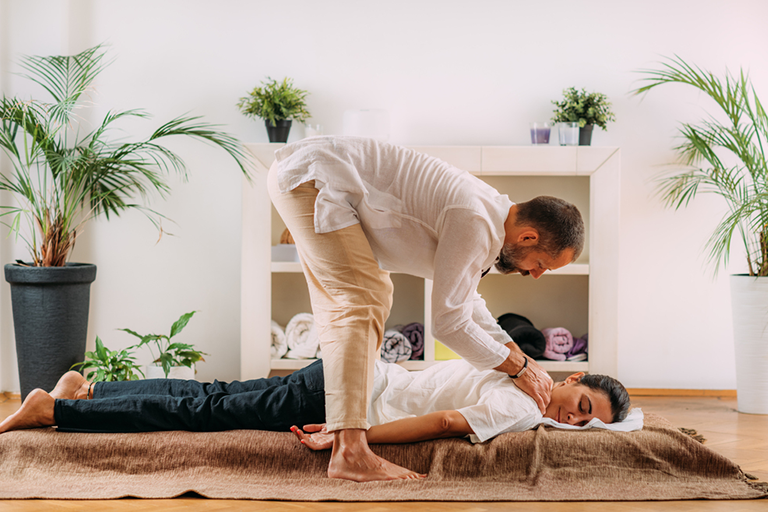
Swedish massage is often regarded as the foundation of Western massage therapy. Developed in the 19th century by Per Henrik Ling, it combines principles of anatomy and movement therapy to improve circulation, reduce tension, and promote relaxation. It is generally considered gentle, making it suitable for first-time massage clients, stress management, and overall wellness.
Core Techniques of Swedish Massage
Swedish massage typically involves five main techniques:
-
Effleurage (Long, Gliding Strokes): Smooth, flowing movements that warm up the muscles and promote circulation.
-
Petrissage (Kneading): Lifting and rolling the muscles to release tension and improve flexibility.
-
Friction: Deep, circular movements that target specific areas of tightness or adhesions.
-
Tapotement (Rhythmic Tapping): Energizing percussive movements using fingertips or the sides of the hands.
-
Vibration and Shaking: Gentle shaking or tremors to relax muscles and stimulate nerves.
The overarching goal of Swedish massage is relaxation and overall wellness, making it ideal for stress relief, improved circulation, and minor muscular tension.
Benefits of Swedish Massage
-
Stress Reduction: Swedish massage lowers cortisol levels and increases serotonin and dopamine, improving mood and emotional balance.
-
Muscle Relaxation: The combination of strokes and kneading helps relieve mild muscle tension and stiffness.
-
Improved Circulation: Enhances blood and lymph flow, supporting nutrient delivery and toxin removal.
-
Enhanced Flexibility: Gentle stretching and movement improve range of motion and joint mobility.
-
Mental Well-Being: Promotes relaxation, better sleep, and emotional balance.
Understanding Deep Tissue Massage
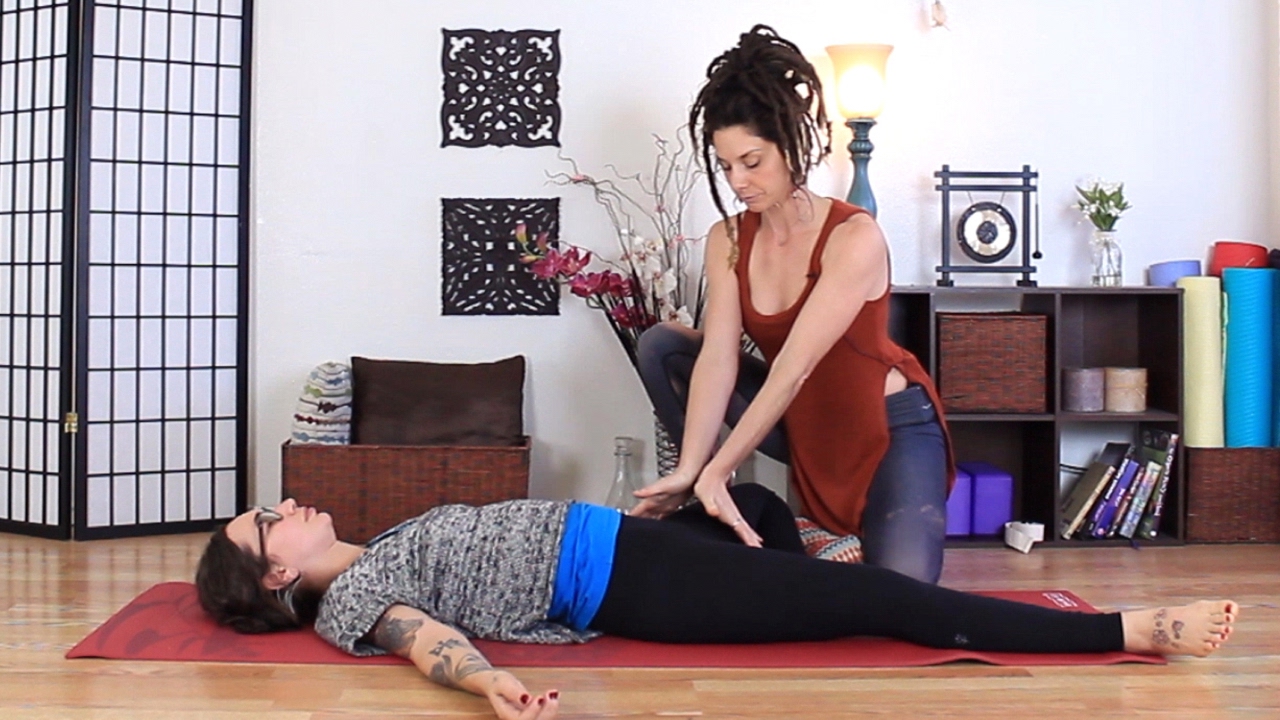
Deep tissue massage focuses on targeting deeper layers of muscles, tendons, and fascia. It is designed to address chronic pain, persistent muscle tension, and injury rehabilitation. Unlike Swedish massage, which emphasizes relaxation, deep tissue massage applies firmer pressure to reach underlying structures that may be causing discomfort.
Core Techniques of Deep Tissue Massage
The techniques used in deep tissue massage include:
-
Slow, Deep Strokes: Applied to specific areas to reach deeper muscle layers.
-
Friction Across Muscle Fibers: Breaking up adhesions and scar tissue to restore mobility.
-
Targeted Pressure: Focused on knots or trigger points to release chronic tension.
-
Myofascial Release: Gentle stretching of connective tissue to improve alignment and flexibility.
-
Cross-Fiber Work: Helps separate muscle fibers, releasing tension and promoting healing.
Deep tissue massage requires clear communication between client and therapist, as pressure intensity is typically higher and may cause temporary discomfort during treatment.
Benefits of Deep Tissue Massage
-
Chronic Pain Relief: Particularly effective for back, neck, shoulder, and postural pain.
-
Breaks Down Muscle Knots: Releases tension in tight or overused muscles.
-
Improves Flexibility: Restores mobility by targeting fascia and deeper muscle layers.
-
Rehabilitation Support: Assists recovery from injuries, strains, or repetitive stress conditions.
-
Reduces Stress Hormones: While more intense, it also contributes to overall relaxation and stress reduction.
Key Differences Between Swedish and Deep Tissue Massage
Understanding the differences between these two techniques is crucial when deciding which massage is right for you:
| Feature | Swedish Massage | Deep Tissue Massage |
|---|---|---|
| Pressure Level | Light to medium | Firm to intense |
| Focus Area | Superficial muscles | Deep muscles and connective tissue |
| Primary Goal | Relaxation and stress relief | Pain relief, tension release, injury recovery |
| Techniques Used | Effleurage, petrissage, tapotement | Deep strokes, friction, myofascial release |
| Suitability | First-time clients, mild tension, stress relief | Chronic pain, knots, athletes, post-injury rehabilitation |
| Comfort Level | Gentle and soothing | Can be uncomfortable or cause mild soreness |
Who Should Choose Swedish Massage
Swedish massage is suitable for:
-
Individuals seeking relaxation and stress relief.
-
First-time massage clients or those sensitive to pressure.
-
People with mild muscle tension, stiffness, or fatigue.
-
Clients looking for improved circulation and mental relaxation.
-
Anyone who wants a gentle, full-body massage experience.
Swedish massage is also ideal for pregnancy-safe adaptations, with modifications to ensure comfort and safety.
Who Should Choose Deep Tissue Massage
Deep tissue massage is most beneficial for:
-
People experiencing chronic muscular pain or tightness.
-
Individuals recovering from injuries, strains, or repetitive stress.
-
Athletes or physically active individuals seeking enhanced performance and recovery.
-
Those with posture-related pain from long hours of sitting or work stress.
-
Clients who tolerate or prefer more intense pressure.
While deep tissue massage can be intense, communication with your therapist ensures pressure is adjusted to prevent injury or excessive discomfort.
Potential Risks and Considerations
While both Swedish and deep tissue massages are generally safe, certain precautions are recommended:
-
Swedish Massage: Minimal risks; however, individuals with severe injuries, fractures, or acute inflammation should consult a doctor.
-
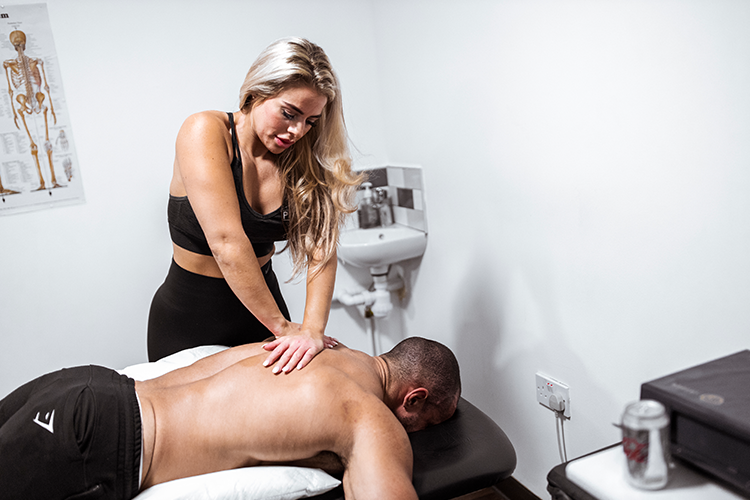
Deep Tissue Massage: Can cause temporary soreness, bruising, or fatigue. People with blood clotting disorders, osteoporosis, or acute injuries should avoid high-pressure sessions without medical clearance.
Consulting a licensed massage therapist and discussing your medical history ensures a safe and effective treatment.
How to Maximize Benefits
Regardless of the massage type, following these practices can enhance benefits:
-
Hydrate Before and After: Supports detoxification and recovery.
-
Communicate with Your Therapist: Discuss areas of tension, pressure preference, and comfort levels.
-
Relax Mentally: Focus on breathing and mindfulness to complement physical relaxation.
-
Schedule Regular Sessions: Consistency enhances physical, mental, and emotional benefits.
-
Post-Massage Care: Gentle stretching, rest, and avoiding strenuous activity help integrate the therapy’s effects.
Integrating Massage into a Wellness Routine
Massage therapy is most effective when combined with other wellness practices. Integrating exercise, stretching, proper nutrition, and mindfulness amplifies its benefits. For instance:
-
Swedish massage complements yoga, meditation, or aerobic exercise by promoting relaxation and flexibility.
-
Deep tissue massage works synergistically with strength training, physical therapy, or athletic conditioning to support recovery and injury prevention.
By incorporating massage into a consistent wellness routine, individuals can experience long-term improvements in physical performance, mental clarity, and overall health.
Conclusion
Choosing between Swedish and deep tissue massage ultimately depends on your personal goals, physical condition, and tolerance for pressure. Swedish massage is ideal for relaxation, stress relief, and mild tension, while deep tissue massage is better suited for chronic pain, muscular knots, and rehabilitation. Both therapies offer valuable physical and mental benefits and can be adapted to meet individual needs.
Understanding the differences, techniques, and benefits of each massage empowers you to make informed decisions and maximize the therapeutic potential of massage therapy. Whether seeking relaxation, recovery, or enhanced well-being, both Swedish and deep tissue massage play important roles in supporting a healthy, balanced lifestyle.
Read Also: Keep your face towards the sunshine and shadows will fall behind you
Watch Also: https://www.youtube.com/@TravelsofTheWorld24




Leave a Reply