
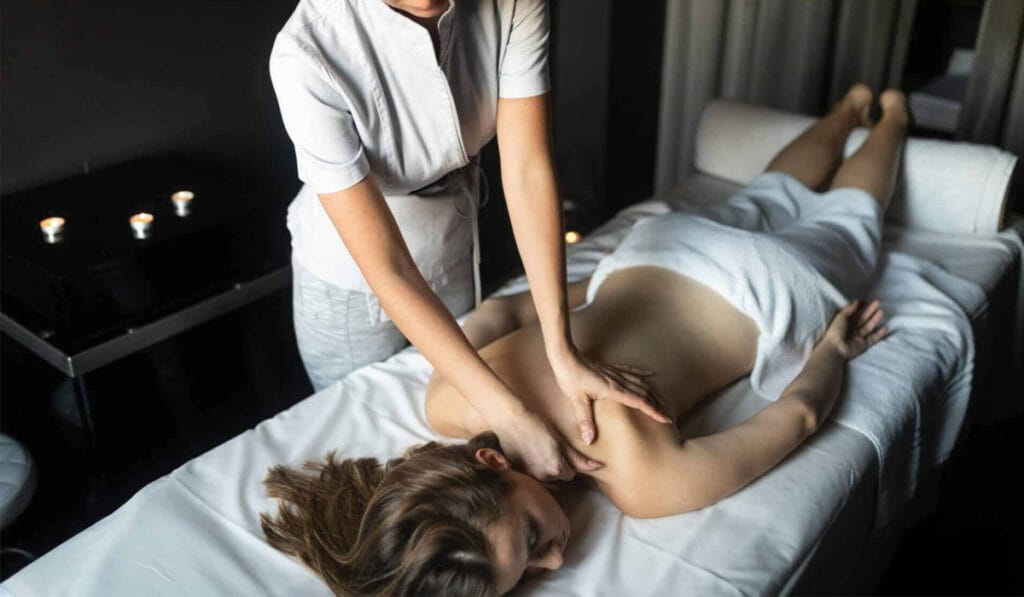
Swedish massage is one of the most popular and widely recognized forms of massage therapy in the world. Renowned for its relaxing and therapeutic benefits, it has become a cornerstone of wellness practices, spa treatments, and holistic health routines. But beyond its reputation as a luxury or indulgence, Swedish massage offers a range of physical, mental, and emotional benefits that make it an essential tool for overall well-being.
Origins and History
The Swedish massage technique was developed in the 19th century by Per Henrik Ling, a Swedish physiologist and fencing instructor. Ling’s methods combined principles of anatomy, movement therapy, and touch to create a structured approach to physical therapy and relaxation. His techniques emphasized stroking, kneading, and friction, which helped improve circulation, relieve muscle tension, and enhance overall body function.
Swedish massage was introduced to the United States and Europe in the early 20th century and quickly gained popularity in spas, hospitals, and rehabilitation centers. Today, it is considered the foundation of many Western massage techniques, influencing modern approaches to therapeutic and relaxation massages.
Core Techniques of Swedish Massage
Swedish massage is characterized by long, flowing strokes and a gentle, systematic approach. The main techniques include:
-
Effleurage (Long Gliding Strokes)
This technique involves smooth, gliding strokes along the length of muscles, typically performed with the palms, fingers, or forearms. Effleurage helps warm up the muscles, promote blood circulation, and prepare the body for deeper techniques. It also induces a sense of calm and relaxation. -
Petrissage (Kneading and Lifting)
Petrissage consists of kneading, rolling, and lifting the muscles to release tension and improve flexibility. This technique stimulates blood flow and helps break down adhesions or “knots” in muscles. -
Friction (Deep Circular Movements)
Friction involves applying pressure to specific areas in circular or transverse motions. This technique targets deeper layers of muscle tissue, helping release chronic tension and improve mobility in tight or stiff muscles. -
Tapotement (Rhythmic Tapping)
Tapotement uses rhythmic tapping or percussive movements, usually with the side of the hands, cupped hands, or fingertips. This technique energizes the muscles, improves circulation, and can help reduce fatigue. -
Vibration and Shaking
Vibratory techniques involve shaking or trembling motions to relax muscles and stimulate nerve endings. These movements are particularly effective for relieving tension and improving circulation in specific areas of the body.
What to Expect During a Session
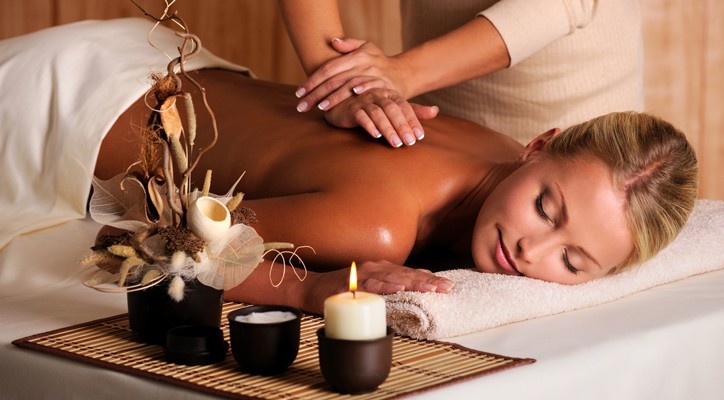
A typical Swedish massage session lasts between 60 and 90 minutes, although shorter or longer sessions can be arranged. The client usually lies on a massage table and may be draped with towels or sheets for comfort and privacy. The therapist uses massage oil or lotion to reduce friction and allow smooth, fluid movements.
During the session, therapists often begin with effleurage to warm up the muscles, followed by a combination of petrissage, friction, and tapotement to address tension, stiffness, or soreness. The session may end with gentle effleurage to relax the muscles and restore balance.
Clients are encouraged to communicate their comfort level, pressure preferences, and any areas of concern. This ensures a personalized experience that maximizes benefits.
Physical Benefits of Swedish Massage
Swedish massage offers numerous physical benefits, making it suitable for a wide range of individuals—from athletes to office workers, and from young adults to seniors.
1. Reduces Muscle Tension and Pain
Swedish massage is highly effective in relieving muscle tightness and soreness. By increasing blood flow to targeted areas and stimulating relaxation, it helps reduce discomfort from overuse, poor posture, or chronic conditions such as back and neck pain.
2. Improves Circulation
The flowing strokes and kneading movements of Swedish massage enhance blood circulation, which helps deliver oxygen and nutrients to tissues and organs. Improved circulation also supports detoxification by helping remove metabolic waste from muscles and tissues.
3. Enhances Flexibility and Mobility
By loosening tight muscles and improving joint range of motion, Swedish massage promotes better flexibility. Regular sessions can prevent injuries, enhance athletic performance, and support daily movement and posture.
4. Supports Recovery
Swedish massage aids in recovery from injuries, strenuous physical activity, or chronic muscular conditions. It helps reduce inflammation, improve circulation, and accelerate healing by stimulating the body’s natural repair mechanisms.
5. Promotes Cardiovascular Health
Research suggests that regular Swedish massage may support cardiovascular health by lowering heart rate, reducing blood pressure, and improving vascular function. These effects are linked to relaxation and stress reduction during massage.
Mental and Emotional Benefits
Beyond its physical advantages, Swedish massage also offers profound benefits for mental and emotional health.
1. Reduces Stress and Anxiety
Massage promotes relaxation by lowering levels of cortisol, the stress hormone, while increasing serotonin and dopamine—neurotransmitters associated with happiness and emotional stability. This leads to reduced stress, improved mood, and enhanced mental clarity.
2. Improves Sleep Quality
Many individuals struggling with insomnia or poor sleep benefit from Swedish massage. The therapy promotes deep relaxation, reduces tension, and regulates the nervous system, contributing to more restorative and restful sleep.
3. Boosts Emotional Well-Being
Swedish massage fosters a sense of calm and well-being. The nurturing touch, combined with rhythmic movements, provides comfort and promotes a connection between mind and body, which can reduce feelings of anxiety or emotional fatigue.
Swedish Massage and Overall Wellness
Swedish massage contributes to holistic wellness by supporting the body’s natural balance. It complements other health practices, such as physical therapy, yoga, or meditation, by preparing the body, reducing tension, and enhancing mental focus.
Regular massage can also encourage mindfulness and body awareness. By focusing on the sensations of touch, clients often gain a deeper understanding of their body’s needs, which promotes healthier habits and self-care routines.
Who Can Benefit from Swedish Massage
Swedish massage is suitable for most people, including those seeking:
-
Stress relief and relaxation
-
Muscle tension and pain management
-
Improved circulation and flexibility
-
Enhanced sleep quality
-
Recovery from mild injuries or physical strain
However, individuals with certain conditions—such as deep vein thrombosis, severe osteoporosis, or acute injuries—should consult a healthcare provider before undergoing massage therapy.
How to Maximize the Benefits
To get the most from Swedish massage, consider the following tips:
-
Communicate with Your Therapist: Discuss pressure preferences, areas of concern, and any medical conditions.
-
Hydrate: Drink water before and after the session to support detoxification.
-
Relax Mentally: Focus on breathing and mindfulness to enhance the calming effects.
-
Schedule Regular Sessions: Consistency enhances physical, mental, and emotional benefits.
-
Follow Post-Massage Care: Gentle stretching and rest help the body integrate the benefits.
Swedish Massage vs. Other Massage Techniques
While Swedish massage is often used for relaxation and general wellness, it differs from other techniques in several ways:
-
Deep Tissue Massage: Focuses on chronic tension and deeper muscle layers, whereas Swedish massage targets overall relaxation.
-
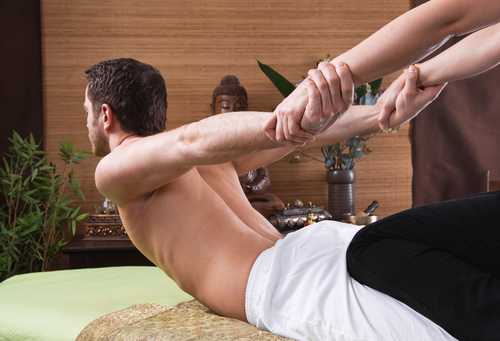
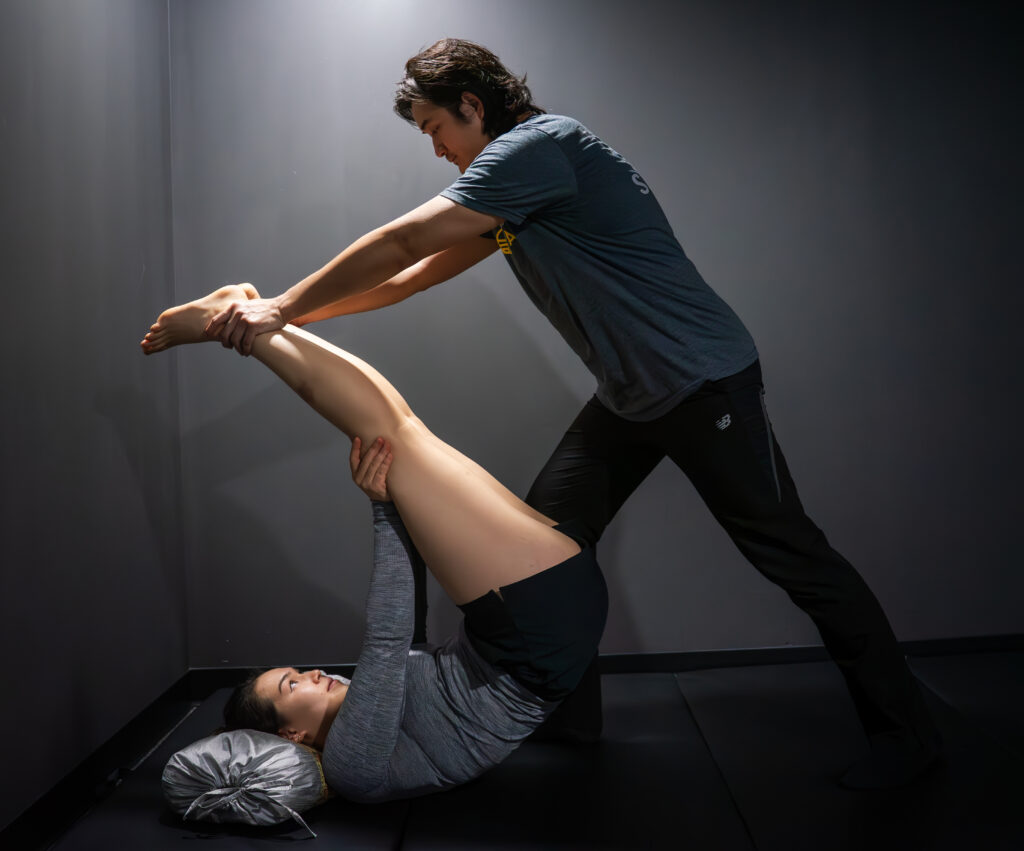
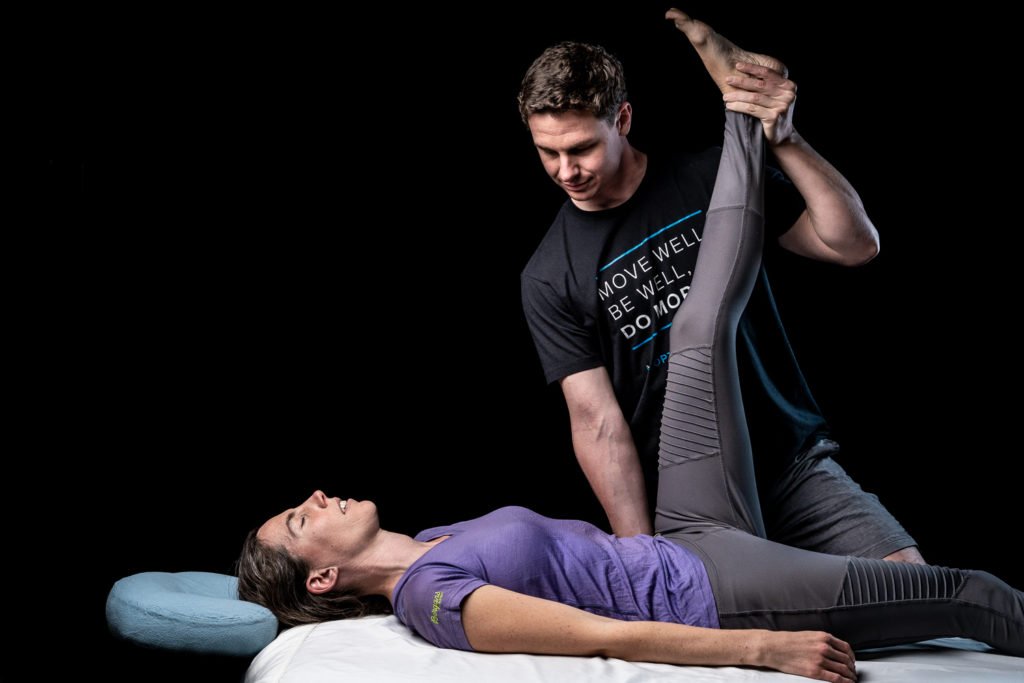
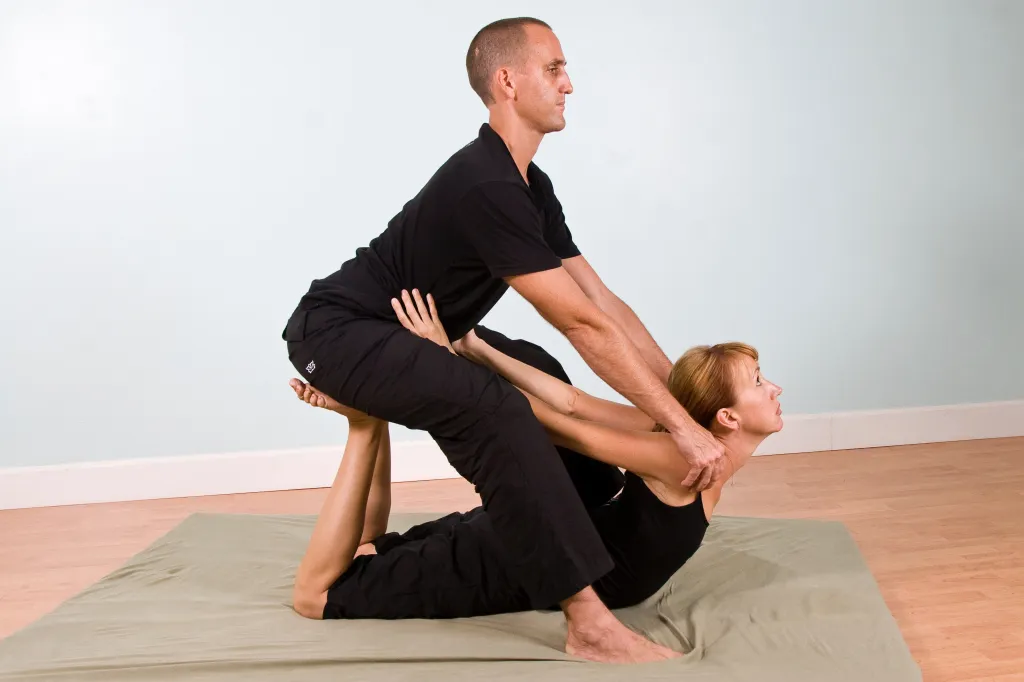
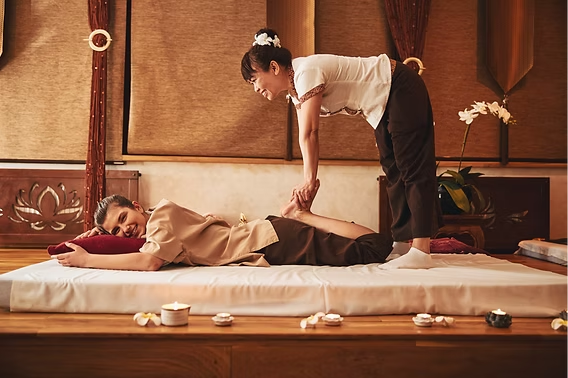
Thai Massage: Combines stretching and yoga-like movements; Swedish massage uses flowing strokes and kneading.
-
Shiatsu: Focuses on acupressure points and energy meridians; Swedish massage emphasizes circulation and relaxation.
-
Sports Massage: Targets athletic performance and injury prevention; Swedish massage is more general and gentle.
Swedish massage is often recommended as an introductory or maintenance massage due to its broad benefits and gentle approach.
Conclusion
Swedish massage is a cornerstone of modern wellness, offering a wide range of physical, mental, and emotional benefits. Its flowing techniques—effleurage, petrissage, friction, tapotement, and vibration—promote relaxation, improve circulation, relieve muscle tension, and enhance overall well-being.
Whether seeking stress relief, improved flexibility, better sleep, or emotional balance, Swedish massage provides a comprehensive and accessible path to holistic health. With its centuries-old origins and global popularity, it remains a trusted and effective therapy for nurturing the body and mind.
Read Also: Keep your face towards the sunshine and shadows will fall behind you
Watch Also: https://www.youtube.com/@TravelsofTheWorld24







Leave a Reply