
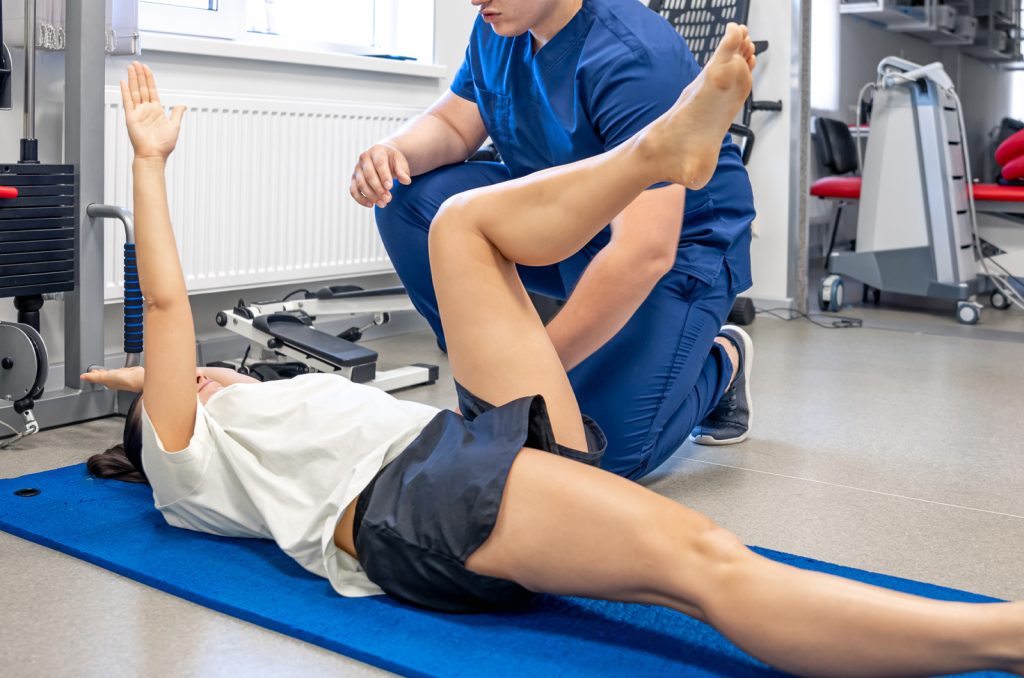
In the world of physical therapy and holistic health, two popular approaches often spark comparison: osteopathy and massage therapy. Both practices focus on musculoskeletal health, pain relief, and overall well-being, but they differ significantly in philosophy, techniques, and scope. Choosing the right therapy depends on your health goals, type of discomfort, and personal preferences.
This article explores the differences, benefits, and applications of osteopathy and massage therapy, helping you make an informed decision for your wellness journey.
Understanding Osteopathy
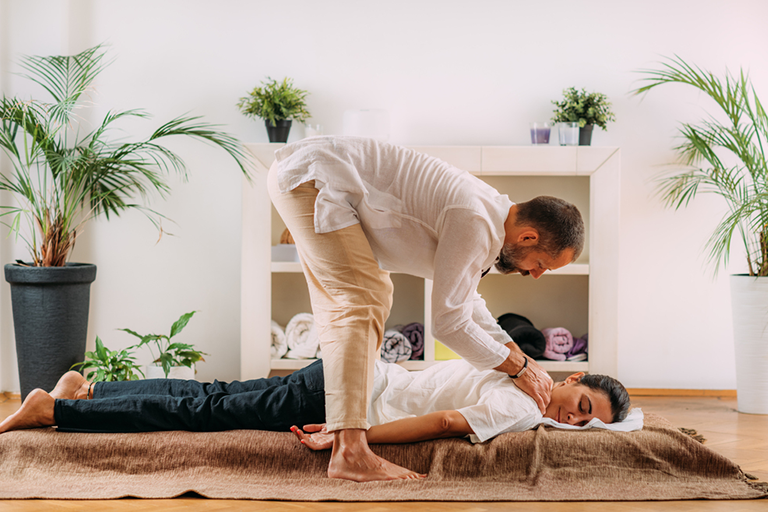
Osteopathy is a holistic, manual therapy developed in the late 19th century by Dr. Andrew Taylor Still. It is based on the principle that the body functions as an integrated unit, where the musculoskeletal system, circulatory system, and nervous system are interconnected. Osteopaths aim to identify and correct structural imbalances that affect health and mobility.
Key features of osteopathy include:
-
Manual Diagnosis: Osteopaths assess posture, joint function, and soft tissue tension to identify underlying dysfunctions.
-
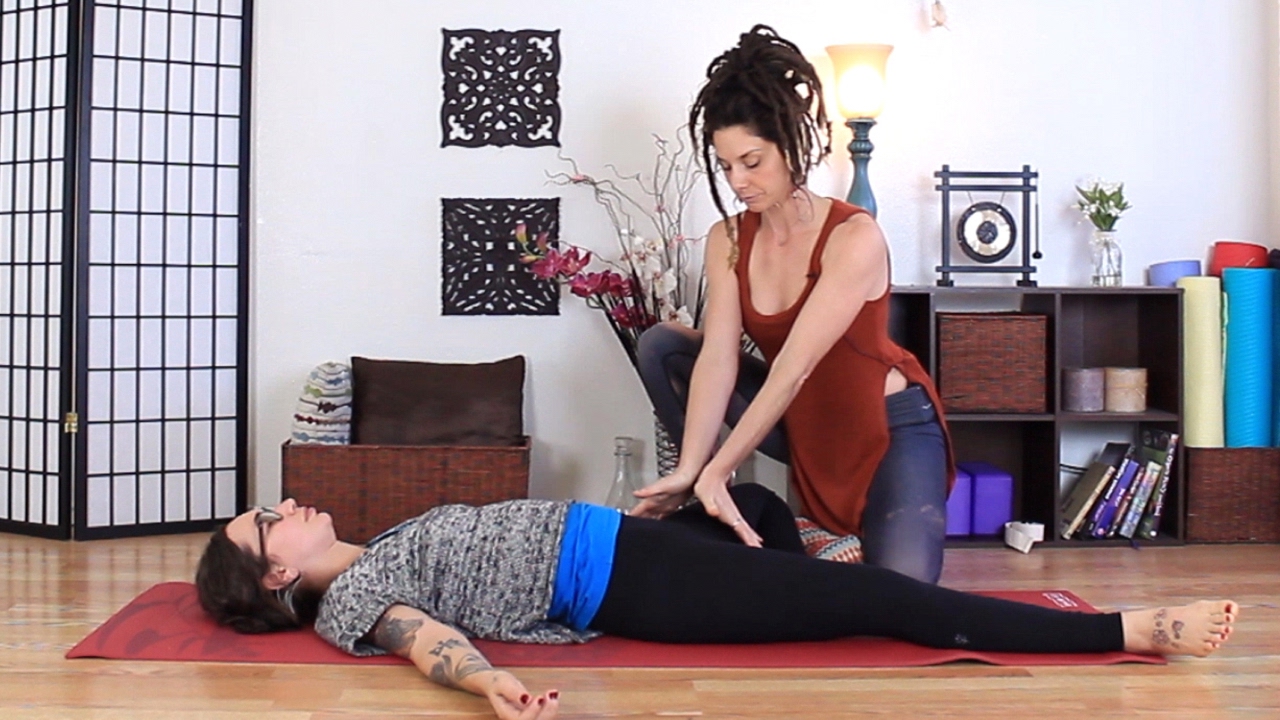
Treatment Techniques: Includes joint manipulation, stretching, soft tissue massage, and mobilization.
-
Holistic Approach: Focuses not only on symptoms but also on root causes, considering lifestyle, movement habits, and ergonomics.
-
Medical Integration: Osteopaths are trained to work alongside conventional medicine and may provide guidance on exercises, posture, and rehabilitation.
Osteopathy is often used for chronic pain, joint dysfunction, back and neck issues, postural imbalances, and recovery after injury.
Understanding Massage Therapy
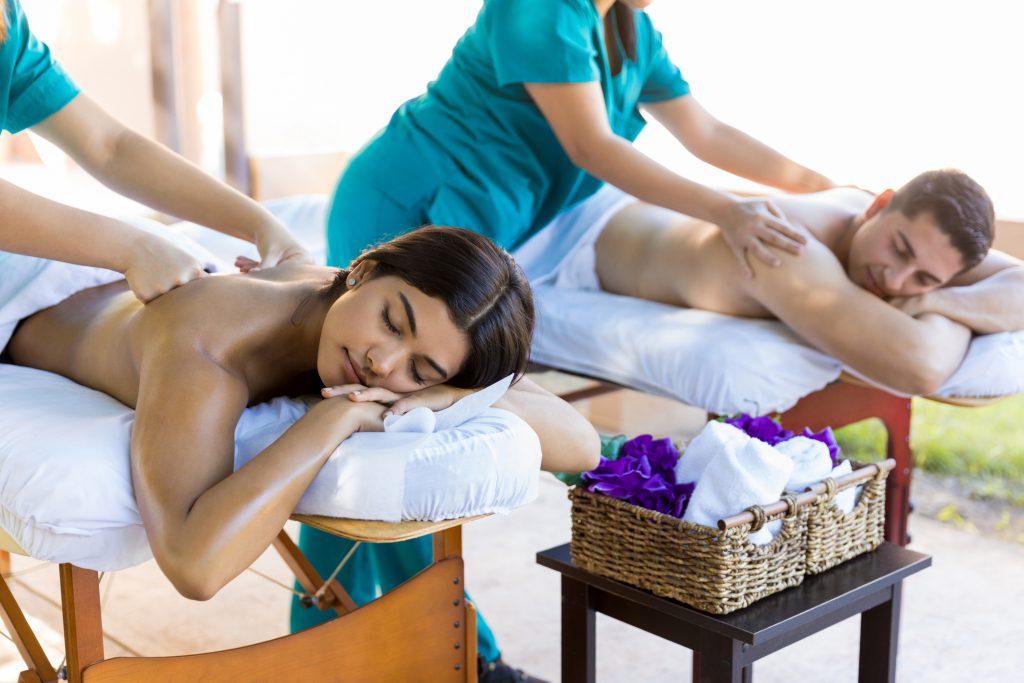
Massage therapy is a hands-on technique that manipulates the soft tissues of the body, including muscles, fascia, tendons, and ligaments, to promote relaxation and healing. Different types of massage—such as Swedish, deep tissue, sports, and Thai massage—offer specific therapeutic benefits.
Key features of massage therapy include:
-
Soft Tissue Manipulation: Techniques like kneading, rubbing, and pressing relieve muscle tension and stiffness.
-
Circulation Enhancement: Massage improves blood flow and lymphatic drainage, supporting tissue repair and detoxification.
-
Stress Reduction: Promotes relaxation through the release of endorphins and oxytocin, lowering stress hormone levels.
-
Holistic Wellness: Supports mind-body balance, flexibility, and overall well-being.
Massage therapy is commonly used for stress relief, muscle soreness, post-workout recovery, tension headaches, and general relaxation.
Comparing Osteopathy and Massage Therapy
Although both therapies manipulate the body to improve health, their approach, scope, and purpose differ significantly.
| Feature | Osteopathy | Massage Therapy |
|---|---|---|
| Focus | Structural alignment, joint function, musculoskeletal health | Soft tissue relaxation, muscle tension relief, stress reduction |
| Techniques | Joint manipulation, stretching, soft tissue therapy, mobilization | Kneading, rubbing, pressing, vibration, stretching |
| Goal | Correct dysfunctions, improve body mechanics, address root causes | Relieve muscle tension, reduce stress, improve circulation |
| Training | Medical-level training with anatomy, physiology, and biomechanics | Professional training in massage techniques and anatomy |
| Treatment Duration | Often longer-term with assessment, treatment, and follow-up | Can be short-term or regular sessions for relaxation or specific issues |
| Best For | Chronic pain, postural issues, injury recovery, joint problems | Muscle tightness, stress, fatigue, relaxation, post-exercise recovery |
Benefits of Osteopathy
Osteopathy offers several therapeutic and preventive benefits:
-
Pain Relief: Effective for chronic back pain, neck pain, and joint discomfort.
-
Posture Improvement: Corrects alignment and improves biomechanics.
-
Enhanced Mobility: Increases range of motion in joints and flexibility in muscles.
-
Preventive Care: Addresses underlying causes of dysfunction, reducing the risk of future injury.
-
Integration with Healthcare: Osteopaths can coordinate with doctors, physiotherapists, and other healthcare providers.

Benefits of Massage Therapy
Massage therapy provides immediate and relaxing benefits that improve both physical and mental well-being:
-
Muscle Tension Relief: Reduces stiffness and soreness, particularly after exercise or prolonged sitting.
-
Stress Reduction: Promotes relaxation and reduces anxiety through neurochemical effects.
-
Improved Circulation: Supports tissue repair, reduces inflammation, and aids lymphatic drainage.
-
Enhanced Flexibility: Assists muscles in lengthening and relaxing, complementing physical activity.
-
Holistic Relaxation: Improves mood, energy levels, and overall sense of well-being.
When to Choose Osteopathy
Osteopathy is particularly suitable if you are seeking long-term structural and musculoskeletal improvements:
-
Persistent back, neck, or joint pain
-
Postural imbalances causing discomfort
-
Recovery from injuries or surgeries
-
Chronic musculoskeletal issues
-
Wanting a holistic assessment of body mechanics
Osteopathy often involves diagnostic evaluation and treatment planning, making it ideal for therapeutic rather than purely relaxation-focused purposes.
When to Choose Massage Therapy
Massage therapy is ideal for those seeking short-term relief, relaxation, or maintenance:
-
Stress reduction and relaxation
-
Muscle tension or soreness
-
Headaches or fatigue caused by muscular tightness
-
Post-exercise recovery
-
Supporting general wellness and mental clarity
Massage therapy can also complement osteopathy, enhancing flexibility, circulation, and relaxation to support structural corrections.
Can They Be Combined?
Absolutely. Osteopathy and massage therapy complement each other when integrated into a wellness routine:
-
Pre-Osteopathy Massage: Helps relax muscles, making joint manipulation and structural adjustments easier.
-
Post-Osteopathy Massage: Relieves residual tension, promotes circulation, and enhances recovery.
-
Regular Combination: Combining sessions can improve flexibility, reduce stress, and maintain long-term musculoskeletal health.
The combination provides a holistic approach, addressing both structural alignment and muscular relaxation, maximizing therapeutic benefits.
Conclusion
So, is osteopathy better than massage? The answer depends on your needs, goals, and type of discomfort:
-
Osteopathy excels in treating structural imbalances, chronic pain, postural issues, and joint dysfunctions, providing a long-term, therapeutic solution.
-
Massage therapy is excellent for muscle tension relief, stress reduction, circulation improvement, and relaxation, offering immediate comfort and wellness benefits.
For many individuals, the ideal approach is a combination of both therapies, leveraging osteopathy’s structural focus and massage therapy’s muscular and relaxation benefits. By understanding their differences and complementary nature, you can create a wellness routine that addresses both short-term relief and long-term health, ensuring optimal body and mind balance.
Read Also: Keep your face towards the sunshine and shadows will fall behind you
Watch Also: https://www.youtube.com/@TravelsofTheWorld24




Leave a Reply