
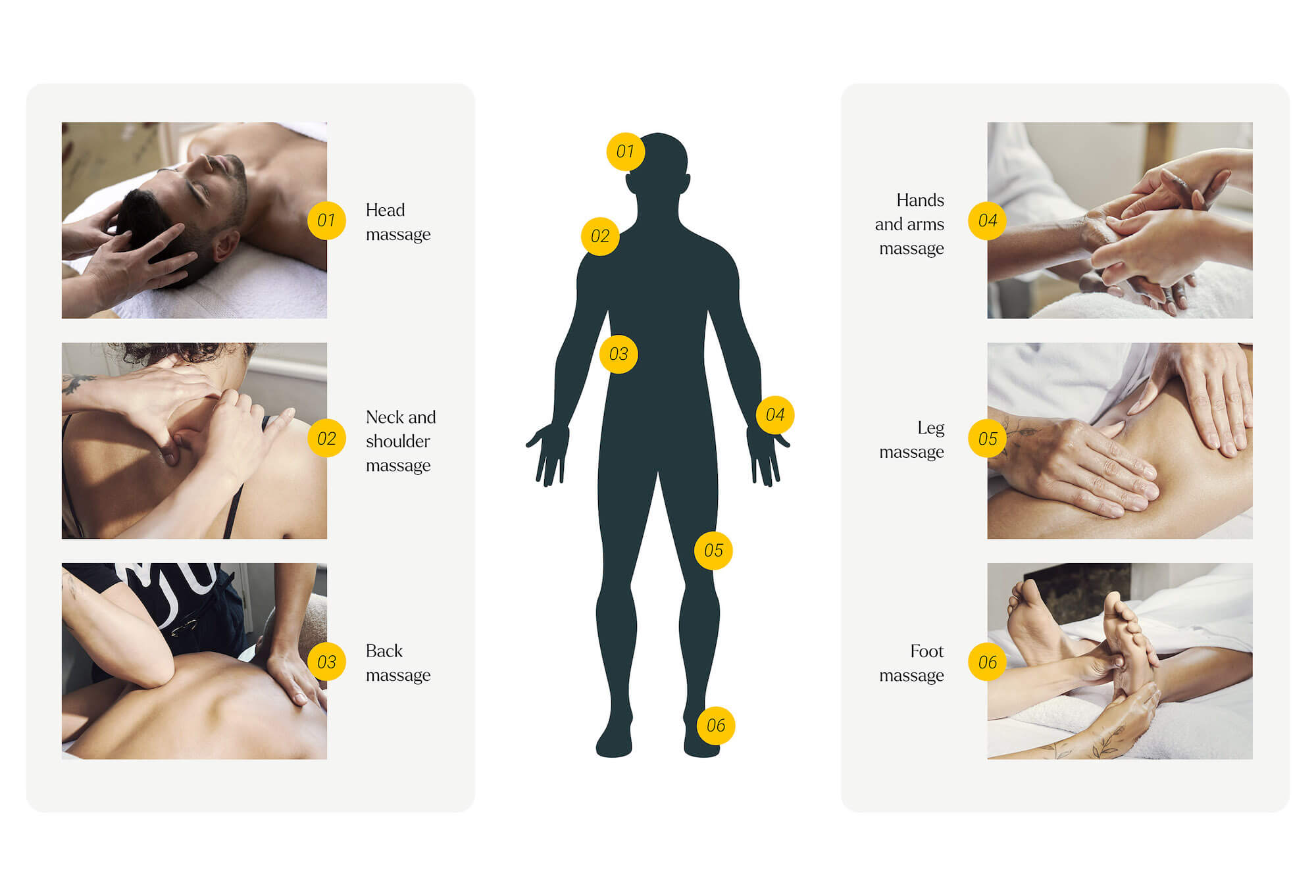
A full body massage is one of the most effective and widely appreciated forms of therapeutic touch. Designed to relax, rejuvenate, and restore the body, this type of massage targets multiple muscle groups, enhancing overall physical, mental, and emotional well-being. Beyond being a luxurious indulgence, full body massage offers a variety of health benefits, from stress relief to improved circulation and muscle recovery.
What is a Full Body Massage?
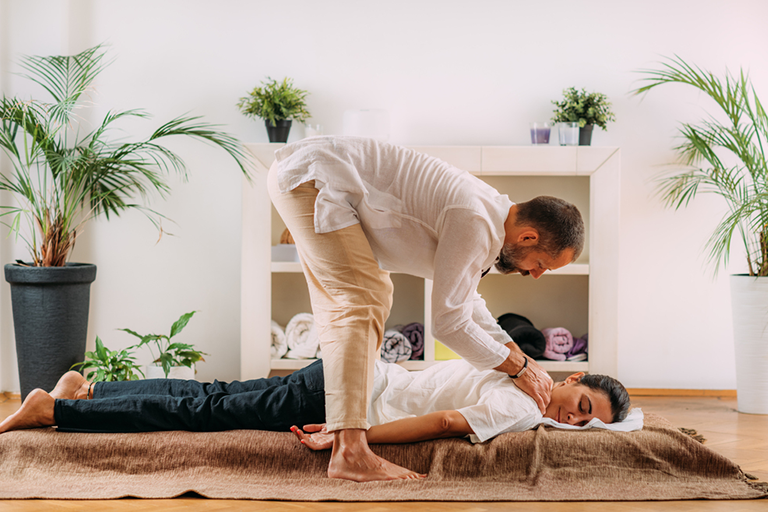
A full body massage involves the systematic manipulation of soft tissues—muscles, tendons, ligaments, and connective tissues—through a combination of strokes, kneading, and pressure techniques. Unlike targeted massages that focus on specific areas like the back or shoulders, a full body massage addresses all major muscle groups, including the head, neck, shoulders, back, arms, hands, legs, and feet.
Full body massage techniques vary depending on the style, therapist, and client needs. Popular types include Swedish massage, deep tissue massage, aromatherapy massage, Balinese massage, and hot stone massage. Each style incorporates different techniques to achieve relaxation, tension release, or therapeutic outcomes.
Techniques Used in Full Body Massage
A full body massage typically integrates multiple techniques to address the body comprehensively. Common techniques include:
-
Effleurage: Long, gliding strokes used to warm up muscles and stimulate circulation.
-
Petrissage: Kneading and rolling motions that relieve tension and promote muscle flexibility.
-
Friction: Circular or cross-fiber movements targeting deeper muscle layers or adhesions.
-
Tapotement: Rhythmic tapping, pounding, or cupping movements to stimulate muscles.
-
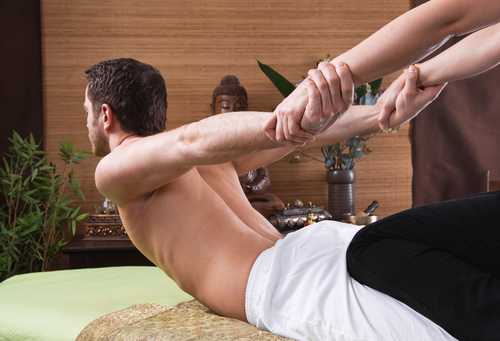
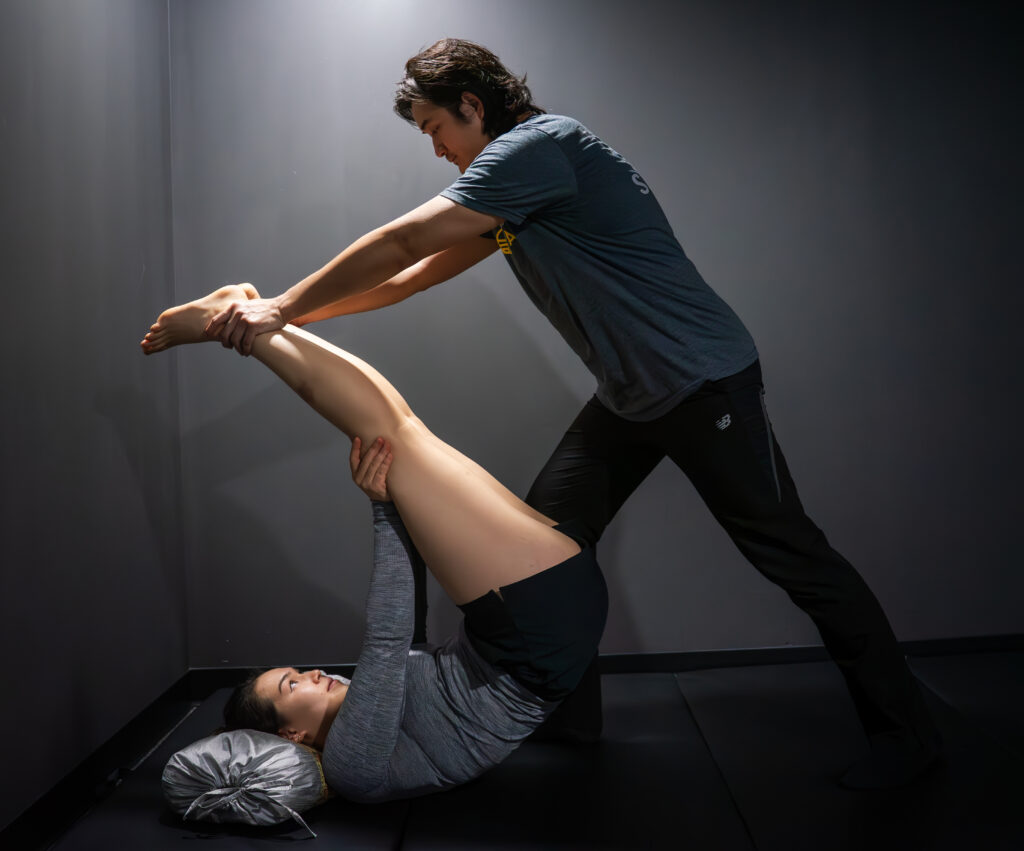
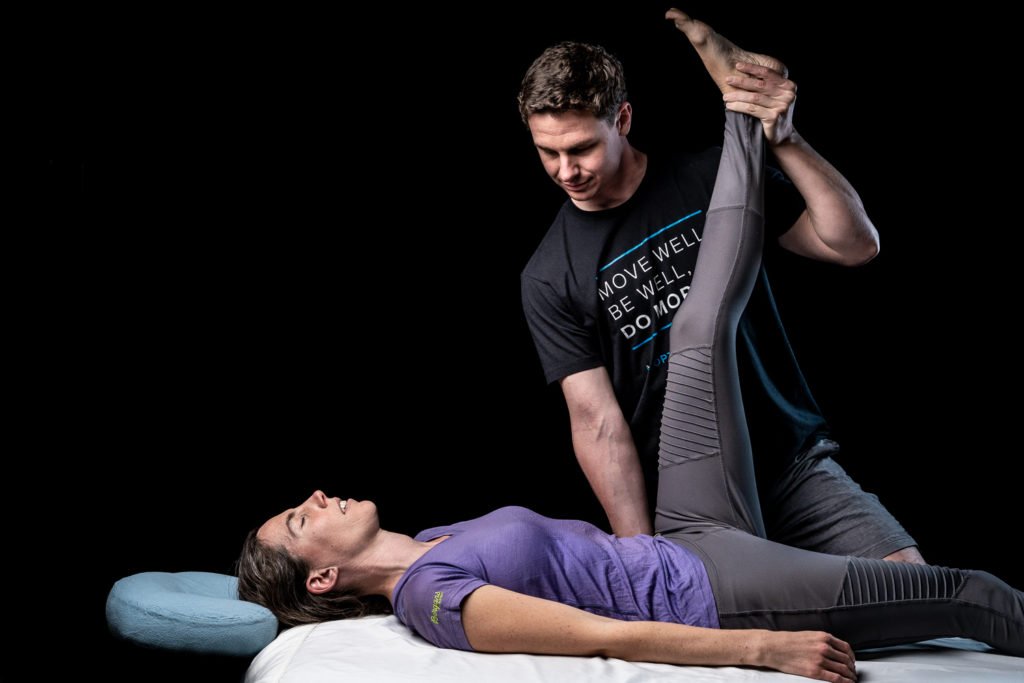
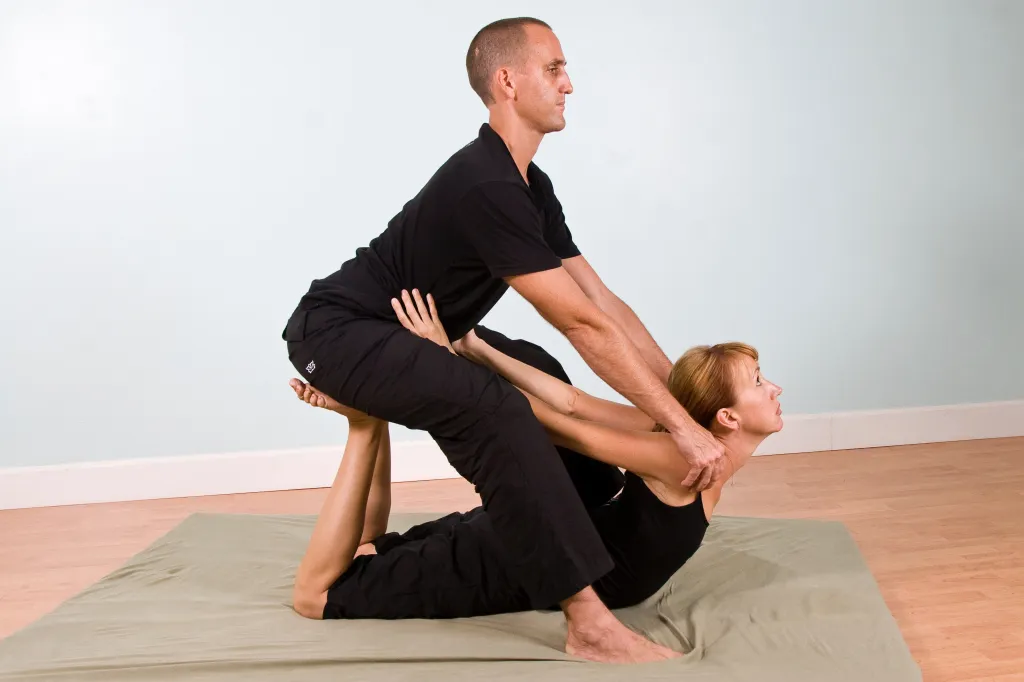
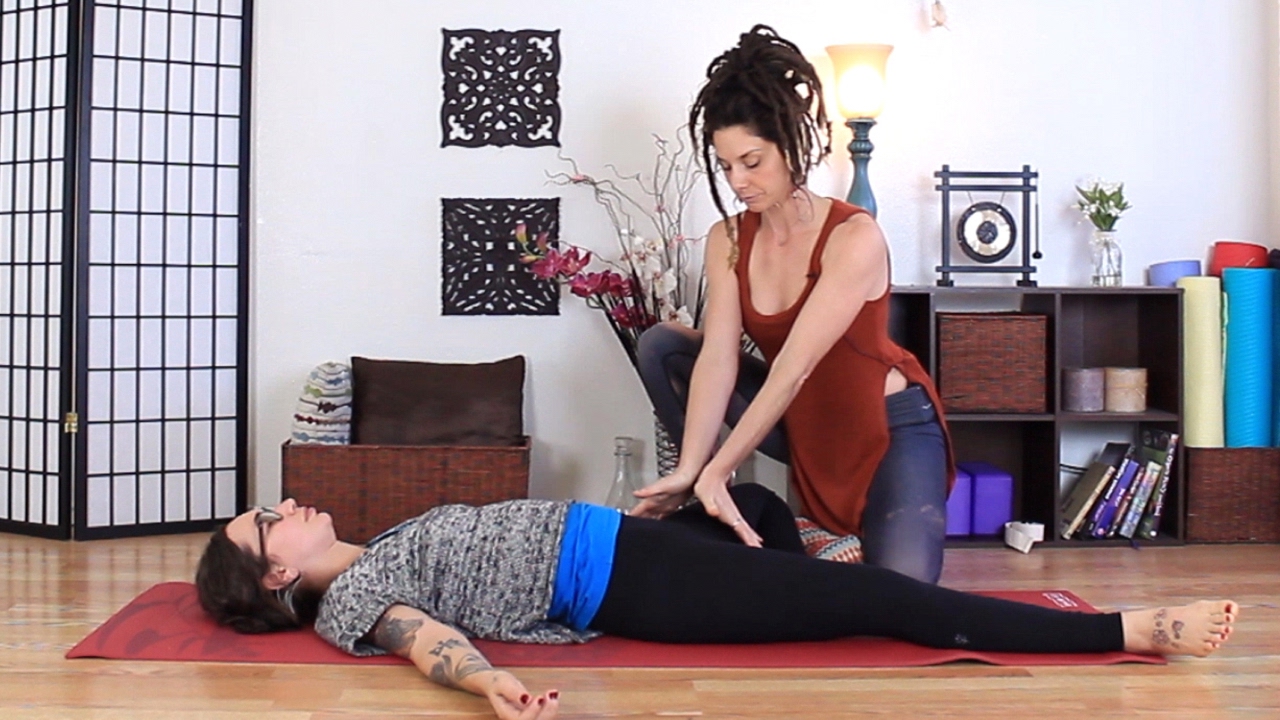
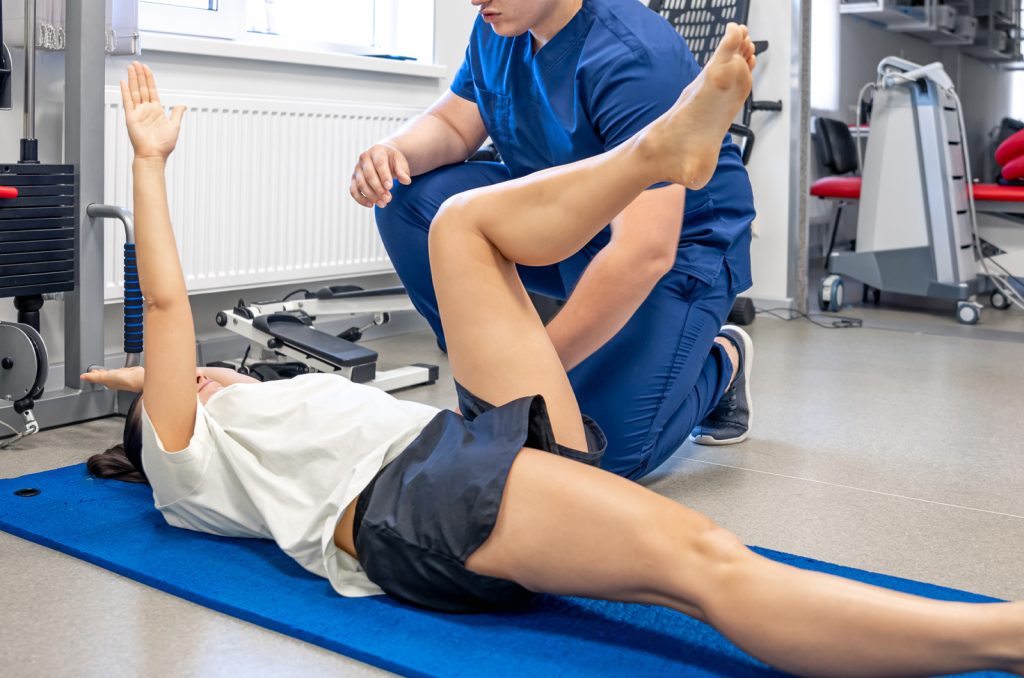
Stretching and Mobilization: Gentle stretching of joints and muscles to enhance flexibility and range of motion.
-
Aromatherapy Integration: Use of essential oils to enhance relaxation and provide therapeutic benefits.
The combination of these techniques ensures physical relief, mental relaxation, and emotional balance throughout the entire body.
Benefits of Full Body Massage
Full body massage offers a wide range of physical, mental, and emotional benefits. Its comprehensive approach ensures that the body functions optimally while the mind experiences calm and clarity.
1. Reduces Stress and Anxiety
Full body massage has a profound effect on the nervous system. Gentle and rhythmic strokes help lower cortisol levels, the body’s primary stress hormone, while increasing serotonin and dopamine, neurotransmitters that enhance mood and emotional balance. Regular sessions can help reduce anxiety, improve focus, and promote a sense of overall calm.
2. Relieves Muscle Tension and Pain
By targeting all major muscle groups, full body massage effectively releases knots, stiffness, and chronic tension. Whether due to poor posture, sedentary lifestyle, or strenuous physical activity, muscles benefit from increased blood flow, improved oxygen delivery, and reduced inflammation. Deep tissue or Swedish techniques within the massage can address both superficial and deeper layers of muscle for maximum relief.
3. Improves Circulation and Lymphatic Flow
Full body massage stimulates both blood circulation and lymphatic drainage, which helps the body deliver nutrients efficiently while removing toxins and metabolic waste. Improved circulation enhances energy levels, supports tissue repair, and promotes overall health.
4. Enhances Flexibility and Range of Motion
Stretching and mobilization techniques incorporated in a full body massage increase joint flexibility and muscle elasticity. Over time, this improves posture, prevents injuries, and enhances mobility, making daily activities and physical exercise easier and more effective.
5. Promotes Better Sleep
Individuals struggling with insomnia or poor-quality sleep often benefit from full body massage. The relaxation response reduces nervous system activity, allowing for deep, restorative sleep. Improved sleep also supports mental clarity, emotional stability, and overall health.
6. Supports Immune System Function
Massage therapy has been shown to enhance immune function by stimulating the lymphatic system. This encourages the removal of toxins, supports white blood cell activity, and boosts the body’s natural defense mechanisms.
7. Enhances Skin Health
The use of oils, combined with massage strokes, nourishes and hydrates the skin. Circulation stimulation improves skin tone and texture, while gentle exfoliation during certain techniques promotes cell regeneration and a healthy, radiant appearance.
8. Promotes Mental Clarity and Emotional Well-Being
Full body massage encourages relaxation and mindfulness. By focusing on the sensations of touch and rhythmic movement, clients often experience mental clarity, reduced stress, and emotional balance. This mind-body connection is essential for long-term wellness.
Types of Full Body Massage
There are several popular types of full body massage, each catering to specific needs and preferences:
-
Swedish Full Body Massage: Gentle, flowing strokes aimed at relaxation and circulation.
-
Deep Tissue Full Body Massage: Targets deeper muscle layers for chronic tension relief and injury rehabilitation.
-
Aromatherapy Full Body Massage: Combines massage with essential oils for mental and emotional wellness.
-
Balinese Full Body Massage: Holistic approach using flowing strokes, acupressure, and stretching to harmonize body and mind.
-
Hot Stone Full Body Massage: Heated stones enhance relaxation, relieve stiffness, and improve blood flow.
Choosing the type depends on your goals—whether relaxation, pain relief, recovery, or holistic wellness.
What to Expect During a Full Body Massage Session
A typical full body massage lasts 60 to 90 minutes, although sessions may extend up to 120 minutes for a more thorough experience. The session usually follows these steps:
-
Initial Consultation: The therapist discusses medical history, areas of concern, and pressure preferences.
-
Preparation: The client undresses to comfort level and lies on a massage table, draped with towels for privacy.
-
Massage Techniques: Therapist applies techniques tailored to the client’s needs, often starting with lighter strokes and gradually increasing pressure as required.
-
Relaxation and Conclusion: The session ends with gentle strokes and time to rest and absorb the effects.
Clients are encouraged to communicate with the therapist about comfort, pressure, or any discomfort during the session.
Who Can Benefit from a Full Body Massage
Full body massage is suitable for most people, including:
-
Individuals experiencing stress, anxiety, or mental fatigue
-
People with muscle tension, stiffness, or chronic pain
-
Athletes or physically active individuals
-
Individuals recovering from minor injuries or muscle strain
-
Those seeking improved sleep, flexibility, and circulation
-
Anyone looking for a holistic wellness experience
People with certain medical conditions—such as fractures, severe osteoporosis, or deep vein thrombosis—should consult a healthcare provider before receiving a full body massage.
Tips for Maximizing Benefits
To make the most of a full body massage, consider these tips:
-
Hydrate: Drink water before and after to support circulation and detoxification.
-
Communicate: Share any areas of tension, pain, or discomfort with your therapist.
-
Relax: Focus on breathing and mindfulness to enhance mental relaxation.
-
Follow-Up Care: Gentle stretching, rest, and avoiding strenuous activity help integrate the benefits.
-
Consistency: Regular sessions provide long-term physical and mental wellness benefits.
Full Body Massage and Holistic Wellness
Full body massage is most effective when combined with a broader wellness routine. Practices such as exercise, yoga, meditation, and proper nutrition complement the benefits of massage. For example:
-
Swedish or Balinese full body massage enhances flexibility and relaxation for yoga enthusiasts.
-
Deep tissue or sports-focused full body massage supports recovery after workouts or physical labor.
-
Aromatherapy massages improve mental clarity and emotional balance when combined with mindfulness or meditation practices.
Incorporating massage into a consistent wellness routine ensures sustained physical health, emotional balance, and overall quality of life.
Conclusion
A full body massage is a holistic and effective therapy that nurtures the body, mind, and spirit. By addressing all major muscle groups, enhancing circulation, reducing tension, and promoting relaxation, it offers comprehensive benefits for physical and mental health. Whether seeking stress relief, pain management, flexibility improvement, or a luxurious wellness experience, a full body massage is a time-tested solution for enhancing overall well-being.
With its wide range of techniques and styles—from Swedish and deep tissue to aromatherapy and Balinese—there is a full body massage suitable for everyone. Understanding the techniques, benefits, and what to expect helps you make informed decisions, ensuring a safe, enjoyable, and therapeutic experience every time.
Read Also: Keep your face towards the sunshine and shadows will fall behind you
Watch Also: https://www.youtube.com/@TravelsofTheWorld24





Leave a Reply