
In the modern world, where stress, fatigue, and sedentary lifestyles are common, holistic therapies like Dynamic Thai-Yoga Massage have gained popularity for their ability to promote physical vitality, mental clarity, and emotional balance. Combining elements of traditional Thai massage and yoga principles, this therapeutic practice offers a comprehensive approach to wellness, blending assisted stretches, acupressure, and rhythmic movement.
Dynamic Thai-Yoga Massage is more than just a form of relaxation—it is a mind-body experience designed to enhance energy flow, relieve tension, and improve flexibility. By integrating dynamic movements with traditional healing techniques, this therapy addresses both muscular and energetic imbalances, making it an effective solution for a variety of physical and mental challenges.
What is Dynamic Thai-Yoga Massage?
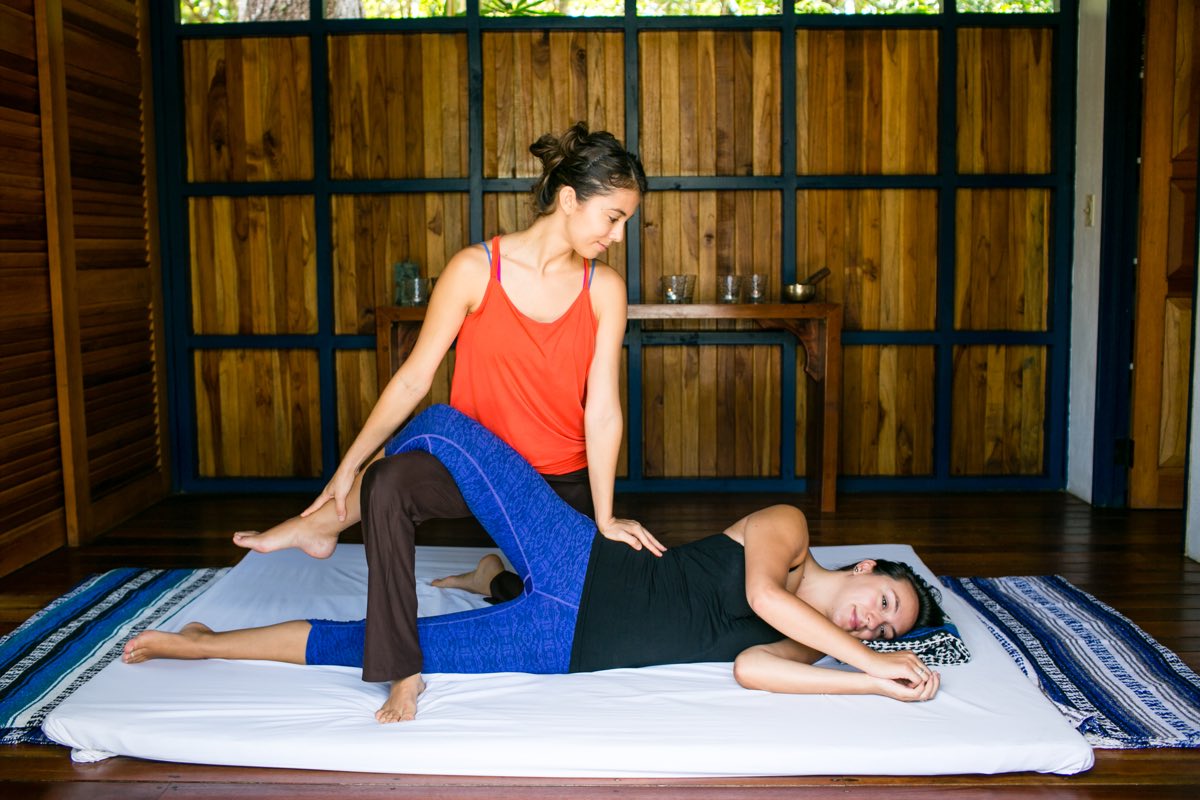
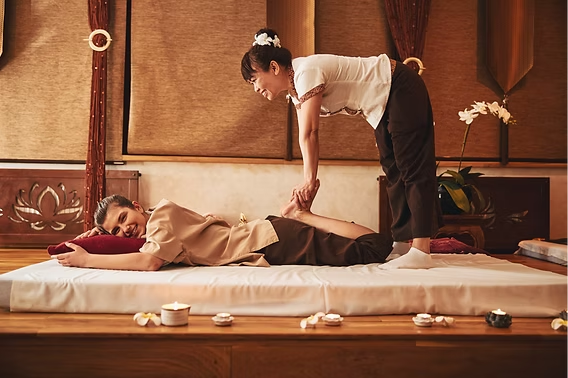
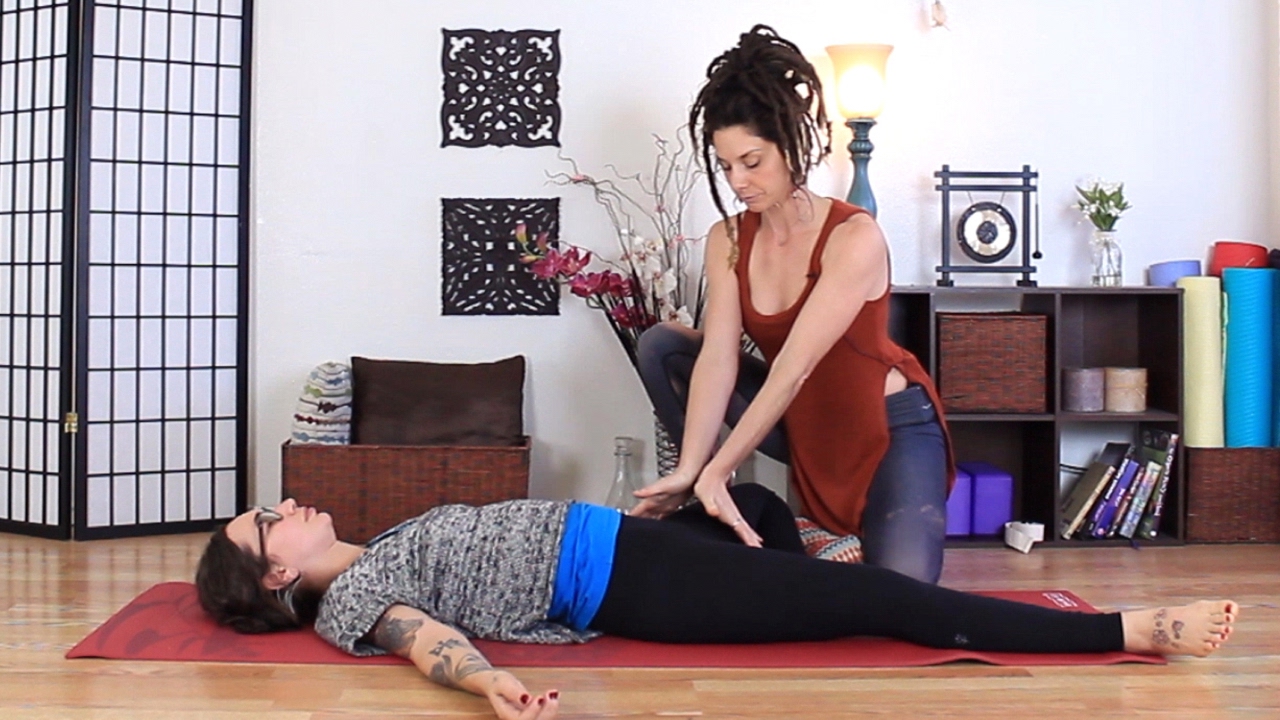
Dynamic Thai-Yoga Massage is an evolution of traditional Nuad Thai, the ancient Thai massage system. It combines therapeutic stretching and pressure techniques with dynamic yoga-inspired movements, creating a fluid, energetic, and rejuvenating experience. Unlike conventional massage, clients remain fully clothed, and the massage is typically performed on a mat or floor, allowing the therapist to guide movements safely and effectively.
Key components include:
-
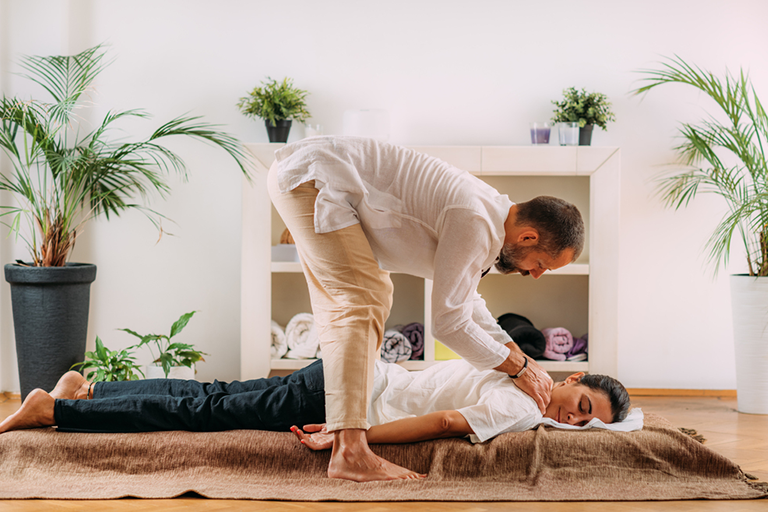
Palming and Thumb Pressure: Gentle to firm pressure along energy lines, or Sen lines, to release tension and improve energy flow.
-
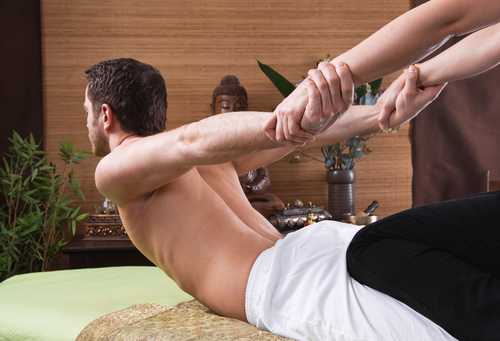
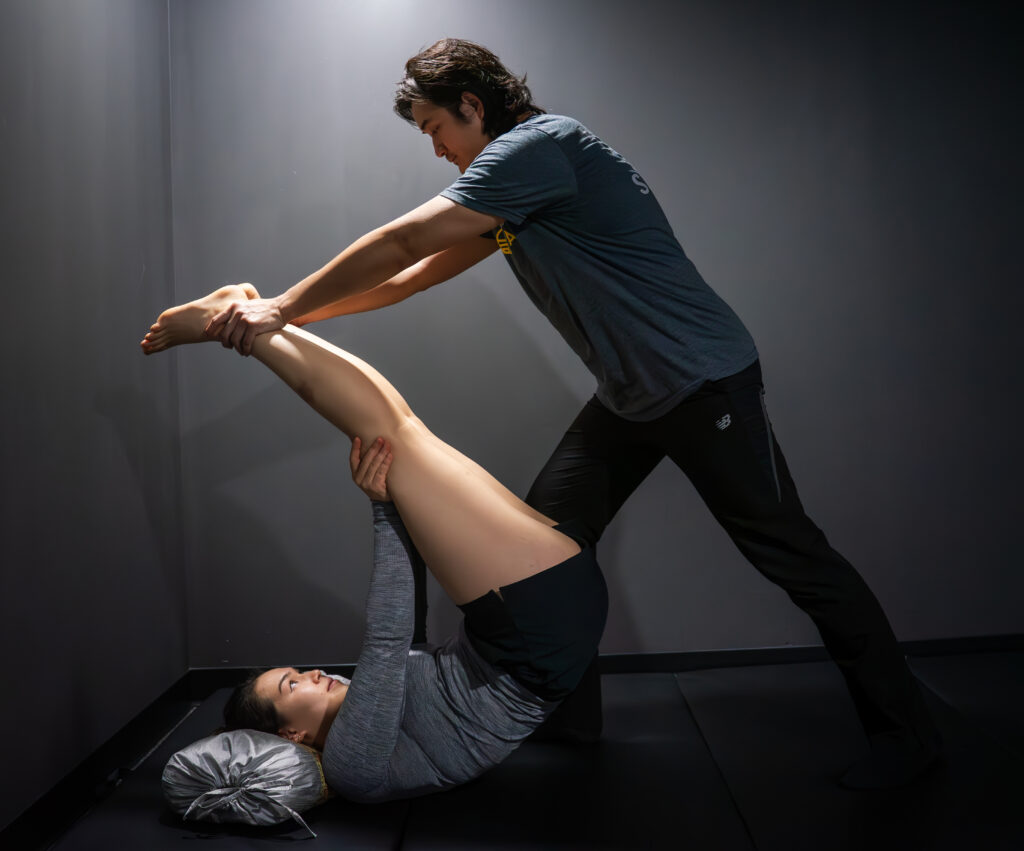
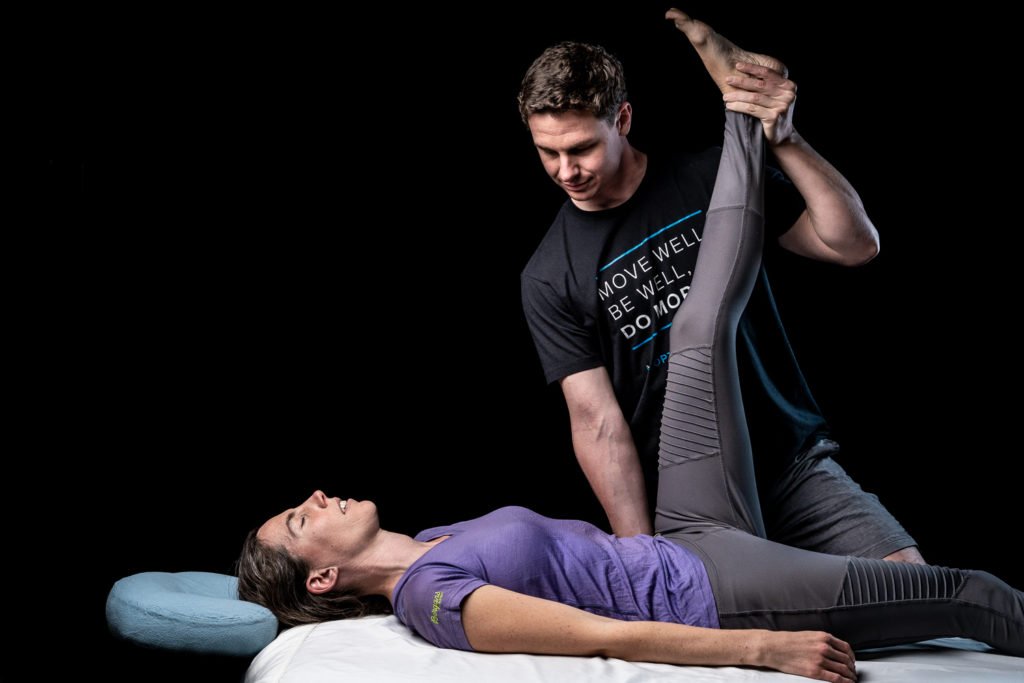
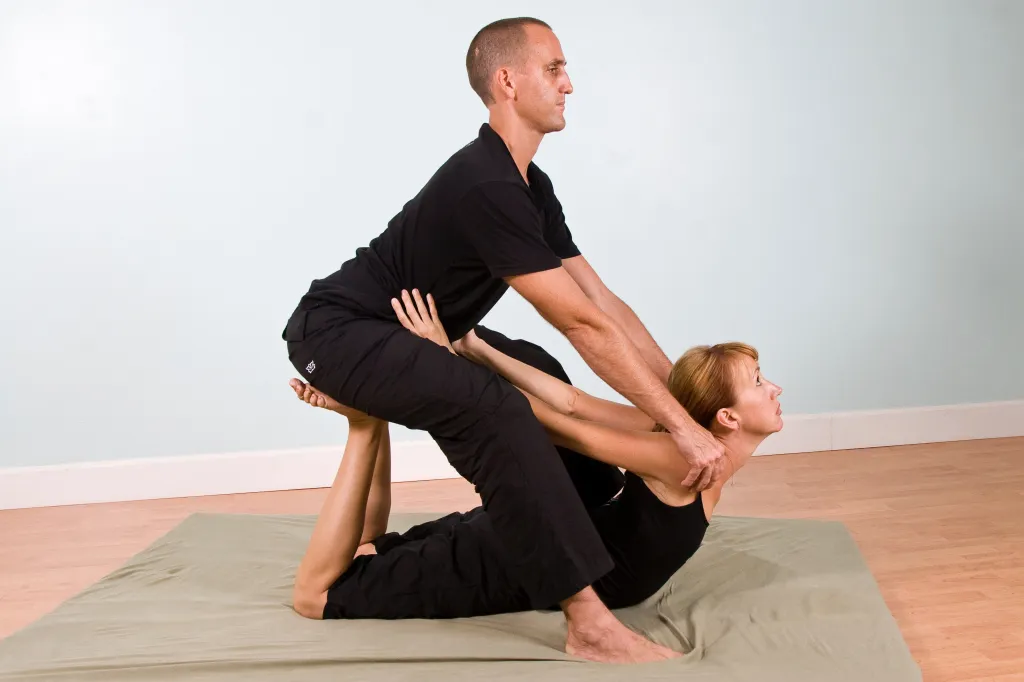
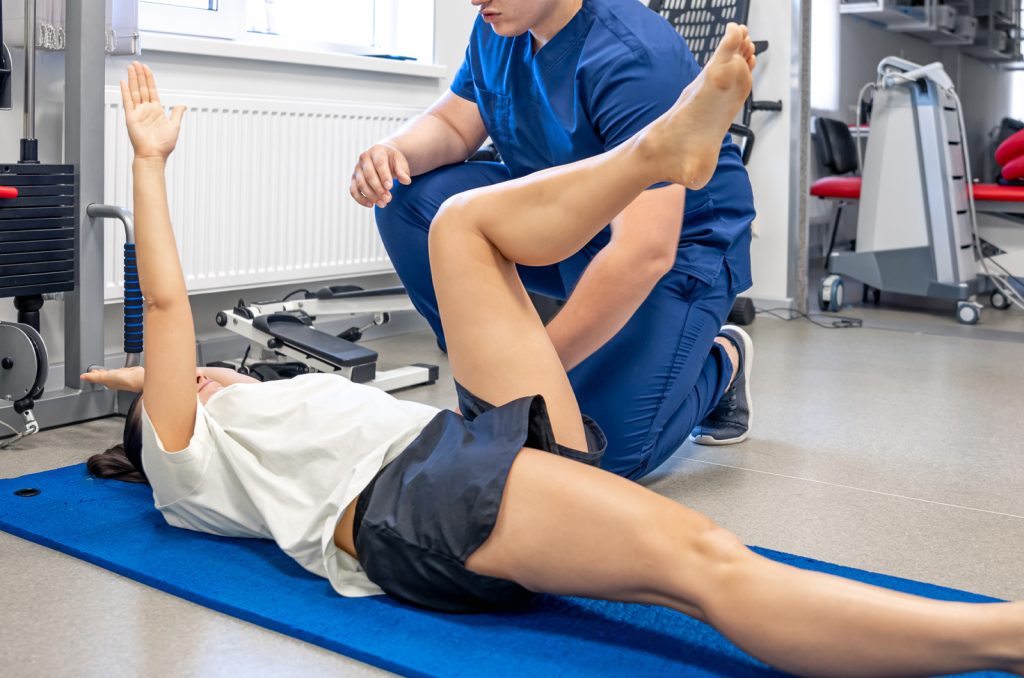
Assisted Stretching: Dynamic movements similar to yoga postures enhance flexibility and joint mobility.
-
Rhythmic Rocking and Oscillation: Relax muscles, stimulate circulation, and improve energy balance.
-
Joint Mobilization: Gentle manipulation of joints to restore alignment and range of motion.
-
Mindful Breathing and Flow: Encourages relaxation, body awareness, and energy awareness.
The “dynamic” aspect of this massage emphasizes fluid motion and active engagement, both by the therapist and the client, making it a more invigorating experience than static massage techniques.
Origins and Philosophy
Dynamic Thai-Yoga Massage is rooted in the ancient healing practices of Thailand, influenced by Ayurvedic medicine, yoga, and traditional Buddhist wellness philosophies. The therapy is based on the belief that energy flows through specific pathways in the body called Sen lines. When these pathways are blocked or stagnant, tension, pain, and fatigue may occur. By combining massage with yoga-inspired stretching, dynamic Thai-Yoga Massage seeks to restore energy flow, promote physical health, and achieve mental and emotional balance.
The philosophy emphasizes prevention, relaxation, and holistic wellness, rather than merely treating symptoms. It views the body as a connected system, where muscles, joints, energy pathways, and mind-state influence overall health.
Techniques Used in Dynamic Thai-Yoga Massage
Dynamic Thai-Yoga Massage integrates multiple techniques to deliver a comprehensive experience:
-
Palming and Thumb Pressure: Targeting key energy points to release tension and stimulate circulation.
-
Assisted Dynamic Stretching: Movements inspired by yoga postures, adapted to the client’s flexibility and comfort.
-
Rhythmic Rocking and Oscillation: Smooth motions to relax the nervous system and encourage energy flow.
-
Joint Mobilization: Gentle manipulation of limbs and spine to restore alignment and prevent stiffness.
-
Flow Sequences: Coordinated movements designed to mimic yoga flows, enhancing relaxation and flexibility.
The therapist uses body weight and leverage to perform stretches safely, making it effective for both beginners and experienced clients seeking deeper release.
Benefits of Dynamic Thai-Yoga Massage
Dynamic Thai-Yoga Massage offers numerous physical, mental, and emotional benefits, making it a holistic wellness practice suitable for a wide audience.
1. Enhances Flexibility and Mobility
Through assisted stretching and yoga-inspired sequences, this massage improves muscle elasticity, joint range of motion, and overall mobility, reducing the risk of injuries and supporting physical performance.
2. Relieves Muscle Tension and Pain
Targeting both superficial and deeper muscle layers, this therapy effectively alleviates stiffness, chronic pain, and tension in areas such as the back, neck, shoulders, and legs.
3. Improves Circulation and Energy Flow
Dynamic movements stimulate blood flow and lymphatic drainage, delivering nutrients to tissues and eliminating metabolic waste. Working along Sen lines also supports balanced energy flow, leaving clients feeling rejuvenated.
4. Reduces Stress and Promotes Relaxation
The rhythmic, mindful nature of the massage activates the parasympathetic nervous system, lowering stress hormone levels and fostering relaxation. Clients often experience improved mood, mental clarity, and emotional balance.
5. Boosts Mental Clarity and Mindfulness
Dynamic Thai-Yoga Massage encourages body awareness and mindfulness, helping clients focus on breath, movement, and energy flow, which supports mental clarity and emotional well-being.
6. Supports Physical Recovery
Athletes and active individuals benefit from faster muscle recovery, improved flexibility, and reduced soreness. The combination of massage and stretching promotes optimal performance and injury prevention.
7. Enhances Posture and Alignment
Therapist-guided stretches and joint mobilization help correct muscle imbalances and postural misalignment, reducing strain on the spine and joints.
Who Can Benefit from Dynamic Thai-Yoga Massage
Dynamic Thai-Yoga Massage is suitable for a variety of individuals, including:
-
Those experiencing stress, fatigue, or mental tension
-
People with muscle stiffness, chronic pain, or postural issues
-
Athletes seeking flexibility, recovery, and performance enhancement
-
Individuals interested in holistic wellness, energy balance, and mindfulness
-
Anyone looking to improve overall mobility, circulation, and vitality
Individuals with recent injuries, fractures, severe osteoporosis, or other medical conditions should consult a healthcare professional before undergoing this massage.

What to Expect During a Dynamic Thai-Yoga Massage Session
A session usually lasts 60 to 90 minutes, though extended sessions may last up to two hours. The general flow includes:
-
Initial Consultation: Therapist discusses client needs, medical history, and treatment goals.
-
Warm-Up: Gentle rocking and light stretches to prepare the body.
-
Dynamic Massage Techniques: Therapist applies palming, thumb pressure, assisted stretching, joint mobilization, and flow sequences.
-
Cool Down and Relaxation: Session ends with slow, soothing movements and time for the body to absorb benefits.
Clients are encouraged to breathe deeply and communicate about comfort and pressure levels throughout the session.
Tips for Maximizing the Benefits
-
Wear Comfortable Clothing: Loose, flexible attire is essential for assisted stretches.
-
Hydrate Before and After: Supports circulation and detoxification.
-
Communicate With Your Therapist: Share areas of tension or sensitivity for a personalized experience.
-
Focus on Mindfulness: Breathe and engage with each stretch to enhance relaxation.
-
Regular Sessions: Consistency improves flexibility, stress management, and overall well-being.
Conclusion
Dynamic Thai-Yoga Massage is a holistic therapy that blends traditional Thai massage techniques with yoga-inspired stretches and rhythmic movements. It provides comprehensive benefits, including stress relief, muscle tension reduction, flexibility enhancement, improved circulation, and mental clarity. Whether for relaxation, physical recovery, or holistic wellness, this massage offers a mind-body experience suitable for a wide range of individuals.
By understanding the techniques, benefits, and what to expect during a session, clients can make informed choices and fully experience the rejuvenating power of Dynamic Thai-Yoga Massage, achieving a harmonious balance of body, mind, and energy.
Read Also: Keep your face towards the sunshine and shadows will fall behind you
Watch Also: https://www.youtube.com/@TravelsofTheWorld24





Leave a Reply